
Trees
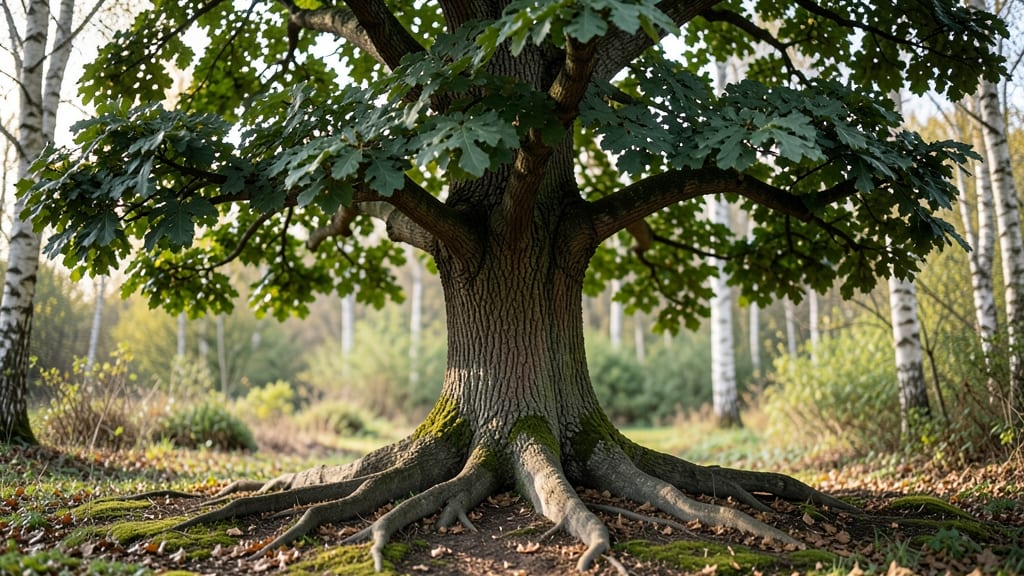
Understanding an oak tree roots system reveals why these giants stand for centuries—some roots plunge 60 feet deep while others spread twice the tree's height. 🌳 I once watched a 100-year-old oak survive a hurricane while its neighbors snapped like twigs, all thanks to that hidden network below.
The key isn't just depth; it's how those roots branch, lift, and anchor in ways that defy common sense.
Most gardeners focus only on the topsoil, but oak roots need loose, well-draining soil all the way down to their deepest reaches. That means avoiding compacted clay or waterlogged spots where roots strangle themselves.
The first 18 inches determine early growth, but the real strength comes from the roots that explore below the frost line—where most plants never dare to go.
What you'll discover is how to plant, prune, and protect without accidentally strangling your oak's future. Proper spacing (at least 30 feet from foundations or sidewalks) prevents cracked driveways while still letting the tree thrive.
Even in tight spaces, you can guide root growth with smart soil prep and mulching techniques that mimic nature's own support system.
Whether you're planting a sapling or managing an established oak, these secrets transform guesswork into confidence. The roots you nurture today will determine whether your tree stands tall for generations—or collapses under its own weight. Let's get those roots working for you instead of against you.
📚 In This Guide
- What you need
- Instructions
- Tips and common mistakes
- Wrapping up and next steps
What you need
- ● Soil Testing Kit – To analyze pH (ideal: 6.0–7.5) and nutrient levels.
- ● Shovel or D-handle Transplant Spade – For digging (18–24" depth for young oaks, deeper for mature roots).
- ● Root Stimulator Granules – 2–4 lbs (e.g., mycorrhizal fungi or phosphorous-rich blends).
- ● Organic Mulch – 2–3 inches of hardwood chips or pine straw (keep 6" away from trunk).
- ● Watering Can or Hose with Soaker Nozzle – 5+ gallons per watering session.
- ● Measuring Tape – To track root spread (oaks can extend 3–5x their canopy width).
- ● Garden Gloves & Knee Pads – Protection for digging and kneeling.
- ● Root Pruning Saw – For precise cuts during transplanting (if relocating mature trees).
- ● Soil Aerator or Broadfork – To loosen compacted soil around roots.
- ● Slow-Release Fertilizer – Balanced NPK (e.g., 10-10-10) for nutrient-poor soils.
- ● Root Barrier Fabric – If protecting nearby structures (install 18–24" deep).
- ● Camera or Sketchbook – To document root growth over time!
How to understand and support an oak tree's natural root system
Oaks thrive when their roots spread freely—here's how to work with nature's design.
🌱 Step 1: Observe the Root Structure Before Planting
Oak trees develop two distinct root systems: a deep taproot that anchors the tree and a wide lateral root system that spreads horizontally. The taproot can extend 3-5 feet deep for every 1 foot of tree height, while lateral roots spread 1.5-3 times the tree's canopy width. Before planting, examine the root ball—healthy roots should be white or light tan, not dark or mushy.
If you're transplanting a young oak, gently loosen the roots in the nursery pot to encourage outward growth. Never prune the taproot—this disrupts the tree's stability. Instead, focus on creating a well-drained planting hole that's 2-3 times wider than the root ball but only as deep. Oak roots prefer loose, aerated soil to penetrate easily.
☀️ Step 2: Prepare the Soil for Maximum Root Penetration
Oak trees thrive in well-draining, slightly acidic soil (pH 5.0-7.0). Before planting, mix the native soil with 2-3 inches of organic compost (like the 1 cubic yard you'd use for a mature tree) to improve texture without compacting. Avoid heavy clay—amend with sand or perlite if needed to prevent waterlogging.
Here's the thing—oaks hate soggy roots. Dig a 12-inch deep planting hole and fill the bottom with 6-8 inches of coarse sand or gravel to create a drainage layer. This mimics their natural habitat where roots grow deep into well-drained forest floors. Test drainage by filling the hole with water—it should drain completely within 2 hours.
💧 Step 3: Plant with Root Protection and Proper Spacing
Place the tree so the root flare (where roots meet the trunk) sits 1-2 inches above ground level. Backfill with the native soil mix, tamping gently to remove air pockets but not compacting. For young oaks, create a 4-inch deep watering basin around the base—this directs moisture to developing roots. Water deeply until the soil 6 inches down feels moist.
Space saplings 15-20 feet apart to allow lateral roots room to spread. Mature oaks need 30-50 feet between canopies. Real talk: Skimping on space leads to root competition, stunted growth, and weak wood. The wider the root system spreads, the more stable (and drought-resistant) the tree becomes.
⏰ Step 4: Water Strategically to Encourage Deep Growth
Young oaks need 1-2 inches of water weekly during the first 2 years, but deep soaking is key. Water once every 7-10 days (more in extreme heat) until the soil 12 inches down feels moist. Shallow watering encourages weak, shallow roots. Use a soaker hose placed 12 inches from the trunk to water slowly and evenly.
After the first growing season, reduce watering to once every 2-3 weeks unless there's prolonged drought. Mature oaks develop deep roots that tap into groundwater. The goal is to mimic natural rainfall patterns—long, infrequent soakings that penetrate deep rather than frequent light sprinkles.
🌿 Step 5: Protect and Maintain the Root Zone Long-Term
Keep the root zone (area under the canopy) free of grass and weeds—they compete for water and nutrients. Apply 2-3 inches of mulch (like wood chips) in a 3-foot wide ring around the base, but keep mulch 6 inches away from the trunk to prevent rot. Mulch retains moisture and regulates soil temperature, which roots love.
Never disturb the soil within the drip line (where branches extend). Compacted soil or construction equipment can sever roots, causing long-term stress. If you must install sidewalks or driveways, keep them at least 10 feet from the trunk for mature trees. Oak roots are resilient but not indestructible—give them space to do their job.
Tips & tricks for perfect oak tree root systems
Working with oak roots isn't just about planting—it's about creating the right conditions for nature's architecture to thrive. These insights will help you avoid common pitfalls and maximize your tree's long-term health.
Root Ball Inspection: When examining the root ball in Step 1, look for roots that are firm and springy—not brittle or slimy. If you find any dark, mushy roots, gently trim them away with clean pruners before planting. Healthy roots should feel like firm white carrot tops. This quick check prevents future problems like poor establishment and disease.
Soil Preparation Secret: In Step 2, that 12-inch deep planting hole with 6-8 inches of gravel at the bottom might seem excessive, but it's worth it. I've seen oaks planted in regular holes struggle during heavy rains because water pools where roots can't escape. The gravel layer acts like a natural drainage sponge, keeping roots oxygenated and preventing the dreaded "soggy root syndrome" that stunts growth.
Watering Precision: The instructions mention watering until soil 6 inches down feels moist, but here's what nobody tells you—use your finger to test moisture at the 12-inch mark too. Young oaks need moisture that deep to encourage their taproots to grow downward. If the soil at 12 inches is dry after your watering, you're not penetrating deep enough. This is how you build that unshakable foundation.
Mulch Application: When applying that 2-3 inch mulch ring in Step 5, resist the urge to pile it right against the trunk. I've seen many well-meaning gardeners create mulch volcanoes that actually suffocate the tree. Keep that 6-inch gap—it prevents rot while still protecting the roots. Think of it like a donut: the tree trunk is the hole, and the mulch forms the sweet ring around it.
Pro Tips for Oak Tree Roots System
- Working with oak roots isn't just about planting—it's about creating the right conditions for nature's architecture to thrive.
- Root Ball Inspection: When examining the root ball in Step 1, look for roots that are firm and springy—not brittle or slimy.
- Soil Preparation Secret: In Step 2, that 12-inch deep planting hole with 6-8 inches of gravel at the bottom might seem excessive, but it's worth it.
Frequently asked questions
Got questions about oak tree roots? You’re not alone!
Here are answers to the most common concerns about their deep, powerful systems—so you can nurture (or avoid) trouble with confidence.
How deep do oak tree roots actually grow?
Oak roots can stretch far deeper than you’d expect—often 6–10 feet or more, with some reaching 20+ feet in search of water. However, 80% of roots stay in the top 18 inches of soil, spreading horizontally for stability. Shallow roots near the surface are key for nutrient absorption, while deep roots anchor the tree against storms. Pro tip: Avoid compacting soil near the trunk to encourage healthy lateral growth!
Will oak roots damage my foundation or driveway?
Oak roots can cause indirect damage if they grow too close to structures—but it’s usually due to competing space, not aggression. Plant oaks at least 30–50 feet from foundations or sidewalks. If roots invade cracks, prune them carefully (only in late winter) or install root barriers to redirect growth. Warning: Never remove roots yourself—hire an arborist to avoid harming the tree.
How long does it take for oak roots to establish?
Young oaks take 3–5 years to develop a sturdy root system, but full maturity (with deep taproots) can take 10–15 years. During this time, water deeply but infrequently (1–2 inches per week) to encourage downward growth. Mulch 3 inches thick (but keep it away from the trunk) to protect roots from heat and erosion.
Can I transplant an oak tree without killing it?
Transplanting mature oaks is risky—they’re sensitive to root disturbance. If you must move one, do it in late winter/early spring when the tree is dormant. Dig a wide, shallow hole (not deep!) to preserve lateral roots, and water thoroughly before and after. Success rate: Only 50–70% survive, so consider grafting or planting a young oak instead!
What can I plant near an oak tree to avoid root competition?
Oaks have aggressive roots, so choose deep-rooted, drought-tolerant plants like:
Avoid shallow-rooted plants like lawns, azaleas, or hydrangeas—they’ll struggle for water and nutrients.
Wrapping up and next steps
Understanding the oak tree roots system reveals nature’s genius in creating unshakable strength—deep, sprawling roots that anchor resilience and support life for centuries. Whether you’re a gardener, landscaper, or simply curious about nature, these roots hold the key to healthier trees and ecosystems. 🌳
Now that you’re equipped with the knowledge, why not take action? Plant an oak sapling in your yard, observe its growth, or even advocate for sustainable tree care in your community. Every root you nurture today could be a legacy for tomorrow!