
Pruning
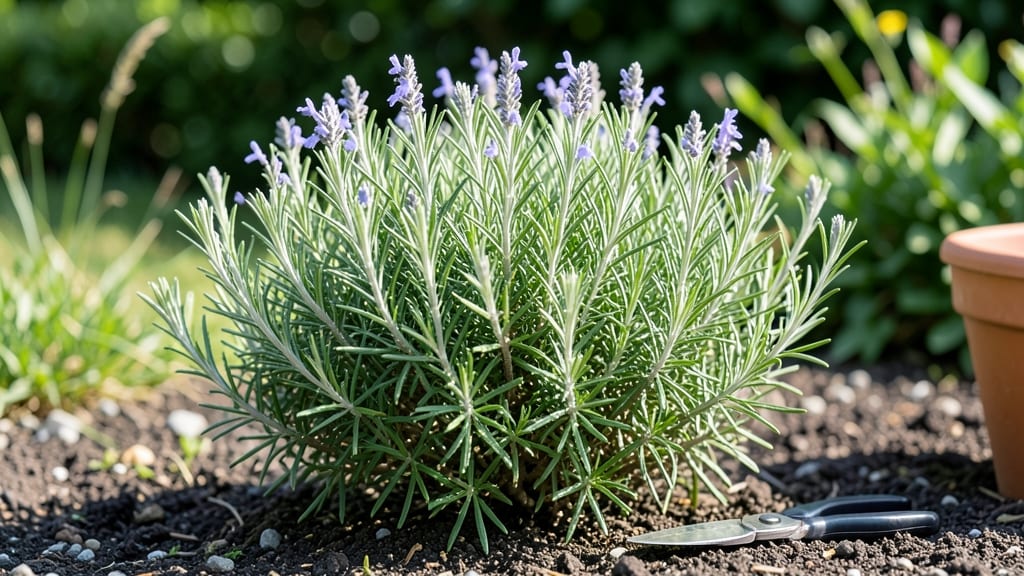
A small rosemary tree doesn’t just survive winter—it thrives with the right pruning. 🌿 I’ve turned my leggy, woody rosemary into a compact, fragrant powerhouse by mastering three key trims each year, and the results are worth the effort.
The secret lies in timing: a light spring cleanup, a mid-summer shape-up, and a final winter trim to encourage fresh growth before spring.
Most people overlook how simple rosemary maintenance can be. You don’t need fancy tools—just sharp pruners, a sunny spot, and a little patience. My dwarf variety stays under 3 feet tall while producing more fragrant sprigs than I can use, all by following a few basic rules.
The key is cutting back just enough to encourage bushiness without stressing the plant.
What you’ll end up with is a lush, aromatic rosemary tree that fills your kitchen with piney fragrance year-round. The leaves stay tender, the branches stay compact, and you’ll never again buy rosemary from the grocery store.
Plus, the pruned stems make perfect seasoning for roasts and stews—just a bonus of the process.
This method works for both container-grown rosemary and in-ground plants, whether you’re in a warm climate or a cooler zone. Let’s get your rosemary looking its best with minimal effort and maximum reward.
📚 In This Guide
- What you need
- Instructions
- Tips and common mistakes
- Wrapping up and next steps
What you need
- ● Pruning shears: Bypass pruners (sharp, clean, and sterilized with rubbing alcohol) for clean cuts.
- ● Hand pruners: For smaller stems (test for sharpness by cutting a dry twig—it should slice cleanly).
- ● Gloves: Garden gloves (nitrile-coated for grip and protection from thorns).
- ● Disinfectant: 70% isopropyl alcohol or bleach solution (1 part bleach to 9 parts water) to sterilize tools between cuts.
- ○ Pruning saw: Optional for thick, woody stems (if your rosemary has overgrown branches).
- ● Sunlight check: Ensure your rosemary gets 6+ hours of full sun daily—pruning is easier when it’s healthy!
- ● Water: A watering can or hose (rosemary prefers dry soil, so avoid overwatering post-prune).
- ○ Compost or mulch: Optional for replenishing soil after trimming (use well-draining options like pine bark).
- ● Harvest container: Paper bag or basket to collect pruned sprigs for cooking or drying.
- ○ Notebook & pen: Optional to track pruning dates and growth patterns.
Step-by-step guide to pruning your small rosemary tree
Here's how to keep your rosemary lush, fragrant, and compact through every season.
✂️ Step 1: Early Spring Trim for New Growth
Start your pruning in early spring—right after the last frost when new growth begins. This is the most important trim of the year because it sets the foundation for bushy, fragrant foliage. Use clean, sharp pruning shears to make cuts just above a set of leaves where two leaves meet the stem. This encourages branching and prevents woody stems.
Focus on removing any dead, brown, or damaged growth first. You'll know it's time to trim when you see fresh, green shoots emerging from the base of the plant. Real talk: if you wait until summer, your rosemary will already be leggy and sparse—spring is the secret to keeping it full.
Trim back about one-third of the plant's height to encourage dense growth. Avoid cutting into old wood (the thick, brown stems)—this won't regrow. If you accidentally cut into old wood, don't panic; just focus on the younger growth for now. The goal is to shape the tree while keeping it compact enough for a small space.
☀️ Step 2: Mid-Summer Light Pruning for Shape
In mid-summer, give your rosemary a lighter trim to maintain its shape and encourage air circulation. This is more about tidying up than heavy pruning. Look for stems that are growing too long or leggy—these are the ones to trim back. You'll see them as the ones stretching toward the sun with sparse leaves.
Pinch off the tips of new growth to promote bushier growth. Use your fingers or small pruning shears to snip just above a leaf node. This step is all about balance: you want to keep the tree from getting too top-heavy or sparse. If you notice any yellowing leaves, trim those off immediately—they can attract pests and diseases.
This is also the time to check for any branches growing inward or crossing over others. Remove these to prevent rubbing, which can damage the bark and create entry points for disease. A quick once-over with your shears will keep your rosemary looking neat and healthy. Don't overdo it—just a light touch is enough to keep it in check.
✂️ Step 3: Late Fall or Early Winter Cleanup
As the growing season winds down in late fall or early winter, give your rosemary one final trim to clean up any dead or overgrown branches. This is a more aggressive trim than mid-summer, but not as heavy as spring. Focus on removing any stems that have turned brown or woody, as these won't regrow in spring.
Trim back any long, leggy stems to about half their length. You want to leave the plant with a nice, rounded shape, but don't cut it back too severely—rosemary is a tough plant, but it still needs some foliage to survive winter. If you live in a colder climate, you might want to bring your rosemary indoors before this final trim, especially if temperatures drop below 20°F.
After pruning, give your rosemary a light watering to help it recover. This is also a great time to add a layer of mulch (if you're growing it in the ground) to protect the roots from freezing temperatures. If you're growing it in a pot, move it to a sheltered spot or indoors where it can enjoy some winter sunlight.
Tips & tricks for perfect small rosemary tree trimming
Your rosemary's fragrance and shape depend on these simple but game-changing pruning secrets.
Timing is Everything: The early spring trim (right after last frost) is non-negotiable for new growth. I learned this the hard way—skipping spring means leggy, sparse stems by summer. Watch for fresh green shoots at the base; that's your cue. If you're in a warmer climate where frost isn't an issue, aim for late winter when new growth appears. The key is catching that first flush of energy before the plant diverts resources to flowering.
Cutting Technique Matters: Always make clean cuts just above a leaf node where two leaves meet the stem—this is where new branches will sprout. I used to cut randomly and wondered why my rosemary stayed sparse. That one-third height reduction in spring works wonders for density, but never cut into old wood (thick brown stems). If you accidentally do, don't stress—just focus on the younger growth for future trims. For mid-summer shaping, pinch tips between your fingers instead of cutting when possible—it's gentler and still promotes bushiness.
Seasonal Adjustments: Fall cleanup should be aggressive enough to remove dead wood but not so severe you leave bare stems. The half-length trim for leggy branches works best when you leave at least 3-4 inches of foliage—this gives winter protection. In colder climates below 20°F, bring potted rosemary indoors before final trims. I keep mine near a sunny window and resume outdoor care in spring. The mulch layer (for ground plants) acts like a blanket—critical when temps drop below freezing.
Tool Maintenance: Your pruning shears are just as important as your timing. Clean them with rubbing alcohol after each use to prevent disease spread. I keep a small bottle in my gardening caddy—it takes 10 seconds but prevents years of plant problems. Dull shears tear stems, creating wounds that attract pests. Sharpen them annually or when cuts feel uneven. For large branches, use loppers but avoid cutting more than one-third of the plant's diameter at once.
Pro Tips for Small Rosemary Tree
- Your rosemary's fragrance and shape depend on these simple but game-changing pruning secrets.
- Timing is Everything: The early spring trim (right after last frost) is non-negotiable for new growth.
- Cutting Technique Matters: Always make clean cuts just above a leaf node where two leaves meet the stem—this is where new branches will sprout.
Frequently asked questions
Got questions about keeping your small rosemary tree thriving with strategic trims? Here are answers to the most common ones—so you can enjoy that fresh, fragrant aroma year-round!
When is the best time to prune a small rosemary tree?
Prune your rosemary tree early spring (just before new growth) and again after flowering in late spring or early summer. A light trim in fall helps shape it for winter. Avoid heavy pruning in winter—rosemary is sensitive to cold and needs time to recover before spring growth!
How much can I trim off without harming my rosemary?
Never remove more than one-third of the plant’s foliage in a single session. For a small rosemary tree, this usually means trimming back 3–6 inches from the tips of stems. Focus on shaping rather than drastic cuts—rosemary responds best to gradual, controlled pruning for dense, bushy growth.
What should I do if my rosemary looks leggy or woody after pruning?
Leggy or woody rosemary often means it’s been overpruned or underpruned. To fix it, cut back hard (but not to bare wood) in early spring, then fertilize lightly with a low-nitrogen plant food. Pinch back new growth regularly to encourage bushier, fuller regrowth. Pro tip: Place it in bright, indirect light to prevent further stretching!
Can I propagate my pruned rosemary cuttings?
Use 4–6 inch healthy cuttings from pruned stems. Remove lower leaves, dip in rooting hormone (optional), and place in well-draining soil or water. Keep them in bright, indirect light and mist occasionally. Roots should form in 2–4 weeks—perfect for expanding your rosemary collection!
How do I protect my small rosemary tree in winter?
Rosemary is semi-hardy—if temps drop below 20°F (-6°C), protect it with a breathable frost cloth or move potted trees indoors near a sunny window. Avoid heavy mulch, as rosemary dislikes soggy roots. A light trim before winter reduces stress and helps it bounce back faster in spring.
Wrapping up and next steps
Growing a small rosemary tree with year-round fragrance is totally within reach—just remember the three strategic trims! With the right tools, timing, and technique, you’ll keep your plant lush, aromatic, and thriving. Whether you’re trimming for shape, health, or harvest, consistency is key.
Ready to take the next step? Start small—pick one season to practice, then expand your routine. Before you know it, your rosemary will be the star of your garden (and your kitchen!). 🌿✨