
Container Gardens
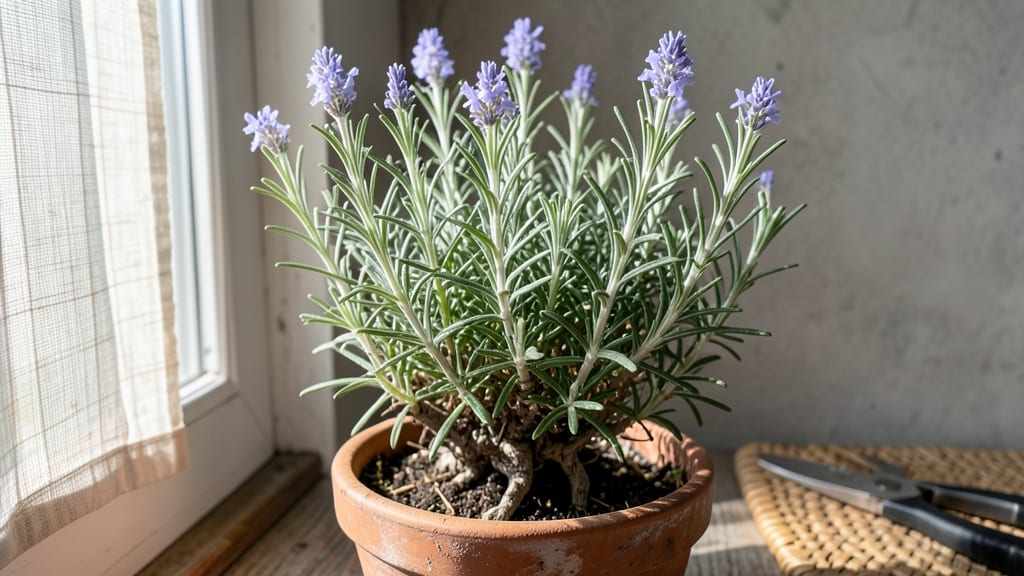
A potted rosemary tree thrives when you treat it like the Mediterranean shrub it is—not a finicky houseplant. I learned this the hard way after my first one turned crispy from overwatering, but now my kitchen windowsill smells like a Tuscan hillside year-round.
The secret isn’t complicated: rosemary hates wet feet and loves sunlight, but it’s surprisingly forgiving once you get the basics right.
You’ll need a well-draining pot (terracotta works best), fast-draining soil mix (equal parts potting soil and perlite), and a sunny spot where it gets at least 6 hours of direct light daily.
Water only when the top inch of soil feels dry—rosemary stores moisture in its woody stems, so underwatering is better than soggy soil. A light fertilizer in spring and summer keeps it lush without overfeeding.
Pruning isn’t just for shaping—it’s how you keep your rosemary bushy and fragrant. Snip back 1/3 of the growth in early spring and again after harvests, always cutting just above a leaf node.
Done right, your plant will stay compact, aromatic, and productive for years, even indoors. The best part? You can harvest stems anytime for cooking or potpourri.
Overwintering is simpler than you’d think: move your pot near a bright window, reduce watering slightly, and avoid drafts. If the air gets dry, a quick misting keeps the needles from browning.
With these tweaks, your rosemary will stay vibrant and fragrant through winter, ready to revive in spring. Let’s get growing!
📚 In This Guide
- What you need
- Instructions
- Tips and common mistakes
- Wrapping up and next steps
What you need
- ● Rosemary plant: 1 healthy nursery-grown rosemary (preferably Rosmarinus officinalis) in a 4-6" pot (or a bare-root plant for transplanting).
- ● Container: 1 large pot (12-18" diameter) with drainage holes. Terracotta or ceramic works best for airflow.
- ● Well-draining potting mix: 2-3 bags (1-2 cubic feet each) of a cactus/succulent blend or mix with perlite/pumice (avoid heavy garden soil!).
- ● Pruning tools: 1 pair sterilized pruning shears (sharp, clean blades to prevent disease).
- ○ 1 small hand saw (optional, for thicker stems).
- ● Watering can or hose with a gentle spray nozzle.
- ● Slow-release fertilizer: 1 packet (e.g., 10-10-10 or organic options like fish emulsion).
- ● Gloves: 1 pair (to protect hands from prickly stems).
- ● Mulch: 1 bag of gravel or pebbles (for top-dressing to retain moisture).
- ● Support stakes: 1-2 bamboo stakes (if growing tall varieties).
- ● Spray bottle: For misting leaves in dry climates.
- ○ Sunlight meter or app: To track light exposure (optional but helpful!).
How to maintain a thriving potted rosemary tree year-round
Here's the straightforward approach I've used to keep my rosemary lush and fragrant for over five years.
Choose the Right Container and Soil Mix
Rosemary thrives in well-draining soil and containers with ample space for root expansion. Select a pot with a minimum 12-inch diameter and depth—anything smaller will restrict growth and lead to root-bound stress. I prefer terracotta because it breathes and prevents overwatering, but ceramic with drainage holes works too.
Use a lightweight potting mix specifically formulated for Mediterranean herbs. Avoid garden soil—it compacts easily and holds too much moisture. Mix in one part perlite or coarse sand to the three parts potting mix to improve drainage. The ideal soil should crumble easily when dry and never feel soggy to the touch.
Position for Optimal Light and Temperature
Rosemary demands full sun exposure—at least 6-8 hours of direct sunlight daily. Place your potted rosemary near a south-facing window or under grow lights if natural light is insufficient. You'll notice leaves turning pale or stretching toward the light if it's not getting enough—this is a clear sign to move it closer.
Maintain temperatures between 60-80°F for best growth. Rosemary tolerates brief dips into the 40s°F but struggles below 30°F. If you live in a cold climate, bring it indoors before frost hits. The plant will go dormant in winter but can bounce back with proper care in spring.
Water Sparingly and Prune Regularly
Overwatering is the fastest way to kill rosemary. Water only when the top 2 inches of soil feel completely dry—stick your finger in the soil to check. When watering, soak the soil until it drains freely from the bottom holes, then empty the saucer to prevent root rot. I water mine every 7-10 days in summer and reduce to every 2-3 weeks in winter.
Pruning keeps your rosemary bushy and encourages new growth. Trim back one-third of the longest stems in early spring to shape the plant and remove any woody or dead growth. Use clean, sharp shears to make cuts just above a leaf node. You'll see fresh, vibrant growth within 2-3 weeks—this is your reward for consistent pruning.
Fertilize Lightly and Monitor for Pests
Rosemary doesn’t need much fertilizer—too much can harm its delicate roots. Apply a balanced, water-soluble fertilizer (10-10-10) once in early spring and once in midsummer, diluted to half-strength. Mix it into the water during your regular watering schedule. Avoid fertilizing in fall or winter when the plant is dormant.
Check the undersides of leaves weekly for spider mites or aphids. These pests thrive in dry conditions, so consistent watering helps deter them. If you spot them, wipe leaves with a neem oil solution (1 tablespoon per quart of water) or rinse thoroughly with water. Healthy rosemary rarely attracts pests, so strong growth is your best defense.
Overwinter Care for Long-Term Success
As temperatures drop below 50°F, reduce watering to every 3-4 weeks and stop fertilizing entirely. Move the pot to a bright, cool location indoors or to a sheltered patio. Rosemary can handle low light in winter but will struggle if kept in darkness. You'll see new growth slow down, but the plant will stay alive and healthy.
In late winter or early spring, prune back any dead or leggy growth and repot if the roots are circling the bottom of the container. This is also the time to refresh the top 2 inches of soil with fresh potting mix. The plant will reward you with vigorous new shoots within 4-6 weeks, signaling it's ready for the growing season.
Tips & tricks for perfect potted rosemary care
These simple strategies will help you keep your rosemary thriving without the guesswork—just like my five-year-old plant.
Container and Soil Selection: When choosing your 12-inch pot, prioritize terracotta over plastic—it wicks moisture away from roots, preventing the soggy soil that kills rosemary. For the soil mix, I've found that adding one part perlite to three parts Mediterranean herb mix creates the perfect balance. The perlite should make up about 25% of your total mix by volume, not weight, to avoid compacting. Test your soil by squeezing a handful—it should crumble easily when dry rather than hold its shape.
Light Positioning: The 6-8 hours of direct sunlight requirement is non-negotiable, but here's what I've learned: south-facing windows provide the most consistent light, but east-facing windows work too if you rotate the plant weekly. For indoor grow lights, use full-spectrum LED bulbs placed 6-12 inches above the plant for 12-14 hours daily. Watch for leaves stretching toward light—this "etiolation" means it needs more exposure. I've seen rosemary recover from mild light deprivation, but it takes 2-3 weeks of proper light to regain its vibrant green color.
Pruning Technique: That early spring pruning of one-third of longest stems isn't just about shaping—it's about stimulating growth. Make cuts just above a leaf node using clean shears (I sterilize mine with rubbing alcohol between plants). The new growth that appears in 2-3 weeks comes from these nodes, so aim for cuts that leave 2-3 inches of stem below the node. This creates a bushier plant while maintaining its natural shape. I always prune after watering when the soil is moist—this reduces shock to the plant.
Winter Survival: When temperatures drop below 50°F, move your rosemary to a bright location with indirect light. I place mine near a north-facing window where it gets 4-6 hours of light daily. The key is maintaining that light exposure—rosemary can survive with less light in winter, but it won't thrive. You'll know it's getting enough when the leaves stay green and firm rather than turning yellow or dropping. In late winter, I refresh the top 2 inches of soil to remove any accumulated salts from winter watering, which helps prevent nutrient burn when spring fertilizing begins.
Pro Tips for Potted Rosemary Tree
- These simple strategies will help you keep your rosemary thriving without the guesswork—just like my five-year-old plant.
- Container and Soil Selection: When choosing your 12-inch pot, prioritize terracotta over plastic—it wicks moisture away from roots, preventing the soggy soil that kills rosemary.
- For indoor grow lights, use full-spectrum LED bulbs placed 6-12 inches above the plant for 12-14 hours daily.
Frequently asked questions
Got questions about keeping your potted rosemary tree thriving? You’re not alone—this fragrant evergreen can be tricky for beginners! Here are answers to the most common queries to help you grow a lush, low-maintenance plant that smells like a Mediterranean vacation year-round.
How often should I water my potted rosemary tree?
Rosemary is drought-tolerant, so overwatering is the #1 killer. Water only when the top 1–2 inches of soil feel dry (about once every 1–2 weeks, less in winter). Stick your finger in the soil—if it’s damp, wait! Empty drainage holes are a must to prevent root rot.
When’s the best time to prune my rosemary?
Prune in early spring or after flowering (late spring/summer) to encourage bushier growth. Avoid heavy pruning in fall/winter, as rosemary needs energy to survive cooler months. Use clean, sharp shears to snip just above a leaf node (the bump where leaves grow). Pro tip: Never trim more than ⅓ of the plant at once!
Can I grow rosemary indoors year-round?
Place your potted rosemary near a sunny south- or west-facing window (6+ hours of light daily). If growth slows, supplement with a grow light 12–14 hours/day. Watch for leggy stems (a sign of light deprivation)—this means it’s time to relocate or add light.
Why are my rosemary leaves turning yellow or brown?
Yellowing leaves often signal overwatering, while brown, crispy edges usually mean underwatering or low humidity. Check soil moisture and adjust your watering schedule. If pests like spider mites are to blame, hose off the plant or use neem oil. Fun fact: Rosemary’s pine-scented leaves naturally repel many pests!
How do I keep my rosemary from looking leggy or woody?
Leggy or woody rosemary happens when it doesn’t get enough light. Move it to a brighter spot immediately and prune back the long stems to encourage new growth. For woody bases, rejuvenate by cutting back hard in spring—your rosemary will bounce back with fresh, tender shoots!
Wrapping up and next steps
Growing a fragrant potted rosemary tree is easier than you think—and the rewards are endless! With just a few simple pruning techniques, you’ll enjoy year-round greenery, delicious herbs for cooking, and a home that smells like a Mediterranean escape. 🌿✨
Ready to take the next step? Grab your pruners and give your rosemary a little TLC today—your kitchen (and nose) will thank you! Happy pruning!