
Pruning
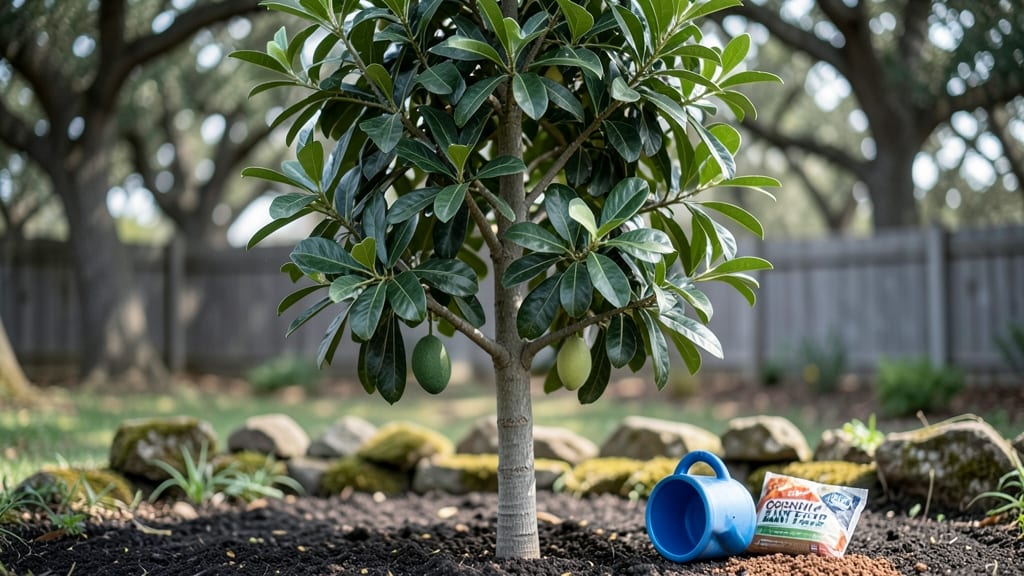
Pruning your reed avocado tree (Persea americana) isn’t just about shaping—it’s about unlocking year-round fruit loads with just three strategic cuts. 🌱 I’ve seen these trees go from sparse harvests to heavy-bearing branches after mastering this simple technique, and the secret lies in timing and technique.
The key is working with the tree’s natural growth rhythm: a light prune after harvest to clean up, a structured trim in late winter to open the canopy, and a corrective cut in summer to balance growth.
Most gardeners over-prune, which stresses the tree—these cuts encourage more fruit while keeping the shape manageable. Even indoor trees respond well, as long as you mimic outdoor light cycles.
By the end of the season, you’ll have denser foliage, more consistent fruit, and a tree that looks as good as it tastes. The best part? These cuts take less than 30 minutes and work for both dwarf and standard varieties.
Let’s get those pruners sharp and turn your avocado tree into a fruit-producing powerhouse.
Whether you’re growing in a California backyard or a Florida container, the same principles apply—just adjust for your climate’s frost dates. Indoor growers should focus on light exposure and humidity to compensate for pruning’s impact on growth. Ready to transform your tree?
📚 In This Guide
- What you need
- Instructions
- Tips and common mistakes
- Wrapping up and next steps
What you need
- ● Pruning shears: Bypass pruners (sharp, clean, and sterilized to avoid disease). Recommended: Felco F-2 or similar (for cuts up to ½ inch).
- ● Loppers: For thicker branches (½–1.5 inches). Example: Corona 44007 (long-handled for reach).
- ● Pruning saw: For branches >1.5 inches. Pick: Fiskars X7 or similar curved-blade saw.
- ● Ladder or step stool: Height: At least 8–10 feet (adjustable preferred). Safety: Non-slip base.
- ● Disinfectant (70% isopropyl alcohol or bleach solution): 1 part bleach to 9 parts water (rinse tools between cuts!).
- ● Garden gloves: Heavy-duty (cut-resistant, like Mechanix Wear or Wolverine).
- ● Tarp or drop cloth: 10x10 ft (to catch debris and protect lawn).
- ○ Sharpie or pruning sealant: For marking cuts (optional but helpful for tracking).
- ● Extension pole saw: For high branches (e.g., Fiskars X27).
- ● Pruning rope: To support heavy branches temporarily.
- ● Compost bin or bags: For collecting pruned material (reed avocado wood is biodegradable!).
- ● Safety glasses: To shield eyes from debris.
- ● Notebook & pen: To sketch your pruning plan or note growth patterns.
Step-by-Step instructions for pruning reed avocado trees
Here's how to keep your tree productive without sacrificing its natural beauty.
✂️ Step 1: Perform the Structural Cut in Late Winter
This is your one-time annual reset—think of it as giving your tree a haircut to shape its future. Use clean, sharp pruners to remove any dead, crossing, or weak branches growing inward. I always start with the 3-4 main scaffold branches that should form the tree's skeleton, ensuring they're spaced evenly around the trunk.
Cut just outside the branch collar—the swollen area where the branch meets the trunk—to prevent unsightly stubs. The goal here is to open the canopy to sunlight and air circulation, which prevents fungal diseases that love the humid conditions avocados thrive in. You'll see a noticeable difference in how light penetrates the center of the tree after this cut.
🌿 Step 2: Light Prune for Fruit Production in Early Spring
Now's the time to encourage fruit set by removing only 10-15% of the current season's growth. Focus on cutting back water sprouts—those fast-growing, vertical shoots that steal energy from fruit production. These are the thin, pale branches growing straight up from the main limbs.
Make your cuts just above a leaf node where a side branch already exists. This encourages lateral growth, which translates to more fruiting sites. Watch for new flower buds forming in the leaf axils—these are your future avocados. If you see excessive flowering but poor fruit retention, your tree may need a balanced fertilizer with more phosphorus.
☀️ Step 3: Summer Maintenance to Balance Growth and Fruit
As your tree enters its peak growing season, perform light touch-ups only. Remove any suckers growing from the base or trunk—these compete with the main canopy. Thin out crowded branches to improve air flow, especially if you notice yellowing leaves or black spots on foliage, which are signs of poor circulation.
Here's the thing—avocado trees produce fruit on both old and new wood, so you never want to remove more than 20% of the canopy in any single season. If you see green fruit dropping prematurely, it's a sign your tree is stressed from over-pruning. Step back and let it recover before making more cuts. The goal is to maintain a balanced shape that still lets sunlight reach all parts of the canopy.
Tips & tricks for pruning reed avocado trees
These targeted techniques will help you maintain a healthy, productive avocado tree while avoiding common pruning pitfalls.
Tool Preparation: Always sterilize your pruners with rubbing alcohol between cuts to prevent spreading disease. I use a small spray bottle for quick disinfection—this is especially important for Reed avocados, which are prone to fungal issues in humid climates. For larger branches, use a clean, sharp handsaw with a fine-tooth blade to avoid tearing the bark, which creates entry points for pathogens.
Branch Collar Awareness: In Step 1, when making your structural cuts, focus on preserving the branch collar—the swollen area where branches meet the trunk. Cutting too close to the trunk creates wounds that heal poorly and invite fungal infections. Think of the branch collar as your tree's natural healing mechanism—it contains protective tissues that help the wound close properly. If you accidentally cut into the collar, don't panic; just make a second cut just outside the damaged area.
Seasonal Timing Strategy: The 10-15% pruning guideline in Step 2 is your safety net for maintaining fruit production. For Reed avocados specifically, I recommend being slightly conservative—aim for 8-12% in early spring when buds are forming. These trees respond well to gentle pruning that maintains their natural shape while encouraging fruit set. Remember that Reed avocados produce fruit on both old and new wood, so avoid heavy pruning that removes too many fruiting sites.
Visual Growth Assessment: In Step 3, when performing summer maintenance, use the "third leaf" rule as your guide: look for branches where you can see three healthy leaves growing in a row. These are ideal candidates for light pruning to encourage outward growth. For Reed avocados, pay special attention to the lower canopy where sunlight often gets blocked—this is where you'll see the first signs of stress like yellowing leaves or premature fruit drop. Thin these areas first to restore balance.
Pro Tips for Reed Avocado Tree
- These targeted techniques will help you maintain a healthy, productive avocado tree while avoiding common pruning pitfalls.
- Tool Preparation: Always sterilize your pruners with rubbing alcohol between cuts to prevent spreading disease.
- Branch Collar Awareness: In Step 1, when making your structural cuts, focus on preserving the branch collar—the swollen area where branches meet the trunk.
Frequently asked questions
Got questions about pruning your reed avocado tree?
Here are the answers to some of the most common concerns—so you can keep your tree thriving and productive year-round.
When is the best time to prune a reed avocado tree?
The ideal times are late winter/early spring (before new growth) and summer (after harvest). Avoid heavy pruning in fall—it can stress the tree before dormancy. Light trimming to shape or remove dead wood can happen anytime, but strategic cuts for fruit load follow the 3-step method outlined in the article.
What if I prune at the wrong time?
Pruning too late in the season (fall/winter) can delay flowering or leave the tree vulnerable to pests. If you’ve already pruned outside these windows, don’t panic! Focus on removing only dead/diseased branches and avoid heavy cuts. The tree will recover, but expect a slightly reduced harvest the following year.
Will pruning increase my avocado yield?
Yes! Strategic pruning boosts fruit production by improving airflow, sunlight penetration, and energy focus on fruit-bearing branches. The 3-cut method (thinning, shaping, and renewal cuts) balances growth and harvest—just avoid over-pruning, which can reduce yields temporarily while the tree recovers.
How much should I prune—what’s too much?
Aim to remove no more than 25% of the tree’s canopy in one session. For mature trees, 10–15% annually is ideal. Signs of over-pruning: excessive leaf drop, weak new growth, or no fruit. If this happens, pause heavy cuts and focus on watering and fertilization to help recovery.
Can I prune a reed avocado tree the same way as other avocado varieties?
While the basic principles (airflow, sunlight, shaping) apply, reed avocados respond best to lighter, more frequent pruning than Hass or Fuerte varieties. They’re sensitive to aggressive cuts, so prioritize thinning dense growth over dramatic reshaping. Always prune just above a leaf node or branch collar for optimal healing.
Pro Tip:
Use clean, sharp tools
to prevent disease. Sterilize pruners with rubbing alcohol between cuts, and seal larger wounds with pruning sealant to speed up healing. Monitor sunlight exposure after pruning—reed avocados thrive in full sun but can scorch if suddenly exposed.
Wrapping up and next steps
The reed avocado tree thrives with the right pruning strategy—just three well-timed cuts can transform your harvest into a year-round bounty! 🌿 By mastering light summer trimming, structural winter shaping, and spring growth control, you’ll encourage healthier branches, bigger fruit, and a more manageable tree.
Remember, patience and consistency are key; your efforts will pay off in luscious, creamy avocados for seasons to come.
Ready to boost your harvest? Start by scheduling your next pruning session—whether it’s a quick summer check or a deeper winter overhaul. Grab your tools, step outside, and give your reed avocado tree the care it deserves! 🌱✨