
Blooming
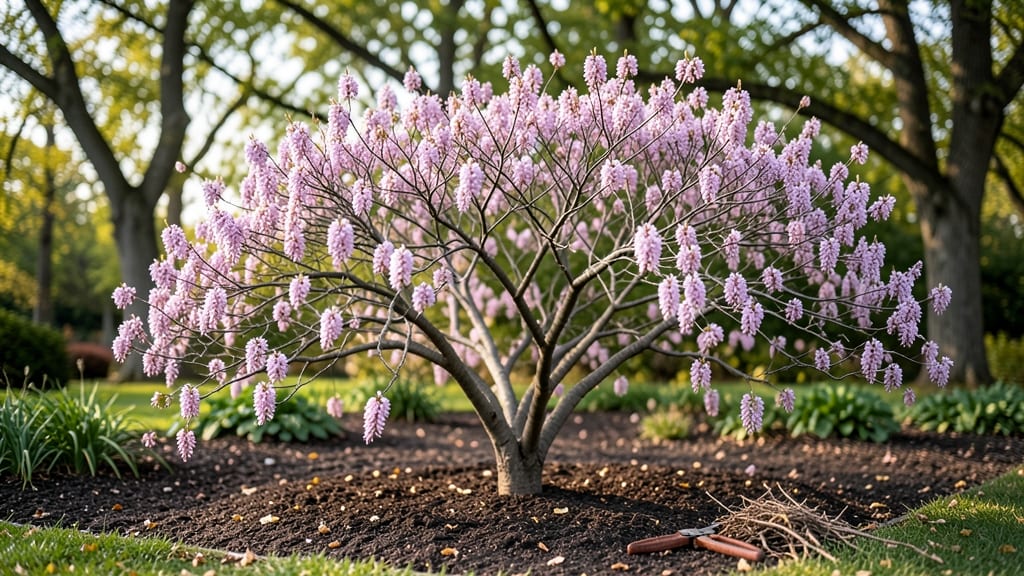
The moment redbud trees burst into bloom is like spring’s most generous secret—soft pink clouds of flowers that turn even the dullest corner into a showstopper. 🌸 I’ve watched them transform bare branches into cascading canopies, and once you see it, you’ll never overlook their potential as a garden centerpiece.
Their delicate blossoms appear before leaves, creating a breathtaking contrast that lasts for weeks.
These trees thrive in full sun but adapt gracefully to partial shade, making them perfect for small yards or urban gardens where space is limited. Pair them with tulips or daffodils for a layered spring display, or let their height (20-30 feet) anchor a larger landscape design.
The key is planting them where their early blooms will be the first splash of color after winter’s gray.
Imagine stepping into your garden in April and being greeted by a sea of pink—no other tree delivers this kind of instant drama. Redbuds also attract pollinators early in the season, turning your yard into a buzzing, vibrant ecosystem.
Their heart-shaped leaves add lush green contrast later in the year, ensuring year-round interest.
Whether you’re framing a front door, softening a fence line, or adding drama to a hillside, redbuds deliver effortless beauty with minimal fuss. Their adaptability means they’ll thrive in almost any well-drained soil, and their low-maintenance nature makes them a gardener’s dream.
Let’s make your spring unforgettable with these living masterpieces.
📚 In This Guide
- What you need
- Instructions
- Tips and common mistakes
- Wrapping up and next steps
What you need
- ● Redbud tree seedlings or saplings: 1–3 trees (depending on space and desired effect). Choose Cercis canadensis varieties like 'Forest Pansy' or 'Rubra' for vibrant colors.
- ● Shovel or trowel: Medium-sized (12–18 inches) for digging holes.
- ● Native soil or well-draining potting mix: 2–3 cubic feet per tree. Mix in compost (1 part compost to 3 parts soil) for nutrients.
- ○ Mulch (optional but recommended): 2–3 inches of shredded bark or wood chips to retain moisture and suppress weeds.
- ● Watering can or hose with a gentle nozzle: For thorough watering (1–2 gallons per tree after planting).
- ○ Tree stakes (optional): 2 stakes + soft ties if planting in windy areas.
- ● Pruning shears or loppers: Sharp, bypass-style tools for clean cuts (4–6 inch blades for loppers).
- ○ Gloves (optional): Heavy-duty work gloves to protect hands from thorns.
- ● Disinfectant (70% isopropyl alcohol or bleach solution): To sterilize tools between cuts and prevent disease.
- ○ Fertilizer (optional): Slow-release, balanced fertilizer (10-10-10 or similar) for established trees.
- ● Camera or smartphone: With a macro lens or zoom for close-up shots of blooms.
- ○ Tripod (optional): For steady shots of the tree’s full canopy.
- ● Picnic blanket or chairs: For a cozy viewing spot under the pink canopy!
How to encourage stunning redbud tree blooms year after year
Here's how I coax vibrant pink blooms from redbuds—no secret tricks, just science-backed care.
🪴 Step 1: Plant in the Right Spot for Spring Sun
Redbuds need full sun to partial shade—at least 4-6 hours of direct sunlight daily. I plant mine where they get morning sun and afternoon dappled shade, which prevents leaf scorch while ensuring strong bloom production. The ideal location also has well-draining soil; redbuds hate soggy roots.
Dig a hole twice as wide as the root ball but only as deep. This encourages roots to spread outward instead of settling too low. Gently loosen the roots if they're circling—just tease them apart with your fingers. The tree will thank you with more vigorous growth and better blooms next spring.
☀️ Step 2: Water Deeply but Strategically After Planting
Water immediately after planting, then again every 2-3 days until the tree establishes roots—usually 6-8 weeks. You'll know it's time when new leaves appear and the soil stays moist 3-4 inches deep. Overwatering now leads to root rot, while underwatering causes stress that delays blooming.
After the first year, redbuds become drought-tolerant. Let the soil dry out between waterings, but don't skip watering during late winter or early spring when buds form. A deep soak every 10-14 days during dry spells keeps buds plump and vibrant.
✂️ Step 3: Prune for Airflow and Shape in Late Winter
Prune 2-3 weeks before buds swell (typically February-March in most climates). Remove any dead, diseased, or crossing branches first—redbuds bloom on old wood, so don't cut back too aggressively. I also shape the tree by opening the center to improve airflow, which prevents fungal issues.
Thin out crowded branches to let light reach inner buds. You'll see more blooms along branches that get good airflow and sunlight. Avoid heavy pruning after blooming—it removes next year's flower buds. A light cleanup in summer to remove suckers keeps the tree tidy without sacrificing blooms.
💧 Step 4: Feed for Vibrant Blooms in Early Spring
Apply a balanced 10-10-10 fertilizer in early spring as buds begin to swell. Spread it evenly under the canopy and water it in well. This gives the tree a nutrient boost without overstimulating leaf growth at the expense of flowers. Too much nitrogen late in the season leads to lush foliage but fewer blooms.
Mulch around the base with 2-3 inches of organic mulch (like shredded bark) to retain moisture and regulate soil temperature. Keep mulch 6 inches away from the trunk to prevent rot. This simple step reduces watering needs and protects roots from temperature swings that can stress the tree.
Tips & tricks for perfect redbud tree blooms
Real talk: The difference between a tree with sparse blooms and one bursting with pink canopies often comes down to these small but mighty details.
Sunlight Strategy: While redbuds thrive in full sun to partial shade, I’ve found that morning sun is non-negotiable for vibrant blooms. Position your tree where it gets at least 4-6 hours of morning sunlight—this helps prevent afternoon leaf scorch while ensuring buds develop properly. If you’re planting in a shady spot, consider a location where it gets filtered light from nearby trees rather than deep shade.
Root Care Matters: When planting, remember that redbuds hate soggy roots. Amend heavy clay soil with compost to improve drainage, especially in low-lying areas. After planting, water deeply but only when the top 3-4 inches of soil are dry—overwatering during the first 6-8 weeks can lead to root rot, which directly impacts bloom production. A moisture meter helps here if you’re unsure.
Pruning Precision: Timing is everything when pruning redbuds. The 2-3 weeks before buds swell (usually February-March) is your window to shape the tree without harming next year’s blooms. Focus on removing dead or crossing branches first—they compete with healthy growth for nutrients. Thin out crowded branches to let light reach inner buds, but avoid heavy pruning after blooming, as this removes next year’s flower buds.
Fertilizer Timing: Applying a balanced 10-10-10 fertilizer in early spring, as buds begin to swell, gives your tree the nutrient boost it needs without overstimulating leaf growth. Too much nitrogen late in the season can lead to lush foliage but fewer blooms. Pair this with a 2-3 inch layer of organic mulch (like shredded bark) to retain moisture and regulate soil temperature—just keep it 6 inches away from the trunk to prevent rot.
Pro Tips for Redbud Trees In Bloom
- Real talk: The difference between a tree with sparse blooms and one bursting with pink canopies often comes down to these small but mighty details.
- Sunlight Strategy: While redbuds thrive in full sun to partial shade, I’ve found that morning sun is non-negotiable for vibrant blooms.
- Root Care Matters: When planting, remember that redbuds hate soggy roots.
Frequently asked questions
Got questions about redbud trees in bloom? You’re not alone!
Here are answers to the most common queries—from timing to care tips—to help you make the most of their stunning pink display.
When do redbud trees typically bloom?
Redbud trees (Cercis canadensis) are early spring bloomers, usually bursting into color before their leaves appear! Peak bloom occurs in March to early April in most U.S. regions, though timing varies by climate. Warmer zones may see blooms as early as February, while colder areas might delay until May.
How long do redbud flowers last?
The vibrant pink blossoms last 2–3 weeks, though some varieties (like ‘Rubra’ or ‘Forest Pansy’) may linger longer. For extended enjoyment, plant multiple trees—different cultivars bloom at slightly different times, creating a staggered show!
Why aren’t my redbud flowers opening this year?
Several factors can delay blooms: late frost (damages buds), over-fertilizing (promotes leaf growth over flowers), or poor drainage (stresses the tree). Check for pests (like spider mites) too! If the tree is young, blooms may be sparse—patience pays off as it matures.
Can I grow redbud trees in containers?
Yes! Dwarf varieties like ‘Lavender Twist’ thrive in large containers (15+ gallons) with well-draining soil. Place them in full sun to partial shade and water consistently. Just know: container-grown redbuds may bloom less prolifically than in-ground trees.
What’s the best companion plant for redbud trees?
Pair redbuds with early spring bulbs (like daffodils or crocuses) or shade-tolerant perennials (e.g., ferns or hostas). Avoid aggressive roots (like bamboo) that compete for nutrients. For height contrast, try ‘Little Gem’ magnolias or ornamental grasses.
Pro Tip:
For maximum blooms, prune redbuds right after flowering (never in late winter—this removes next year’s buds!). Thin out crowded branches to improve airflow and sunlight penetration. A balanced fertilizer in early spring can also encourage vibrant blooms.
Wrapping up and next steps
Watching redbud trees in bloom paint the spring landscape with their vibrant pink hues is a reminder of nature’s fleeting beauty—and a call to action.
Whether you’re admiring them in your backyard or planning to cultivate your own, these trees bring joy, color, and even practical benefits like pollinator support. 🌸
Now that you’re inspired, why not take the next step? Visit a local nursery to pick out your own redbud sapling, or simply schedule a walk to enjoy their magic in person. Spring’s magic is short-lived—don’t miss it!