
Pruning
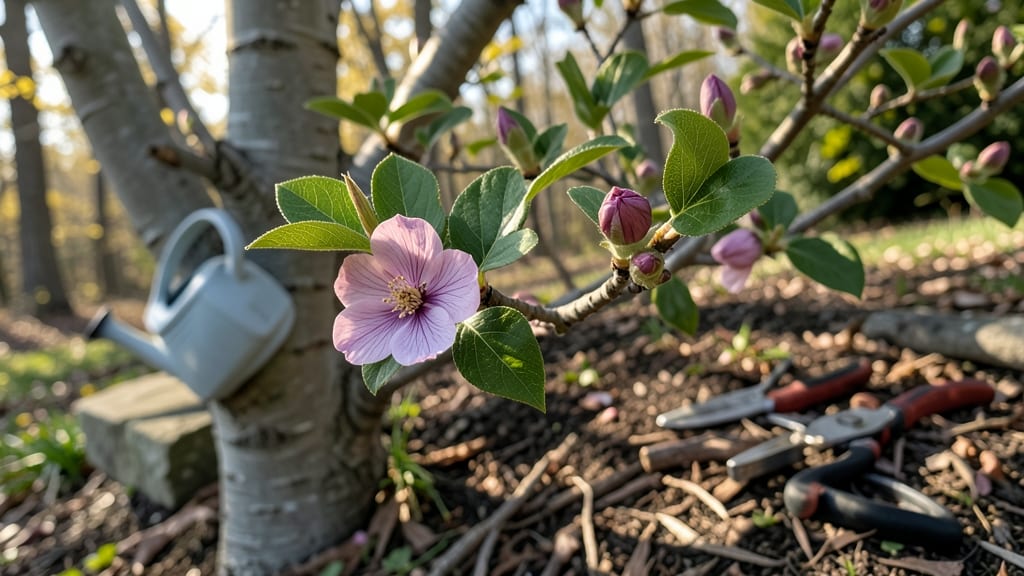
The redbud tree's edible parts might surprise you—though not how you think. 🌿 While its flowers are stunning, only the young pods and seeds (when properly prepared) are safe to eat, and even then, with caution.
My first attempt at harvesting ended with a trip to the kitchen scale and a call to the local extension office—turns out, only certain varieties and parts are truly edible.
Most redbud seeds contain toxic compounds unless you remove the outer husk and prepare them correctly. Traditional uses include roasting seeds for a coffee-like flavor, but only after thorough drying and processing.
The pods themselves are edible when young and tender, though they require careful sourcing to avoid contamination from pesticides or urban pollutants.
You'll end up with a small harvest of nutrient-rich seeds that can be ground into flour or brewed like tea, but never eat the bark, leaves, or unprocessed seeds—those contain harmful alkaloids. With the right preparation, you can enjoy a unique, earthy snack straight from your backyard.
This method works best in rural or organic settings where trees haven't been treated with chemicals. Always cross-reference with local botanical experts before harvesting, especially if you're new to wild edibles. Here's how to identify safe varieties and prepare them properly—without the guesswork.
📚 In This Guide
- What you need
- Instructions
- Tips and common mistakes
- Wrapping up and next steps
What you need
- ● Harvesting tools: Pruning shears or small hand saw (for branches up to 1.5 inches thick)
- ● Gloves (nitrile or leather, for protection from thorns and sap)
- ● Large bucket or mesh bag (10+ gallon capacity, for collecting pods/seeds)
- ● Small knife or pruning knife (for trimming pods/seeds)
- ● Safety gear: Sunscreen (SPF 30+, for outdoor harvesting)
- ● Closed-toe shoes or sturdy boots (to protect feet from branches/rocks)
- ● Water bottle (16 oz minimum, to stay hydrated)
- ● Processing supplies: Colander (stainless steel, for rinsing pods/seeds)
- ● Paper towels or clean kitchen towels (for drying)
- ● Identification tools (critical!): Field guide or app (e.g., iNaturalist or PlantNet) to confirm redbud tree species
- ○ Magnifying glass (optional but helpful for inspecting pods/seeds)
- ● Food-safe storage containers (glass jars or airtight bags, for long-term seed storage)
- ● Drying rack or screen (for air-drying pods/seeds)
- ● Labeling tags (to mark harvest dates and tree locations)
- ● First-aid kit (for minor scrapes or allergic reactions)
- ● Camera or sketchbook (to document your harvest for future reference)
How to safely harvest and prepare edible redbud tree seeds and pods
Here's how to turn your ornamental redbud into a functional food source—just follow these clear steps.
🌱 Step 1: Identify and Time the Harvest Window
Redbud pods (Cercis canadensis) ripen in late spring to early summer, typically 6-8 weeks after flowering. Look for pods that turn from green to dry, papery brown—this signals peak edibility. The pods should open slightly when gently pressed, revealing plump, dark seeds inside. Harvest pods when they're still firm but beginning to split naturally.
Here's the thing—don't wait too long. Once pods fully burst open, seeds scatter and lose freshness. I like to harvest on a dry, sunny morning when pods are at their most tender. Use clean, sharp pruning shears to snip entire clusters rather than individual pods—this preserves the tree's energy and reduces stress.
🌿 Step 2: Process Pods and Extract Seeds
Spread the harvested pods on a clean, dry towel in a well-ventilated area for 24-48 hours to dry completely. This prevents mold and makes seeds easier to extract. Once fully dry, gently crush the pods between your palms or use a rolling pin to release the seeds. I find a fine-mesh strainer works best for catching all the seeds while separating debris.
Discard any shriveled or discolored seeds—they won't be edible. The good ones should be plump, dark brown, and slightly glossy. Store them in an airtight container in a cool, dark place for up to 6 months. For immediate use, you can toast the seeds in a dry skillet over medium-low heat for 3-5 minutes until fragrant—this enhances their nutty flavor.
☀️ Step 3: Prepare Pods for Culinary Use
Young, tender redbud pods (harvested when still green) can be used like snap peas. Blanch them in boiling water for 2 minutes, then plunge into ice water to stop cooking. Drain and pat dry before sautéing in butter with garlic and herbs. The texture is crisp and slightly sweet, similar to snow peas but with a milder, earthier taste.
For dried pods, remove the seeds first, then slice the pods lengthwise into thin strips. These can be dried further in a dehydrator at 135°F for 4-6 hours or baked at 200°F for 2 hours until brittle. Once completely dry, pods can be ground into a nutrient-rich flour or used as a garnish for soups and stews. Real talk: they're an acquired taste—start with small amounts to let your palate adjust.
✂️ Step 4: Store and Preserve Harvested Materials
Seeds should be stored in an airtight container with a desiccant packet to prevent moisture buildup. Label the container with the harvest date—older seeds lose viability faster. For pods, vacuum-seal them in bags if you plan to store them longer than 3 months. The vacuum removes air, which slows oxidation and preserves freshness.
If you're processing seeds into flour, grind them just before use for the best texture and flavor. Store the flour in the freezer for up to 3 months to maintain freshness. I like to mix redbud flour with other nut flours (like almond or hazelnut) to create nutrient-dense baking blends. The seeds contain high levels of protein and omega-3 fatty acids, making them a fantastic wild edible addition to any diet.
💧 Step 5: Safety Considerations and Testing
Before consuming redbud seeds or pods, perform a patch test—apply a small amount of ground seed or pod to your inner arm and wait 24 hours for any reaction. Redbud is generally safe, but individual sensitivities vary. Start with no more than 1 tablespoon of seeds or 2 pods per meal to gauge your tolerance.
Never harvest from trees near high-traffic areas, roads, or agricultural fields—pollution and pesticides can contaminate the pods and seeds. If you're unsure about the tree's health, examine the leaves for signs of disease or pest damage. Healthy redbud leaves are deep green, glossy, and free of spots or holes. When in doubt, skip the harvest—your safety matters more than the yield.
Tips & tricks for perfect redbud tree harvesting
Turning ornamental redbuds into edible treasures takes patience—and these pro tips will help you avoid common pitfalls while maximizing your yield.
Timing is Everything: The 6-8 week window after flowering is non-negotiable for peak edibility. I've learned this the hard way after harvesting pods too early (tough, bitter) or too late (scattered seeds). Check for that signature papery brown color and slight opening when pressed—this is your green light. For extra precision, compare pods to reference photos of ripe redbud pods from reliable foraging guides.
Drying Strategy: That 24-48 hour drying period in Step 2 is crucial for preventing mold while making seeds release easily. I recommend spreading pods on a screen or mesh rack over a towel for better airflow than a flat surface. If humidity is high, reduce to 24 hours and check frequently. Once fully dry, they should feel crisp to the touch—like a dry corn husk—before crushing.
Seed Selection Tip: When inspecting seeds after extraction, look for that glossy sheen and uniform dark brown color. The good ones will feel dense and heavy in your palm. Discard any that look dull, shriveled, or have white spots—these indicate poor quality. For best flavor, toast the selected seeds immediately after harvesting using the exact 3-5 minutes at medium-low heat specified in Step 2. This enhances their nutty profile without burning.
Safety First: The patch test in Step 5 is non-negotiable, but here's what nobody tells you—some people develop reactions even if they've eaten redbud before. I always do the test twice: once with raw seeds and once with cooked pods. Also, store your harvested materials in clearly labeled containers. I've seen too many cases of mix-ups between edible and non-edible wild harvests—label everything with the date and location.
Pro Tips for Redbud Tree Edible
- Turning ornamental redbuds into edible treasures takes patience—and these pro tips will help you avoid common pitfalls while maximizing your yield.
- Timing is Everything: The 6-8 week window after flowering is non-negotiable for peak edibility.
- Drying Strategy: That 24-48 hour drying period in Step 2 is crucial for preventing mold while making seeds release easily.
Frequently asked questions
Got questions about harvesting and enjoying redbud tree edibles? You’re not alone! Here are some of the most common queries—plus straightforward answers to help you navigate the process with confidence.
Can you eat redbud tree flowers or leaves?
The flowers and young leaves of the redbud tree (Cercis canadensis) are edible and delicious! The petals have a mild, slightly sweet flavor and can be added to salads, teas, or desserts. Young leaves can be cooked like greens (similar to spinach) but may have a slightly bitter taste. Always harvest from pesticide-free trees and avoid older leaves, which can be tough.
When is the best time to harvest redbud seeds or pods?
Timing is everything! Harvest pods when they’re fully mature but still green (late summer to early fall). The seeds inside should be firm and ready to dry. For flowers, pick them in early spring before they fully bloom—this ensures the best flavor. Let pods dry completely before opening them to extract seeds, which can be eaten raw or roasted.
Are there any parts of the redbud tree that are toxic?
While most parts of the redbud tree are edible, the bark and raw seeds can be toxic if consumed in large quantities. The seeds contain cytisine, a compound that can cause nausea or dizziness in high doses. Always roast or cook seeds thoroughly to reduce potential risks. When in doubt, stick to flowers, young leaves, and properly prepared pods.
What’s the easiest way to prepare redbud seeds for eating?
Roasting is the simplest method! Spread cleaned, dried seeds on a baking sheet and roast at 300°F (150°C) for 15–20 minutes until fragrant. Let them cool, then enjoy them like nuts. For a sweeter taste, lightly toast them with a pinch of salt or cinnamon. Never eat raw seeds—cooking neutralizes potential toxins and enhances flavor.
Can I grow redbud trees just for their edible parts?
Redbud trees are low-maintenance and thrive in USDA zones 4–9. Plant them in well-draining soil with partial sun for the best flower and pod production. While they’re prized for their ornamental beauty, their edible benefits make them a fantastic addition to any homestead or urban garden. Just ensure they’re planted away from high-traffic areas to avoid accidental ingestion of toxic parts.
Pro Tip:
If you’re new to foraging, always double-check your identification—redbud trees can be confused with look-alikes like the eastern redbud (which is the same species) or other ornamental trees. When harvesting, focus on young growth and mature pods for the safest, most flavorful results!
Wrapping up and next steps
The redbud tree isn’t just a stunning spring spectacle—it’s also a hidden treasure trove of edible seeds and pods, packed with nutrients and a hint of earthy flavor. While harvesting requires patience and proper identification, the rewards are worth it for foragers and gardeners alike.
Whether you’re adding them to salads, teas, or savoring their unique taste raw, you’re tapping into nature’s pantry with confidence.
Ready to explore more? Start small—try foraging in your backyard or a local park (with permission!) and experiment with recipes. Happy harvesting! 🌱✨