
Pruning
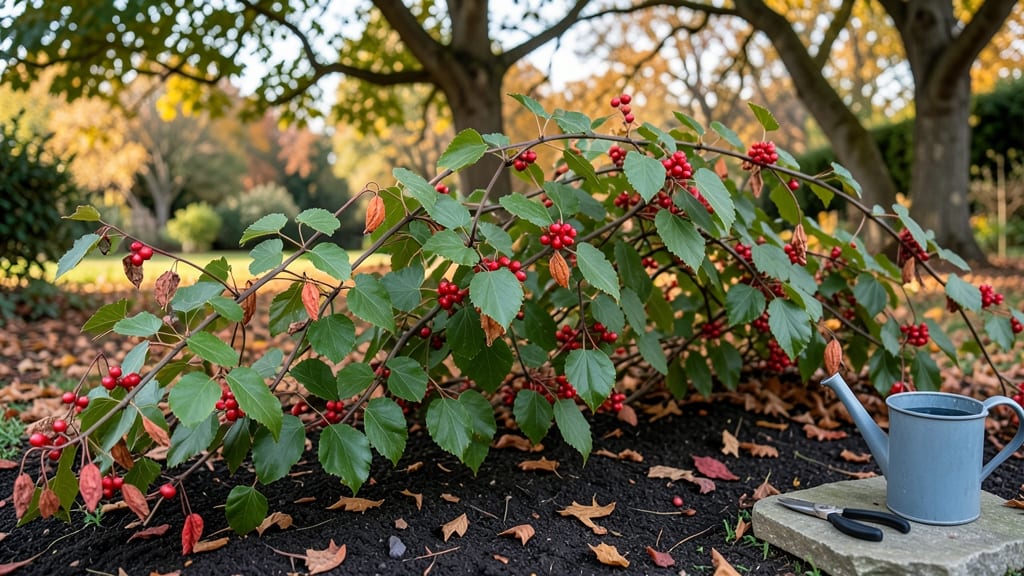
The Red Baron tree delivers the kind of reliable harvests that make neighbors stop and stare—bright red foliage, fragrant spring blooms, and fruit that ripens like clockwork.
I planted mine last October, and by June, it was already laden with tart cherries, while the leaves turned a stunning crimson that lasted through winter. This isn’t just another ornamental tree; it’s a productivity powerhouse that thrives where others fail.
You’ll need full sun—at least 6 hours daily—and well-draining soil that’s slightly acidic (think pine mulch or composted leaves). Watering’s simple: deep soaks once a week after establishment, but never let it sit soggy.
The real magic happens in pruning—open the center annually to keep branches from rubbing, and you’ll get better fruit set and easier harvesting. The tree’s compact size (20-25 feet) makes it perfect for small yards or urban lots.
By midsummer, you’ll be picking clusters of deep red cherries that taste sweeter than store-bought, while the foliage creates a dramatic backdrop for perennials. The tree handles drought and cold down to -25°F, so it’s the only fruit tree I trust in Zone 4.
Even the birds leave some for you—though I’ve learned to net it early if I want any fruit at all.
For best results, plant in early fall or late winter, and avoid heavy nitrogen fertilizers (they boost leaves over fruit). Pair it with spring bulbs for early color, or let it stand alone as a showstopper.
Once established, it’s nearly maintenance-free—just prune, pick, and admire. That’s the Red Baron for you: tough, beautiful, and productive without the fuss.
📚 In This Guide
- What you need
- Instructions
- Tips and common mistakes
- Wrapping up and next steps
What you need
- ● Pruning Shears: Bypass pruners with sharp, bypass blades (2-3 pairs for efficiency). Look for ergonomic handles to reduce hand fatigue.
- ● Loppers: Long-handled loppers (24–36 inches) for thicker branches (½–2 inches in diameter). Opt for ratcheting or bypass models for precision cuts.
- ● Pruning Saw: A curved-tooth pruning saw for branches thicker than 2 inches. Lightweight and compact designs are ideal.
- ● Gloves: Heavy-duty gardening gloves (leather or reinforced) to protect against thorns and splinters.
- ● Disinfectant: Rubbing alcohol (70% isopropyl) or a commercial pruning sealant to sterilize tools between cuts and prevent disease spread.
- ○ Extension Pole: (Optional but helpful) A 3–6 ft telescoping pole with a pruning saw attachment for high branches.
- ● Bucket or Bag: A large, lidded bucket or heavy-duty trash bag to collect pruned branches and debris.
- ● Ladder: A stable, extendable ladder (rated for your height + 3 ft extra) if the tree exceeds 8 feet tall. Always use stabilizers for safety.
- ● Marking Twine or Tape: Colored twine or painter’s tape to tag branches for removal (helpful for complex pruning plans).
- ● Hand Pruners with Ratchet: For extra leverage on stubborn branches without straining your hands.
- ● Pruning Sealant: Tree wound dressing (like Tanglefoot Tree Wound Pruning Seal) to protect large cuts from pests and disease.
- ● Work Apron: A pocketed apron to carry small tools and gloves hands-free.
- ● Safety Glasses: Protect your eyes from debris, especially when using a pruning saw.
- ● Notebook & Pen: To jot down pruning notes (e.g., branch sizes, directions, or seasonal reminders).
Step-by-Step guide for planting and caring for a Red Baron tree
Here's how to grow this cold-hardy favorite with confidence—from planting to harvest.
🌱 Step 1: Choose the Perfect Planting Location
The Red Baron tree thrives in full sun—at least 6-8 hours of direct sunlight daily—so pick a spot where it gets morning sun and afternoon shade if your climate runs hot. I always check the microclimate: trees near buildings or fences may get less sun than open areas. Avoid low spots where cold air settles, as this variety handles cold well but still needs good drainage.
Test the soil by digging a 12-inch hole—if water pools after 30 minutes, amend with compost or sand to improve drainage. The Red Baron tolerates a range of soil types but performs best in slightly acidic to neutral soil (pH 6.0-7.0). A simple soil test kit from your local garden center will tell you if adjustments are needed before planting.
🪴 Step 2: Plant with Proper Spacing and Support
Dig a hole twice as wide as the root ball but no deeper—this prevents root suffocation. Gently remove the tree from its container and loosen any circling roots with your fingers. Place it in the hole so the top of the root ball sits 1-2 inches above ground level—this prevents water from pooling around the trunk.
For a 4-foot tree, space it 15-20 feet from other structures or trees to allow airflow and future growth. I always stake young Red Baron trees if they're in windy areas—use two 4-foot stakes driven into the ground at a 45-degree angle, then tie the trunk loosely with soft tree ties. Avoid cutting into the bark when securing.
☀️ Step 3: Water Deeply and Mulch for Retention
Water the tree deeply right after planting—aim for 10-15 gallons to settle the soil around the roots. Let the top 2 inches of soil dry out between waterings during the first year, then gradually increase the interval as the tree establishes. Overwatering is the #1 killer of young fruit trees, so always check soil moisture before watering.
Spread 3 inches of mulch (like wood chips or straw) in a 3-foot diameter circle around the base, keeping it 6 inches away from the trunk. This conserves moisture, regulates soil temperature, and suppresses weeds. Refresh the mulch annually—never let it pile up against the trunk, as this invites rot.
✂️ Step 4: Prune for Structure and Fruit Production
Prune in late winter or early spring before new growth begins. Remove any dead, diseased, or crossing branches first—these compete with healthy growth. Then, cut back any suckers (shoots growing from the base) to redirect energy to the main tree structure. Use clean, sharp pruners and make cuts just outside the branch collar.
For the Red Baron, I focus on open-center pruning—this means thinning out some branches to improve airflow and sunlight penetration. Aim to keep the tree balanced and upright, removing no more than 25% of the canopy in any one year. Thin fruit clusters in summer to 4-6 inches apart—this ensures larger, higher-quality fruit.
🍎 Step 5: Fertilize and Monitor for Pests
Apply a balanced, slow-release fertilizer (10-10-10) in early spring when new growth appears. Follow package instructions—usually 1 pound per inch of trunk diameter. Avoid high-nitrogen fertilizers, which promote leafy growth at the expense of fruit. I also add 1 cup of compost around the drip line annually to boost soil health.
Watch for apple scab and codling moths, common pests for Red Baron trees. Spray with neem oil or horticultural oil in early spring before buds swell, then again after harvest. For scab, apply a copper fungicide during wet seasons. Regularly inspect leaves and fruit for signs of damage—early intervention prevents major outbreaks.
Tips & tricks for perfect Red Baron tree planting
Took me a while to learn these tricks—here's how to set your Red Baron tree up for a lifetime of reliable harvests.
Sunlight Strategy: In Step 1, when checking for those 6-8 hours of sunlight, I recommend using a sun tracker app for a week first. This helps you pinpoint the exact spot where your tree will get the most consistent light. Morning sun is especially important—it helps dry dew quickly, reducing disease risk. If your yard has afternoon shade, choose a location where the tree gets morning sun and only partial afternoon shade.
Root Ball Preparation: Before planting in Step 2, soak the root ball in water for 30 minutes to hydrate the roots thoroughly. This gives your tree a head start in dry soil. I also make sure to score the bottom of the root ball with a knife before planting—this encourages roots to grow outward into the surrounding soil rather than staying compacted. Just be gentle so you don't damage the main roots.
Watering Wisdom: That initial 10-15 gallons of water in Step 3 is crucial, but don't stop there. I've learned that watering deeply every 7-10 days during the first year works better than frequent light waterings. This encourages deep root growth. Use a moisture meter to check that water penetrates at least 12 inches deep—that's when you know you've watered enough.
Pruning Precision: When pruning in Step 4, I always mark my cuts with a piece of chalk before making them. This helps me visualize the final shape and ensures I'm removing the right branches. For the 4-6 inch spacing on fruit clusters, I use a ruler to measure—it's amazing how much more uniform the fruit becomes when you're precise. Remember to sterilize your pruners with rubbing alcohol between cuts to prevent spreading disease.
Pro Tips for Red Baron Tree
- Took me a while to learn these tricks—here's how to set your Red Baron tree up for a lifetime of reliable harvests.
- Sunlight Strategy: In Step 1, when checking for those 6-8 hours of sunlight, I recommend using a sun tracker app for a week first.
- Root Ball Preparation: Before planting in Step 2, soak the root ball in water for 30 minutes to hydrate the roots thoroughly.
Frequently asked questions
How cold-hardy is the Red Baron tree, and can it survive winter?
The Red Baron is a cold-hardy variety, typically thriving in USDA zones 5-9. With proper winter protection—like mulching the base or wrapping young trees—it can handle temperatures down to 10°F (-12°C). Older trees are even more resilient! Just avoid planting in frost pockets where cold air settles.
When is the best time to prune a Red Baron tree for optimal fruit production?
Prune in late winter or early spring (before buds swell) to shape the tree and remove dead wood. For summer pruning, wait until after harvest to avoid stressing the tree. Never prune in fall—it can stimulate new growth that won’t harden off before winter.
Why aren’t my Red Baron apples ripening evenly, and how can I fix it?
Uneven ripening often stems from inconsistent sunlight or overcrowded branches. Thin out fruit clusters to 6-8 inches apart and prune to improve airflow. If apples are small, check for nutrient deficiencies (add compost or a balanced fertilizer) or pests (like codling moths).
Are there any dwarf or semi-dwarf Red Baron alternatives for smaller spaces?
Yes! Look for Red Baron grafted onto dwarfing rootstock like M.9 or B.9. These stay 8-12 feet tall (vs. 15+ feet for standard trees) and produce just as well. Just ensure they get 6+ hours of sun daily and well-draining soil.
What should I do if my Red Baron tree’s leaves turn yellow or drop prematurely?
Yellowing leaves often signal overwatering, underwatering, or nutrient issues. Check soil moisture (it should be damp but not soggy) and test pH (ideal: 6.0-7.0). If leaves drop early, it could be heat stress—provide afternoon shade or mulch to retain moisture.
Wrapping up and next steps
The Red Baron tree proves that cold-hardy fruit trees aren’t just resilient—they’re rewarding. With its early blooms, sweet-tart berries, and adaptability to chilly climates, it’s a game-changer for gardeners in zones 4-7. Whether you’re a pruning pro or a beginner, this tree delivers reliable harvests with minimal fuss.
Ready to grow your own? Start small: plant one this season, master its care, and watch it thrive. Your future berry pies (and bragging rights) are waiting! 🍒🌱