
Trees
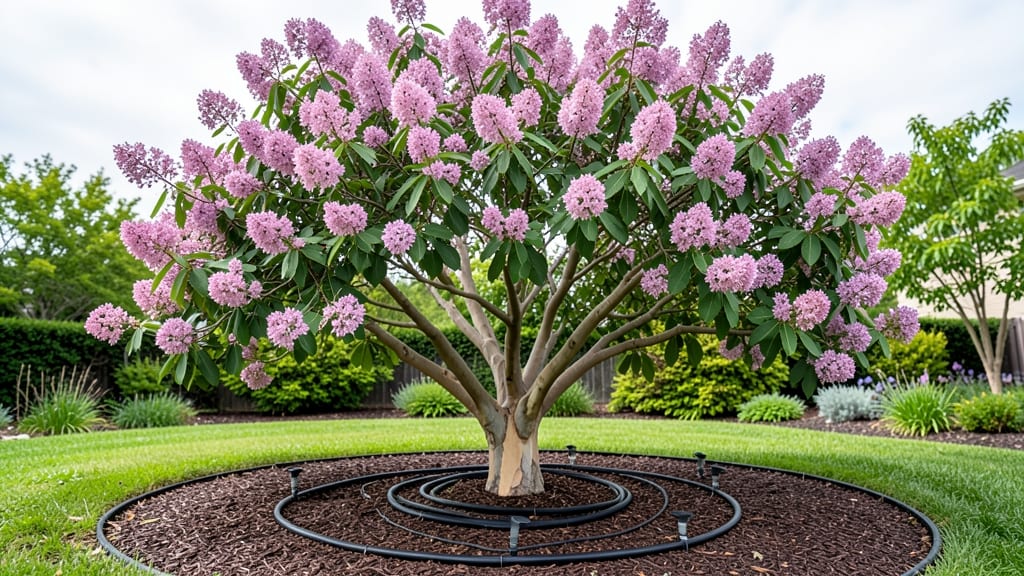
Proper ornamental tree care transforms your yard—think lush maples and magnolias blooming reliably, not just seasonal flashes of glory, all thanks to smart pruning timing. The key lies in understanding when to cut—and when to leave well enough alone.
Most people focus on spring pruning, but the real magic happens across four seasons. Winter’s dormant branches reveal the tree’s natural shape, while summer’s new growth tells you exactly where to trim.
You’ll need basic tools—a sharp pair of pruners, some gloves, and a ladder for taller varieties—and a calendar to mark your pruning dates.
By following this seasonal rhythm, your trees will grow stronger, bloom more abundantly, and resist pests better. Imagine a cherry blossom tree heavy with pink flowers in spring, a maple’s fiery foliage in fall, and a magnolia’s glossy leaves all winter long.
It’s not just about cutting branches—it’s about sculpting living art.
Whether you’re working with a young sapling or a mature shade tree, these techniques adapt to any size or species. The only rule? Start small, observe how your tree responds, and adjust your approach each season. Your trees will thank you for years to come.
📚 In This Guide
- What you need
- Instructions
- Tips and common mistakes
- Wrapping up and next steps
What you need
- ● Pruning Shears: Bypass pruners (for small branches, ¼"–¾" diameter) – 1 pair.
- ● Loppers: Bypass or anvil type (for medium branches, ¾"–2" diameter) – 1 pair.
- ● Pruning Saw: Curved or folding saw (for thick branches, 2"+ diameter) – 1.
- ● Gloves: Heavy-duty, cut-resistant (e.g., leather or synthetic) – 1–2 pairs.
- ● Ladder: Sturdy, extendable aluminum or fiberglass ladder (height depends on tree size) – 1.
- ● Disinfectant: 70% isopropyl alcohol or bleach solution (1 part bleach to 9 parts water) – small spray bottle.
- ○ Pruning Sealer: Optional but recommended for large cuts (e.g., Tanglefoot Tree Wound Pruning Sealant) – small container.
- ● Trash Bags: Heavy-duty for debris collection – 2–3 bags.
- ● Work Clothes: Long sleeves, pants, and closed-toe shoes (protection from sap and branches).
- ● Pole Pruner: Extendable for high branches (10–30 ft reach) – 1.
- ● Tree Wrap: For young or vulnerable trees (e.g., tree guard fabric) – as needed.
- ● Sharpener: File or honing tool for keeping blades sharp – 1.
- ● First Aid Kit: For minor cuts or scrapes – small kit.
- ● Garden Hose: For cleaning tools post-pruning – 1.
- ● Notebook/Pen: To track pruning dates and notes – 1.
- ● ✅ Knowledge of Tree Species: Research your ornamental tree’s specific needs (e.g., flowering trees vs. evergreens).
- ● ✅ Weather Check: Prune on a dry, calm day (avoid wind or rain).
- ● ✅ Safety Briefing: Clear the area of pets, kids, and bystanders.
- ● ✅ Tool Inspection: Ensure all blades are sharp and handles are secure.
Step-by-Step guide to seasonal ornamental tree pruning
Here’s how I keep my trees thriving year-round with simple, seasonal adjustments.
✂️ Step 1: Late Winter Pruning for Structure
Start in late winter (just before buds swell) when the tree is dormant but still visible. This is the best time to remove dead, diseased, or crossing branches—they’re easier to spot without foliage. Use clean, sharp pruning shears to make cuts at a 45-degree angle, about ¼ inch above an outward-facing bud to encourage healthy growth.
I always start with the biggest branches first. Remove any that rub against each other or grow inward—they’ll compete for sunlight and weaken the tree. If a branch is over ½ inch thick, use a pruning saw instead of shears to avoid tearing the bark. After cutting, seal larger wounds with pruning sealant to prevent disease entry.
☀️ Step 2: Early Spring Cleanup for Airflow
Once new leaves begin to form (around mid-spring), focus on thinning out dense areas to improve airflow and sunlight penetration. This prevents fungal diseases like powdery mildew, which love shady, humid conditions. Look for branches that grow too close together—remove every third or fourth to open the canopy.
Here’s the thing—don’t overdo it. You’re not shaping the tree yet, just tidying up. A good rule is to never remove more than 25% of the tree’s foliage in one season. After pruning, give the area a light watering to help the tree recover, especially if the weather has been dry.
✂️ Step 3: Summer Light Pruning for Shape
Summer is for light maintenance—no major cuts, just touch-ups. If you notice branches growing in odd directions (like a limb reaching straight up), trim them back to a side bud to encourage outward growth. This keeps the tree’s natural shape while preventing it from becoming top-heavy.
Watch for suckers (shoots growing from the base or trunk) and remove them immediately. They drain energy from the main tree. Use hand pruners for small branches and loppers for anything thicker than your wrist. Always disinfect your tools between cuts to avoid spreading disease.
🌿 Step 4: Fall Preparation for Winter
In early fall, focus on reducing stress before winter sets in. Remove any branches that look weak or diseased—this prevents pests from hiding in damaged wood over the cold months. Also, trim back any late-season growth that might not harden off before frost.
This is also the time to clean up fallen leaves and debris around the tree’s base. Pile them away from the trunk to prevent rot and pests. If your tree is young or newly pruned, apply a 2-3 inch layer of mulch (but keep it 6 inches away from the trunk) to insulate roots and retain moisture.
⏰ Step 5: Year-Round Monitoring for Health
Check your tree monthly for signs of stress—yellowing leaves, unusual spots, or bark peeling could mean trouble. If you spot pests like aphids or borers, act fast with neem oil or insecticidal soap before they spread. Healthy trees handle pruning better, so address issues early.
Real talk: Pruning isn’t just about cutting—it’s about observation. Notice how your tree responds after each trim. If it drops more leaves than usual or looks wilted, you may have pruned too much. Adjust next time. With consistent care, your tree will reward you with stronger growth and stunning seasonal color for years.
Tips & tricks for perfect ornamental tree care
These simple strategies will help you maintain your trees like a pro without the guesswork.
Tool Preparation: Before you begin pruning, take 5 minutes to clean and sharpen your tools. A dull blade tears bark instead of making clean cuts, which stresses the tree. I like to wipe down my pruners with rubbing alcohol between cuts to prevent spreading disease from one branch to another. This small step makes all the difference in how well your tree recovers after pruning.
Seasonal Timing is Everything: The late winter timing in Step 1 is critical because the tree is dormant but still visible. If you prune too early, you might miss dead branches hidden by snow. If you wait too late, new growth will start, and you'll risk damaging buds. Look for the first signs of bud swelling to know you're at the perfect window for that first major pruning.
Visual Cues for Pruning: In Step 2, when thinning dense areas, use the "third or fourth branch" rule as a starting point—but trust your eyes. If you can see sunlight struggling to reach the center of the tree, that's your cue to remove more branches. Healthy foliage should be evenly distributed, not clustered in one area. This visual check helps prevent over-pruning while ensuring proper airflow.
Post-Pruning Care: After any major pruning session, give your tree a light watering to help it recover. Focus on the root zone rather than soaking the trunk. In Step 4, that 2-3 inch layer of mulch is especially important for newly pruned trees—it helps retain moisture while protecting roots from temperature swings. Just remember to keep mulch 6 inches away from the trunk to prevent rot.
Pro Tips for Ornamental Tree Care
- These simple strategies will help you maintain your trees like a pro without the guesswork.
- Tool Preparation: Before you begin pruning, take 5 minutes to clean and sharpen your tools.
- Seasonal Timing is Everything: The late winter timing in Step 1 is critical because the tree is dormant but still visible.
Frequently asked questions
Got questions about keeping your ornamental trees thriving?
Here are answers to the most common concerns—from pruning timing to troubleshooting pesky issues.
When is the best time to prune ornamental trees?
The ideal time depends on your tree type! For flowering trees, prune right after blooming (late spring/early summer) to avoid cutting off next year’s blossoms. Non-flowering trees (like maples or oaks) can be pruned in late winter or early spring while they’re dormant. Always avoid heavy pruning in fall—it stresses trees before winter.
Can I prune ornamental trees in fall?
Fall pruning is risky for most ornamental trees because it stimulates new growth that won’t harden off before winter. However, light cleanup pruning (removing dead or diseased branches) is safe. If you must prune, focus on evergreens (like pines) or broadleaf evergreens (like holly) in early fall—just avoid heavy cuts.
How do I fix over-pruned ornamental trees?
If your tree looks too bare, don’t panic! Start by watering deeply and fertilizing with a balanced, slow-release fertilizer. Avoid pruning again for a year—let it recover. For severe cases, consult an arborist to assess structural damage or dieback. Patience is key—healthy trees bounce back with proper care!
Are there alternatives to traditional pruning?
Yes! For minimalist care, try selective pruning—only remove dead, diseased, or crossing branches. Pollarding (hard pruning to a stub) works for fast-growing trees like willows or linden. For formal shapes, topiary is a stylish alternative. Just ensure you’re not over-stressing the tree!
Why are my ornamental tree leaves yellowing after pruning?
Yellowing leaves can signal stress from over-pruning, nutrient loss, or fungal infections. Check for uneven cuts (use clean, sharp tools!) and water regularly. If yellowing persists, test soil for nutrient deficiencies (like iron or nitrogen) and apply a chelated fertilizer. Avoid pruning during heatwaves—trees need time to recover!
Wrapping up and next steps
Caring for your ornamental trees doesn’t have to be overwhelming—just follow the seasons! With the right tools, timing, and techniques, you can keep your trees thriving and stunning year-round. Start small, stay consistent, and watch your garden transform!
Ready to take the next step? Bookmark this guide, grab your pruners, and schedule your first seasonal check-in today. Your trees will thank you with vibrant blooms and lush foliage for years to come! 🌿✨