
Trees
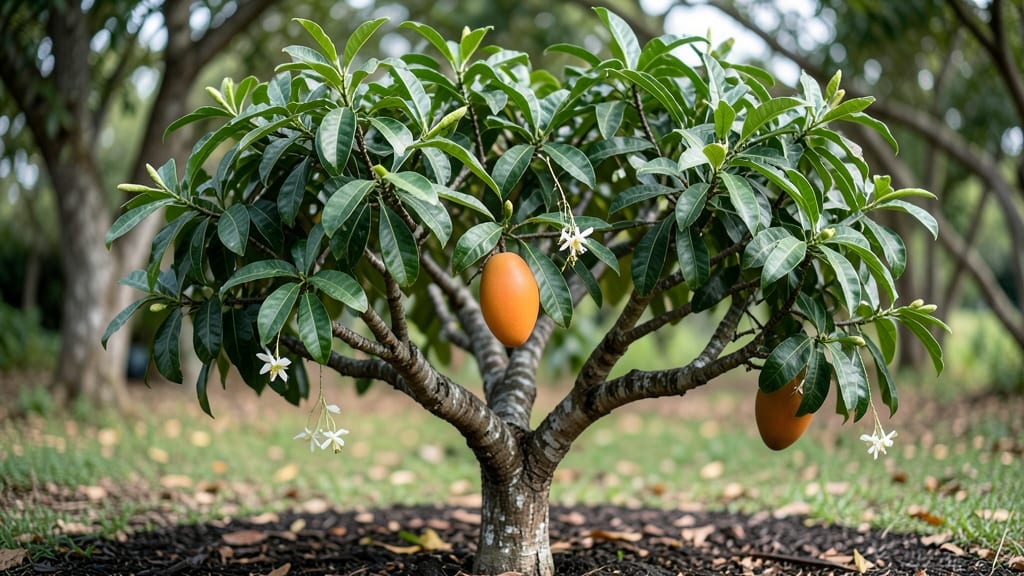
Growing a rare mango tree means bringing exotic fruit flavors straight to your backyard—if you nail the tropical conditions. 🌴 I learned the hard way that common mango advice doesn't apply to heirloom varieties like 'Ice Cream' or 'Haden's Blush,' which demand precise care.
The soil must drain like a sandy beach but retain moisture like a damp sponge, while temperatures need to stay above 60°F year-round.
Most gardeners fail at rare mangoes because they treat them like common citrus. You'll need a 15-gallon container for young trees, well-draining volcanic soil mix, and protection from winds that snap delicate branches.
Propagation gets tricky—seeds produce wild trees, while grafting preserves those coveted rare flavors, but both require patience and a warm microclimate.
By summer's second year, you'll harvest fruits with jewel-toned skins and flavors ranging from peach to caramel. The key is consistent watering (never soggy roots) and winter protection in cooler zones.
Even a single successful harvest makes the effort worth it—imagine slicing into a 'Kensington Pride' mango in July when your neighbors are stuck with store-bought blandness.
For those chasing rare varieties, specialty nurseries like Mango Mania or tropical plant swaps are your best bet. Start small with a container-grown sapling before committing to a permanent spot. The payoff? A tree that produces fruit no grocery store can match—and the bragging rights that come with it.
📚 In This Guide
- What you need
- Instructions
- Tips and common mistakes
- Wrapping up and next steps
What you need
- ● Rare mango variety seeds or grafted sapling: 1-2 seeds (if growing from seed) or
- ● 1 grafted sapling (for faster fruiting, recommended for rare varieties)
- ● Well-draining potting mix: 5-10 gallons (look for a blend with perlite, sand, and compost)
- ● Large container or nursery pot: 15-20 gallons (minimum 24" deep for saplings)
- ● Slow-release fertilizer: 1 lb (balanced 10-10-10 or organic options like fish emulsion)
- ● Mulch: 2-3 inches (straw, wood chips, or coconut coir to retain moisture)
- ● Garden trowel (for planting)
- ● Pruning shears (sterilized, for shaping)
- ● Watering can or hose with a gentle nozzle
- ● pH testing kit (to monitor soil acidity, ideal range: 5.5–7.0)
- ○ Sunlight meter or light meter app (optional, to track 6+ hours of direct sun daily)
- ● Climate: USDA Zones 10–11 (or a greenhouse/indoor setup for colder regions)
- ● Space: 20–30 feet of vertical growth space (or a dwarf variety for containers)
- ● Patience: 3–5 years for fruiting (longer for seed-grown trees!)
- ● Pollination plan: Hand-pollinate with a soft brush if growing indoors or plant near other mango varieties for outdoor trees
- ● Drip irrigation system (for consistent moisture)
- ● Grow lights (if indoor/outdoor hybrid growing)
- ● Epsom salt (for magnesium boosts, 1 tbsp/month)
- ● Fruit thinning shears (to shape future harvests)
Step-by-step instructions for cultivating a rare mango tree
Here's how to transform a tropical vision into a thriving backyard reality.
🌱 Step 1: Select and Prepare the Perfect Planting Site
Choose a spot with full sun exposure for at least 8 hours daily—mango trees demand warmth and light to bear fruit. The soil must drain exceptionally well; mango roots rot quickly in soggy conditions. Amend heavy clay with 2-3 inches of coarse sand or perlite mixed into the top 12 inches of soil to improve aeration.
Test your site's drainage by digging a 12-inch hole and filling it with water. If it doesn't drain within 4-6 hours, raise the planting area by mounding native soil or using a 12-inch deep container with drainage holes. Mango trees hate wet feet—this is non-negotiable. I've seen beautiful trees decline within weeks because of poor drainage, so take this seriously.
🪴 Step 2: Plant Your Rare Mango Tree with Care
Dig a hole twice as wide as the root ball but only as deep—planting too deep suffocates the roots. Gently loosen the root ball if it's tightly bound, spreading roots outward slightly to encourage outward growth. The top of the root ball should sit 1-2 inches above ground level to prevent water pooling at the stem.
Backfill with native soil mixed with compost (about 1 part compost to 3 parts soil) to give your tree a nutrient boost. Water deeply immediately after planting to settle the soil and eliminate air pockets. You'll know you've done it right when the soil surface looks slightly compacted but not muddy.
☀️ Step 3: Establish a Watering and Fertilizing Routine
Water deeply 2-3 times per week during the first year, providing 1-2 gallons per watering depending on pot size or ground area. Let the soil dry out between waterings—mango trees develop shallow roots that need moisture but can't tolerate standing water. After the first year, reduce to 1 deep watering weekly once established, as mature trees develop drought tolerance.
Fertilize monthly from spring through summer with a balanced 6-6-6 or 8-3-9 formula, but cut back to every 6-8 weeks in fall and winter. Too much nitrogen in winter promotes weak growth and fewer flowers. I've found that a slow-release fertilizer in early spring gives my tree consistent energy without the risk of overfeeding.
✂️ Step 4: Prune for Shape and Fruit Production
Prune your mango tree in late winter or early spring before new growth begins. Remove any dead, diseased, or crossing branches first, then open the canopy by thinning out 25% of the interior growth to improve air circulation. This prevents fungal diseases and ensures sunlight reaches all branches—critical for fruit development.
Shape the tree by cutting back 1/3 of the new growth after the first flush of spring leaves appears. This encourages bushier growth and more flowering sites. Avoid heavy pruning in fall, as new growth won't harden off before winter. Watch for water sprouts (suckers) and remove them promptly—they drain energy from fruit production.
🌿 Step 5: Protect and Encourage Fruit Set
Young trees may take 3-5 years to bear fruit, but you can accelerate this by hand-pollinating flowers when they appear. Use a small paintbrush to transfer pollen from one flower to another in the morning when flowers are open. Mango trees often need this help, especially in cooler climates where natural pollinators are less active.
Thin developing fruit when they're 2-3 inches in diameter, leaving only the largest, healthiest-looking fruits. This ensures the remaining fruit grows larger and reduces stress on the tree. I've seen trees drop all their fruit if overloaded—don't let that happen to yours. Mulch around the base with 2-3 inches of organic mulch to retain moisture and regulate soil temperature, which is especially important in hot climates.
Tips & tricks for perfect rare mango tree cultivation
Transforming a tropical dream into a thriving backyard reality takes more than just planting—here's how to give your rare mango tree the best possible start.
Site Selection Insight: The 8 hours of full sun requirement isn't just about light—it's about heat accumulation. South-facing slopes or areas against south-facing walls can add crucial extra warmth. I've found that even in cooler climates, a sunny patio or greenhouse can extend the growing season by several weeks, making all the difference for fruit development.
Drainage Test Hack: That 4-6 hour drainage test is critical, but here's a pro move: add a layer of crushed gravel at the bottom of your planting hole before adding amended soil. This creates a permanent drainage layer that won't compact over time. For container growing, use a pot with drainage holes AND a cache pot underneath to catch excess water.
Planting Depth Technique: The 1-2 inches above ground level recommendation isn't just about aesthetics—it's about preventing root rot. When planting, use a small stake to mark where the root flare (where roots meet trunk) should sit. This visual guide ensures proper depth every time, even if your hole isn't perfectly dug.
Watering Strategy: Those 2-3 waterings per week during the first year should be done in the morning to prevent fungal growth from evening moisture. I've seen dramatic improvements in tree health by watering at the base rather than overhead—this reduces leaf diseases and keeps roots properly hydrated without wasting water through evaporation.
Pro Tips for Rare Mango Tree
- Transforming a tropical dream into a thriving backyard reality takes more than just planting—here's how to give your rare mango tree the best possible start.
- Site Selection Insight: The 8 hours of full sun requirement isn't just about light—it's about heat accumulation.
- Drainage Test Hack: That 4-6 hour drainage test is critical, but here's a pro move: add a layer of crushed gravel at the bottom of your planting hole before adding amended soil.
Frequently asked questions
Got questions about growing a rare mango tree? Here are answers to some of the most common concerns—from planting to troubleshooting—to help you nurture your tropical treasure with confidence!
How long does it take for a rare mango tree to bear fruit?
A rare mango tree typically takes 3 to 5 years to bear fruit from seed, though grafted varieties may produce fruit in 1 to 2 years. Patience is key—provide consistent care (sunlight, water, and nutrients) to speed up the process. Pro tip: Choose a dwarf or semi-dwarf variety if space is limited!
Can rare mango trees survive in colder climates?
Most rare mango trees thrive in USDA Zones 10-11, but some cold-hardy varieties (like 'Julie' or 'Ice Cream') can tolerate brief dips to 28-30°F. In colder regions, grow them in containers and bring them indoors during winter. Mulch heavily and protect young trees with frost cloth for extra defense!
What are the best alternatives if I can’t grow a rare mango tree?
If your climate isn’t ideal, consider these mango-friendly alternatives:
- Avocado trees (hardy to Zone 9)
- Citrus trees (lemon, lime, or orange)
- Papaya (fast-growing, tropical-friendly)
- Dwarf banana trees (edible and ornamental)
For mango lovers, greenhouse growing or indoor hydroponics can also work!
Why are my rare mango tree leaves turning yellow?
Yellow leaves often signal overwatering, nutrient deficiency, or pests. Check the soil—it should be slightly moist but not soggy. Test for iron or nitrogen deficiency (common in mango trees) and amend soil with compost or a balanced fertilizer. Pro tip: Inspect undersides of leaves for spider mites or scale insects!
Do rare mango trees need full sun, or can they tolerate shade?
Mango trees love full sun (6+ hours daily), but young trees can handle partial shade (morning sun + afternoon shade). Too much shade leads to smaller fruit and weaker growth. In hot climates, provide afternoon shade to prevent sunburn on leaves. Pro tip: East-facing windows or dappled shade work for container-grown trees!
Wrapping up and next steps
Growing a rare mango tree in your backyard isn’t just about adding a tropical touch—it’s a rewarding journey that connects you to nature’s sweetest treasures! 🌱 With the right care, patience, and a dash of passion, you can enjoy homegrown mangoes that taste fresher and more flavorful than anything store-bought.
Whether you’re a seasoned gardener or a curious beginner, every step—from soil prep to pruning—brings you closer to that first juicy bite.
Ready to take the next step? Start small:
- Pick one rare variety (like ‘Ice Cream’ or ‘Haden’) to focus on.
- Check your local climate zone to ensure success.
- Join a gardening community for tips and inspiration!