
Pruning
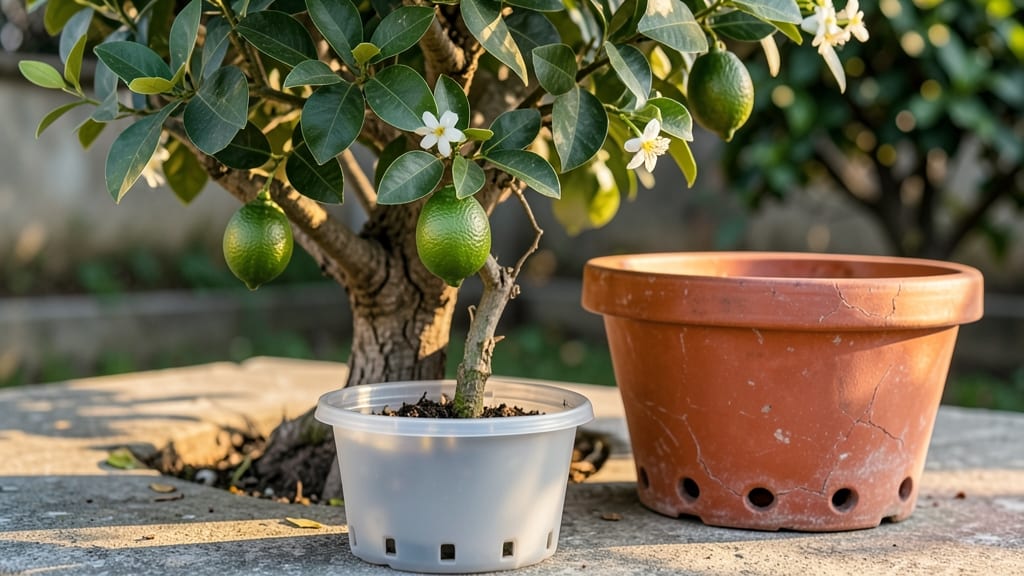
Potting a lemon tree means bringing sunshine and zesty potential to your patio, balcony, or kitchen—no backyard required. 🌱 I’ve wrestled with citrus before, and the difference between a thriving tree and a sad, yellowing specimen comes down to three things: the right pot, the perfect soil mix, and knowing when to move it.
The payoff? Fresh lemons by next summer, even in small spaces.
Start with a pot that’s at least 12 inches wide (bigger for mature trees) and has drainage holes—citrus hates soggy roots. Use a well-draining cactus or citrus mix, amended with perlite or sand to keep moisture in check.
Transplant in early spring or late summer when temperatures are mild, and avoid repotting more than once a year unless roots are circling the pot.
After potting, keep your lemon tree in bright, indirect light (6+ hours daily) and water when the top inch of soil feels dry. A slow-release citrus fertilizer in spring and summer will fuel growth, but don’t overdo it—citrus is sensitive to salt buildup.
With the right setup, you’ll see new leaves in weeks and maybe even a few tiny flowers by next year.
Indoor trees need extra humidity (try a pebble tray) and may need supplemental grow lights in winter, while outdoor trees can handle full sun once temperatures stay above 50°F.
The key is consistency—citrus is finicky but forgiving if you give it what it needs. Let’s get that tree potted right the first time.
📚 In This Guide
- What you need
- Instructions
- Tips and common mistakes
- Wrapping up and next steps
What you need
- ● Container: A pot with drainage holes (12–18 inches in diameter for mature trees; smaller for seedlings). Opt for terracotta or ceramic for breathability.
- ● Well-draining potting mix: 50% citrus-specific mix + 50% perlite or coarse sand (sterilized). Avoid garden soil!
- ● Lemon tree: A healthy nursery-grown seedling or a transplanted young tree (3–5 feet tall).
- ● Tools: Trowel or spade
- ● Gloves (to protect from sap)
- ● Watering can (with a fine rose)
- ○ Optional but helpful: Slow-release citrus fertilizer (follow package rates)
- ● Mulch (orchid bark or pine needles for moisture retention)
- ● Support stake (for top-heavy trees)
- ● pH test kit (ideal range: 6.0–7.0)
Step-by-step instructions for potting a lemon tree
Here’s how I’ve successfully kept lemon trees thriving in containers for years—no green thumb required.
🪴 Step 1: Choose the Right Pot and Drainage
Start with a container at least 12 inches deep and wide—lemon trees need room for roots to spread. I use unglazed terra cotta because it breathes and prevents root rot, but any pot with multiple drainage holes works. If your pot lacks holes, drill 3-4 ¼-inch holes in the bottom to avoid soggy soil.
Place a 2-inch layer of gravel or broken pottery at the bottom before adding soil. This creates an air gap that prevents water from pooling around the roots. Lemon trees hate wet feet—this simple step saves them from root rot every time.
🌱 Step 2: Select and Prepare the Soil Mix
Fill the pot with a well-draining citrus potting mix—never regular garden soil. I blend 50% premium potting mix, 30% perlite or pumice, and 20% compost for extra nutrients. This mix stays loose enough to prevent compaction while holding enough moisture for citrus roots.
Moisten the mix with warm water until it’s damp but not soggy. Stick your finger 1 inch deep—if it feels dry, add a little more water. Overwatering now will only cause problems later, so err on the drier side. Lemon trees prefer slightly dry soil over soggy conditions.
☀️ Step 3: Plant and Position for Success
Gently remove the lemon tree from its current pot and loosen the roots if they’re tightly bound. Place it in the center of the new pot, ensuring the root flare (where roots meet the trunk) sits just above the soil line. This prevents the trunk from rotting underground.
Fill in around the roots with the prepared mix, pressing lightly to remove air pockets. Water deeply until it drains from the bottom holes. Position the pot in bright, indirect light—a south or west-facing window is ideal. Lemon trees need 6-8 hours of sunlight daily, but direct midday sun can scorch tender leaves.
💧 Step 4: Water and Fertilize for Long-Term Health
Water when the top 2 inches of soil feel dry—about once a week in warm weather, less in winter. Stick your finger in the soil to check; if it’s damp, wait another day. Overwatering is the #1 killer of potted citrus, so I always double-check before watering.
Feed the tree every 4-6 weeks with a balanced citrus fertilizer (like 6-6-6 or 8-3-9). I mix the fertilizer into the top inch of soil and water it in. This ensures steady nutrition without burning the roots. Lemon trees are heavy feeders, so don’t skip this step!
✂️ Step 5: Prune and Maintain Year-Round
Prune in late winter or early spring before new growth starts. Remove any dead, diseased, or crossing branches with clean, sharp pruners. I also trim back leggy growth to encourage a bushier shape. Pruning stimulates airflow, which reduces the risk of fungal issues.
Rotate the pot quarter-turn weekly so the tree grows evenly toward the light. Watch for yellow leaves—this usually means overwatering or nutrient deficiency. Adjust care based on what you see: more light, less water, or a fertilizer boost. A healthy lemon tree should have deep green, glossy leaves and no signs of stress.
Tips & tricks for potting a lemon tree
Here's what I wish I knew years ago about keeping container-grown lemon trees thriving indoors.
Pot Selection Strategy: While terra cotta is ideal, plastic pots actually retain moisture better in dry climates—just be extra vigilant about drainage. I've found that glazed ceramic pots can trap too much moisture, so avoid those unless you're in a very humid environment. The 12-inch minimum size is non-negotiable for mature trees, but you can start with slightly smaller pots for young seedlings.
Soil Mix Secrets: That 50-30-20 blend works wonders, but here's the thing: if you can't find citrus-specific mix, substitute the perlite with coarse sand instead. The key is creating that airy texture—citrus roots need oxygen as much as water. I always add a handful of orchid bark chips to my mix for extra drainage, especially in winter when watering slows down.
Light Positioning: Those 6-8 hours of sunlight are critical, but don't assume your window qualifies. Test your spot with a simple experiment: place a white piece of paper in the sunniest window for a week. If it gets dark spots in less than 4 hours, you'll need supplemental grow lights. South-facing windows get the most consistent light, but west-facing windows actually provide more intense afternoon sun that lemon trees love.
Watering Wisdom: The finger test is foolproof, but here's a pro move: use a moisture meter for the first few weeks to train your hand. I've caught overwatering too late because I thought the soil was dry when it wasn't. In winter, reduce watering to every 2-3 weeks—citrus trees go semi-dormant and need less moisture. Always water until it runs freely from the drainage holes to ensure the roots get properly hydrated.
Pro Tips for Potting A Lemon Tree
- Here's what I wish I knew years ago about keeping container-grown lemon trees thriving indoors.
- Pot Selection Strategy: While terra cotta is ideal, plastic pots actually retain moisture better in dry climates—just be extra vigilant about drainage.
- Soil Mix Secrets: That 50-30-20 blend works wonders, but here's the thing: if you can't find citrus-specific mix, substitute the perlite with coarse sand instead.
Frequently asked questions
Got questions about potting a lemon tree?
You’re not alone! Here are answers to the most common concerns—whether you’re a first-time citrus grower or troubleshooting a tricky situation.
When is the best time to repot a lemon tree?
Repot your lemon tree in early spring (before new growth starts) or late winter. Avoid repotting in summer or fall—this can stress the tree and disrupt fruiting. If you must repot outside these windows, do it on a cool, overcast day to minimize shock.
How often should I water my potted lemon tree?
Water when the top 1–2 inches of soil feel dry (stick your finger in to check!). Lemon trees in pots dry out faster than in-ground plants, so aim for 1–2 times per week in summer and every 10–14 days in winter. Overwatering is a common killer—always ensure pots have drainage holes!
Can I use regular potting soil for my lemon tree?
Nope! Lemon trees thrive in well-draining, slightly acidic soil (pH 6.0–7.0). Mix 50% citrus-specific potting mix with 50% perlite or sand for aeration. Avoid garden soil—it compacts and holds too much moisture, leading to root rot. Pro tip: Add a handful of compost for nutrients!
How do I protect my lemon tree in winter?
If temps drop below 40°F (4°C), move your potted lemon tree indoors near a sunny window or under grow lights. If outdoors, wrap the pot in burlap and cover with a frost cloth. Reduce watering in winter—roots grow slower, so let the soil dry out more between waterings.
Why isn’t my lemon tree fruiting?
Lemon trees need full sun (6+ hours/day), consistent care, and time—dwarf varieties can take 2–3 years to bear fruit! Check for these issues:
- Lack of sunlight → Move to a sunnier spot.
- Over/under-watering → Adjust your routine.
- Nutrient deficiency → Fertilize with citrus-specific food in spring/summer.
- Stress from repotting → Wait until next spring to repot.
What if my lemon tree looks leggy or sparse?
Leggy growth usually means too little light or over-pruning. Trim back overly long branches to encourage bushier growth, and rotate the pot quarter-turns weekly for even sunlight. If indoors, supplement with a grow light 12–14 hours/day.
Wrapping up and next steps
Potting a lemon tree is a rewarding journey that brings a taste of sunshine to your home—literally! 🌱 With the right container, soil, and care, you’ve got everything you need to nurture a thriving citrus plant year-round.
Remember, patience and consistency are key, whether you’re repotting for growth or troubleshooting issues like root rot or pests.
Now that you’re equipped with the knowledge, go ahead and give your lemon tree the love it deserves! Next, consider pruning for shape and health or exploring how to encourage blooming—your citrus adventure is just getting started! 🍋✨