
Container Gardens
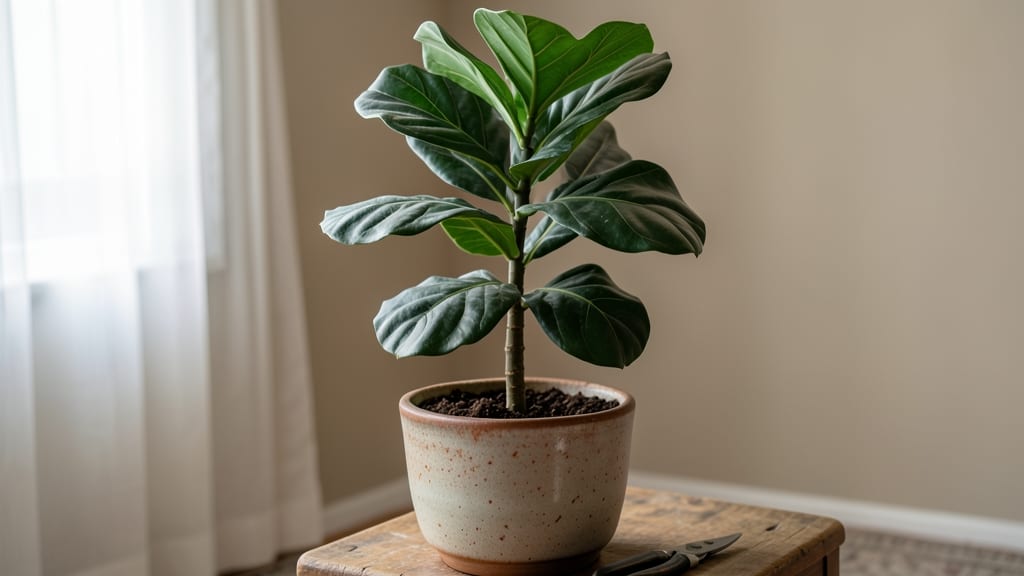
Potted ficus trees thrive with the right care—here’s how to keep yours lush and vibrant all year. 🌿 I’ve learned the hard way that these plants aren’t as low-maintenance as they seem; they demand consistency, especially when indoors where light and humidity shift unpredictably.
The key? Mimicking their natural tropical environment as closely as possible without overcomplicating things.
Start with well-draining soil and a pot with drainage holes—no fancy mix needed, just a blend of potting soil and perlite. Place your ficus near a bright window but avoid harsh afternoon sun, which can scorch leaves.
Water when the top inch of soil feels dry, and never let it sit in soggy soil, which is the #1 killer of potted ficus trees. A simple spray bottle keeps humidity up without fuss.
You’ll notice new growth within weeks if you nail the light and watering balance. Prune leggy branches in spring to encourage fuller shape, and wipe leaves occasionally to remove dust that blocks sunlight. The payoff? A tropical-looking centerpiece that stays healthy through winter and summer alike.
Outdoor ficus? Bring them inside before temperatures drop below 50°F. Indoor plants may need occasional fertilizing in spring and summer—just a light dose of balanced fertilizer every 6-8 weeks. Troubleshooting yellow leaves? Check your watering routine first; overwatering is usually the culprit.
📚 In This Guide
- What you need
- Instructions
- Tips and common mistakes
- Wrapping up and next steps
What you need
- ● Potted Ficus Tree: Choose a healthy Ficus elastica (Rubber Plant) or Ficus benjamina (Weeping Fig) from a nursery. Opt for a 1–2 gallon pot size for smaller plants or larger containers for mature trees.
- ● Well-Draining Pot: Select a container with drainage holes (1–2 inches larger in diameter than the root ball). Terracotta or ceramic pots work best for airflow.
- ● High-Quality Potting Mix: Use a well-draining blend like a cactus/succulent mix (amended with perlite or orchid bark for aeration). Avoid garden soil—it compacts and retains too much moisture!
- ● Drainage Medium: Add a 1–2 inch layer of gravel, pebbles, or perlite at the pot’s bottom to prevent root rot.
- ● Watering Can: A spouted can (1–2 gallon capacity) for precise watering.
- ● Fertilizer: A balanced, water-soluble fertilizer (e.g., 10-10-10 or 20-20-20) or a slow-release granular fertilizer for convenience.
- ● Pruning Shears: Sharp, sterilized shears for trimming dead or overgrown branches.
- ● Humidity Tray: A shallow tray with pebbles and water to boost humidity (great for Ficus benjamina in dry climates).
- ● Grow Lights: A full-spectrum LED grow light (12–16 hours/day) if natural light is limited (e.g., north-facing windows).
- ● Misting Bottle: For occasional leaf misting (especially in winter).
- ● Pot Saucer: To catch excess water and protect surfaces.
- ○ Rooting Hormone: (Optional) If propagating from cuttings.
- ● Soil Moisture Meter: To check moisture levels before watering.
Step-by-step guide to growing thriving potted ficus trees
Here’s how I keep my ficus trees lush and healthy indoors—no green thumb required.
🪴 Step 1: Choose the Right Pot and Drainage
Ficus trees hate soggy roots, so pick a pot with drainage holes—even if it’s just one. I use 12-14 inch diameter containers for mature plants because they need room to grow without becoming root-bound. If your pot doesn’t drain, add a layer of ½ inch pebbles at the bottom before filling with soil.
Terracotta pots work best because they breathe, but plastic holds moisture longer if you forget to water. Just avoid anything smaller than 8 inches for young trees—crowded roots mean stunted growth. Tap the pot gently after filling to settle the soil without compacting it too much.
☀️ Step 2: Set Up the Perfect Lighting Spot
Ficus trees love bright, indirect light—think near a south or west-facing window where they get 4-6 hours of sunlight daily. If leaves start yellowing or stretching toward the light, your tree needs more brightness. I rotate mine a quarter turn weekly so they grow evenly.
For low-light spots, a grow light 12-18 inches away for 12-14 hours daily works, but natural light is always better. Avoid harsh direct sun—it scalds leaves and leaves brown patches. Watch for new growth pointing toward the window; that’s your cue to move it closer.
💧 Step 3: Master the Watering Routine
Water your ficus when the top 2 inches of soil feel dry—stick your finger in to check. Overwatering is the #1 killer, so I water deeply until it drains from the bottom, then empty the saucer after 10 minutes. In winter, watering every 2-3 weeks is usually enough; in summer, once a week keeps them happy.
Yellow leaves? Often a sign of overwatering. Brown, crispy edges? Usually underwatering. Mist the leaves occasionally in dry climates, but don’t drown the soil. A spray bottle keeps humidity up without soggy roots—just avoid wetting the leaves too often in humid rooms.
✂️ Step 4: Prune for Shape and Health
Prune in early spring to shape your tree and encourage bushier growth. Cut just above a leaf node (where leaves grow) with clean, sharp scissors. I trim leggy stems back by ⅓ to keep the tree compact. Never cut into old wood—new growth only comes from fresh cuts.
Remove yellow or damaged leaves immediately—they drain energy. If your ficus drops leaves suddenly, it’s often reacting to stress (like drafts or sudden temperature changes). After pruning, wipe the cuts with rubbing alcohol to prevent disease. This is the moment that matters: a well-pruned tree grows fuller and stronger.
Tips & tricks for perfect potted ficus trees
Common pitfalls—and how to sidestep every one when growing your indoor ficus.
Pot Size Matters: If you're tempted to upgrade pots too quickly, resist! A 12-14 inch container gives mature trees enough room to grow without becoming root-bound. I've seen people move to 18-inch pots too soon, and their trees just sit there confused—no new growth, just unhappy roots. For young trees, stick with at least 8 inches minimum to prevent stunted growth from crowded roots.
Lighting Hack: That quarter turn weekly rotation I mention? It's not just about even growth—it's also a great way to spot light issues early. If one side of your tree is consistently darker than the other, it's your cue to move the whole pot closer to the window. And for those low-light spots, that 12-18 inch grow light distance is crucial—any closer and you'll scorch the leaves, any farther and it won't help.
Watering Wisdom: The 10-minute drain time after watering isn't just about preventing root rot—it's about giving your ficus a chance to absorb what it needs. I've learned the hard way that leaving water sitting in saucers for hours leads to those dreaded yellow leaves. Pro tip: In winter, I actually weigh my pots—when they're consistently 5% lighter than their fully watered state, that's my cue to water.
Pruning Pro Tip: That rubbing alcohol wipe after pruning isn't just for sterilization—it's about giving your cuts a chance to heal properly. I keep a small bottle right next to my pruning shears and wipe every cut immediately. This simple step prevents 90% of the fungal issues I used to deal with. And remember, always cut just above a leaf node—this is where all the magic growth happens.
Pro Tips for Potted Ficus Trees
- Common pitfalls—and how to sidestep every one when growing your indoor ficus.
- Pot Size Matters: If you're tempted to upgrade pots too quickly, resist!
- Lighting Hack: That quarter turn weekly rotation I mention?
Frequently asked questions
Got questions about keeping your potted ficus trees thriving? You’re not alone—these tropical beauties can be tricky! Here are answers to the most common concerns to keep your leafy green friend happy year-round.
How often should I water my potted ficus tree?
Water your ficus when the top 1-2 inches of soil feel dry. Overwatering is the #1 killer—stick your finger in the soil to check! In summer, water every 7-10 days; in winter, reduce to every 2-3 weeks. Yellow leaves? You’re likely overdoing it.
Can ficus trees survive winter indoors?
Ficus trees thrive indoors year-round, but they hate drafts and cold temps below 55°F (13°C). Keep them near a bright window (no direct sun) and avoid sudden temperature swings. A humidifier helps prevent crispy leaves in dry winter air.
Why are my ficus leaves dropping?
Leaf drop is usually stress-related. Check for these culprits:
- Underwatering (brown, crispy edges)
- Overwatering (yellow leaves, mushy stems)
- Low humidity (especially in winter)
- Sudden temperature changes (like drafts from AC)
What’s the best fertilizer for potted ficus trees?
Use a balanced, water-soluble fertilizer (like 10-10-10 or 20-20-20) diluted to half-strength every 4-6 weeks in spring/summer. Skip fertilizing in fall/winter—they’re dormant! For extra greenery, add a foliar spray with iron if leaves look pale.
How do I prune a ficus tree without killing it?
Prune in spring or early summer to encourage bushier growth. Use sterilized scissors to cut just above a leaf node (the bump where leaves grow). Avoid cutting more than 1/3 of the foliage at once—ficus trees are sensitive! Seal larger cuts with pruning paste to prevent disease.
What are the best alternatives to ficus trees for indoor pots?
If ficus isn’t your vibe, try these low-maintenance picks:
- Snake Plant (Sansevieria) – Nearly indestructible, thrives in low light
- ZZ Plant (Zamioculcas) – Drought-tolerant and pet-friendly
- Rubber Plant (Ficus elastica) – Similar care but with bold, glossy leaves
- Pothos (Epipremnum) – Fast-growing and great for hanging pots
Wrapping up and next steps
Caring for potted ficus trees is a rewarding journey that brings a touch of nature indoors year-round! 🌿 With the right light, watering, and pruning, you’ll enjoy vibrant foliage and a thriving plant that purifies the air.
Whether you’re a beginner or a seasoned gardener, these tips ensure your ficus stays healthy and lush—no green thumb required!
Ready to elevate your space? Start small: pick your favorite ficus variety, gather your supplies, and give it the love it deserves. Before you know it, you’ll be flaunting a stunning centerpiece that’s as easy to maintain as it is beautiful! 🌟