
Companion Plants
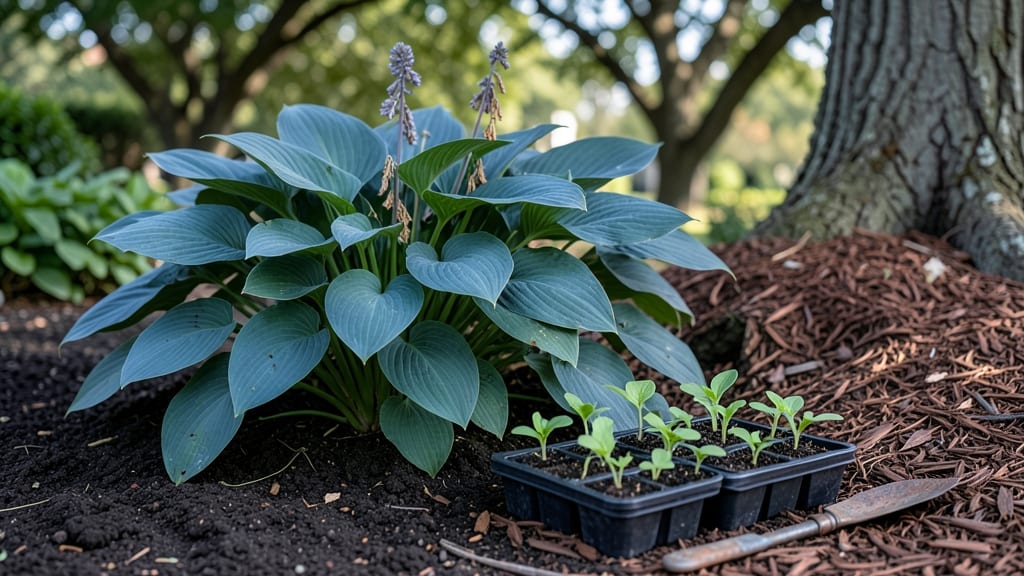
Covering tree stumps with fast-growing plants turns an eyesore into a lush garden feature—no more staring at that stump while your yard looks unfinished. 🌱 I’ve transformed bare stumps into vibrant mini-gardens using shade-tolerant perennials and hardy ground covers that thrive where grass won’t. The key is choosing plants that spread quickly, handle root competition, and won’t get crowded out by nearby trees.
For fast results, focus on native options like creeping phlox or ajuga—they smother bare soil in weeks while requiring almost no maintenance. Other top picks include hostas for shade, sedum for sun, or even ferns if your stump sits in damp ground.
These plants handle poor soil, irregular watering, and even some root competition better than turfgrass ever could.
By summer’s end, your stump will disappear under a carpet of green, and you’ll have a low-maintenance garden feature that attracts pollinators. The best part? These plants keep spreading, filling gaps and suppressing weeds naturally.
Ready to turn that stump into a design statement? Let’s pick the perfect plants for your space.
Works in any yard—urban, suburban, or woodland—just match the plant to your light conditions. Sun-loving sedum for open areas, shade-tolerant pachysandra for wooded spots. The transformation happens faster than you’d expect, and once established, these plants need almost no care. Let’s get growing!
📚 In This Guide
- What you need
- Instructions
- Tips and common mistakes
- Wrapping up and next steps
What you need
- ● Fast-growing ground cover plants: Choose from options like creeping thyme, clover, moss, or ornamental grasses. You’ll need about 10–20 plants per stump, depending on its size (small stumps: 10 plants; large stumps: 20+ plants).
- ● High-quality mulch: 2–3 bags (3–4 cubic feet each) of organic mulch (e.g., wood chips, straw, or pine needles) to retain moisture and suppress weeds.
- ● Compost or fertilizer: A 5–10 lb bag of balanced, slow-release fertilizer (10-10-10 or similar) to nourish your plants.
- ● Garden soil or topsoil: 1–2 cubic feet to amend the stump’s surface if it’s bare or rocky.
- ● Garden gloves: A pair to protect your hands from rough edges or debris.
- ● Hand trowel or small shovel: For planting and spreading soil/mulch.
- ● Watering can or hose with a gentle spray nozzle: To keep plants hydrated during the initial growth phase.
- ● Pruners or shears: For trimming excess plant growth or shaping your cover.
- ● Stump cover fabric: A breathable landscape fabric to block weeds while allowing water to penetrate (cut to fit the stump’s diameter).
- ● Mulch rings or edging: To keep mulch in place and create a neat border around the stump.
- ● Slow-release watering system: Like a small drip irrigation kit to automate watering for the first few weeks.
- ● Decorative stones or pebbles: For a polished look if you’re going for a rock garden aesthetic.
- ● Stump sealant (if needed): To prevent rot or pests from emerging from the old stump (apply before planting).
Step-by-Step guide for transforming tree stumps into lush ground cover
Here's how to turn bare stumps into vibrant, low-maintenance garden spaces.
🌱 Step 1: Prepare the Stump Surface for Planting
Start by removing any debris or loose bark from the stump's top surface using a putty knife or wire brush. The goal is to expose fresh, clean wood that will allow roots to anchor properly. I like to rough up the edges slightly—this creates more surface area for root attachment and prevents plants from sliding off later.
Next, create small planting pockets with a drill or chisel. Space these about 6 inches apart in a circular pattern around the stump's perimeter. These pockets should be about 2 inches deep—deep enough to accommodate root balls but shallow enough to prevent water pooling. Real talk: if your stump is particularly large, you might need to make these pockets deeper, but never exceed 3 inches or you risk drowning the roots.
💧 Step 2: Choose and Plant Fast-Growing Ground Covers
For quick coverage, I recommend creeping thyme, moss, or clover—all of which establish within 4-6 weeks under the right conditions. Start by placing small plugs or cuttings directly into the drilled pockets. Press them gently but firmly into the wood so they make contact with the raw surface. You'll see new growth within 7-10 days if moisture and light conditions are ideal.
Water immediately after planting to help settle the roots into the pockets. Use a watering can with a narrow spout to direct moisture straight to the base of each plant. Avoid overhead watering—it washes plants out of the shallow pockets. Here's the thing: these plants thrive on consistent moisture but hate soggy conditions, so water every 2-3 days until you see signs of new growth.
☀️ Step 3: Optimize Light and Maintenance for Rapid Growth
Most fast-growing ground covers need at least 4-6 hours of sunlight daily to establish quickly. If your stump is in a shaded area, opt for moss or shade-tolerant creeping jenny instead. These varieties may take 2-3 weeks longer to show significant growth, but they'll still fill in beautifully over time.
Once planted, resist the urge to fertilize. The goal is fast establishment, not lush foliage at this stage. Instead, focus on weekly light mulching with 1 inch of shredded bark around the stump's base. This retains moisture, suppresses weeds, and protects roots from temperature swings. You'll notice the ground cover thicken noticeably within 4-6 weeks—that's when you know it's working.
✂️ Step 4: Encourage Spread and Fill Gaps Strategically
After 6-8 weeks, your ground cover should have spread enough to create a natural carpet. If you see bare spots, simply snip healthy sections from established areas with clean pruners and press them into the gaps. This technique, called "division," is how ground covers expand naturally and fills in quickly.
For stumps larger than 12 inches in diameter, you may need to plant in concentric circles to ensure full coverage. Start with the center and work outward, spacing plants 3-4 inches apart for dense growth. Watch for leaf yellowing—this usually means overwatering or poor drainage. Adjust your watering schedule immediately if you see this happen.
Tips & tricks for perfect tree stump ground cover
Transforming bare stumps into lush landscapes isn't just about planting—it's about creating the ideal conditions for rapid, natural growth. Here's what I've learned after watching several stumps flourish in my own garden.
Surface Preparation Secret: When roughing up the stump surface in Step 1, focus on creating a textured surface—not just removing debris. I use a wire brush to gently abrade the wood, creating tiny grooves where roots can interlock. This isn't just about aesthetics; those micro-crevices become natural anchors for your ground cover, preventing slippage during heavy rains. Think of it as giving your plants a built-in root system boost from day one.
Planting Pocket Precision: The 6-inch spacing for planting pockets in Step 1 might seem generous, but trust me—this spacing is critical for air circulation. Too close, and you'll create a damp, suffocating environment where fungal issues thrive. For larger stumps where you might need deeper pockets (up to 3 inches), I recommend using a mallet to gently tap the drill bit—this prevents splintering and creates cleaner, more defined pockets that hold soil better.
Sunlight Strategy: The 4-6 hours of daily sunlight mentioned in Step 3 is non-negotiable for most ground covers, but here's the nuance: morning sun is actually better than afternoon for stump gardens. Morning sunlight provides gentle warmth without the intense heat that can dry out shallow roots. If your stump gets afternoon sun, consider planting shade-tolerant varieties like creeping jenny in the hottest areas while keeping sun-lovers on the cooler sides.
Watering Wisdom: That "every 2-3 days" watering schedule in Step 2 needs context—it's ideal for spring and fall, but summer conditions demand adjustments. During peak heat, I water my stump gardens every morning for 10 minutes using a soaker hose instead of a watering can. This simulates natural rainfall while preventing the overhead watering that washes plants out of their pockets. The key is keeping the wood consistently moist but never soggy—you should see water beading up on the surface after each session.
Pro Tips for Plants To Cover Tree Stumps
- Transforming bare stumps into lush landscapes isn't just about planting—it's about creating the ideal conditions for rapid, natural growth.
- Surface Preparation Secret: When roughing up the stump surface in Step 1, focus on creating a textured surface—not just removing debris.
- Planting Pocket Precision: The 6-inch spacing for planting pockets in Step 1 might seem generous, but trust me—this spacing is critical for air circulation.
Frequently asked questions
Got questions about covering tree stumps with plants? You’re not alone! Here are some of the most common queries—and their practical answers—to help you transform that eyesore into a lush, functional space.
What’s the fastest-growing ground cover for tree stumps?
For quick results, opt for creeping thyme, clover, or moss. These spread rapidly (some within weeks!) and suppress weeds while adding texture. If you’re patient, hostas or heucheras offer long-term beauty but take a season or two to fill in.
How long does it take for plants to fully cover a stump?
Timing depends on the plant: moss can blanket a stump in 3–6 months with consistent moisture, while vines like ivy might take 1–2 years. Fast growers like creeping Jenny or sweet potato vine can cover smaller stumps in as little as 6–12 months. Patience pays off—thicker coverage protects the stump from rot!
Can I use mulch instead of plants to cover a stump?
Mulch is a great temporary or long-term solution—just avoid piling it too high (keep it 2–4 inches deep) to prevent moisture buildup and rot. For a living cover, pair mulch with slow-spreading plants like sedum or ajuga for a low-maintenance hybrid approach.
Will covering a stump attract pests or fungi?
Not if you choose the right plants! Avoid rotting wood or damp conditions by ensuring good drainage. Opt for drought-tolerant ground covers like sedge or lichen, which deter pests. If the stump is old or decaying, consider removing it first—otherwise, keep the area well-aerated to prevent fungal growth.
What if my plants stop growing or turn brown?
Brown or stunted plants often signal overwatering, poor drainage, or root competition. Check soil moisture (most ground covers prefer it slightly dry) and ensure the stump isn’t blocking sunlight. Trim back dead foliage and fertilize lightly with compost. If the issue persists, switch to hardier species like creeping phlox or world grass.
Wrapping up and next steps
Transforming an old tree stump into a thriving garden feature is easier—and more rewarding—than you might think! 🌱 From fast-growing ferns to bold hostas, the right ground cover not only hides unsightly stumps but also adds beauty and function to your landscape.
Whether you prioritize speed, low maintenance, or wildlife support, there’s a perfect plant waiting for you.
Ready to take the next step? Start by assessing your stump’s size, sunlight, and soil conditions—then pick your top contender from this list. Grab your gardening gloves, and let nature work its magic! 🌿