
Pruning
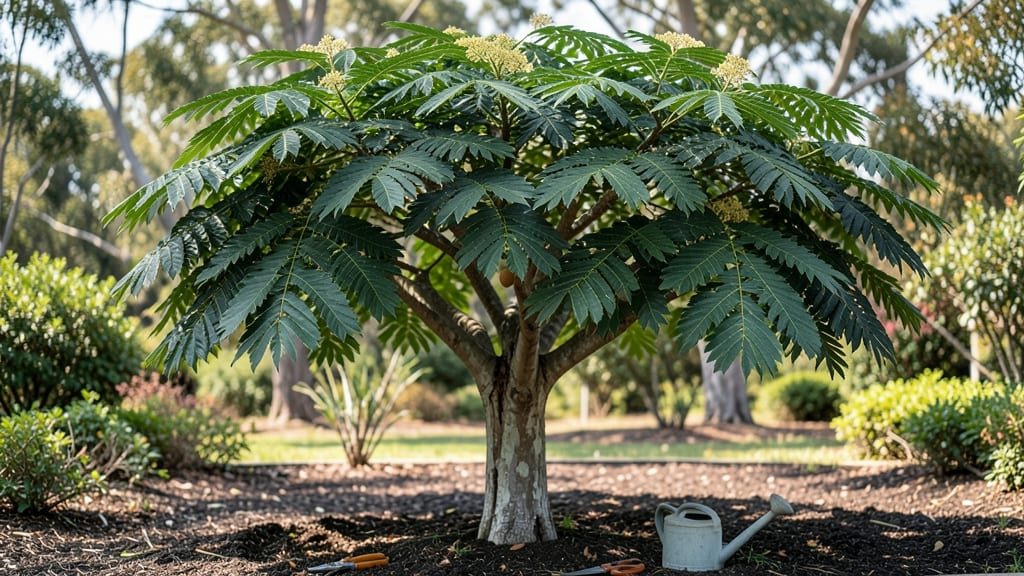
African mahogany trees (Khaya senegalensis) grow into stately giants with strong, sturdy branches—if you prune them right from the start.
I’ve watched mine transform from scraggly saplings into smooth-barked beauties with just a few strategic cuts each year, and the difference in their health is night and day.
The key isn’t just trimming dead wood—it’s shaping the tree’s structure while it’s young so it can handle storms, pests, and years of growth without splitting or weakening.
These trees thrive in tropical and subtropical climates where winters stay above 40°F, but even in the right zone, their first few years set the tone for their entire life.
You’ll need well-draining soil, bright indirect light (they hate harsh afternoon sun when young), and patience—because the real magic happens when you prune just enough to encourage outward growth rather than letting them grow tall and leggy.
A sharp bypass pruner and a ladder are your best friends here, but the real secret is timing: prune in late winter or early spring before new growth starts.
What you’ll end up with is a tree that’s disease-resistant, fast-growing, and structurally sound—the kind that stands for decades without needing constant support. The branches develop strong crotches (where limbs meet the trunk), reducing the risk of splitting in heavy winds, and the foliage stays dense and glossy year-round.
Plus, the wood becomes increasingly valuable as the tree matures, making this a double win for both your landscape and your future firewood or furniture projects.
Whether you’re growing one as an ornamental centerpiece or eyeing it for timber, the pruning techniques I’ve perfected over the years work for both young saplings and mature trees.
The same principles apply whether you’re shaping a single-trunk specimen or allowing it to grow into a multi-stemmed beauty—it’s all about balance. Let’s get those branches strong and healthy for the long haul.
📚 In This Guide
- What you need
- Instructions
- Tips and common mistakes
- Wrapping up and next steps
What you need
- ● Pruning shears: Bypass shears (for clean cuts on small branches, 6–8" blades). 1 pair (sterilized with rubbing alcohol).
- ● Loppers: Bypass or anvil type (for thicker branches, 18–24" reach). 1 pair.
- ● Pruning saw: Curved-tooth saw (for branches >2" diameter). 1.
- ● Gloves: Heavy-duty, cut-resistant (to protect from thorns and sap). 1 pair.
- ● Safety gear: Safety glasses (to shield from debris).
- ● Long sleeves/pants (for sap protection).
- ● Disinfectant: 70% isopropyl alcohol or copper-based fungicide (to prevent disease spread). Small bottle.
- ○ Sealing wax: Tree wound sealant (optional, for cuts >½" diameter). 1 tube.
- ● Ladder or step stool: Sturdy, extendable (if tree exceeds 8' tall). 1.
- ● Sharpener: File or honing stone (to keep blades razor-sharp).
- ● Extension pole: For hard-to-reach branches (attachable to shears/saw).
- ● Notebook/pencil: To sketch pruning plan (great for beginners!).
- ● Compost or mulch: For post-pruning soil enrichment (2–3 gallons).
Step-by-step pruning guide for African mahogany trees
Here’s how to shape your tree for resilience and beauty—no guesswork, just proven techniques.
Identify the Right Time for Pruning
Prune your African mahogany tree during its dormant season, typically late winter or early spring before new growth begins. This timing minimizes stress and allows the tree to heal efficiently. Avoid pruning during extreme heat or cold—your tree’s energy reserves are lowest then, making it vulnerable to disease.
Look for dormant buds along the branches; these appear as small, firm swellings. When you see them, it’s your cue to start. If your tree is young (under 5 years), you can do a light pruning in late summer to encourage bushier growth, but this is optional and only for shaping, not structural work.
Remove Dead, Diseased, or Weak Branches First
Start by inspecting the tree for dead branches—they’ll be brittle, snap easily, and lack bark. Use clean, sharp pruning shears to cut these back to the branch collar, the swollen area where the branch meets the trunk. Cut just outside the collar at a 45-degree angle to prevent water from pooling and causing rot.
Next, target diseased branches (look for discolored bark, oozing sap, or fungal growth) and weak, crossing branches that rub against each other. These compete for nutrients and create entry points for pests. Remove them entirely, cutting back to a healthy lateral branch or the trunk if necessary. Never leave stubs—always make clean cuts.
Thin the Canopy for Better Airflow and Light
Thinning the canopy is where you shape the tree’s future. Focus on removing branches that grow inward or cross others—these create dense clusters where moisture lingers, inviting fungal issues. Aim to open the center of the tree by 20-30% to improve airflow and sunlight penetration.
Use your shears to cut branches back to their origin point (the branch collar) rather than making flush cuts. This preserves the tree’s natural healing ability. For larger branches (over ½ inch in diameter), use pruning saws to avoid tearing the bark. Step back occasionally to visualize the tree’s shape—you want an open, balanced silhouette that mimics its natural growth habit.
Prune for Structural Strength and Branch Collars
African mahogany trees develop strong, upright branches, but some may grow at weak angles or become overly top-heavy. Identify co-dominant stems—two main branches growing side by side—and remove the weaker one to prevent splits during storms. Cut at the branch collar, not mid-branch, to avoid leaving a weak attachment point.
For water sprouts (fast-growing vertical shoots) or suckers (shoots from the base), prune them back to the point of origin. These drain energy from the tree’s main structure. If a branch is too large to cut in one go, make three cuts: the first undercut below the branch collar, the second top cut just outside the collar, and finally the final cut to remove the branch. This prevents bark from tearing.
Clean Up and Monitor for Recovery
After pruning, sterilize your tools with rubbing alcohol to prevent spreading disease. Collect and dispose of all pruned branches—never leave them on the ground beneath the tree, as they can harbor pests. Apply a wound sealant (like pruning paste) only if the cut is larger than 2 inches in diameter; smaller cuts heal naturally.
Watch your tree for new growth in 4-6 weeks. Healthy branches will sprout fresh, vibrant leaves, while weak or diseased cuts may ooze sap or develop fungal spots. If you notice yellowing leaves or stunted growth, adjust your pruning approach next time—you may have removed too much foliage. African mahogany trees are resilient, but balance is key.
Tips & tricks for pruning African mahogany trees
Took me years of trial and error to master these pruning techniques—here's how to avoid the mistakes I made.
Timing is Everything: The late winter/early spring dormant season window is non-negotiable for African mahogany trees. I learned this the hard way after seeing trees stressed during summer pruning—look for those dormant buds as your clear signal to begin. For young trees under five years, that optional late summer shaping should be done when daytime temperatures stay consistently above 75°F to prevent shock.
Branch Collar Precision: This is where most pruning mistakes happen. Always cut just outside the branch collar at a 45-degree angle—never leave stubs or cut flush. I've seen too many trees develop rot from improper cuts. For branches over ½ inch thick, use the three-cut method to prevent bark tearing, especially on those large African mahogany limbs that can be surprisingly heavy.
Canopy Thinning Strategy: The 20-30% opening target isn't arbitrary—it creates that perfect balance between airflow and sunlight penetration. I recommend working in sections: start at the bottom and move upward, stepping back every few cuts to visualize the open silhouette. This gradual approach prevents over-pruning, which I've seen lead to stunted growth in these tropical trees when pushed too hard.
Recovery Monitoring: Those 4-6 weeks for new growth observation are crucial. I've developed a simple system: mark pruned branches with colored tape before cutting, then track their recovery progress. Yellowing leaves or sap oozing from cuts typically indicate you removed too much foliage—African mahogany trees are resilient but have their limits when it comes to sudden defoliation.
Pro Tips for African Mahogany Tree
- Took me years of trial and error to master these pruning techniques—here's how to avoid the mistakes I made.
- Timing is Everything: The late winter/early spring dormant season window is non-negotiable for African mahogany trees.
- Branch Collar Precision: This is where most pruning mistakes happen.
Frequently asked questions
Got questions about growing and maintaining your African mahogany tree? You’re not alone! Here are some of the most common queries—plus clear, actionable answers to keep your tree thriving.
How often should I prune my African mahogany tree?
Prune your African mahogany tree once a year, ideally in late winter or early spring before new growth begins. Light maintenance (removing dead or crossing branches) can be done year-round, but avoid heavy pruning during hot or dry seasons to prevent stress. Pro tip: Use sharp, sterilized tools to minimize damage!
What are the signs my African mahogany tree needs pruning?
Watch for dead branches (no leaves, dry bark), weak or leggy growth, overcrowded limbs, or branches rubbing together. Yellowing leaves or stunted growth may also signal it’s time to prune. Warning: Never prune more than 25% of the canopy at once—this can shock the tree.
Can I prune my African mahogany tree in the summer?
Summer pruning is possible, but it’s riskier due to heat stress. If you must prune, do it early in the morning or late afternoon, and avoid heavy cuts. Focus on removing only dead or diseased branches—save major pruning for winter. Pro tip: Water the tree well before and after pruning to help it recover.
Are there alternatives to pruning for shaping my African mahogany tree?
If pruning feels overwhelming, consider training young trees with stakes or supports to guide growth. For mature trees, topiary shaping (using shears) can work, but it requires frequent touch-ups. Note: African mahogany responds best to natural pruning—avoid extreme shaping, as it may weaken the tree’s structure.
Why are my African mahogany leaves turning yellow after pruning?
Yellowing leaves post-pruning often signal over-pruning or nutrient stress. If you cut too much at once, the tree may struggle to support remaining foliage. Fix it: Reduce future pruning to 10-15% of the canopy, fertilize with a balanced tree food, and monitor for pests (like spider mites) that thrive on stressed trees.
Wrapping up and next steps
The African mahogany tree is a rewarding addition to any garden, offering both beauty and long-term resilience when cared for properly. By mastering pruning techniques—like selective thinning, shaping cuts, and seasonal maintenance—you’ll encourage stronger branches, lush foliage, and year-round vitality. 🌿✨
Ready to give your mahogany the love it deserves? Start by scheduling your next pruning session—whether it’s a light trim in spring or a deep clean in late winter. With patience and practice, your tree will thrive for decades, becoming a stunning centerpiece of your outdoor space!