
Pruning
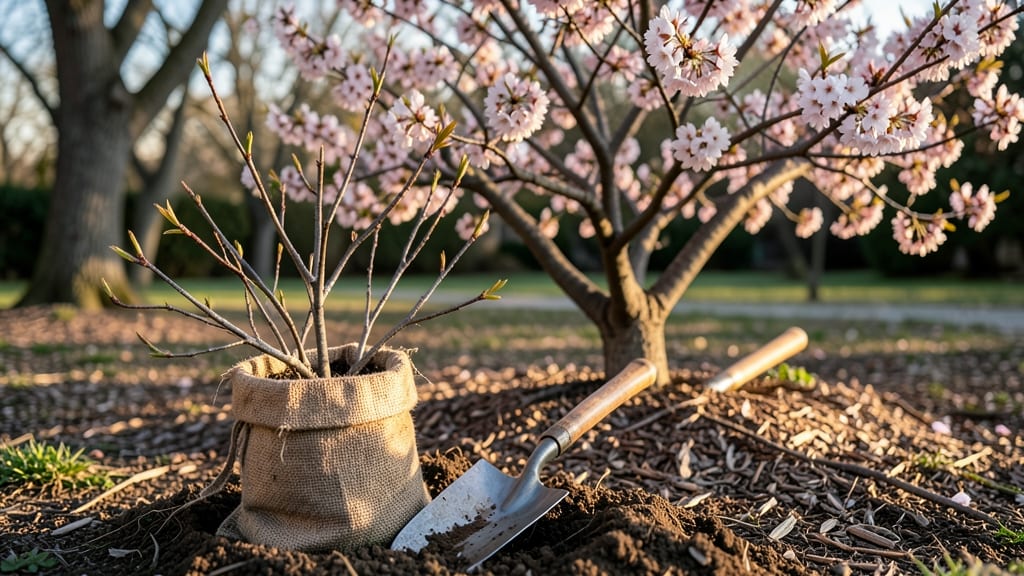
Planting Yoshino cherry trees turns your yard into a springtime spectacle with clouds of delicate pink blooms. I’ve planted mine in full sun where the branches arch gracefully over the patio, and the scent alone makes every winter worth it.
These trees thrive in USDA Zones 5-9, so if you’re in that range, you’re already halfway there.
The key is choosing the right spot—at least 20 feet from buildings or power lines—and preparing the soil with compost for strong root growth. Yoshinos hate soggy feet, so well-draining soil is non-negotiable. Once planted, consistent watering for the first year keeps them from struggling with transplant shock.
By late spring, you’ll see those iconic blossoms return year after year, with minimal pruning needed beyond removing dead wood. The trade-off? They’re slow growers, so patience pays off with decades of reliable blooms. Let’s get started with the steps that make all the difference.
Bonus tip: Mulch heavily in winter to protect roots from freeze-thaw cycles, especially in Zone 5. Your neighbors will thank you for the show—and the fragrance.
📚 In This Guide
- What you need
- Instructions
- Tips and common mistakes
- Wrapping up and next steps
What you need
- ● Yoshino cherry tree (Prunus × yedoensis) – Choose a 1- to 3-year-old bare-root or container-grown sapling (5–8 ft tall at maturity). Nursery-purchased trees are ideal for consistency.
- ● Shovel or digging spade – A heavy-duty, round-point shovel (18–24" blade) for digging the planting hole.
- ○ Garden fork or tiller – For loosening compacted or clay-heavy soil (optional but recommended for drainage).
- ● Compost or well-aged manure – 5–10 gallons to enrich the soil with organic matter.
- ● Mulch (wood chips, bark, or straw) – 3–4 inches of organic mulch (avoid fresh wood chips near the trunk).
- ● Watering can or hose with nozzle – For deep, slow watering (1–2 gallons per watering session).
- ● Pruning shears or saw – To trim dead or damaged branches post-planting (sterilize with rubbing alcohol).
- ○ Staking kit (optional but helpful) – 2–3 wooden stakes + tree ties if planting in windy areas or heavy clay soil.
- ● Sunlight: Full sun (6+ hours/day)—Yoshino cherries thrive in open, sunny spots.
- ● Soil: Well-draining, slightly acidic to neutral (pH 5.0–7.0). Amend heavy clay with compost or sand.
- ● Space: 20–30 feet from structures, sidewalks, or other trees (surface roots spread widely!).
- ● Timing: Plant in early spring (March–April) or fall (October–November) for best root establishment.
- ● Local regulations: Check if your area requires permits for large trees (especially near power lines).
- ● 🌡️ Soil test kit ($10–$20): Test your soil’s pH and nutrient levels—Yoshino cherries prefer moderate fertility (avoid over-fertilizing).
- ○ ✨ Root stimulator (optional): Mix in mycorrhizal fungi or a rooting hormone when planting bare-root trees.
- ● 🚫 Avoid: Planting near walnut trees (allelopathy) or in low-lying areas prone to frost pockets.
How to plant a Yoshino cherry tree for lasting spring beauty
This cold-hardy variety thrives with the right approach—here’s my step-by-step method for planting success.
Choose the Perfect Planting Site and Timing
Yoshino cherries need full sun—at least 6 hours daily—for vibrant blooms. I always pick a spot sheltered from strong winds, which can damage delicate branches. The tree’s shallow roots spread wide, so avoid areas with compacted soil or underground utilities.
Plant in early spring, just as buds begin to swell, or in fall (6-8 weeks before first frost). Fall planting gives roots time to establish before winter, but avoid planting when the ground is frozen. Dig a hole twice as wide as the root ball but no deeper—this encourages root expansion rather than settling.
Prepare the Soil and Amendments
Yoshino cherries prefer well-draining, slightly acidic soil (pH 5.5-6.5). If your soil is heavy clay, mix in 2-3 inches of compost or organic matter into the bottom of the hole. Avoid fresh manure—it can burn roots and disrupt soil balance.
Gently loosen the root ball if roots are circling or bound. Place the tree in the hole so the top of the root ball sits 1-2 inches above ground level—this prevents water from pooling around the trunk. Backfill with native soil, tamping lightly to remove air pockets.
Water Deeply and Mulch for Moisture Retention
Water deeply immediately after planting—10-15 gallons for mature trees, less for younger ones. The soil should be moist 6-12 inches down. Use a soaker hose or drip irrigation to avoid disturbing the soil surface.
Apply 3-4 inches of mulch (wood chips or shredded bark) around the base, keeping it 3 inches away from the trunk to prevent rot. Mulch helps retain moisture and regulate soil temperature, but avoid piling it against the trunk—this can trap moisture and invite pests.
Stake and Prune for Strong Growth
If your Yoshino cherry is young or in a windy area, install two stakes on opposite sides of the tree, securing the trunk with a soft tie (like a rubberized strap). Staking prevents trunk damage but should only be temporary—remove supports after 1-2 years to encourage natural stability.
Prune only to remove dead, damaged, or crossing branches. Avoid heavy pruning—Yoshino cherries bloom on old wood, so aggressive cuts reduce next year’s flowers. Use sterilized pruners to prevent disease spread, and seal larger cuts with pruning sealant if needed.
Monitor and Maintain for Long-Term Health
Water deeply once a week during the first growing season, increasing to twice weekly during droughts. Mature trees are drought-tolerant but produce best blooms with consistent moisture. Check soil moisture by digging 2 inches down—it should feel damp but not soggy.
Fertilize in early spring with a balanced, slow-release fertilizer (10-10-10). Avoid high-nitrogen fertilizers—they promote leafy growth at the expense of flowers. Prune again in late winter to shape the tree and remove any dead wood from the previous season.
Tips & tricks for planting a Yoshino cherry tree
Between us, the secret to a thriving Yoshino cherry tree starts before you even dig that first hole. These are the details that make all the difference between a tree that just survives and one that bursts into glorious spring blooms year after year.
Sunlight Strategy: That "at least 6 hours of daily sun" isn't just a suggestion—it's non-negotiable for vibrant blooms. I've seen Yoshino cherries planted in partial shade still produce flowers, but they're sparse and lack the show-stopping pink clusters you want. If your yard has limited sun, consider planting near a south-facing wall or fence that reflects light. The tree's shallow roots also mean it needs good air circulation, so avoid tight spaces against buildings or other trees.
Timing is Everything: The 6-8 week window before first frost for fall planting is critical because it gives roots time to establish before winter dormancy. I once planted a Yoshino cherry in late fall when the ground was already slightly frozen—it took two years to recover properly. Check your local frost dates and count backward. For spring planting, look for those swollen buds as your signal—this means the tree is ready to burst into growth and won't be shocked by warm weather.
Root Ball Placement: That 1-2 inch elevation above ground level might seem small, but it's crucial for preventing water pooling around the trunk. I learned this the hard way when my first Yoshino cherry developed root rot from sitting too low. The extra height also helps prevent the trunk from settling too deeply over time. When backfilling, use your hand to tamp the soil lightly—just enough to remove air pockets, but don't compact it like you're building a foundation.
Mulch Mastery: The 3-4 inches of mulch isn't just decoration—it's insulation for your tree's roots. I've seen gardeners either skimp on mulch (leaving roots exposed to temperature swings) or go overboard (piling it right against the trunk). That 3-inch clearance from the trunk prevents rot while still protecting roots. For the first year, check mulch levels regularly—it settles and decomposes faster than you might expect.
Pro Tips for Planting Yoshino Cherry Tree
- Between us, the secret to a thriving Yoshino cherry tree starts before you even dig that first hole.
- Sunlight Strategy: That "at least 6 hours of daily sun" isn't just a suggestion—it's non-negotiable for vibrant blooms.
- Timing is Everything: The 6-8 week window before first frost for fall planting is critical because it gives roots time to establish before winter dormancy.
Frequently asked questions
When is the best time to plant a Yoshino cherry tree?
The ideal time is early spring or fall when temperatures are mild (40–60°F). Planting in spring allows roots to establish before summer heat, while fall gives roots time to settle before winter dormancy. Avoid extreme heat or frost, which can stress young trees.
How close to my house or fence can I plant it?
Yoshino cherries need space! Keep the tree at least 15–20 feet away from structures, sidewalks, or fences. Their mature spread reaches 30–40 feet wide, and roots can damage foundations or disrupt drainage. Plan ahead for pruning to maintain airflow and sunlight.
Can Yoshino cherry trees survive winter in cold climates?
This variety thrives in USDA Zones 5–8 and handles temperatures down to -15°F. For extra protection in harsh winters, mulch the base with 2–3 inches of organic material (like wood chips) and water deeply before the first freeze to prevent drought stress.
What’s the best alternative if I don’t have a yard?
If space is limited, consider a dwarf Yoshino cherry (Prunus × yedoensis ‘Akebono’), which stays under 15 feet tall. Alternatively, plant it in a large container (minimum 20-gallon) with well-draining soil—just move it to a sunny spot in winter and water consistently.
Why aren’t my Yoshino cherry tree’s leaves turning green?
Pale or yellowing leaves often signal nutrient deficiency (like iron or nitrogen) or pH issues. Test your soil—Yoshinos prefer slightly acidic soil (pH 6.0–7.0). Amend with compost or a balanced fertilizer in early spring. Overwatering or compacted soil can also stunt growth; ensure proper drainage.
How do I encourage more blooms?
For abundant pink flowers, prune in late winter to remove dead wood and open the canopy for sunlight. Avoid heavy pruning after blooming, as it reduces next year’s flowers. Feed with low-nitrogen, high-phosphorus fertilizer in early spring to support flowering.
Wrapping up and next steps
Planting a Yoshino cherry tree is a rewarding way to bring year-round beauty to your garden—from delicate spring blooms to vibrant fall foliage. With the right location, soil prep, and care, this cold-hardy variety thrives effortlessly, offering decades of stunning visuals.
Now that you’re equipped with the know-how, there’s no better time to roll up your sleeves and plant your own!
Ready to take the next step? Mark your calendar for late fall or early spring—ideal planting seasons—and watch your Yoshino cherry tree grow into a dazzling centerpiece. Happy planting! 🌸✨