
Pruning
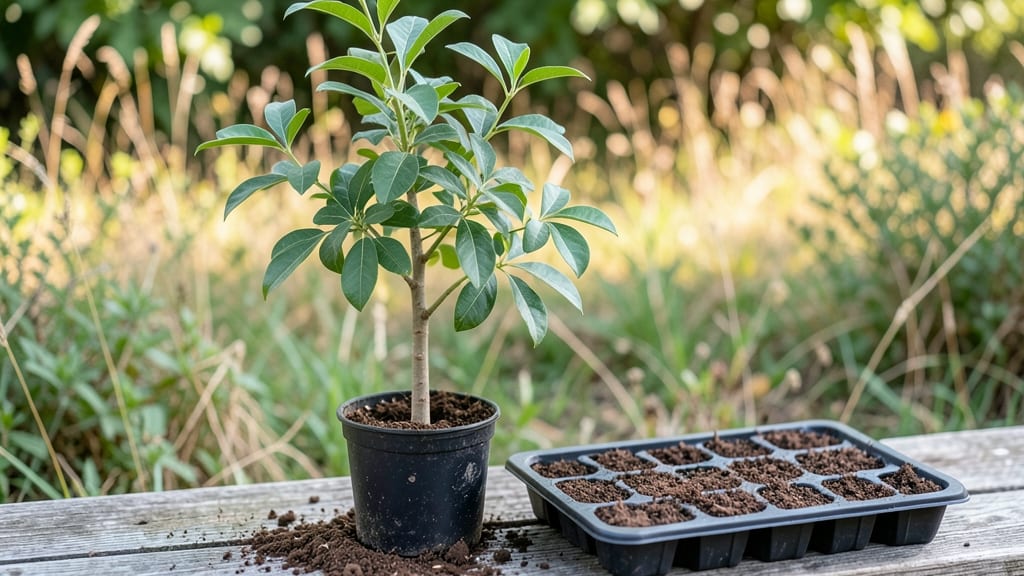
Growing a pistachio tree sapling from scratch means you could enjoy homegrown nuts in just 5-7 years—not the 10+ years most people expect. 🌱 The key is mimicking the Mediterranean climate these trees crave, even in colder zones, with a few clever tricks that let you push the limits of where they’ll thrive.
You’ll need well-draining soil with a pH of 7.0-8.5, full sun (at least 8 hours daily), and patience for the slow start. Unlike peach trees, pistachios need deep watering—think 1-2 inches per week—and protection from late frosts, which can kill young branches.
The payoff? A tree that lives for decades and produces nuts reliably once established.
Pruning is where most beginners stumble. You’re not shaping branches for looks—you’re training the tree to develop a strong central leader and scaffold branches that can support heavy crops. Skip aggressive pruning in the first 3 years, and focus on removing suckers and crossing branches that waste energy.
Here’s the secret no one tells you: pistachios are self-pollinating but produce better with a partner. If you’re in a cold zone, choose a variety like ‘Kerman’ (the most cold-hardy) and plant two saplings 20-30 feet apart for cross-pollination.
The rest is just time, consistency, and watching your tree transform from a twig into a nut-producing powerhouse.
📚 In This Guide
- What you need
- Instructions
- Tips and common mistakes
- Wrapping up and next steps
What you need
- ● Pistachio tree sapling: Choose a cold-hardy variety (e.g., 'Kerman' or 'Peter's') from a reputable nursery. Ensure it’s 1-2 years old with a sturdy root system.
- ● Well-draining soil: A mix of 60% native soil, 30% compost, and 10% perlite or coarse sand (10-15 gallons per sapling). Pistachios hate soggy roots!
- ● Pruning tools: Bypass pruners (for small branches, sharp and clean)
- ● Loppers (for thicker branches, 2-3 inch cut capacity)
- ● Hand saw (for stubborn limbs, sterilized with rubbing alcohol)
- ● Mulch: 2-3 inches of wood chips or straw (keep 6 inches away from the trunk to prevent rot).
- ● Support stake: 4-6 ft wooden or metal stake (for young saplings in windy areas).
- ● Drip irrigation or soaker hose: For consistent moisture (avoid overhead watering).
- ● Fertilizer: Slow-release 8-3-9 NPK fertilizer (1 lb per sapling at planting).
- ● Soil pH test kit (ideal range: 7.0-8.5; pistachios are alkaline-loving!)
- ● Tree collar spray (to protect against pests like aphids or scale)
- ● Cold frame or frost cloth (for young saplings in Zone 7 or colder)
- ● Grafting tools (if propagating from cuttings or grafting later)
- ● Garden journal (to track pruning dates, growth, and harvest progress!)
Step-by-Step instructions for cultivating a cold-hardy pistachio sapling
Here's how to nurture a young pistachio tree through its critical first years.
🌱 Step 1: Select and Prepare the Perfect Planting Site
Pistachio saplings thrive in full sun (at least 8 hours daily) and well-draining soil with a pH between 6.5 and 7.5. Choose a location sheltered from strong winds, as young trees are vulnerable to damage. I always test soil drainage by digging a 12-inch hole—if water pools after 30 minutes, amend with 2-3 inches of coarse sand or gravel before planting.
Dig a hole twice as wide as the sapling's root ball but only as deep as the container it came in. The top of the root ball should sit 1-2 inches above ground level—this prevents waterlogging. If your climate experiences freezing temperatures below 10°F, mound 6-12 inches of mulch around the base after planting to insulate roots.
🪴 Step 2: Plant and Stake for Stability
Gently remove the sapling from its container and loosen any circling roots with your fingers. Place it in the hole so the root flare (where roots meet trunk) is visible above soil level. Backfill with native soil mixed with 1 part compost (never fresh manure—it burns roots). Water deeply to settle the soil, then tamp lightly around the base to eliminate air pockets.
Stake the sapling using 2-3 stakes positioned 6-12 inches from the trunk in a triangle formation. Secure with soft tree ties (not wire)—tighten just enough to prevent swaying. Pistachios have deep taproots, so avoid over-staking, which can restrict root growth. Water again after staking to help roots establish contact with moist soil.
☀️ Step 3: Establish a Watering and Fertilization Routine
Water deeply once a week (about 15-20 gallons) during the first growing season, ensuring moisture reaches 12-18 inches deep. Shallow watering encourages weak roots. You'll know you're doing it right when soil 1-2 inches below the surface feels damp but not soggy. Reduce watering in winter unless temperatures drop below 20°F, then provide occasional deep soakings to prevent desiccation.
Fertilize in early spring with a balanced 8-8-8 or 10-10-10 formula applied at ½ the recommended rate. Avoid high-nitrogen fertilizers—they promote leafy growth at the expense of nut production. In late summer, switch to a low-nitrogen, high-potassium fertilizer (like 5-10-10) to strengthen roots and prepare for dormancy. Always water before and after fertilizing to prevent root burn.
✂️ Step 4: Prune for Structure and Disease Prevention
Prune your sapling in late winter or early spring before new growth begins. Remove dead, diseased, or crossing branches first, cutting back to the nearest healthy bud. Thin out 25% of the canopy to improve airflow—pistachios are prone to fungal issues like botryosphaeria canker in humid conditions. Use sterilized pruning shears and make cuts at a 45-degree angle just above a bud.
Never remove more than one-third of the canopy in a single year. The goal is to create an open-centered tree with a strong central leader. If your sapling develops suckers (shoots at the base), remove them immediately—they divert energy from nut production. After pruning, apply a copper fungicide spray as a preventive measure against common fungal pathogens.
⏰ Step 5: Protect and Monitor Through Critical Growth Stages
During the first 2-3 years, pistachio saplings are most vulnerable to cold damage and pests. In fall, wrap the trunk with tree guard (not plastic wrap) to prevent sunscald and rodent damage. Install bird netting in early spring to protect emerging flowers—pistachios are dioecious, meaning male and female trees are separate, and birds can devastate crops before harvest.
Watch for aphids, spider mites, and scale insects, which thrive in dry conditions. Treat infestations with a horticultural oil spray applied in early spring before pests become established. Pistachios are self-pollinating but inefficient—plant a male tree within 100 feet if you want reliable fruit set. You'll know your tree is thriving when it produces catkins (male flowers) or small red buds (female flowers) by year three.
Tips & tricks for cultivating a cold-hardy pistachio sapling
Here's what I've learned after nurturing pistachio saplings through harsh winters—these details make all the difference between survival and thriving.
Soil Drainage Test: The 30-minute water test in Step 1 is non-negotiable. I've seen saplings drown in heavy clay soil where water pools—always amend with coarse sand or gravel if needed. For extra insurance, consider planting on a slight mound to improve drainage during winter thaw cycles. This prevents root suffocation when temperatures fluctuate around 20°F.
Root Ball Positioning: When planting, that 1-2 inch elevation above ground level (Step 1) prevents waterlogging during heavy rains. I've had to replant saplings that settled too low—root rot sets in silently and is nearly impossible to recover from. Use a level to verify proper positioning before backfilling.
Staking Strategy: The 2-3 stake triangle in Step 2 isn't just about support—it's about creating a natural windbreak pattern. Position stakes slightly uphill if your yard slopes, and always use soft tree ties that won't cut into the bark. I've seen wire ties girdle saplings within months, stunting their growth permanently.
Winter Protection Layering: That 6-12 inch mulch mound (Step 1) should be organic—straw or wood chips work best. I've used landscape fabric over mulch in zones with temperatures below 10°F, which creates an insulating air pocket. Just remember to remove it in early spring before new growth begins to prevent moisture buildup.
Pro Tips for Pistachio Tree Sapling
- Here's what I've learned after nurturing pistachio saplings through harsh winters—these details make all the difference between survival and thriving.
- Soil Drainage Test: The 30-minute water test in Step 1 is non-negotiable.
- Root Ball Positioning: When planting, that 1-2 inch elevation above ground level (Step 1) prevents waterlogging during heavy rains.
Frequently asked questions
Got questions about nurturing your pistachio tree sapling? You’re in the right place! Whether you're a first-time grower or looking to refine your approach, here are answers to the most common queries—from planting to pruning and beyond.
How long does it take for a pistachio sapling to bear fruit?
A pistachio tree sapling typically takes 4–7 years to produce its first harvest, depending on climate, soil quality, and care. Cold-hardy varieties like Pistacia vera may mature slightly faster in ideal conditions (USDA Zones 7–9). Patience is key—focus on strong root and branch development first!
Can pistachio saplings survive winter in colder climates?
Yes! Cold-hardy saplings (e.g., 'Kerman' or 'Peter') can tolerate brief drops to 10–15°F, but protection is critical. Mulch heavily with straw or wood chips, wrap the trunk with burlap, and avoid late-season pruning. In extreme zones (below 7), container-growing with winter blankets works well.
What’s the best time to prune a young pistachio sapling?
Prune dormant saplings in late winter or early spring (before buds swell) to shape the tree and remove dead wood. Avoid heavy pruning—aim for 10–20% of foliage to encourage air circulation. Pro tip: Use sterilized tools to prevent disease, and never prune more than ⅓ of the canopy in one season.
Can I grow pistachios from seed instead of buying a sapling?
While possible, seed-grown pistachios rarely produce true nuts—they’re often sterile or take decades to fruit. For reliable harvests, buy a grafted sapling from a nursery. If you’re experimenting, expect a 10+ year wait (if successful) for edible nuts.
What pests should I watch for in young pistachio saplings?
Common threats include aphids, spider mites, and scale insects, which weaken saplings. Monitor undersides of leaves and treat early with neem oil or insecticidal soap. For soil pests (like root-knot nematodes), rotate crops or use marigold companion plants to deter infestations.
Bonus Tip: Watering Wisdom
New saplings need deep, infrequent watering (1–2 inches per week) to encourage deep roots. Overwatering causes rot—check soil moisture 2 inches below the surface before watering. Drip irrigation is ideal for consistent moisture without waste!
Wrapping up and next steps
Growing a cold-hardy pistachio tree sapling is a rewarding journey that blends patience with precision—especially when it comes to pruning for optimal harvests. By mastering the art of shaping, thinning, and seasonal maintenance, you’ll unlock year-round productivity and resilience against harsh climates. 🌱✨
Now that you’re armed with the blueprint, take the next step: schedule your first pruning session during dormancy (late winter) and observe how your sapling responds. Every cut is a conversation with nature—listen, learn, and adapt. Happy growing!