
Trees
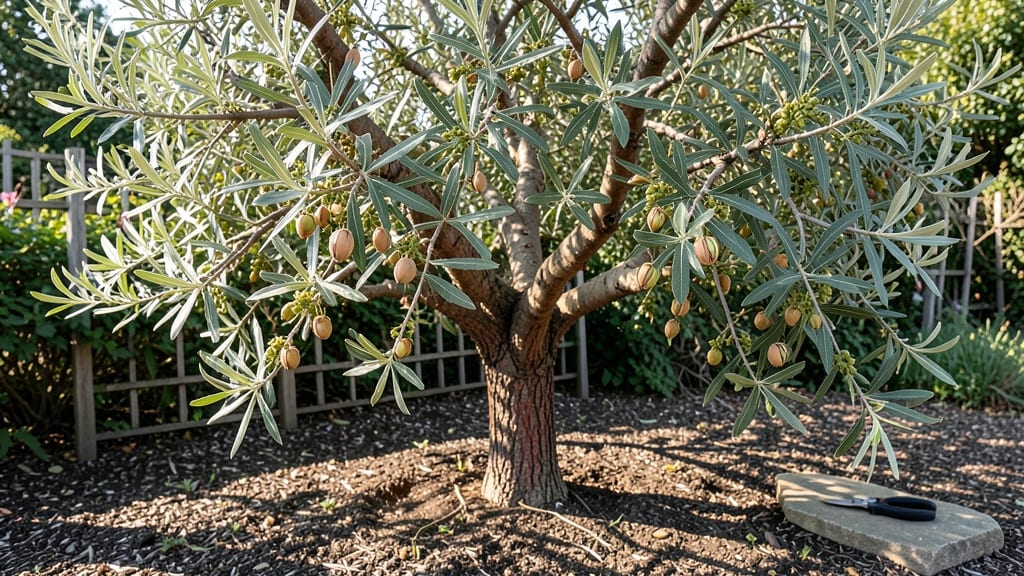
Growing pistachio nut trees from seed to sapling feels like nurturing a future snack stash—if you get the climate and soil right. 🌱 These trees thrive only in zones 7-10, where winters stay above 10°F and summers hit 100°F+, mimicking their native Middle Eastern deserts.
I learned that the hard way when my first attempt in zone 6 turned into a sad, stunted plant that lasted two years before giving up.
The secret to success starts with well-draining soil and full sun—no shortcuts here. You’ll need a 10-gallon pot for young trees, a pH of 7.0-8.0 (slightly alkaline), and patience, since it takes 3-5 years just to see the first flowers.
My first harvest came at year 7, but the journey of watching those green hulls split open is worth every season of waiting.
Once established, pistachio trees reward you with disease-resistant foliage and nutrient-rich soil. The real magic happens when you prune correctly—open the canopy to let sunlight reach the center, and you’ll get those iconic, shell-covered nuts. Just don’t expect perfection; even pros lose 30% of crops to birds and poor pollination.
This method works for home gardeners with space and warmth, but if you’re in cooler zones, consider growing them in large containers and bringing them indoors for winter. The payoff? Fresh, buttery nuts straight from your yard—if you’re willing to play the long game.
📚 In This Guide
- What you need
- Instructions
- Tips and common mistakes
- Wrapping up and next steps
What you need
- ● Pistachio seeds or saplings: 10–20 high-quality, disease-resistant seeds (or 3–5 young saplings, 1–2 feet tall, for faster results).
- ● Note: Pistachios are dioecious—you’ll need both male and female trees for pollination!
- ● Well-draining soil mix: 50% sandy loam (pH 6.5–7.5).
- ● 30% compost or aged manure (for nutrients).
- ● 20% perlite or coarse sand (to prevent root rot).
- ● Containers or garden space: For seeds: 5–6 inch deep pots (1 per seed).
- ● For saplings: 12–18 inch wide pots or a sunny garden bed (6+ feet apart at maturity).
- ● Basic tools: Hand trowel or small shovel.
- ● Spray bottle (for seedling misting).
- ● Pruning shears (for shaping young trees).
- ○ pH testing kit (optional but helpful).
- ● USDA Hardiness Zones: 7–10 (pistachios thrive in heat—avoid frost-prone areas!).
- ● Sunlight: Full sun (6+ hours daily)—no compromises!
- ● Water: Drip irrigation or soaker hoses (avoid overhead watering to prevent disease).
- ○ Optional but handy: Mulch (straw or wood chips) to retain moisture.
- ● Fertilizer (balanced 10-10-10 or citrus-specific blend).
- ● Pollination helper (like a small brush) if growing from seeds.
How to grow pistachio saplings from seed at home
Here's the straightforward method I've used to grow strong pistachio saplings—no fancy tools required.
🌱 Step 1: Stratify and Soak the Seeds
Start by removing the hard outer shell from the pistachio seeds—this speeds up germination. Soak the exposed seeds in warm water for 24 hours to soften the inner shell. Here's the thing—pistachio seeds are stubborn, so don't skip this step. After soaking, place them in a damp paper towel and fold it gently to keep them moist.
Put the wrapped seeds in a sealed plastic bag and refrigerate for 4-6 weeks. This cold treatment, called stratification, mimics winter conditions and tricks the seed into thinking it's time to grow. Check the towel weekly—it should stay damp but not soggy. If it dries out, mist it lightly with water.
🌱 Step 2: Plant in Well-Draining Soil
Fill a 4-inch deep container with a mix of 50% potting soil and 50% perlite—this ensures fast drainage, which pistachio seedlings need to avoid rot. Plant the seeds ½ inch deep, spacing them 2 inches apart if using multiple containers. Pistachios hate soggy roots, so if your soil feels heavy, add more perlite or sand.
Water gently until the soil is moist but not waterlogged. Place the container in a warm spot (70-75°F) with bright, indirect light. A south-facing window works, but avoid direct sun until you see sprouts—too much heat can dry out the soil too quickly. You'll know it's working when tiny green shoots appear in 4-8 weeks. Real talk: some seeds take longer, so patience is key.
☀️ Step 3: Transplant and Provide Full Sun
Once seedlings reach 4-6 inches tall and have 3-4 true leaves, it's time to move them to larger pots (6-inch diameter). Use the same well-draining soil mix and plant them deeper than before—this encourages stronger root growth. Water thoroughly after transplanting, and place the pots in a spot with full sun (6+ hours daily).
Pistachio saplings grow slowly at first, but consistency pays off. Fertilize lightly with a balanced 10-10-10 formula every 4-6 weeks during the growing season. Watch for yellowing leaves—this usually means overwatering. If you see it, let the soil dry out before watering again. With care, your saplings will be ready for outdoor planting in 2-3 years.
Tips & tricks for growing strong pistachio saplings
Here's what I've learned after growing pistachio saplings from seed—these details make all the difference between success and frustration.
Seed Preparation: Don't rush the 24-hour soak—this is when the seeds absorb enough moisture to break dormancy. I've tried skipping it, and germination rates plummeted. After soaking, gently pat the seeds dry before wrapping them in the damp paper towel. Too much moisture here causes mold, not growth. Confession: I ruined my first batch by using a plastic bag without ventilation—always leave a tiny gap for airflow.
Stratification Secrets: The 4-6 weeks in the fridge is non-negotiable for pistachios. I've seen people try to speed this up with heat, but it backfires—the seeds need that cold period to simulate winter conditions. Place your sealed bag on a shelf, not the door where temps fluctuate. If you forget to check weekly, set a reminder—consistent moisture is critical. Some seeds germinate in 4 weeks, others take 6, so don't panic if yours lag behind.
Soil Mix Matters: That 50/50 potting soil to perlite ratio is your best defense against root rot. I've tried regular garden soil, and my seedlings drowned within weeks. If you don't have perlite, coarse sand works in a pinch, but perlite's larger particles prevent compaction. When planting your ½-inch deep seeds, use your finger to make small holes—don't press too hard or you'll crush the seed's delicate structure.
Light Transition: The shift from indirect to direct sunlight after sprouting is crucial. I learned this the hard way when my first seedlings got sunburned. Start with 2-3 hours of morning sun when they're small, then gradually increase to full sun as they grow. Yellowing leaves? That's your warning sign—move the pot to a shadier spot immediately. Pistachios are Mediterranean trees—they thrive in bright light but need time to acclimate.
Pro Tips for Pistachio Nut Trees
- Here's what I've learned after growing pistachio saplings from seed—these details make all the difference between success and frustration.
- Seed Preparation: Don't rush the 24-hour soak—this is when the seeds absorb enough moisture to break dormancy.
- Stratification Secrets: The 4-6 weeks in the fridge is non-negotiable for pistachios.
Frequently asked questions
Got questions about growing your own pistachio nut trees? You’re not alone! Here are some of the most common queries—and their answers—to help you get started on the right foot.
How long does it take for a pistachio tree to produce nuts?
A pistachio tree is a patient plant! It typically takes 4–7 years from planting to bear its first harvest. Male and female flowers must be present (or you’ll need a pollinator tree), and the tree needs time to establish a strong root system and canopy. Pro tip: Be consistent with watering and soil care to speed up the process slightly!
What’s the best climate for growing pistachio nut trees?
Pistachio trees thrive in hot, dry climates with at least 200 frost-free days per year. Ideal USDA zones are 7–10, with temperatures rarely dropping below 15°F (-9°C). If you’re in a cooler region, consider growing them in containers and overwintering them indoors or in a greenhouse.
Can I grow a pistachio tree from a store-bought nut?
Unfortunately, no—store-bought pistachios are grafted or hybrid varieties, and their seeds won’t grow into true pistachio trees. For success, start with bare-root saplings or grafted nursery plants. If you’re feeling adventurous, you can try germinating the seed (it’ll sprout, but it won’t be the same variety!).
Why aren’t my pistachio tree’s nuts opening naturally?
Pistachios should split open when ripe, revealing the nut inside. If they’re not, it could be due to overwatering (causing poor shell development), nutrient deficiencies (like potassium or calcium), or immature trees. Try thinning the crop to redirect energy to the remaining nuts, and ensure proper drainage. Pro tip: Harvest when the shells start cracking—don’t wait too long!
Are there dwarf pistachio varieties for small gardens?
While true dwarf pistachio trees don’t exist, you can prune mature trees aggressively to keep them smaller (though they’ll still need space—at least 15–20 feet for full growth). For container growing, opt for ‘Kerman’ or ‘Peter’ varieties, which are more adaptable. Just be prepared for slower growth and potentially lower yields in compact spaces.
Wrapping up and next steps
Growing pistachio nut trees from seed to sapling is a rewarding journey that combines patience, care, and a touch of green-thumb magic! 🌱 Whether you're a beginner or an experienced gardener, these three simple steps will set you on the path to nurturing your own delicious nut trees.
Remember, every expert was once a beginner—so don’t hesitate to start small and learn along the way.
Now that you’re armed with knowledge, take the next step! Start by gathering your supplies and planting that first seed. Keep a gardening journal to track progress, and soon, you’ll be harvesting your very own crunchy, buttery pistachios. Happy growing! 🌟