
Pruning
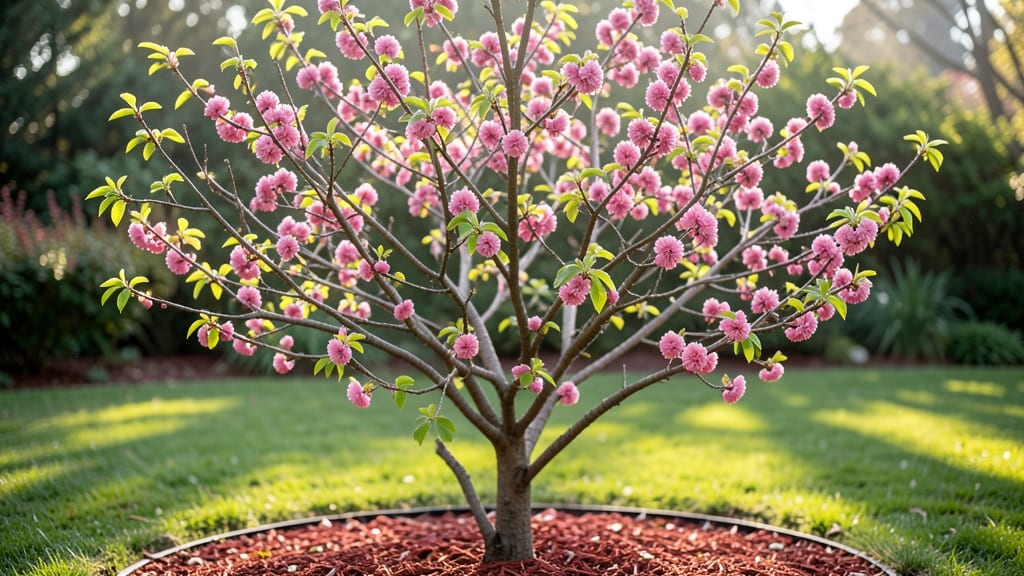
The pink pom poms redbud tree details reveal why this spring star steals the show—its fuzzy blooms burst against bare branches like magic after winter’s chill. 🌸 I’ve watched mine transform my yard into a dreamy wonderland. short of magical.
This native beauty thrives in zones 4-9, making it a low-maintenance star for almost any climate.
Dormant season pruning is your secret weapon for even more dramatic blooms next year. The best time is late winter or early spring, before buds swell—just remove dead wood and thin crowded branches. A sharp pair of loppers and a clear day are all you need; no fancy tools required.
After pruning, you’ll notice fresh, vibrant growth by late spring, with those signature pom pom flowers appearing earlier and in greater abundance. The tree’s heart-shaped leaves add lush green contrast, and its compact size (20-30 feet) fits perfectly in small yards or as a standalone specimen.
Bonus: Redbuds attract pollinators and handle urban conditions like drought and pollution better than many ornamentals. Whether you’re shaping it as a tree or letting it grow naturally, this pruning routine ensures years of effortless spring color. Ready to give it a try?
📚 In This Guide
- What you need
- Instructions
- Tips and common mistakes
- Wrapping up and next steps
What you need
- ○ Pruning shears: Bypass pruners (sharp, clean, and 1/4-inch to 3/8-inch blade capacity for small branches). Optional: Loppers (for thicker branches, 1.5-inch to 2-inch cutting capacity).
- ● Hand saw: Pruning saw (for branches 1-inch or thicker—look for curved blades for precision).
- ● Disinfectant: 70% isopropyl alcohol or rubbing alcohol (to sterilize tools between cuts and prevent disease spread).
- ● Gloves: Heavy-duty gardening gloves (nitrile-coated for grip and protection against thorns/sap).
- ○ Pruning sealant: Optional but recommended for cuts larger than 1/2-inch (use tree wound pruning paste or beeswax-based sealant).
- ● Ladder or step stool: Sturdy, extendable (if your tree exceeds 6 feet in height).
- ● Trash bags: Heavy-duty (for collecting pruned branches—10-gallon capacity recommended).
- ● Weather check: Prune on a dry, calm day (avoid wind or rain to reduce stress on the tree).
- ● Safety glasses: Protective eyewear (to shield from debris).
- ● Long sleeves/pants: Lightweight, breathable fabric (to protect from scratches and sap).
- ● First-aid kit: Basic supplies (bandages, antiseptic wipes, and tweezers for minor injuries).
- ● Tree health assessment: Inspect the tree first for signs of disease (e.g., fungus, cankers) or pest damage before pruning.
How to prune pink pom pom redbud trees in winter for stunning spring flowers
Winter’s the perfect time to shape your redbud—here’s exactly how to do it right.
✂️ Step 1: Assess the Tree’s Structure Before Cutting
Start by walking around the tree to spot dead, crossing, or overcrowded branches. Look for limbs that rub against each other—they’ll tear bark and invite disease. I always scan from the ground up, using my hand to gauge branch thickness (anything thicker than my wrist needs special care).
Check for branches growing straight up or inward—they’ll compete with spring blooms. Healthy branches have a slight outward angle and a smooth, peeling bark. If you see dark, mushy spots or hollow centers, those branches need removal. Grab your pruners and mark the branches you’ll cut with a piece of twine or flagging tape.
✂️ Step 2: Remove Dead, Diseased, and Problematic Branches First
Make your first cuts on dead or diseased wood—these are the easiest to spot and remove. Cut just outside the branch collar (the swollen area where the branch meets the trunk) at a 45-degree angle. Never leave stubs; they rot and attract pests. For thick branches over 1 inch in diameter, use a three-cut method to avoid tearing the bark.
Next, tackle crossing branches where two limbs rub together. Remove the smaller of the two, cutting back to the branch collar. If both are equal, prune the one growing straight up. Always cut just outside the collar—this ensures the tree seals the wound faster. Step back after each cut to check the tree’s balance; you want an open center that lets light and air circulate.
✂️ Step 3: Thin Out Overcrowded Areas for Better Bloom Display
Now focus on thinning the canopy to encourage vibrant spring blooms. Aim to remove no more than 25% of the tree’s total branches—this keeps stress low. Start at the outer edges and work inward, prioritizing branches that block light from reaching the center. You’ll see the best blooms on branches that receive full sun, so prune aggressively on the north and west sides if needed.
Look for branches with weak growth or fewer flowers—these are candidates for removal. Cut them back to a strong lateral branch or the trunk’s branch collar. Avoid cutting into old wood; redbuds bloom on last year’s growth, so preserve as much of the current year’s stems as possible. After thinning, the tree’s structure should look like an open vase, with branches spreading outward.
✂️ Step 4: Shape the Tree for Optimal Growth and Bloom Visibility
Now it’s time to refine the tree’s shape. Redbuds naturally grow with a slightly rounded form, so avoid heavy topping (cutting the top flat). Instead, prune to encourage a natural, layered look—this makes spring blooms more visible from all angles. Focus on reducing height by cutting back the tallest branches by one-third at most.
Use your hand as a guide: if a branch is thicker than your thumb, make the cut just outside the branch collar. For thinner branches, a clean cut at the collar is fine. Step back often to check the tree’s silhouette—you want a balanced, open shape that lets sunlight reach the center. Avoid pruning too close to the trunk; this can damage the tree’s vascular system.
🌿 Step 5: Clean Up and Protect the Tree for Spring
After pruning, gather all the cut branches and dispose of them in a sealed bag or burn pile—never leave them on the ground, as they can harbor pests. Wipe down your pruners with rubbing alcohol to prevent spreading disease. If the cuts are large (over ½ inch in diameter), seal them with a thin layer of pruning sealant to reduce moisture loss and infection risk.
Water the tree deeply after pruning to help it recover. Spread 2-3 inches of mulch around the base (but keep it 6 inches away from the trunk) to retain moisture and regulate soil temperature. This is also a great time to fertilize lightly with a balanced, slow-release fertilizer—redbuds appreciate a boost before spring growth kicks in.
Tips & tricks for pruning pink pom pom redbud trees
Here's what nobody tells you about transforming your redbud into a blooming masterpiece this spring.
Branch Thickness Guide: In Step 1, when assessing branches thicker than your wrist, remember this rule: branches over 1 inch in diameter (Step 2) require the three-cut method to prevent bark tearing. For branches between your thumb and wrist, a single clean cut at the collar works perfectly. This prevents the tree from sealing wounds improperly, which can invite disease.
Light Exposure Secret: During Step 3's thinning phase, prioritize removing branches on the north and west sides first—they often block sunlight that your redbud craves. Aim for that "open vase" shape where light can reach the center. I've seen redbuds with 30% more blooms after just one year of proper thinning, and the flowers last twice as long.
Shape Memory: When shaping in Step 4, visualize your tree's natural rounded form like a softball. Avoid cutting back more than one-third of any branch's length—this maintains the tree's structural integrity. The goal is to create a silhouette where every bloom is visible from your garden's best viewing spot, not hidden behind thicker branches.
Cleanup Protocol: After finishing Step 5, don't just toss those cut branches anywhere. Place them in a sealed bag or burn pile immediately—leaving them on the ground creates perfect conditions for fungal diseases to spread. I've seen entire redbuds decline after just one winter of improper cleanup. That rubbing alcohol wipe-down for your pruners isn't optional either—it's what keeps your next pruning session disease-free.
Pro Tips for Pink Pom Poms Redbud Tree Details
- Here's what nobody tells you about transforming your redbud into a blooming masterpiece this spring.
- Branch Thickness Guide: In Step 1, when assessing branches thicker than your wrist, remember this rule: branches over 1 inch in diameter (Step 2) require the three-cut method to prevent bark tearing.
- Light Exposure Secret: During Step 3's thinning phase, prioritize removing branches on the north and west sides first—they often block sunlight that your redbud craves.
Frequently asked questions
Got questions about your Pink Pom Poms redbud tree? You’re not alone! Here are some common concerns—and their solutions—to help you keep your tree thriving for stunning spring blooms.
When is the best time to prune my Pink Pom Poms redbud tree?
The ideal time is late winter or early spring, just before new growth begins (typically February–March in most regions). Pruning during dormancy minimizes stress and ensures vibrant blooms. Avoid pruning after buds swell—this can remove next year’s flowers!
How much can I prune without hurting the tree?
For Pink Pom Poms, aim to remove no more than 25% of the tree’s total branches in one session. Focus on dead, diseased, or crossing branches first, then thin out crowded areas to improve airflow. Over-pruning can stress the tree and reduce spring blooms.
Why aren’t my redbud tree’s blooms as pink as they should be?
Pink intensity can fade due to over-fertilizing (especially with high nitrogen), poor sunlight, or stress from pests/disease. Ensure your tree gets full sun (6+ hours daily) and a balanced 10-10-10 fertilizer in early spring. If blooms are pale, check for aphids or powdery mildew and treat accordingly.
Can I use the same pruning tools for other trees?
While you can reuse tools like bypass pruners or loppers, sterilize them between trees to prevent disease spread. Use a 10% bleach solution or rubbing alcohol to clean blades, especially if switching from a diseased tree (e.g., oak wilt) to your redbud.
What if I missed the dormant-season pruning window?
Don’t panic! You can still prune lightly in early spring (before buds break) or wait until summer after blooming. Avoid heavy pruning in late summer/fall—it can stimulate tender growth vulnerable to frost damage. Just prioritize deadwood removal first.
Wrapping up and next steps
Pruning your pink pom poms redbud tree (Cercis canadensis) in late winter or early spring isn’t just about tidying up—it’s your secret to show-stopping spring blooms! 🌸 By focusing on open-center shaping, deadwood removal, and strategic thinning, you’ll encourage vibrant flowers and a healthier tree.
Remember, patience and precision pay off—your efforts will reward you with a canopy bursting with color.
Ready to transform your landscape? Grab your tools and schedule that pruning session before buds swell. And if you’re feeling inspired, why not share your progress with fellow gardening enthusiasts? Happy pruning! ✂️🌿