
Pruning
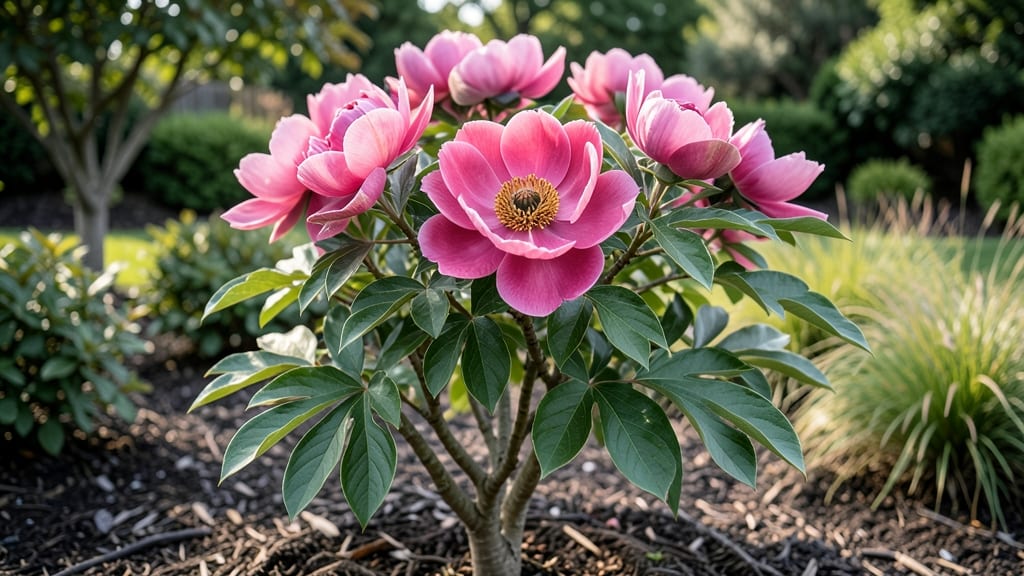
The paeonia tree peony transforms your garden with velvety blooms that last from late spring into summer—if you prune it right. I’ve pruned these stately shrubs for years, and the difference between a leggy mess and a showstopper comes down to dormant-season cuts.
The key? Timing, sharp tools, and knowing exactly where to make those first snips.
Most gardeners over-prune or prune at the wrong time, which leads to fewer blooms or even bud blast. My method keeps your tree peony thriving with minimal cuts—just enough to shape the plant and encourage strong new growth.
You’ll need a pair of clean pruners, a small rake for cleanup, and a sunny day in late winter or early spring before buds swell.
After pruning, your peony will reward you with larger, more abundant blooms that last weeks longer than unpruned plants. The foliage stays lush and disease-resistant, and the branches develop that classic peony structure—thick, sturdy stems that hold up under heavy blooms.
This isn’t just about looks; it’s about setting your peony up for years of effortless beauty.
Works for both herbaceous peonies and tree peonies, though tree peonies need slightly less aggressive pruning. Whether you’re dealing with an overgrown shrub or a young plant, this approach keeps them healthy, productive, and the star of your garden. Let’s get those pruners ready!
📚 In This Guide
- What you need
- Instructions
- Tips and common mistakes
- Wrapping up and next steps
What you need
- ● Pruning shears – Bypass pruners (sharp, 5–8" blades) for clean cuts on smaller stems.
- ● Loppers – For thicker branches (1–2" diameter), with a 10–14" blade.
- ○ Pruning saw – Optional but handy for stubborn, woody stems (8–12" curved blade).
- ● Disinfectant – 70% isopropyl alcohol or 10% bleach solution to sterilize tools between cuts.
- ● Rubbing alcohol or hydrogen peroxide – For wiping tools before/after use.
- ○ Garden gloves – Heavy-duty, cut-resistant (optional but recommended).
- ○ Pruning sealant – Optional: Tree wound paint for large cuts (1" or wider).
- ● Marking twine or flags – To tag stems for removal if needed.
- ● Trash bags or compost bin – For disposing of pruned material.
- ● Timing: Prune in late winter to early spring (before buds swell), ideally on a dry, frost-free day.
- ● Weather: Avoid pruning if rain or wind is forecasted within 24 hours.
- ● Plant health: Ensure your tree peony is fully dormant (no green leaves or buds).
- ● Safety: Wear gloves if your plant has thorns (common in some Paeonia varieties!).
How to prune tree peonies for maximum blooms
Here’s the method I’ve used for years to keep my tree peonies thriving—simple, effective, and tailored for dormant season care.
✂️ Step 1: Time Your Pruning Precisely
Prune your tree peony immediately after blooming ends but before new growth begins. This is usually late spring to early summer, once the flowers have fully faded and seed pods have dried. Waiting too long risks cutting off next year’s buds, which form on last year’s growth.
If you missed the window, don’t panic—tree peonies are forgiving. Just wait until fall dormancy (after leaves yellow) for a second chance. The key is to prune when you can see the woody stems clearly, but before any new shoots appear.
✂️ Step 2: Remove Dead and Weak Growth
Start by cutting out any dead, diseased, or crossing branches at the base. Use clean, sharp pruners to make 45-degree cuts just above a outward-facing bud. This shape helps water run off and prevents rot. If a branch is completely dead (no green tissue inside when cut), remove it entirely.
Next, thin out crowded stems to improve airflow. Aim for 3-5 strong stems per plant—more than that can lead to weak blooms. Look for stems that are thick, upright, and healthy. Thin ones that are thin, leggy, or growing inward.
✂️ Step 3: Shape and Encourage Future Blooms
Step back and assess the plant’s natural shape. Tree peonies bloom on old wood, so avoid heavy pruning—never cut more than 1/3 of the plant’s height. Instead, focus on light shaping to open up the center and create a balanced silhouette.
Look for lateral buds along the main stems—these will produce next year’s flowers. Avoid cutting above these buds. If a stem is too long, trim it back to a strong outward-facing bud about 1/3 of the way down. This encourages bushier growth and more blooms.
⏰ Step 4: Clean Up and Protect for Winter
After pruning, rake up and dispose of all debris to prevent disease. This is especially important if your peony had any signs of fungal issues last season. Water the base deeply but not excessively to help the plant recover from pruning stress.
In late fall, apply a 2-3 inch layer of mulch around the base (but not touching the trunk) to protect roots from freezing temperatures. This also helps retain moisture during winter dormancy. Avoid heavy pruning in fall—just tidy up any remaining dead foliage.
Tips & tricks for perfect tree peony pruning
Pruning tree peonies might seem intimidating, but these practical tips will help you avoid common mistakes and ensure your plants thrive for years to come.
Timing is Everything: The window for pruning is narrow but forgiving. In Step 1, look for fully faded flowers and dried seed pods as your clear signal—this means the plant has finished blooming for the season. If you missed spring, don't worry: fall dormancy (when leaves turn yellow) gives you a second chance. The key is always to prune when you can see the woody stems clearly but before any new shoots appear. This timing ensures you don't accidentally cut off next year's flower buds.
Cutting Technique Matters: When removing dead or crossing branches in Step 2, make sure your pruners are clean and sharp—dull blades crush stems instead of making clean cuts. The 45-degree angle just above an outward-facing bud is crucial. This angle helps water run off the cut and prevents rot. If you're unsure about a cut, remember: you can always cut back further later, but you can't undo a bad cut that removes too much. For completely dead branches (no green inside when cut), remove them entirely at the base.
Shape with Purpose: In Step 3, resist the urge to heavily prune—tree peonies bloom on old wood, so never cut more than 1/3 of the plant's height. Instead, focus on light shaping to open the center and create airflow. When trimming long stems, look for lateral buds about 1/3 down the stem—these will produce next year's flowers. Cutting back to a strong outward-facing bud encourages bushier growth. Think of your peony like a living sculpture: you're not just cutting, you're guiding its natural form.
Post-Pruning Care: After you've finished pruning, don't forget the cleanup in Step 4. Rake up all debris to prevent disease, especially if your peony showed any signs of fungal issues last season. Water deeply but not excessively to help the plant recover. In late fall, apply a 2-3 inch layer of mulch around the base (but not touching the trunk) to protect roots. This mulch layer is like a cozy blanket for your peony's roots during winter dormancy.
Pro Tips for Paeonia Tree Peony
- Pruning tree peonies might seem intimidating, but these practical tips will help you avoid common mistakes and ensure your plants thrive for years to come.
- Timing is Everything: The window for pruning is narrow but forgiving.
- Cutting Technique Matters: When removing dead or crossing branches in Step 2, make sure your pruners are clean and sharp—dull blades crush stems instead of making clean cuts.
Frequently asked questions
about pruning your Paeonia (tree peony) can save you time and frustration. Here are answers to common queries to help you master dormant-season care:When is the exact best time to prune my tree peony?
The ideal window is late winter to early spring—after the worst frost but before new growth starts (typically February–March in most climates). Pruning too early risks frost damage to fresh cuts, while waiting too long may stress the plant. Pro tip: If unsure, prune on a dry, cloudy day to reduce sap loss.
How do I tell the difference between dead and live branches?
Dead branches are hollow, brittle, or lack buds—scratch the bark to check for moisture. Live branches have greenish-brown bark, buds, or slight flexibility. For stubborn cases, use a sharp knife to cut a small section—if it’s green inside, it’s alive! Warning: Never prune more than 25% of the plant’s foliage in one season.
Will pruning my tree peony reduce next year’s flowers?
Not if done correctly! Tree peonies bloom on old wood, so avoid heavy pruning. Focus on removing only dead, crossing, or weak growth—this improves airflow and encourages stronger blooms. Over-pruning may delay flowers by 1–2 years, but proper cuts enhance longevity and vibrancy.
Can I prune a tree peony in summer or fall?
Avoid summer pruning—it stresses the plant and invites disease. Fall pruning is risky because new growth may not harden off before winter. If you must prune outside dormant season, wait until late summer (August–September) and keep cuts minimal. Best practice: Stick to dormant-season pruning for optimal health.
What should I do if my tree peony isn’t blooming after pruning?
Check these first:
- Age: Tree peonies often skip blooms for 1–3 years after heavy pruning or transplanting.
- Light: Ensure it gets 6+ hours of sunlight daily—shady spots reduce flowers.
- Soil: Amend with compost or bone meal (high in phosphorus) to boost blooms.
- Patience: Some varieties take 3–5 years to mature fully.
Wrapping up and next steps
Pruning your paeonia tree peony in the dormant season is your secret weapon for vibrant blooms and a thriving plant! 🌸 By following this blueprint—timing, tools, and techniques—you’ll encourage healthier growth and stunning seasonal displays. Remember, patience and precision pay off in lush, long-lasting beauty.
Ready to transform your garden? Grab your pruners, mark your calendar for late winter or early spring, and get pruning! Start small, observe your plant’s response, and soon you’ll be rewarded with showstopping peony blooms year after year. Happy gardening! 🌿✨