
Pruning
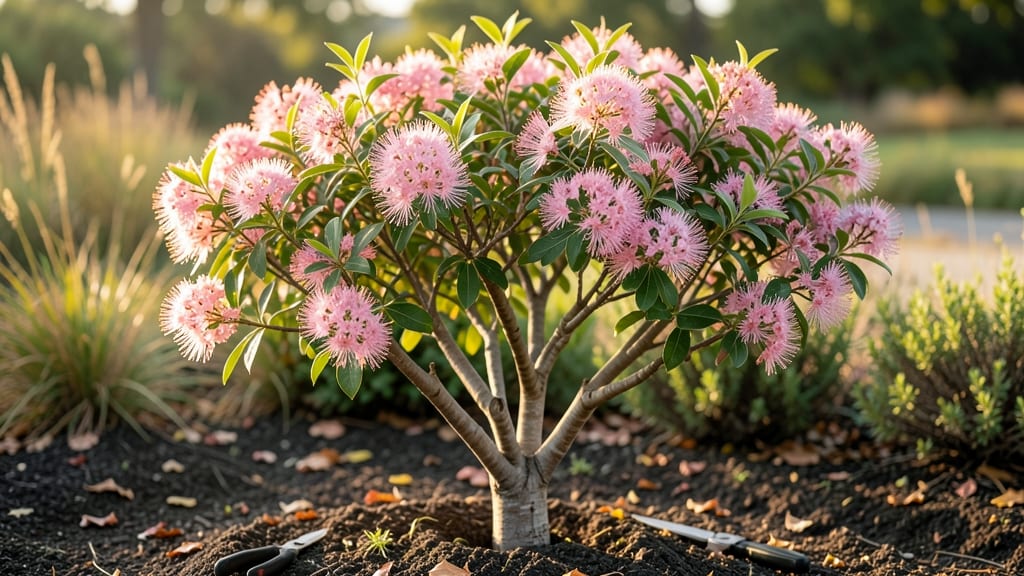
The pink feathery flower tree (likely Ptilotus or Lagerstroemia) transforms any garden into a dreamy, romantic retreat with its cloud-like blooms. 🌸 I’ve pruned these trees for years, and the secret to their abundant, year-round flowers isn’t complicated—it’s all about timing and shape.
Most gardeners over-prune, leaving bare branches, but the right cuts encourage more delicate pink plumes.
This pruning guide focuses on keeping your tree lush and flowering without sacrificing its natural charm. You’ll need basic tools—a pair of sharp pruners, gloves, and a clear morning to work—plus a little patience for the best results.
The goal? A tree that bursts with feathery blooms from spring through fall, making it the star of borders, focal points, or even container plantings.
After pruning, expect a surge of new growth within weeks, with flowers appearing faster than you’d imagine. The tree’s soft pink plumes will contrast beautifully with deep green foliage, and companion plants like lavender or ornamental grasses will enhance its ethereal look.
Place it where you’ll enjoy its delicate display daily—near patios, walkways, or as a standalone specimen.
Works for both formal gardens and relaxed landscapes, and adapts well to containers if space is limited. Let’s get those blooms thriving!
📚 In This Guide
- What you need
- Instructions
- Tips and common mistakes
- Wrapping up and next steps
What you need
- ● Pruning shears: Sharp, bypass pruners (for small branches, 6–8 inches long). Pro tip: 🔥 Sanitize with rubbing alcohol before and after use!
- ● Loppers: 8–12 inches long (for thicker branches, up to 2 inches in diameter).
- ● Pruning saw: Curved-tooth saw (for branches thicker than 2 inches).
- ● Gloves: Heavy-duty, cut-resistant gloves (to protect from thorns or splinters).
- ● Ladder or step stool: Sturdy and tall enough to reach the highest branches safely.
- ○ Disposable pruning bags or bucket: For collecting debris (optional but helpful!).
- ● Rag or paper towels: For cleaning tools and wiping sap.
- ● Hose or spray bottle: To clean tools and rinse sap off cuts.
- ● Pruning sealant: Tree wound sealant (for large cuts, though many experts say it’s unnecessary for crape myrtles!).
- ● Marking spray: Paint or chalk to mark branches for removal (great for planning!).
- ● Safety goggles: To shield eyes from debris.
- ● First-aid kit: Just in case (thorns can be sneaky!).
- ● Check the best pruning time for your tree—late winter or early spring (before new growth starts).
- ● Ensure the tree is healthy (no signs of disease or pests). If issues exist, address them first!
- ● Choose a dry, calm day to avoid spreading sap or attracting pests.
Step-by-Step guide to pruning your pink feathery flower tree
Here’s how I keep my tree blooming beautifully—no guesswork, just clear steps.
✂️ Step 1: Prune Dead or Diseased Branches First
Start by removing any branches that are brown, brittle, or showing signs of disease. Use clean, sharp pruning shears to make cuts at a 45-degree angle about ¼ inch above a bud or lateral branch. This prevents water from pooling on the wound and encourages new growth.
I always do this in late winter or early spring before new growth begins. You’ll know a branch is dead if it snaps easily when bent or has no green underneath the bark when you scrape it. Never leave dead wood—it weakens the tree and can spread disease.
✂️ Step 2: Thin Out Overcrowded Branches for Better Airflow
Next, look for branches that are rubbing against each other or growing inward. These compete for sunlight and nutrients, reducing bloom quality. Use your shears to remove one-third of the thickest branches in each cluster, cutting back to the main stem or a strong lateral branch.
Here’s the thing—thinning isn’t about cutting back to a specific length. Instead, focus on spacing. Aim for 6-8 inches between branches so air circulates freely. This prevents fungal issues and lets sunlight reach all parts of the tree for even blooming.
✂️ Step 3: Shape the Tree for Fuller Growth
Now’s the time to shape your tree. Step back and visualize how you want it to look—most pink feathery flower trees (like crape myrtles or abutilons) respond well to an open, vase-like shape. Start by trimming back the tips of the longest branches by about ⅓ of their length. This encourages bushier growth lower down.
For a more formal look, you can also prune to create a slightly rounded top. Just avoid cutting into old wood—new growth comes from the current year’s branches. Watch for new buds forming along the stems; these will tell you where fresh blooms will appear.
✂️ Step 4: Lightly Trim for Blooms (If Needed)
If your tree is already well-shaped but you want even more flowers, give it a light trim in early summer after the first flush of blooms. Cut back the tips of the current year’s growth by about 1-2 inches. This stimulates a second round of blooms later in the season.
Don’t overdo it—too much pruning now can reduce fall color. I usually skip heavy pruning in summer unless removing a few straggly branches. The key is balance: enough to encourage new growth, but not so much that you stress the tree.
⏰ Step 5: Clean Up and Monitor for New Growth
After pruning, rake up all the clippings and dispose of them properly—don’t compost diseased branches. Wipe down your shears with rubbing alcohol to prevent spreading any pathogens. Now, keep an eye on the tree for new shoots emerging within 2-4 weeks.
Here’s where it gets fun—watch the tree fill out with fresh foliage and buds. If you notice any weak or leggy growth, give those branches a slight trim in the next pruning cycle. Regular light pruning keeps your pink feathery flower tree looking its best year after year.
Tips & tricks for perfect pink feathery flower tree pruning
These simple strategies will help you transform your pruning routine into a bloom-boosting ritual.
Timing is Everything: Late winter or early spring is the perfect window for Step 1 pruning because your tree is still dormant. This timing gives new growth time to establish before summer heat arrives. I've learned the hard way—pruning too early can expose tender buds to frost damage, while waiting too long risks missing the optimal growth window.
Tool Technique: Always use clean, sharp pruning shears—dull blades crush stems instead of making clean cuts. For Step 2 thinning, I recommend using a small pruning saw for thicker branches over 1 inch in diameter. The 45-degree angle cut in Step 1 isn't just aesthetic; it helps water run off the wound, preventing rot. Remember to sterilize your tools between cuts, especially when dealing with diseased branches.
Visual Cues for Healthy Growth: When shaping in Step 3, look for branches with new buds forming—they'll appear as small swellings along the stem. These are your growth indicators! For Step 4 summer trimming, focus on cutting just above a leaf node where new growth typically emerges. This simple visual check ensures you're encouraging future blooms rather than removing potential flower sites.
Seasonal Strategy: The 2-4 week monitoring period in Step 5 is crucial for catching any issues early. If you notice new shoots growing too close together, give them a light trim in their second year to maintain that ideal 6-8 inch spacing from Step 2. This ongoing attention prevents overcrowding that can lead to poor air circulation and reduced blooming.
Pro Tips for Pink Feathery Flower Tree
- These simple strategies will help you transform your pruning routine into a bloom-boosting ritual.
- Timing is Everything: Late winter or early spring is the perfect window for Step 1 pruning because your tree is still dormant.
- Tool Technique: Always use clean, sharp pruning shears—dull blades crush stems instead of making clean cuts.
Frequently asked questions
Got questions about keeping your pink feathery flower tree blooming beautifully?
You’re not alone! Here are the most common queries—and expert answers—to help you prune like a pro.
What’s the best time of year to prune my pink feathery flower tree for maximum blooms?
The ideal time is late winter or early spring, just before new growth begins. This ensures you’re cutting back dormant wood while avoiding the risk of frost damage. For lighter maintenance, a second pruning after flowering (summer) can encourage more blooms—but avoid heavy cuts then.
How often should I prune my tree to keep it healthy and flowering?
Prune once a year for most varieties (like Lagerstroemia or Hibiscus), but some feathery bloomers (e.g., Coral Ardisia) may need light trimming every 6–8 months. Focus on removing dead, crossing, or overcrowded branches to improve airflow and sunlight penetration—key for vibrant pink blooms!
What should I do if my tree isn’t blooming after pruning?
Check these fixes:
- Light exposure: Ensure it gets 6+ hours of sunlight daily—feathery flowers often need full sun.
- Over-pruning: Avoid cutting back more than 1/3 of the canopy at once.
- Fertilizer: Use a balanced, bloom-boosting fertilizer (like 10-10-10) in early spring.
- Age: Young trees may take 2–3 years to flower after planting.
Can I prune my pink feathery flower tree in fall, or will it harm the blooms?
Pruning in fall is risky because it removes next year’s flower buds (which form on old wood). If you must prune, do it lightly to shape the tree and remove only dead/diseased branches. Wait until late winter for full pruning to protect your feathery pink blooms!
Are there alternatives to pruning that can help my tree bloom more?
Yes! Try these low-effort boosts alongside pruning:
- Water deeply (1–2 inches per week) during dry spells—stress reduces blooms.
- Mulch around the base (2–3 inches) to retain moisture and nutrients.
- Deadhead spent flowers (remove faded blooms) to redirect energy to new growth.
- Avoid heavy nitrogen fertilizer—it promotes leafy growth over flowers.
Wrapping up and next steps
Transforming your pink feathery flower tree into a year-round blooming beauty is totally within reach! With the right tools, timing, and techniques—like pruning in late winter or early spring and removing spent flowers—you’ll encourage lush, vibrant blooms that steal the show. 🌸
Ready to give your tree the TLC it deserves? Start by grabbing your pruners and scheduling your first pruning session this season. Watch as your tree rewards you with abundant, feathery pink flowers that bring joy and color to your garden all year!