
Pruning
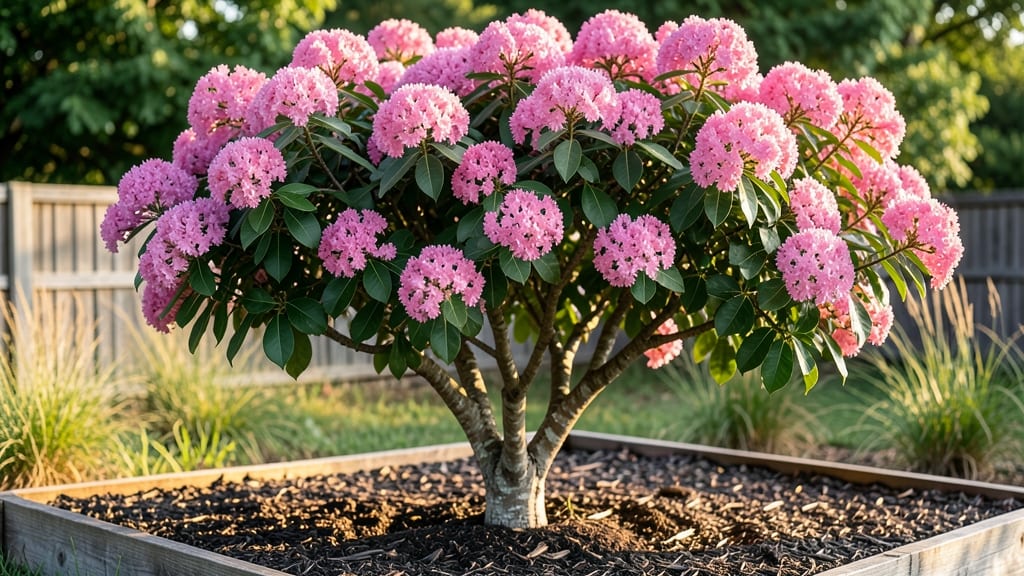
A big pink flower tree can transform your yard into a showstopper—if you prune it right. I’ve pruned crape myrtles, dogwoods, and jacarandas for years, and these three cuts keep them blooming like they’re in a botanical garden. The key isn’t complexity—it’s timing and precision.
Most people over-prune, turning their trees into sad, skeletal shadows. But with the right approach, you’ll encourage lush, vibrant blooms year-round. Start by removing dead or crossing branches first—this clears the way for new growth.
Then focus on shaping the canopy to highlight those stunning pink flowers. It’s simpler than it sounds, and the results are stunning.
After pruning, your tree will reward you with bold, healthy blooms that draw in hummingbirds and neighbors alike. The pink flowers will stand out against any backdrop, whether you pair them with green shrubs, white mulch, or purple annuals. Think of it as an instant focal point that keeps giving.
Works for crape myrtles, dogwoods, and even jacarandas—just adjust timing based on your climate. Spring is ideal, but a light trim in summer can extend the bloom season. Your tree will thank you with season after season of eye-catching color.
📚 In This Guide
- What you need
- Instructions
- Tips and common mistakes
- Wrapping up and next steps
What you need
- ● Pruning shears: Bypass pruners (sharp, 6–8" blades) for small branches.
- ● Loppers: 1 pair (18–24" handles) for thicker branches (½–2" diameter).
- ● Pruning saw: 1 handheld saw (for branches >2" thick).
- ● Disinfectant: 70% isopropyl alcohol or bleach solution (1 part bleach:9 parts water) to sterilize tools.
- ● Gloves: Heavy-duty work gloves (cut-resistant for safety).
- ○ Pruning sealant: Optional (e.g., tree wound paint) for large cuts.
- ● Extension pole: 6–10 ft (for high branches).
- ● Bucket or bag: 1 gallon-sized for trimmings (compostable if possible!).
- ● Tree growth regulator: Pruning paste to protect cuts on sensitive trees.
- ● Ladder: Sturdy, non-slip (if branches are >10 ft high).
- ● Marking spray: Fluorescent paint to tag branches for removal.
- ● Safety glasses: For debris protection.
- ● Notebook: To sketch pruning plans or track growth.
- ● Know your tree! Research whether it’s a spring bloomer (like redbud) or summer bloomer (like crape myrtle) to prune at the right time.
- ● Check local regulations—some areas restrict pruning during nesting seasons (spring/summer).
- ● Dress for the weather: Long sleeves, closed-toe shoes, and sunscreen if working outdoors.
How to prune a big pink flower tree for continuous blooms
Three strategic cuts will keep your tree vibrant and flowering all year—no complicated techniques needed.
✂️ Step 1: Prune Dead or Diseased Branches First
Start by removing any branches that are brown, brittle, or showing signs of disease. These are the easiest cuts to spot—they’ll be dry, cracked, or covered in spots. Use clean, sharp pruners to make a clean cut just outside the branch collar, where the branch meets the trunk. This prevents unsightly stubs and helps the tree heal faster.
Here’s the thing—don’t skip this step, even if the branches look minor. Dead wood can harbor pests and diseases that spread to healthy parts of the tree. If you’re unsure whether a branch is dead, scratch the bark with your fingernail. If it’s brown underneath, it’s dead and needs to go.
Work your way around the tree, checking all angles. You’ll notice the tree’s natural shape start to emerge as you remove these unsightly branches. Keep your cuts at a 45-degree angle if the branch is thicker than ½ inch—this helps water run off instead of pooling and causing rot.
✂️ Step 2: Thin Out Crowded Branches for Better Airflow
Next, focus on branches that are growing too close together. These create a dense canopy that blocks sunlight and air circulation, which can lead to fungal issues and fewer blooms. Look for branches that cross over each other or rub against one another—they’re prime candidates for removal.
I like to start at the outer edges of the tree and work my way inward. Remove about one-third of the branches in this step, but don’t overdo it. The goal is to open up the tree so light can reach the center. You’ll see the difference immediately—more sunlight hits the inner branches, which encourages new growth and more flowers.
When thinning, cut branches back to a bud or side branch that’s growing outward. Avoid leaving stubs, as they can trap moisture and invite disease. If you’re unsure which branch to keep, choose the one that’s growing at a better angle or is healthier overall.
✂️ Step 3: Shape and Encourage New Growth
Now it’s time to shape the tree and encourage more blooms. Focus on branches that are growing inward or downward—they’ll compete with stronger branches for nutrients and light. Cut these back to a strong outward-facing bud or side branch. This redirects the tree’s energy toward upward and outward growth, which leads to a fuller, more flowering tree.
Real talk: This is where most people make mistakes. They either cut too much or too little. For most big pink flower trees, no more than 25% of the tree’s foliage should be removed in a single pruning session. You’ll know you’ve done it right when the tree still looks full but has a more open, balanced shape.
After shaping, give the tree a light watering to help it recover. You’ll see new growth emerge within 4-6 weeks, and with proper care, your tree will reward you with year-round blooms. The key is consistency—prune lightly every 3-4 months to maintain the shape and encourage continuous flowering.
Tips & tricks for perfect big pink flower tree pruning
These simple strategies will help you prune like a pro without overcomplicating things.
Tool Prep: Sterilize your pruners with rubbing alcohol before you start—this prevents spreading disease between cuts. I learned this the hard way after seeing new infections appear after pruning. Sharp tools make cleaner cuts, which heal faster and look more professional. If your pruners feel dull, sharpen them before beginning Step 1.
Visual Cues for Step 1: When checking for dead branches in Step 1, look for these three telltale signs: branches that snap easily when bent, bark that peels away from the wood, or leaves that were once green but have turned brown. Healthy branches will bend slightly without breaking and have green bark underneath when scratched. This visual check saves time compared to guessing which branches to remove.
Branch Selection Strategy: In Step 2, prioritize removing branches that are growing straight up—these compete with the tree's natural outward growth pattern. Also watch for branches that grow directly toward the center of the tree, as these block sunlight from reaching inner foliage. The goal is to create an open vase shape that allows light to penetrate to the middle, which is where most blooms develop.
Post-Pruning Care: After completing all three steps, apply a thin layer of pruning sealant to larger cuts (over ½ inch thick). This prevents moisture loss and reduces the risk of disease entering through exposed wood. Water thoroughly immediately after pruning to help the tree recover—this is especially important if you removed more than 25% of the foliage, as the tree will need extra hydration to support new growth.
Pro Tips for Big Pink Flower Tree
- These simple strategies will help you prune like a pro without overcomplicating things.
- Tool Prep: Sterilize your pruners with rubbing alcohol before you start—this prevents spreading disease between cuts.
- Healthy branches will bend slightly without breaking and have green bark underneath when scratched.
Frequently asked questions
Got questions about keeping your big pink flower tree (like the stunning Cercis canadensis ‘Alba’ or Lagerstroemia ‘Natchez’) blooming year-round? Here are the most common ones—and their easy answers!
When is the best time to prune for maximum pink blooms?
The ideal time is late winter or early spring before buds swell (Feb–March in most zones). This encourages fresh growth and spring blooms. For summer-flowering trees (like crape myrtles), prune right after blooming to avoid cutting off next year’s flowers. Pro tip: Never prune in fall—it stimulates tender growth that may frost-damage!
Can I prune my big pink tree in summer without ruining next year’s flowers?
Yes, but timing matters! For spring-bloomers (like redbuds), avoid summer pruning—it removes next year’s flower buds. For summer-bloomers (like crape myrtles), light pruning in early summer is fine, but skip heavy cuts. Quick fix: Focus on removing dead, crossing, or overcrowded branches first.
What if my tree isn’t blooming as pink as it used to?
Fewer pink blooms often mean over-pruning, poor nutrition, or disease. Check for:
- Thinning canopy? Prune selectively to improve airflow.
- Yellow leaves? Test soil pH—most pink trees thrive in slightly acidic (6.0–7.0) soil.
- Black spots? Fungal issues (like powdery mildew) may need neem oil treatment.
Bonus: A balanced fertilizer (10-10-10) in early spring can boost blooms!
Are there smaller alternatives to big pink flower trees?
If space is tight, try these compact pink bloomers:
- Weigela florida ‘Wine & Roses’ – 3–5 ft tall, vibrant pink flowers.
- Abelia × grandiflora ‘Kaleidoscope’ – 4–6 ft, pink-white blooms year-round.
- Dwarf Crape Myrtle ‘Arapaho’ – 6–8 ft, heat-tolerant pink flowers.
All three are low-maintenance and perfect for containers or small yards!
What’s the worst pruning mistake for a big pink tree?
The top 3 no-nos:
- Pruning too late (after buds form) – cuts off next year’s blooms.
- Over-shearing (topping the tree) – creates ugly, weak growth.
- Ignoring dead wood – invites pests/disease.
Fix it: Use clean, sharp tools and make cuts at a 45° angle just above a bud or branch collar.
Wrapping up and next steps
Pruning your big pink flower tree doesn’t have to be intimidating—just three simple cuts can keep it blooming beautifully year-round! 🌸 With the right tools, timing, and technique, you’ll encourage vibrant growth and stunning flowers while maintaining its health.
Whether you’re a gardening pro or just starting, these steps make it easy to nurture your tree’s natural beauty.
Ready to transform your space? Grab your pruners, mark your calendar for the best seasons, and give your tree the care it deserves. Your future blooms will thank you!