
Trees
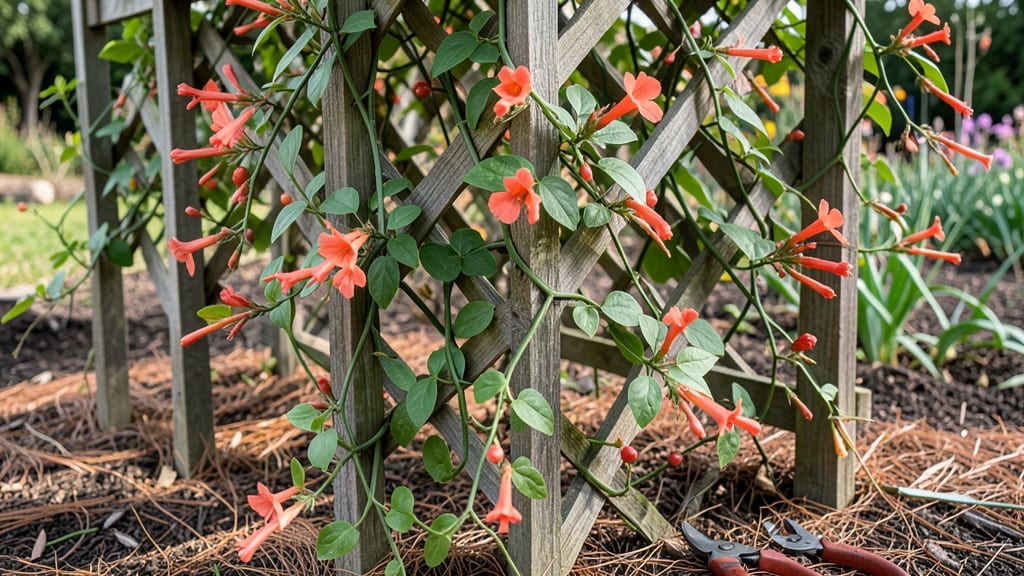
Those fragrant honeysuckle trees—especially in these pictures of honeysuckle trees—bring summer magic to any yard with their intoxicating perfume and cascading blooms. 🌿 I’ll never forget the first time I walked past one in early June—the sweet, honey-like scent stopped me in my tracks, and I realized why pollinators flock to them.
These trees aren’t just beautiful; they’re lifelines for bees, butterflies, and hummingbirds, turning your garden into a thriving ecosystem.
Their versatility is what makes them a designer’s dream. You can grow them as climbing vines on trellises, let them sprawl as dense hedges, or even train them into small trees for focal points.
The flowers—usually tubular and clustered—come in shades of yellow, pink, or white, while the glossy foliage stays lush year-round in warmer climates. Pair them with lavender for a cottage-garden look or plant near hostas to create a layered, textured border.
Seasonal appeal is their secret weapon: fragrant blooms in spring and summer, followed by red or orange berries that birds adore in fall. Even the bark adds winter interest with its peeling, textured beauty.
Once established, they’re low-maintenance and drought-tolerant, making them perfect for busy gardeners who still want high-impact results.
Whether you’re designing a pollinator-friendly meadow or a cozy backyard retreat, honeysuckle trees deliver drama with minimal effort. Let’s explore how to showcase their best features in your own outdoor space—starting with the most stunning varieties to grow.
📚 In This Guide
- What you need
- Instructions
- Tips and common mistakes
- Wrapping up and next steps
What you need
- ● Camera or smartphone – A DSLR or mirrorless camera (with interchangeable lenses) for professional results, or a high-resolution smartphone (e.g., iPhone 15 Pro, Google Pixel 8, or Samsung Galaxy S23 Ultra) for stunning shots.
- ● Tripod – A sturdy tripod (e.g., Manfrotto Befree or Joby GorillaPod) to stabilize shots, especially in low light or windy conditions.
- ● Wide-angle lens (16-35mm) or macro lens (50-100mm) – Ideal for capturing the tree’s height and delicate flowers up close.
- ○ External flash or reflector – Optional but helpful for filling shadows on overcast days (e.g., Godox TT350 or Neewer 480 LED panel).
- ● Notebook & pen – For sketching compositions or noting lighting conditions.
- ● Polarizing filter – Reduces glare and enhances colors in bright sunlight.
- ○ Pruners or garden shears – If trimming branches for better framing (optional, check local regulations!).
- ● Portable stool or step ladder – For safe, elevated shots (e.g., GorillaPod with extendable legs).
- ● Best time to photograph: Early morning or late afternoon for soft, golden light.
- ● Weather check: Overcast days diffuse harsh shadows, while light rain can add a dreamy effect.
- ● Location scouting: Visit honeysuckle-rich areas (e.g., gardens, parks, or rural landscapes) beforehand.
- ○ Optional extras: Drone (e.g., DJI Mini 4 Pro) for aerial shots (check local drone laws!).
- ● Color grading tools (e.g., Lightroom or VSCO presets) for post-processing.
Step-by-Step guide to capturing stunning honeysuckle tree photography
Here's how to frame the fragrant beauty of these trees in their prime.
🌿 Step 1: Scout Locations for Peak Bloom and Lighting
Honeysuckle trees reach their most photogenic moments during late spring to early summer when their clusters of tubular flowers burst into pale yellow, cream, or golden hues. I scout locations at late morning when sunlight is softest—this diffused light eliminates harsh shadows and makes the delicate petals glow. Avoid midday sun, which can create unflattering contrasts between the flowers and foliage.
Look for trees with dense canopies that create natural frames. The way light filters through the leaves creates a dreamy, ethereal effect. If you're photographing in a garden setting, position yourself so the tree's branches form an arch or frame around the subject. This adds depth and draws the viewer's eye into the image.
☀️ Step 2: Adjust Camera Settings for Floral Details
Use a wide aperture (f/2.8 or lower) to create a shallow depth of field, which blurs the background and makes the honeysuckle blossoms stand out. This works best with a macro or telephoto lens—I use a 70-200mm lens for versatility. Set your ISO to 100-400 to avoid graininess, and adjust your shutter speed to compensate for the aperture while keeping the image sharp.
For close-up shots, focus on individual flowers or clusters rather than the entire tree. The intricate details of the petals and stamens are what make honeysuckle so captivating. If you're shooting in overcast conditions, increase your exposure slightly to brighten the scene without losing detail. Always use a tripod or stable surface to prevent camera shake, especially in low-light situations.
🌱 Step 3: Frame for Seasonal Context and Texture
Include background elements that tell a story—whether it's dappled sunlight on the ground, surrounding greenery, or a rustic fence. These details add context and make the image feel more immersive. I like to experiment with leading lines, such as branches or pathways, to guide the viewer's eye toward the flowers.
Pay attention to the texture of the leaves and bark—honeysuckle trees have a unique, slightly rough bark that contrasts beautifully with the smooth petals. Shoot from multiple angles: overhead for a bird's-eye view of the canopy, low-angle shots to emphasize height, and side profiles to capture the tree's natural shape. This variety ensures you have dynamic, engaging images to choose from.
⏰ Step 4: Capture Movement and Fragrance Through Composition
Honeysuckle trees are famous for their sweet, intoxicating scent, so even if you can't capture the aroma, you can imply it through motion. Use a slow shutter speed (1/30s or slower) to create motion blur when bees or butterflies visit the flowers. This adds a sense of life and energy to the image.
If you're photographing in a garden, include subtle hints of activity—a bee hovering near the flowers, a gentle breeze rustling the leaves, or dappled sunlight shifting across the petals. These elements bring the scene to life and make the viewer feel like they're standing right there, surrounded by the tree's natural beauty. Always shoot in RAW format to preserve detail for editing later.
🪴 Step 5: Edit for Softness and Natural Contrast
In post-processing, enhance the softness of the petals and the warm tones of the flowers using a gentle warmth filter. I avoid over-saturating the colors—honeysuckle's natural hues are delicate and should remain subtle. Use selective sharpening to emphasize the texture of the petals and stamens while keeping the background softly blurred.
Adjust the exposure and contrast to ensure the flowers pop against the greenery. A slight vignette can help draw attention to the center of the image, where the most vibrant flowers are located. Finally, check for consistency in white balance—honeysuckle's pale tones can sometimes appear too cool, so a touch of warmth brings them to life. Save your edits in high resolution for printing or sharing.
Tips & tricks for perfect honeysuckle tree photography
Here's what I've learned after countless shoots to capture honeysuckle's ethereal beauty.
Lighting is Everything: The soft light of late morning (as mentioned in Step 1) is your golden window—literally. If you miss this timing, try overcast days when diffused light naturally softens shadows. I've ruined shots by waiting for midday sun, thinking it would be brighter, only to get harsh contrasts that wash out the delicate petals. Trust the science of light diffusion—it's why these pale flowers glow so beautifully.
Lens Selection Matters: That 70-200mm lens in Step 2 is versatile, but for true macro shots, invest in a 100mm macro lens if possible. The intricate details of honeysuckle stamens and pollen become magical at 1:1 magnification. If you don't have a macro lens, set your telephoto to its maximum zoom and focus manually—just be ready to compose carefully as your depth of field shrinks dramatically.
Composition Secrets: The natural frames from dense canopies (Step 1) work wonders, but don't overlook the power of negative space. Leave room around your subject to emphasize the delicate flowers against their surroundings. I've found that placing the main cluster slightly off-center creates more dynamic compositions—this works especially well when you have a clear sky or open space in the background.
Movement Capture: For those slow shutter speeds in Step 4, practice makes perfect. Start with 1/30s and work your way slower as you gain confidence. I recommend using manual mode for this—set your aperture first (f/2.8 or lower), then dial in your shutter speed while keeping an eye on your histogram. If you're shooting handheld, brace yourself against the tree or use a bean bag for your camera to minimize shake. The motion blur from bees adds magic, but you can also create it yourself by gently swaying the tree branches during exposure.
Pro Tips for Pictures Of Honeysuckle Trees
- Here's what I've learned after countless shoots to capture honeysuckle's ethereal beauty.
- Lighting is Everything: The soft light of late morning (as mentioned in Step 1) is your golden window—literally.
- Lens Selection Matters: That 70-200mm lens in Step 2 is versatile, but for true macro shots, invest in a 100mm macro lens if possible.
Frequently asked questions
Got questions about honeysuckle trees? You’re not alone! Here are some of the most common inquiries—plus quick, practical answers to help you make the most of these fragrant beauties.
What’s the best time of year to see honeysuckle trees in full bloom?
Honeysuckle trees typically bloom in late spring to early summer (May–July in most regions). For the most vibrant displays, plan a visit during peak bloom—when clusters of tubular flowers burst into fragrant pink, white, or yellow hues. Pro tip: Morning visits maximize scent and color intensity!
How do I identify a honeysuckle tree if I’m not sure it’s the right species?
Look for opposite branching, heart-shaped leaves, and long clusters of tubular flowers (often with a sweet, intoxicating aroma). Common varieties like Lonicera sempervirens (trumpet honeysuckle) have twining vines, while Lonicera maackii (Amur honeysuckle) grows as a shrub or small tree. Snap a photo and compare it to online guides!
Are honeysuckle trees invasive in my area? Should I remove them?
Some honeysuckle species (like Lonicera japonica or Lonicera maackii) are highly invasive in parts of the U.S. and can outcompete native plants. Check your state’s invasive species database before planting. If you already have one, consider controlled removal or replacing it with native alternatives like virginia creeper or butterfly bush.
Can I eat the berries or flowers from honeysuckle trees?
While some honeysuckle flowers (like edible honeysuckle, Lonicera comosa) are safe to eat raw or in teas, most varieties are toxic if ingested. Berries can also be harmful. Always double-check the species before consuming—when in doubt, admire them from afar!
Why aren’t my honeysuckle flowers fragrant this year?
Several factors can dull honeysuckle’s signature scent: poor soil nutrition (add compost!), lack of sunlight (they need 6+ hours/day), or pesticide use (skip chemicals—pests are part of the ecosystem!). Prune dead blooms in early spring to encourage fresh, fragrant growth. If the problem persists, test your soil’s pH (ideal: 6.0–7.0).
Wrapping up and next steps
From their intoxicating fragrance to their stunning blooms, honeysuckle trees are nature’s way of adding charm and serenity to any space. Whether you’re drawn to their vibrant pictures or dreaming of cultivating one, these trees offer beauty, versatility, and a touch of whimsy. 🌿✨
Now that you’re inspired, why not take the next step? Visit a local nursery, snap some photos of your favorite honeysuckle varieties, or even sketch a design for your own fragrant garden. The world of honeysuckle awaits—go explore and enjoy!