
Shrubs
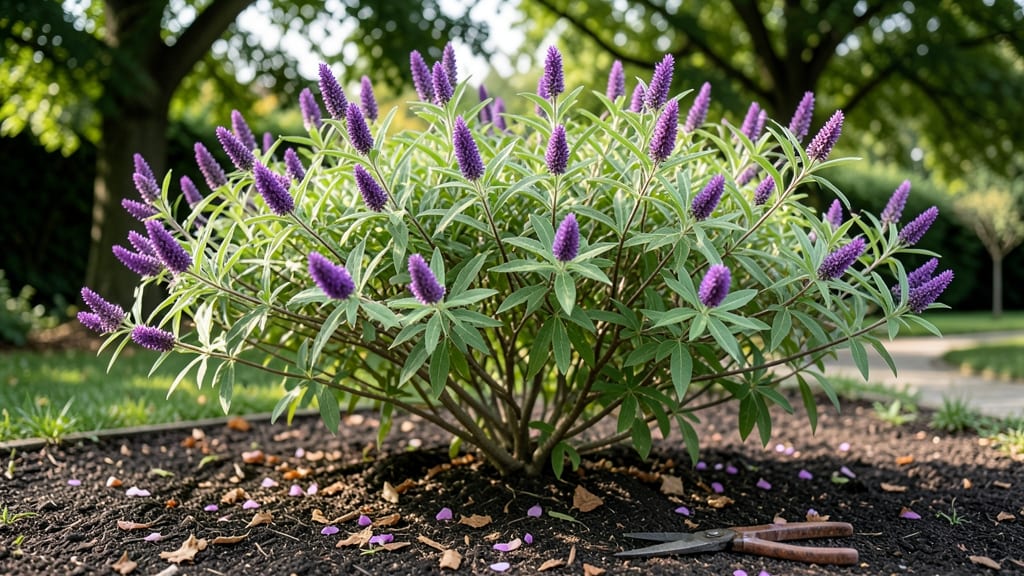
Planting a butterfly bush tree means inviting a nonstop parade of pollinators to your yard—hummingbirds, bees, and butterflies will flock to its fragrant blooms from early summer straight through fall. 🌿 I learned the hard way that its success hinges on four strategic prunes each year, not just one, and the timing makes all the difference between a bush that thrives and one that sprawls into a tangled mess.
The secret lies in matching its needs to your climate: full sun, well-draining soil, and zones 5-9 hardiness. Most people overwater it, but butterfly bushes tolerate drought once established—just keep the roots moist for the first year.
The real magic happens when you prune in late winter, right after blooming, and again in early summer to shape it and encourage those long, lush stems covered in tiny flowers.
By mid-summer, you’ll have a vibrant green bush buzzing with activity, its branches heavy with blooms that attract monarchs and swallowtails. The fragrance alone makes it worth growing, but the sheer volume of pollinators transforms your garden into a living ecosystem.
Even in small spaces, this plant delivers outsized rewards with minimal fuss.
Whether you’re in a suburban backyard or a city balcony, this bush adapts—just adjust your pruning schedule to match your local frost dates. The key is patience: it takes two seasons to reach its full potential, but once it does, you’ll wonder how you ever gardened without one.
Let’s get those roots in the ground!
📚 In This Guide
- What you need
- Instructions
- Tips and common mistakes
- Wrapping up and next steps
What you need
- ● Butterfly bush plant: Choose between: Nursery-grown sapling (1–3 years old, 1–3 ft tall) 🌿
- ● Seeds (requires stratification for best results) ❄️
- ● Rooted cuttings (from an established plant) ✂️
- ● Well-draining soil: Mix garden soil with: Compost (20–30% by volume) 🌱
- ● Perlite or sand (10–20%) for aeration ⛏️
- ● Fertilizer: Slow-release, balanced (10-10-10) or low-phosphorus (5-10-5) for blooms 🌸
- ● Mulch: Wood chips or shredded bark (2–3 inches) to retain moisture 🌳
- ● Garden trowel or shovel (for planting) 🔨
- ● Pruning shears (sharp, sterilized) ✂️
- ● Gloves (heavy-duty for handling thorny stems) 🧤
- ● Watering can or hose with a gentle spray nozzle 💦
- ○ Optional but helpful: Soil pH test kit (ideal pH: 6.0–7.0) 📊
- ● Staking system (for young plants in windy areas) 🌪️
- ● Butterfly-attracting companion plants (e.g., milkweed, coneflowers) 🦋
- ● Sunlight: Full sun (6+ hours daily) ☀️
- ● Climate: Hardy in USDA Zones 5–9 (may need winter protection in colder zones) ❄️
- ● Space: Mature height of 6–15 ft; plant 5–10 ft apart for airflow 📏
- ● Watering routine: Deep watering 1–2 times per week (drought-tolerant once established) 💧
How to prune a butterfly bush for continuous blooms
Here’s the pruning strategy that keeps your butterfly bush flowering nonstop—no guessing, just proven timing and technique.
✂️ Step 1: Late Winter Cleanup (Before New Growth)
Start in late February or early March, just as buds swell but before any green appears. This is your chance to remove last year’s dead wood and shape the plant for the season. Grab your pruners and cut back all stems to within 6-12 inches of the ground—yes, even the thickest ones. The bush will look brutal, but trust me, it’s making room for stronger new growth.
Look for stems that are hollow, cracked, or completely bare with no buds. These are dead and should be cut back to the base. Healthy stems have at least one or two plump, brown buds ready to burst. If you’re unsure, make the cut—you can always adjust later. This step prevents disease and gives your bush a fresh start.
✂️ Step 2: Post-Bloom Thinning (Mid-to-Late Summer)
Once your butterfly bush finishes blooming—usually June or July, depending on your climate—it’s time for the second prune. Cut back about one-third of the oldest stems to the ground. These are the stems that bloomed earlier in the season, and they’re done for the year. Focus on the thickest, most mature branches first.
Here’s the trick: never cut back more than one-third of the plant at once. You’ll see new growth shooting up from the base, but don’t panic if it looks sparse. This prune forces the bush to redirect energy to younger, more vigorous stems that will bloom again in fall. Water deeply after pruning to help the plant recover.
✂️ Step 3: Light Renewal Prune (Early Fall)
In early September, give your butterfly bush a lighter touch. This is about maintenance, not drastic cuts. Remove any dead, diseased, or crossing branches that rub against each other. Thin out crowded areas to improve airflow—this prevents fungal issues and keeps flowers accessible to pollinators.
Look for stems that are growing inward or blocking sunlight from the center of the bush. Cut these back to an outward-facing bud or branch. You’ll notice the bush starts to fill out more evenly, and next year’s blooms will be denser. Avoid heavy pruning now; you want to leave enough foliage to support photosynthesis through the fall.
✂️ Step 4: Minimal Winter Prep (Late Fall)
In November, do a final walkthrough. Remove any weak, spindly growth that appeared after the fall prune—these stems won’t survive winter and will detract from next year’s shape. Cut back any stems that are less than pencil-thick or growing in odd directions. This keeps the bush tidy and reduces stress on the plant.
Here’s where it gets easy: stop pruning after this. Let the bush enter dormancy with a clean slate. Mulch around the base with 2-3 inches of organic mulch (like shredded bark) to protect roots from freezing temperatures. Your butterfly bush will thank you with bold new growth in spring and even more blooms throughout the year.
Tips & tricks for perfect butterfly bush pruning
Here's what nobody tells you about keeping your butterfly bush blooming like clockwork all year.
Timing is Everything: That late February/March window for Step 1 is crucial—wait too long and you'll cut off new growth. Check for swollen buds (they should feel firm but not yet green) and prune before any leaves appear. In colder zones, delay until March when daytime temps consistently reach 50°F. This timing ensures you're removing last year's dead wood while preserving next season's potential.
The One-Third Rule: When you're doing Step 2's post-bloom thinning, mark the oldest stems with a ribbon before cutting. These are the ones that bloomed first in spring and are now done for the year. Never take more than one-third at once—this prevents shocking the plant. I've seen gardeners cut back half the bush in one go, and it takes years to recover that bloom potential.
Visual Pruning Cues: In Step 3, look for stems growing at odd angles or crossing others—they'll create weak spots where diseases hide. Cut to an outward-facing bud to encourage bushier growth. For Step 4, weak stems will feel soft when you gently squeeze them, while healthy ones have firm, woody texture. This visual check saves you from guessing which stems to remove.
Seasonal Pruning Hack: After your November prep, take photos of your pruned bush from all angles. Compare them to next year's growth—you'll notice patterns in how certain cuts encourage fuller blooms. This becomes your personal pruning reference guide for years to come.
Pro Tips for Butterfly Bush Tree
- Here's what nobody tells you about keeping your butterfly bush blooming like clockwork all year.
- Timing is Everything: That late February/March window for Step 1 is crucial—wait too long and you'll cut off new growth.
- The One-Third Rule: When you're doing Step 2's post-bloom thinning, mark the oldest stems with a ribbon before cutting.
Frequently asked questions
Got questions about growing and caring for your butterfly bush tree?
Here are answers to the most common ones—from planting to pruning and everything in between!
When is the best time to plant a butterfly bush tree?
The ideal time to plant a butterfly bush is in early spring or fall when temperatures are mild. This gives the roots time to establish before extreme heat or cold sets in. Avoid planting in late summer or winter, as harsh conditions can stress young plants.
How often should I prune my butterfly bush, and when?
Prune your butterfly bush four times a year for year-round blooms: late winter (to shape and remove dead wood), right after spring blooms (to encourage new growth), mid-summer (to maintain shape), and fall (light cleanup). Always use clean, sharp shears to avoid disease.
Are butterfly bushes prone to pests or diseases?
While generally hardy, butterfly bushes can attract aphids, spider mites, or powdery mildew in humid climates. To prevent issues, ensure good airflow, water at the base (not leaves), and prune regularly. If pests appear, use insecticidal soap or neem oil for treatment.
Why isn’t my butterfly bush blooming as much as it should?
Poor blooming often stems from over-fertilizing (too much nitrogen), lack of sunlight, or improper pruning. Ensure it gets 6+ hours of sun daily, prune correctly, and use a balanced, low-nitrogen fertilizer in early spring. Deadheading spent blooms can also encourage more flowers!
What are some good alternatives to butterfly bushes?
If you’re looking for low-maintenance, pollinator-friendly alternatives, consider:
- Butterfly weed (Asclepias tuberosa) – Drought-tolerant and attracts monarchs.
- Russian sage (Perovskia atriplicifolia) – Fragrant, drought-resistant, and deer-resistant.
- Coneflower (Echinacea purpurea) – Long-blooming and great for wildlife.
- Dwarf butterfly bush (Buddleja davidii ‘Nanho Blue’) – Compact version with similar benefits.
Wrapping up and next steps
Growing a butterfly bush tree is a rewarding way to attract pollinators, boost your garden’s beauty, and enjoy year-round blooms with minimal effort—thanks to its adaptable nature and easy-care pruning routine! 🌸 Whether you’re a seasoned gardener or just starting out, this hardy shrub thrives with the right sunlight, soil, and a little strategic trimming.
Now that you’re armed with the when, why, and how of pruning, it’s time to roll up your sleeves and give your butterfly bush the TLC it deserves.
Ready to transform your outdoor space? Start by choosing a sunny spot in your garden, grab your pruners, and get ready to watch your butterfly bush flourish!
For extra inspiration, check out local gardening forums or plant communities to share your progress—or ask for tips from fellow enthusiasts. Happy gardening! 🌿