
Propagation
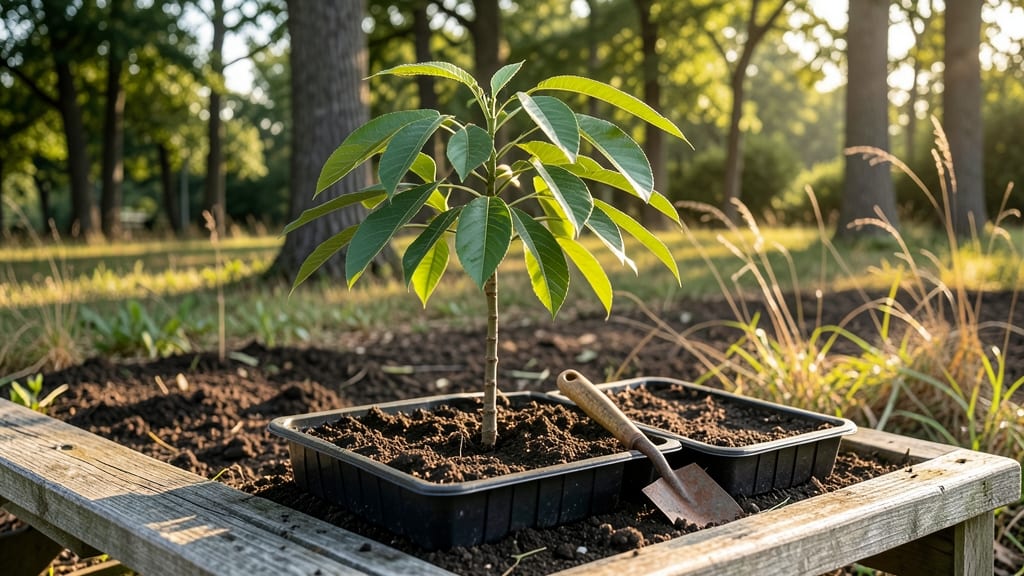
Growing a pecan tree from seed is the ultimate long-game gardening project—no nursery shortcuts, just raw patience and the satisfaction of watching a mighty oak-like canopy emerge from a single nut. 🌱 I’ve started pecans from seed three times, and each attempt taught me how climate, soil, and timing conspire to either reward you with a thriving tree or frustrate you into buying one instead.
The first year is all about foolproof germination; years two and three are where the real magic happens.
Here’s the thing—this isn’t a quick harvest. You’re not planting a fast-growing bush; you’re nurturing a tree that could take 10-15 years to bear nuts, but the journey is what makes it special.
Start with fresh, plump pecans from a known variety (store-bought nuts often won’t germinate), then cold-stratify them for 60-90 days to break dormancy. The soil mix matters too: pecans hate soggy feet, so well-draining, slightly acidic soil is non-negotiable.
By year three, you’ll have a 10-foot-tall sapling with a sturdy trunk and branches reaching for the sky.
The leaves will be glossy and vibrant, and if you’ve given it enough space (pecans need 30+ feet between trees for proper growth), it’ll start putting energy into roots and structure instead of competing with neighbors.
That’s when the real work begins—protecting it from pests, ensuring deep watering during droughts, and crossing your fingers for the first tiny flowers.
This method works best in USDA Zones 6-9, where pecans thrive naturally. If you’re in a colder zone, plant near a south-facing wall for winter protection. The key is consistency: pecans reward patience, but they won’t tolerate neglect. Ready to plant the seed of a future food forest?
📚 In This Guide
- What you need
- Instructions
- Tips and common mistakes
- Wrapping up and next steps
What you need
- ● Fresh pecan seeds: 3–5 high-quality, disease-free pecan nuts (preferably from a mature tree). Pro tip: 💡 Choose plump, unblemished nuts for the best germination rates!
- ● Scissors or pruning shears: Sharp pair for carefully cutting open the hard shell.
- ● Small pots or seed trays: 4–6 small containers (4–6 inches deep) with drainage holes.
- ● Well-draining potting mix: A blend of 50% peat moss or coco coir, 30% perlite or vermiculite, and 20% sand (sterilized).
- ● Plastic wrap or humidity dome: To maintain moisture during germination.
- ● Spray bottle: For gentle watering to avoid disturbing seeds.
- ● Grow lights or sunny windowsill: A warm, bright spot (70–80°F) for seedling growth.
- ● Larger nursery pots (1–2 gallons): For transplanting seedlings after 6–8 weeks.
- ● Seed stratification setup (e.g., refrigerator or cold frame) if starting in late fall/winter.
- ● Rooting hormone (to boost early growth).
- ● Soil moisture meter (to track hydration levels).
- ● Label markers (to track seed varieties and planting dates).
Step-by-step guide to growing a pecan tree from seed
Here's how I turn a single pecan into a thriving young tree in just a few seasons.
🌱 Step 1: Stratify and Germinate the Seed
Start with fresh, plump pecans—old or shriveled nuts won't sprout. Place them in a paper towel or moistened peat moss inside a sealed plastic bag. Store this setup in your fridge's vegetable crisper for 60-90 days. This cold stratification mimics winter conditions and breaks seed dormancy.
Check the pecans every 2 weeks. You'll see a tiny white root emerge first—this is your signal the seed is ready. Once roots appear, remove the nut from the fridge and place it in a small pot with well-draining potting mix. Keep the pot in a warm spot (70-75°F) with bright, indirect light.
🌿 Step 2: Nurture the Sprout Through Its First Year
Keep the soil consistently moist but never soggy. Pecan seedlings hate wet feet, so use a pot with drainage holes. When the first true leaves appear (not the initial seed leaves), move the seedling to a larger pot (4-6 inches deep) with fresh potting mix. This gives roots room to grow without becoming root-bound.
Place the pot in a sunny window or under a grow light for 12-14 hours daily. You'll notice the stem lengthen and leaves darken as the seedling strengthens. By fall, your tiny sapling will be ready for its first outdoor adventure—just keep it in a sheltered spot until temperatures drop below 40°F.
☀️ Step 3: Transition to Outdoor Growing Conditions
In early spring, plant your seedling in a permanent spot with full sun exposure. Pecans love deep, well-draining soil—amend heavy clay with compost to improve aeration. Dig a hole twice as wide as the root ball but only as deep. Place the seedling in, backfill with soil, and water deeply to settle everything.
Stake the young tree if needed, especially in windy areas. Mulch around the base with 2-3 inches of organic mulch to retain moisture and suppress weeds. Water deeply once a week during dry spells, letting the soil dry slightly between waterings. You'll see new growth in 4-6 weeks—this is your reward for patience.
✂️ Step 4: Prune and Support Growth in Year Two
Focus on removing any crossing branches or dead growth to encourage a strong structure. Pecan trees develop slowly, so resist the urge to prune heavily. Instead, let the tree grow naturally while you monitor its shape. In late winter, prune any weak or damaged branches back to healthy growth points.
Fertilize lightly in early spring with a balanced 10-10-10 fertilizer to support root and shoot growth. Avoid over-fertilizing—pecans are sensitive to excess nitrogen, which can lead to weak wood. By the end of its second year, your tree should stand 6-8 feet tall with a sturdy trunk.
Tips & tricks for perfect pecan tree growth
Turning a pecan into a tree takes patience, but these little tricks will help you avoid common pitfalls and give your seedling the best start possible.
The Stratification Secret: Don't rush the 60-90 day cold treatment—this is non-negotiable for breaking dormancy. I've tried skipping it, and the seeds either never sprout or produce weak seedlings. Place your sealed bag in the fridge's vegetable crisper where temps stay consistently cool (around 35-40°F), and check every two weeks as instructed. The moment you see that first white root, you know the magic has begun.
Root Development Watch: When you move your sprouted pecan to its first pot, focus on the roots rather than the shoot. Healthy roots should be white and firm, not brown or mushy. If you notice any rot or sliminess, it's a sign of overwatering—pecan seedlings are particularly sensitive to soggy conditions. Use your finger to check moisture: the top inch should be dry between waterings.
Lighting Strategy: Those 12-14 hours of daily light are crucial for strong growth. If your windows don't get enough sunlight, supplement with a basic grow light placed 6-12 inches above the pot. I've seen seedlings stretch toward weak light and become leggy—this makes them more prone to falling over. Rotate your pot weekly so all sides get even exposure.
Outdoor Transition Timing: The 40°F threshold for moving outdoors is your guide, but don't be afraid to wait a few more days if nights are still chilly. Hardening off (acclimating to outdoor conditions) takes about 10 days—gradually increase exposure from a few hours to full sun. I've lost seedlings to late spring frosts when I moved them too early, so when in doubt, wait a little longer.
Pro Tips for Pecan Tree From Seed
- Turning a pecan into a tree takes patience, but these little tricks will help you avoid common pitfalls and give your seedling the best start possible.
- The Stratification Secret: Don't rush the 60-90 day cold treatment—this is non-negotiable for breaking dormancy.
- Root Development Watch: When you move your sprouted pecan to its first pot, focus on the roots rather than the shoot.
Frequently asked questions
Got questions about growing a pecan tree from seed? You’re not alone! Here are some of the most common concerns—and straightforward answers—to help you succeed.
How long does it take for a pecan tree to grow from seed?
A pecan tree grown from seed can take 10–20 years to produce nuts, compared to grafted trees (3–5 years). Patience is key—focus on nurturing strong roots and branches first! If you’re eager for pecans sooner, consider grafting a scion onto your seedling later.
Can I grow a pecan tree from seed in cold climates?
Pecan trees thrive in USDA Zones 6–9, but seedlings are more sensitive to cold than mature trees. Start seeds indoors (6–8 weeks before last frost) and transplant carefully. In colder zones, choose cold-hardy varieties like ‘Mohawk’ or ‘Shoshoni’, or grow in containers for winter protection.
Why isn’t my pecan seed sprouting?
Pecan seeds need stratification (cold treatment) to break dormancy. Soak seeds in water for 24 hours, then refrigerate in a damp paper towel for 60–90 days. If they still don’t sprout, check for rot (slimy texture = discard) or try a fresh batch. Patience—some seeds take months!
Will my homegrown pecan tree produce good nuts?
Seed-grown trees may not match commercial varieties in size, flavor, or yield. For reliable nuts, graft a named cultivar (like ‘Desirable’ or ‘Pawnee’) onto your seedling later. Even if nuts are smaller, the tree’s hardiness and beauty make it worth growing!
Can I use store-bought pecans for planting?
Yes, but only raw, unsalted pecans! Roasted, salted, or honey-roasted pecans won’t sprout. Remove all meat from the shell, clean thoroughly, and follow the stratification steps. Pro tip: Buy pecans from a local orchard for the best germination rates.
Bonus Tip: Speed Up Germination!
Try this trick: Scarify the seed by lightly sanding the shell or nicking it with a knife before soaking. This mimics natural wear and can jumpstart sprouting in 2–4 weeks instead of months. Just don’t overdo it—aim for a tiny crack, not a full opening!
Wrapping up and next steps
Growing a pecan tree from seed is a rewarding journey that blends patience, care, and a touch of nature’s magic! 🌱 While it takes time—often 3 to 5 years—to see your tiny seedling transform into a towering tree, every step is a lesson in resilience and connection to the earth.
Whether you’re dreaming of homegrown pecans or simply love nurturing life, your effort will yield a mighty canopy (and maybe even a harvest someday!).
Ready to take the next step? Start with just one seed—plant it, tend to it, and watch your green thumb grow! For extra support, explore local gardening groups or nurseries to swap tips and share your progress. Happy growing! 🌳✨