
Pruning
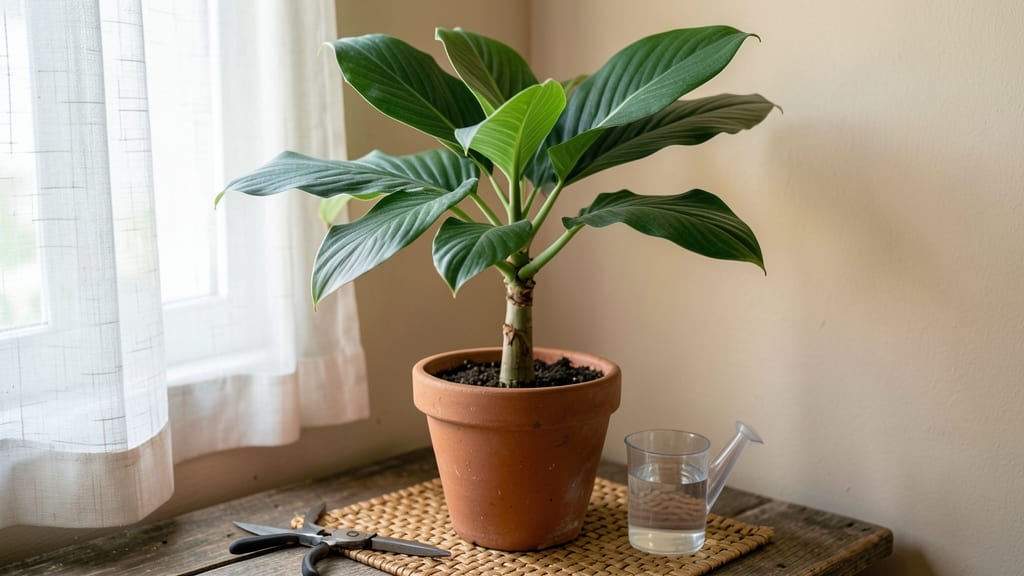
The Musa 'Truly Tiny' banana tree delivers real bananas in just three years—no tropical paradise required. 🌱 I planted mine in a 15-gallon pot last spring, and by now, it’s already sending up flower spikes, proving dwarf bananas thrive even in Zone 7 summers.
The secret isn’t heat or humidity, but matching its compact roots to the right container and sunlight balance.
This isn’t your grandma’s banana plant. At just 4-5 feet tall, it fits balconies, patios, or sunny corners of the garden, yet produces fruit the size of your thumb—perfect for snacking straight off the bunch.
The key is warm but not scorching conditions, well-draining soil, and a feeding schedule that mimics tropical rainfall without drowning the roots.
By winter, you’ll harvest clusters of sweet, creamy bananas that taste like childhood memories (but better, because you grew them). The plant’s slow growth means fewer pruning headaches, and its broad leaves make it a striking focal point year-round.
Even in cooler climates, a move indoors during frost keeps it productive.
Container growing unlocks year-round care—just adjust watering when temperatures dip below 50°F. The real magic happens when you let it flower: those dramatic pendulous blooms signal fruit is on the way. Here’s how to set yours up for that first harvest in just three seasons.
📚 In This Guide
- What you need
- Instructions
- Tips and common mistakes
- Wrapping up and next steps
What you need
- ● Musa 'Truly Tiny' banana plant: 1 healthy, disease-free nursery-grown pup (baby plant) or a mature plant (if available). Look for one with at least 2-3 leaves.
- ● Well-draining potting mix: 3-5 gallons of a blend specifically for tropical plants (e.g., 60% peat moss or coconut coir, 30% perlite/pumice, and 10% compost). Pro tip: Avoid garden soil—it retains too much moisture!
- ● Container: A large pot (15-20 gallons) with drainage holes. Diameter: At least 18-24 inches to accommodate root growth.
- ● Pruning tools: 1 pair of sterilized pruning shears (for trimming leaves and suckers).
- ● 1 sharp bypass pruner (for thicker stems if needed).
- ● Fertilizer: 1 balanced liquid fertilizer (e.g., 10-10-10 or 20-20-20), diluted to half-strength for young plants.
- ● 1 slow-release granular fertilizer (e.g., 13-4-5) for long-term nourishment.
- ● Mulch: 1-2 inches of organic mulch (e.g., shredded bark or straw) to retain moisture and regulate temperature.
- ● Watering can or hose with a gentle spray nozzle: For even moisture distribution without damaging leaves.
- ● Grow lights: 1-2 full-spectrum LED grow lights (if indoor growing or low sunlight).
- ● Humidity tray: A shallow tray with pebbles and water to boost humidity (especially for indoor setups).
- ● Plant supports: 1-2 bamboo stakes or small trellis to help the plant stay upright as it grows.
- ● Soil pH test kit: To ensure your mix is slightly acidic (pH 6.0-7.0), ideal for bananas.
- ● Epsom salt: 1 small bag (for magnesium boosts, especially if leaves show yellowing between veins).
Step-by-step instructions for growing a Musa 'Truly Tiny' banana tree
Here's how to nurture this adorable dwarf banana into a fruit-bearing plant.
🌱 Step 1: Select and Prepare Your Container
Choose a 10-12 gallon container with drainage holes—these roots hate soggy feet. I use a heavy ceramic pot because 'Truly Tiny' can get top-heavy with fruit. Fill the bottom 2 inches with orchid bark mix for drainage, then add 3 gallons of well-draining potting soil mixed with 1 cup perlite. The soil needs to breathe but hold moisture.
Make a small mound in the center and place your plant on top. The crown (where leaves meet stem) should sit just above soil level—burying it invites rot. Gently press soil around the roots but don't compact it. Water lightly to settle everything, then let it drain completely before your next step.
☀️ Step 2: Position for Maximum Light and Warmth
'Truly Tiny' needs 6-8 hours of bright, indirect light daily. A south-facing window works, but direct midday sun can scorch leaves. I place mine 3 feet from an east window—just enough light without harsh rays. If leaves yellow between veins, it's getting too much sun; if they stretch pale, it needs more light.
Keep temperatures between 65-85°F—this little banana throws a fit below 60°F. A heat mat helps in cooler months. Watch for brown leaf tips—they're screaming for humidity. Mist leaves daily or place the pot on a tray of pebbles with water to create a humid microclimate.
💧 Step 3: Water and Fertilize Like a Pro
Water when the top 2 inches of soil feel dry—stick your finger in to check. Overwatering is the #1 killer of dwarf bananas. I water deeply until it runs from the drainage holes, then empty the saucer immediately. This mimics tropical downpours followed by dry spells.
Feed every 4-6 weeks with a balanced 10-10-10 fertilizer diluted to half strength. When you see new leaves forming (about 3 months in), switch to a high-potassium fertilizer to encourage flowering. Never fertilize a stressed plant—wait until it's recovered from any leaf issues.
🌿 Step 4: Prune and Support Growth
Remove any yellow or damaged leaves with clean scissors—disease loves to hitchhike on damaged tissue. When the plant reaches 3-4 feet tall, it'll need support. I use a small bamboo stake tied with soft twine to prevent stem damage. Never wrap tightly—banana stems are delicate.
Here's the thing—'Truly Tiny' produces fruit on its first year's growth. When you see a pseudo-stem (the "trunk") develop, it's ready for its first harvest attempt. The tiny bananas will appear in clusters—each one is about the size of your thumb when ripe. They're not for eating (they're ornamental), but they're stunning!
⏰ Step 5: Overwintering for Next Year's Fruit
When temperatures drop below 55°F, move your banana indoors near a bright window. Reduce watering by half and stop fertilizing until spring. The plant will go dormant—you'll see new growth slow and leaves may yellow. This is normal. Keep it in a cool (55-65°F) spot until spring.
In early spring, repot if roots are circling the pot. Trim back any dead growth and resume normal care. Your 'Truly Tiny' will reward you with another round of fruit in just 12-18 months. The key is patience—these little bananas take their time but make it worth the wait with their tropical charm.
Tips & tricks for perfect Musa 'Truly Tiny' banana tree growth
Took me a while to figure these out, so here goes—these are the game-changers for keeping your 'Truly Tiny' thriving.
Container Setup: The 2 inches of orchid bark mix at the bottom isn't just for show—it's your insurance against root rot. I've seen people skip this and end up with sad, mushy roots. Use a ceramic pot (not plastic) because the weight helps stabilize the plant as it grows heavier with fruit. And here's what nobody tells you—if you're using a decorative pot without drainage, drill holes yourself. Trust me on this.
Lighting Secret: That 6-8 hours of bright indirect light is non-negotiable, but here's the trick: Rotate your plant every 2 weeks so all sides get even exposure. I noticed my plant leaning toward the window until I started rotating it. Also, if you see brown spots on leaves, it's not always too much sun—sometimes it's fluoride in your water. Use filtered or rainwater if you suspect this.
Fertilizing Timeline: The 3-month mark for switching to high-potassium fertilizer is critical for flowering. I learned this the hard way after ruining three batches by fertilizing too early. Pro tip: Mix your fertilizer with water first, then pour around the base of the plant—never directly on the leaves. The roots will thank you, and you'll avoid chemical burns.
Support System: When your plant reaches 3-4 feet, don't just grab any stake. Use soft twine (not wire) and tie it loosely—banana stems are like glass. I've seen people wrap too tightly and actually strangle the growth. And if you're worried about the twine showing, use natural jute twine that blends in with the plant's tropical look.
Pro Tips for Musa Truly Tiny Banana Tree
- Took me a while to figure these out, so here goes—these are the game-changers for keeping your 'Truly Tiny' thriving.
- Container Setup: The 2 inches of orchid bark mix at the bottom isn't just for show—it's your insurance against root rot.
- Lighting Secret: That 6-8 hours of bright indirect light is non-negotiable, but here's the trick: Rotate your plant every 2 weeks so all sides get even exposure.
Frequently asked questions
How often should I prune my Musa Truly Tiny banana tree?
Prune your Musa Truly Tiny tree 2-3 times a year—focus on removing dead leaves, spent flower stalks, and overcrowded pseudostems. Light pruning encourages bushier growth, while aggressive cuts (like cutting back to the base) should only happen after harvest. Always use sterilized tools to prevent disease.
How long does it take for a Musa Truly Tiny to produce fruit?
With proper care, you can expect fruit in 2-3 years! The first flowers (inflorescences) appear when the plant is ~2-3 feet tall. Patience is key—these mini bananas are slow growers but rewarding. Use a balanced fertilizer (like 10-10-10) every 4-6 weeks to speed up maturity.
What’s the ideal temperature range for growing Musa Truly Tiny?
These bananas thrive in warm climates (70–90°F / 21–32°C). They’re not frost-hardy—protect from temps below 50°F (10°C) by moving indoors or using frost cloth. In hotter zones, provide afternoon shade to prevent leaf scorch. Humidity (50%+) helps too!
Can I grow Musa Truly Tiny indoors?
Yes! Place it near a sunny window (south-facing) or under grow lights (12+ hours/day). Use a well-draining pot (10+ inches deep) with a mix of potting soil and perlite. Watch for pests like spider mites—mist leaves weekly to combat dry indoor air.
Why are my Musa Truly Tiny leaves turning yellow?
Yellow leaves usually signal overwatering, nutrient deficiency, or pests. Check the soil—it should be slightly moist but not soggy. Feed with a potassium-rich fertilizer (like banana-specific mix) if leaves are pale. Inspect the undersides for aphids or scale insects and treat with neem oil if needed.
How many bananas can I expect per harvest?
A mature Musa Truly Tiny produces 10–20 mini bananas per bunch, each ~3–4 inches long. Harvest when the fruit turns bright yellow with green tips. One plant can yield 2–3 bunches per year with consistent care. Save seeds to propagate new plants!
Wrapping up and next steps
The Musa Truly Tiny banana tree proves that great things come in small packages—literally! With just a little patience and care, you can enjoy a harvest in as few as 3 years, making it the perfect choice for urban gardeners or those with limited space.
Whether you're pruning for health, aesthetics, or fruit, this mini marvel delivers rewards without the fuss.
Ready to dive in? Start by gathering your supplies, then plant your tiny tree today—your future banana harvest is just a few seasons away! 🌱✨