
Trees
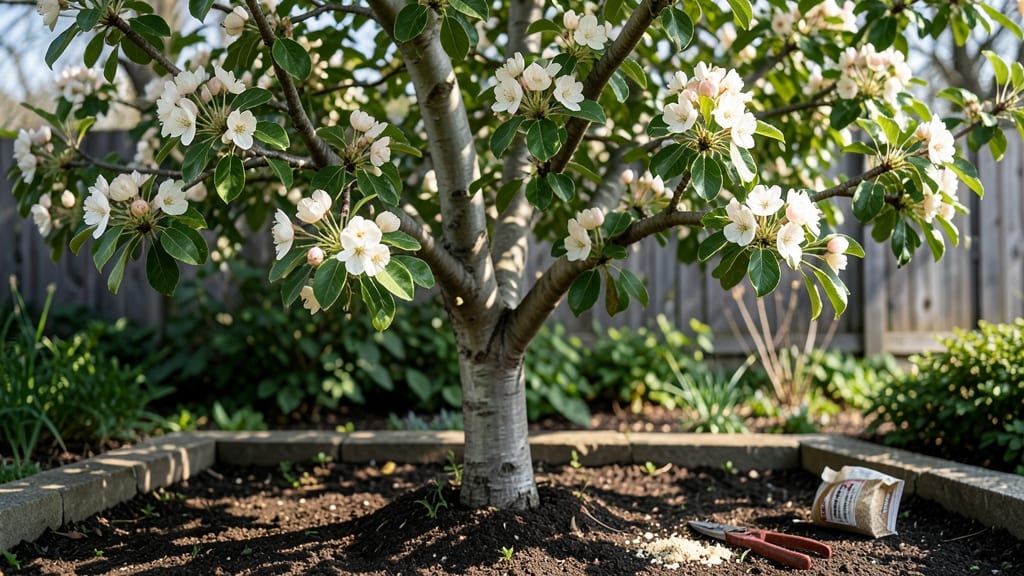
Growing pear trees in Ohio means choosing varieties that survive brutal winters and still produce sweet fruit. 🌳 I planted my first Bartlett tree five years ago, and now it’s a sturdy, productive centerpiece in my backyard—proof that Ohio’s climate won’t stop a determined pear tree from thriving.
The key starts with soil: Ohio’s heavy clay needs amending with compost and organic matter to improve drainage. Plant in early spring or fall when soil temperatures are stable, and space trees 20-25 feet apart for proper airflow.
Varieties like Seckel or Asian pears handle Ohio’s cold better than others, and they reward you with juicy fruit by late summer.
Pruning in late winter keeps the tree healthy and open to sunlight, while regular monitoring for fire blight—a common Ohio pest—saves your harvest. With the right care, you’ll watch branches heavy with pears by August, and the crisp, sweet flavor makes every cold winter worth it.
Ohio’s climate zones (5-7) affect planting depth and mulching needs, but the same principles apply: well-draining soil, proper spacing, and vigilant pest control. Whether you’re in Columbus or Cleveland, these steps ensure your pear tree becomes a reliable fruit producer for decades.
📚 In This Guide
- What you need
- Instructions
- Tips and common mistakes
- Wrapping up and next steps
What you need
- ● Pear Tree Varieties: Choose cold-hardy Ohio-approved varieties like Moonglow, Seckel, or Bartlett (check local nurseries for rootstock options). Quantity: 1–3 trees (for pollination, plant at least two compatible varieties).
- ● Planting Site: Full sun (6+ hours/day).
- ● Well-draining soil (pH 6.0–7.0).
- ● Space: 15–20 feet apart (dwarf varieties can be closer, ~10–12 ft).
- ● Soil Amendments: Compost (5–10 gallons per tree).
- ● Organic matter (leaf mold or aged manure).
- ● Balanced fertilizer (10-10-10, 1–2 lbs per tree).
- ● Tools: Shovel or spade.
- ● Garden fork (for loosening soil).
- ● Pruning shears (sterilized).
- ● Measuring tape.
- ● Watering can or hose (with adjustable nozzle).
- ● Tree Guards: Wire cages or tree wraps to protect young trunks from deer or rabbits (common in Ohio!).
- ● Mulch: Wood chips or straw (2–3 inches deep) to retain moisture and regulate soil temp.
- ● Drip Irrigation: For efficient watering (especially during Ohio’s dry spells).
- ● Winter Protection: Burlap wraps for young trees.
- ● Anti-desiccant spray (to prevent winter burn).
- ● Pest Control: Neem oil or horticultural oil (for aphids/mites).
- ● Sticky traps (to monitor codling moths).
Step-by-Step guide for planting and caring for pear trees in Ohio
Ohio’s winters demand smart planning—here’s how to give your pear trees the best start.
🌱 Step 1: Choose the Right Variety and Planting Time
Select a cold-hardy pear variety like Bartlett, Anjou, or Seckel—these thrive in Ohio’s USDA Zones 5-6. Plant in early spring (March-April) when soil temperatures reach 50°F, giving roots time to establish before winter. Avoid fall planting; young trees won’t root deeply enough before frost.
Dig a hole twice as wide as the root ball but no deeper. Amend the native soil with 2 inches of compost mixed into the bottom and sides of the hole. This improves drainage and feeds hungry roots. Ohio’s clay-heavy soil benefits from this prep—don’t skip it.
🪴 Step 2: Plant with Proper Spacing and Support
Space trees 15-20 feet apart for proper airflow and sunlight penetration. Ohio’s humid summers need this room to prevent fungal diseases. Place the tree so the graft union (visible bump near the base) sits 2-3 inches above soil level—this prevents rot in wet winters.
Stake the tree only if needed (windy sites). Use two wooden stakes driven 6 inches deep on opposite sides, then loosely tie the trunk with tree tie material (never wire—it cuts into bark). Water deeply right after planting to settle the soil around roots.
☀️ Step 3: Water and Mulch for Winter Survival
Water once a week for the first two months, then taper to every 2-3 weeks in summer. Ohio’s heat and drought stress young trees—check soil 2 inches deep; if dry, water slowly until it drains. Avoid overhead watering to prevent fungal issues.
Apply 3-4 inches of mulch (wood chips or straw) around the base, keeping it 6 inches away from the trunk. This insulates roots from Ohio’s freeze-thaw cycles and retains moisture. Replenish mulch annually in early spring before growth resumes.
✂️ Step 4: Prune and Protect for Ohio’s Harsh Winters
Prune in late winter (February) before buds swell, removing dead, crossing, or weak branches. Make cuts just outside the branch collar (the swollen area where the branch meets the trunk). Ohio’s winds can stress trees, so prune to open the canopy for sunlight and airflow.
Wrap the trunk with tree wrap in late fall to prevent sunscald (common in Ohio’s cold snaps). Remove it in early spring. Young trees benefit from a lightweight frost cloth on especially cold nights until they’re established.
Tips & tricks for planting pear trees in Ohio
Ohio’s climate can be tough on fruit trees—here’s how to give your pears the best shot at success.
Soil Temperature Check: Before planting in early spring, test your soil temperature with a simple thermometer. The 50°F threshold from the instructions is key—wait until then to avoid shocking young roots. I’ve seen new plantings fail when planted too early, even if the air feels warm. Stick a thermometer in the ground at the depth of your planting hole for accuracy.
Root Ball Prep: When you’re digging that hole twice as wide as your root ball, give the roots a quick soak before planting. Soak the root ball for 10-15 minutes in a bucket of water—this prevents transplant shock. For Ohio’s clay-heavy soil, I also add a handful of perlite to the bottom of the hole to improve drainage without compromising the 2 inches of compost called for in Step 1.
Staking Strategy: If you’re in a windy Ohio location, don’t skip the staking—but make it temporary. Remove stakes after 6-8 months to encourage natural trunk strength. I’ve seen trees become dependent on stakes, leading to weak trunks that snap in storms. Use the two wooden stakes as directed, but check them monthly to ensure they’re not too tight.
Winter Protection: For your first two winters, consider adding a burlap wrap around the trunk after applying tree wrap. This extra layer acts like a thermal blanket against Ohio’s brutal freeze-thaw cycles. Remove it in early spring before buds swell—just like the frost cloth mentioned in Step 4, but with added insulation for young trees.
Pro Tips for Pear Trees In Ohio
- Ohio’s climate can be tough on fruit trees—here’s how to give your pears the best shot at success.
- Soil Temperature Check: Before planting in early spring, test your soil temperature with a simple thermometer.
- Root Ball Prep: When you’re digging that hole twice as wide as your root ball, give the roots a quick soak before planting.
Frequently asked questions
Got questions about growing pear trees in Ohio’s unpredictable climate?
You’re not alone! Here are answers to the most common queries—from planting tips to winter survival hacks—so you can grow thriving pears like a pro.
What’s the best time to plant a pear tree in Ohio?
Plant your pear tree in early spring (March–April) or fall (October–November) for optimal root establishment. Avoid summer planting—Ohio’s heat and drought stress young trees. Choose a day with cool temps (below 80°F) and plenty of moisture to help roots settle.
How do I protect my pear tree from Ohio’s harsh winters?
Ohio’s winters can be brutal, but pear trees are tough! Mulch heavily (3–4 inches) around the base and wrap the trunk with tree guard to prevent sunscald. For young trees, use burlap wraps or circular supports to shield against windburn. Prune in late winter (Feb–March) to encourage strong growth before spring.
Which pear varieties thrive best in Ohio’s climate?
Opt for cold-hardy varieties like ‘Kieffer,’ ‘Moonglow,’ or ‘Seckel’—they handle Ohio’s Zone 5–6 winters like champs. ‘Bartlett’ (a classic) also does well but may need winter protection in colder microclimates. Check with local nurseries for region-specific recommendations!
Why aren’t my pear tree leaves turning green, and how do I fix it?
Yellow or pale leaves often signal nutrient deficiencies (iron or nitrogen) or pests (aphids, mites). Test your soil and amend with compost or a balanced fertilizer (10-10-10) in early spring. For pests, spray neem oil or introduce beneficial insects like ladybugs. Consistent watering helps too!
Can I grow pears in containers in Ohio?
Yes! Dwarf pear varieties (like ‘Hood’ or ‘Pineapple’) thrive in large containers (at least 15-gallon) with well-draining soil and full sun. Move pots indoors or to a garage during freezes below 10°F. Just ensure they get adequate airflow to prevent fungal issues.
What should I do if my pear tree doesn’t produce fruit?
Lack of fruit often stems from poor pollination (plant two compatible varieties) or immature trees (3–5 years old). Ensure your tree gets 6+ hours of sun and regular pruning to improve airflow. Thin fruit in summer to prevent overburdening branches—this boosts size and quality!
Wrapping up and next steps
Growing pear trees in Ohio is not only achievable but also incredibly rewarding—especially when you see them thrive despite the state’s chilly winters! 🌳❄️ With the right variety, soil prep, and care, you’ll enjoy fresh, homegrown pears for years.
Whether you’re a beginner or a seasoned gardener, every effort you put in will yield sweet, juicy results.
Ready to take the next step? Start by researching hardy Ohio-approved varieties (like ‘Moonglow’ or ‘Kieffer’), then sketch a planting plan for your yard. Pick your favorite pears and get growing—your future harvest is waiting!