
Pruning
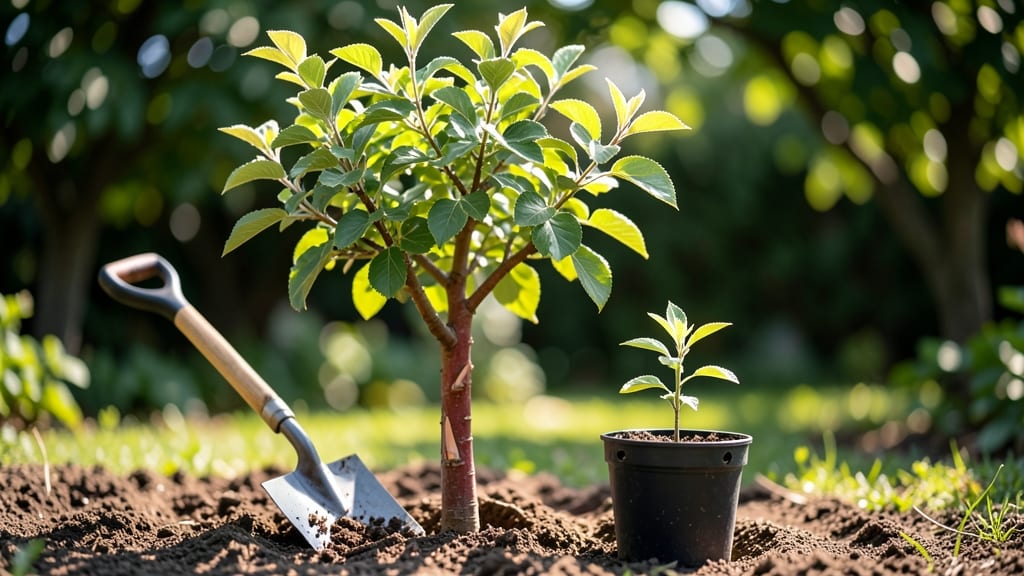
Here are essential peach tree planting tips—because even a few small mistakes can mean years without fruit, and I’ve made them all. can leave your tree struggling for years, while the right approach gets you a thriving orchard in no time.
The key starts with selecting a variety that matches your zone and then giving it the perfect spot to grow strong roots before the first frost hits.
You’ll need a sunny location with well-draining soil, a shovel, compost, and a young tree from a reputable nursery. Dig a hole twice as wide as the root ball but no deeper—peach trees hate sitting too low.
Mix in some compost to give your tree a nutrient boost right from the start, and make sure the soil isn’t waterlogged or compacted. The first year is all about establishing roots, not fruit, so focus on watering deeply once a week and protecting the trunk from pests and critters.
By summer’s end, you’ll see new growth shooting up from the branches, a sign your tree is off to a great start.
With proper care, your peach tree will reward you with blossoms in two years and fruit in three—imagine the sweet, juicy peaches you’ll be picking straight from the tree. The best part?
A well-planted tree needs less work later on, so you’ll spend more time enjoying the harvest than fixing mistakes.
Whether you’re in Zone 5 or 8, these tips work for any cold-hardy variety like ‘Reliance,’ ‘Contender,’ or ‘Redhaven.’ Just remember: the right site, soil prep, and early care set the stage for decades of peach tree success. Let’s get that tree in the ground the right way!
📚 In This Guide
- What you need
- Instructions
- Tips and common mistakes
- Wrapping up and next steps
What you need
- ● Peach tree sapling: Choose a cold-hardy variety (e.g., 'Reliance,' 'Redhaven,' or 'Contender') from a reputable nursery. Opt for a 1- to 2-year-old bare-root or container-grown tree for best results.
- ● Well-draining soil: Aim for a mix of 60% topsoil, 30% compost, and 10% sand or perlite (test soil pH; ideal range: 6.0–6.5).
- ● Organic mulch: 3–4 inches of wood chips, straw, or shredded bark (keep mulch 3–4 inches away from the trunk to prevent rot).
- ● Fertilizer: A balanced, slow-release fertilizer (10-10-10 or 5-10-10) or composted manure (apply sparingly at planting).
- ● Watering supplies: Hose with a gentle spray nozzle or drip irrigation system (peach trees need 1–2 inches of water weekly, especially in the first year).
- ● Shovel or trowel: For digging the planting hole (2–3 times wider than the root ball and shallow enough to accommodate roots without bending).
- ● Pruning shears or saw: To trim any damaged roots or branches before planting.
- ● Garden gloves: Protect your hands from thorns and rough soil.
- ○ Stakes and twine (optional): If planting in windy areas, use 2–3 stakes (4–6 feet tall) to support the tree temporarily.
- ○ Soil pH tester (optional): Ensures your soil meets the ideal 6.0–6.5 pH range for peaches.
- ● Sunlight: Choose a spot with 6–8 hours of full sun daily (peach trees are sun-worshippers!).
- ● Spacious site: Ensure 15–20 feet of clearance from buildings, fences, or other trees (peaches need room to grow!).
- ● Proper timing: Plant in early spring (before buds swell) or late fall (6–8 weeks before frost) for best root establishment.
- ● Cross-pollination plan (if growing fruit): Plant at least two compatible peach varieties within 50–100 feet of each other.
Step-by-step guide for planting cold-hardy peach trees
Here's how I plant peach trees for strong, resilient growth in cooler climates.
Choose the Perfect Planting Location
Peach trees need full sun—at least 6-8 hours daily—and protection from harsh winds. I always pick a spot with southern exposure where the tree gets morning sun and afternoon shade if summers run hot. Avoid low areas where cold air settles, as peaches are sensitive to late frosts.
Test the site by observing how sunlight moves across the area over a week. Mark the spot with a stake once you confirm it meets the light requirements. The ground should also drain well—peach trees hate soggy roots. If your soil feels heavy or stays wet after rain, amend it with 2-3 inches of compost mixed into the top 12 inches before planting.
Dig the Right-Sized Hole
Dig a hole twice as wide as the root ball but only as deep as the container it came in. Peach trees often arrive in 5-gallon pots, so a 12-inch deep hole works perfectly. Loosen the sides of the hole with a shovel to encourage root spread—don’t compact the soil.
If your soil is clay-heavy, mix in a handful of perlite or coarse sand at the bottom to improve drainage. Avoid adding fertilizer to the hole—too much can burn young roots. Instead, I hold off on feeding until the tree shows new growth in 4-6 weeks.
Plant at the Correct Depth
Remove the tree from its container and gently tease the roots apart if they’re circling. Place it in the hole so the top of the root ball sits level with the surrounding soil—never bury the graft union (the swollen bump near the base). Peaches need this exposed to prevent disease.
Backfill with the native soil, tamping lightly every 2-3 inches to remove air pockets. Water deeply to settle everything, then add a 2-inch layer of mulch (like wood chips) around the base, keeping it 6 inches away from the trunk. This helps retain moisture and regulate soil temperature.
Water and Protect Young Trees
Water the tree deeply every 2-3 days for the first 2 weeks, then taper to once a week once established. You’ll know it’s enough when water drains 6 inches deep into the soil. Overwatering is worse than underwatering—peach roots need air.
Install a tree guard or wire cage to deter rabbits and deer, which love young peach bark. I also wrap the trunk with tree wrap in winter to prevent sunscald. Prune only to remove any broken branches—wait until spring to shape the tree.
Tips & tricks for perfect peach tree planting
Here's what I learned after planting several cold-hardy peach trees—these tricks ensure your transplant thrives from day one.
Site Selection Secret: The 6-8 hours of full sun requirement is non-negotiable, but here's the trick: I always test potential spots by placing a white board where I plan to plant and marking the sun's path every hour for a week. This helps me visualize exactly how much light that area gets. For cooler climates, I look for spots that get morning sun and afternoon shade—this prevents heat stress while still giving the tree plenty of light to grow strong.
Root Ball Rescue: When removing your peach tree from its 5-gallon pot, gently squeeze the sides to loosen any circling roots. I've seen too many trees struggle because their roots grew in tight circles around the container. If you notice roots growing in a spiral pattern, use your fingers to carefully tease them apart before planting. This encourages outward root growth instead of a tangled mess that can strangle the tree.
Mulch Matters: That 2-inch layer of mulch around your tree's base isn't just decoration—it's a game-changer. I keep it 6 inches away from the trunk to prevent moisture buildup that can cause rot. For cooler climates, I use wood chips because they break down slowly and improve soil quality over time. Pro tip: Refresh the mulch layer every spring to maintain its protective benefits.
Watering Wisdom: The deep watering schedule is crucial, but timing matters just as much. I always water in the early morning so the roots have all day to absorb moisture before evening. For that first 2 weeks, I check the soil 6 inches deep with a screwdriver—if it's dry, water again. Too much water is worse than not enough, so let the top 2 inches dry out between waterings once the tree is established.
Pro Tips for Peach Tree Planting Tips
- Here's what I learned after planting several cold-hardy peach trees—these tricks ensure your transplant thrives from day one.
- This helps me visualize exactly how much light that area gets.
- Root Ball Rescue: When removing your peach tree from its 5-gallon pot, gently squeeze the sides to loosen any circling roots.
Frequently asked questions
Got questions about planting your peach tree? You’re not alone! Here are some of the most common concerns—and expert answers—to help you grow a thriving, cold-hardy peach tree with confidence.
When is the best time to plant a peach tree?
The ideal window is late winter or early spring, once the soil is workable but before buds break. This gives roots time to establish before summer heat. In colder climates, fall planting (4-6 weeks before frost) is also an option—just water deeply before winter to prevent root damage.
Can peach trees survive harsh winters?
Yes—if you choose the right cold-hardy varieties (like ‘Reliance’ or ‘Contender’) and take precautions. Mulch heavily (4–6 inches) around the base, wrap the trunk with tree guard, and avoid planting in low spots where frost pools. Young trees may need extra protection with burlap wraps in extreme cold.
How deep and wide should I dig the planting hole?
Dig a hole twice as wide as the root ball but no deeper. Peach trees hate “planting too deep,” which can suffocate roots. Loosen the soil at the bottom, mix in compost, and avoid disturbing the root ball. The top of the root flare (where roots meet trunk) should sit 1–2 inches above ground level.
Why are my peach tree leaves curling or yellowing after planting?
Curling/yellowing often signals transplant shock or pests (like aphids or spider mites). Check for sticky residue (honeydew) or tiny webs. Water deeply, apply a balanced fertilizer (10-10-10), and spray neem oil if pests are present. Avoid overwatering—peach trees prefer well-draining soil.
Should I prune my peach tree right after planting?
Light pruning is fine! Trim any broken or crossing branches to encourage airflow, but avoid heavy cuts. Focus on shaping the tree into an open-center form (like a vase) for better fruit production. Save major pruning for late winter, when the tree is dormant.
Still stumped? Drop your question below—we’ve got answers to keep your peach tree happy and productive!
Wrapping up and next steps
Planting a peach tree is a rewarding journey—one that blends patience with the joy of nurturing life from the ground up! 🌱 By choosing cold-hardy varieties, preparing the soil with care, and giving your tree the right space and support, you’re setting the stage for years of sweet, juicy rewards.
Remember, the key lies in consistency: watering, pruning, and protecting your tree from pests and frost will ensure it thrives.
Now that you’re armed with these peach tree planting tips, it’s time to roll up your sleeves! Start by selecting your perfect variety, then mark your calendar for planting season.
Before you know it, you’ll be harvesting homegrown peaches that taste like summer in every bite. Happy planting! 🍑✨