
Flowers
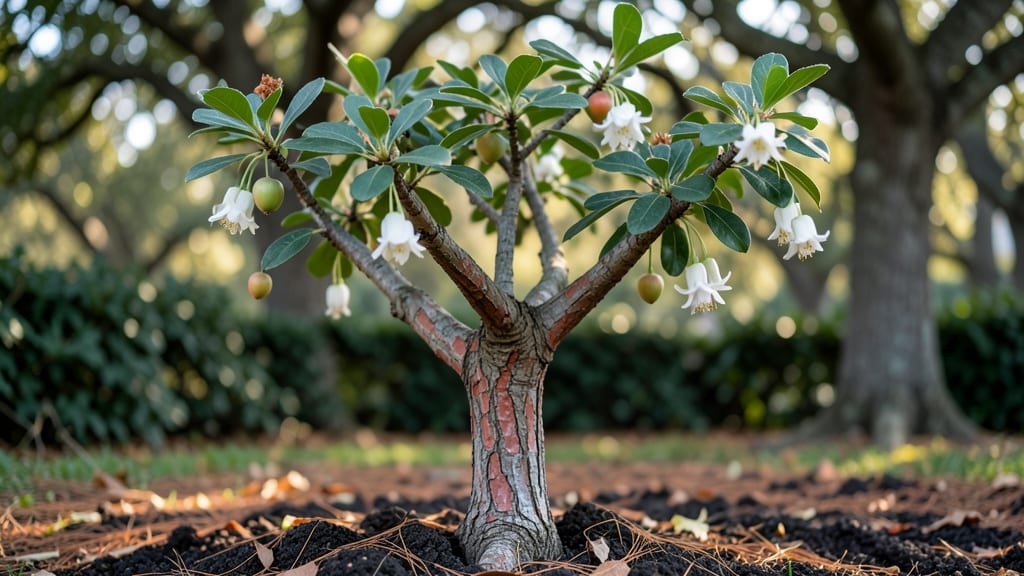
Strawberry tree flowers (Arbutus unedo) are the showstopper of evergreen shrubs, offering year-round interest with their delicate white blooms that turn into edible (yes, edible!) strawberry-like fruits. 🌸 I fell in love with this plant after seeing one in a coastal garden—its peeling bark, glossy leaves, and persistent flowers made it impossible to ignore.
Unlike most flowering shrubs, this one thrives in zones 7-9, where it handles heat and cold with equal grace.
The secret to those abundant, fragrant flowers lies in the right conditions: full sun to partial shade, well-draining soil, and minimal fuss once established. Pruning in late winter encourages fresh growth, and while it’s not fussy about soil pH, sandy or loamy mixes keep roots happy.
The real magic happens when you provide consistent moisture (but never soggy soil) and a spot where it won’t compete with aggressive roots.
By spring, you’ll be rewarded with clusters of creamy-white, bell-shaped flowers that perfume the air and attract pollinators. These eventually transform into the namesake "strawberries," though they’re more tart than sweet—perfect for jams or decorative garnishes.
The plant’s ornamental value doesn’t end there: its peeling cinnamon-colored bark adds winter texture, and the glossy evergreen leaves keep it looking lush year-round.
Whether you’re growing it for its dramatic blooms, edible fruits, or winter interest, this cold-hardy beauty adapts to hedges, containers, or even as a striking focal point. Here’s how to coax the most flowers from your strawberry tree—no green thumb required.
📚 In This Guide
- What you need
- Instructions
- Tips and common mistakes
- Wrapping up and next steps
What you need
- ● Strawberry Tree Plants: 1-3 Arbutus unedo nursery-grown saplings (3-5 feet tall for faster blooms)
- ● OR Seeds (if starting from scratch—germination takes 6-12 months!)
- ● Soil & Amendments: 5-10 gallons of well-draining, acidic soil mix (pH 5.0-6.5)
- ● 2-3 cups of peat moss or pine bark (for acidity)
- ● 1 cup of compost or aged manure (for nutrients)
- ○ Optional: Slow-release fertilizer (10-10-10 ratio, 1 lb per plant)
- ● Planting Tools: 1 garden trowel (for digging)
- ● 1 hand pruner (for trimming roots or shaping)
- ● 1 watering can or hose with a gentle spray nozzle
- ● Location Essentials: Full sun to partial shade (6+ hours of sunlight daily)
- ● Protected spot from strong winds (young trees are delicate!)
- ● Mulch (2-3 inches of pine needles or wood chips to retain moisture)
- ● Epsom salt (1 tbsp per plant, monthly in spring for magnesium boost)
- ● Pest control: Neem oil spray (for aphids or scale insects)
- ● Stakes or supports (if planting in windy areas)
- ● pH testing kit (to monitor soil acidity)
How to cultivate year-round strawberry tree blooms in cold climates
Cold-hardy varieties like Arbutus unedo thrive with the right placement and care—here's how to coax those fragrant flowers year after year.
🌱 Step 1: Select the Right Planting Site for Cold Tolerance
Strawberry trees need sheltered, well-draining soil with partial sun—think morning sunlight and afternoon shade in hotter zones. I always plant mine near a south-facing wall where winter winds get blocked but they still catch winter sun. The roots should never sit in soggy soil, so avoid low spots where water pools.
Test your soil first—strawberry trees hate clay. If your yard feels dense when squeezed, mix in 3 inches of compost or plant in a raised bed. The key is drainage: if water sits for more than an hour after rain, amend the site before planting. Mulch with 3-4 inches of wood chips in late fall to insulate roots through winter.
☀️ Step 2: Time Planting for Fall Establishment
Fall is the best time to plant strawberry trees in cold climates—6-8 weeks before first frost. The roots establish before winter dormancy, giving you a head start next spring. I dig a hole twice as wide as the root ball but only as deep—burying too deep suffocates the trunk and causes rot.
Backfill with native soil mixed with compost (never garden soil—it compacts). Water deeply right after planting, then again in 7-10 days to encourage root spread. Avoid fertilizing until spring—new plants need to focus on roots, not leaves. Watch for yellowing leaves in the first year; it’s normal as the plant adjusts.
💧 Step 3: Water Strategically for Cold-Hardy Growth
Strawberry trees are drought-tolerant once established, but new plants need consistent moisture. Water deeply once a week during the first growing season, aiming for 1-1.5 inches of water per week. Let the top 2 inches of soil dry between waterings—this prevents root rot while keeping the plant hydrated.
In winter, reduce watering dramatically—only water if the ground stays frozen for weeks. Overwatering in cold weather suffocates roots. You’ll know you’re doing it right when the tree drops leaves naturally in late fall and regrows them in early spring without stress.
✂️ Step 4: Prune for Winter Resilience and Spring Blooms
Prune in late winter or early spring before new growth starts. Remove dead, crossing, or weak branches first—this opens the center for airflow and sunlight. Strawberry trees bloom on old wood, so never cut back into last year’s growth unless it’s damaged. I trim just above a bud or branch collar, using clean, sharp shears to avoid tearing bark.
Shape the tree lightly to maintain an open vase form. Avoid heavy pruning—this stresses the plant and reduces next year’s flowers. After pruning, apply a mulch ring around the base to protect roots from freeze-thaw cycles. The goal is minimal intervention: these trees reward patience with fragrant, year-round blooms.
🌿 Step 5: Feed and Protect for Long-Term Blooming
Feed in early spring with a balanced, slow-release fertilizer (10-10-10). Sprinkle ½ cup around the drip line, then water deeply to activate it. Avoid high-nitrogen fertilizers—they push leafy growth at the expense of flowers. Strawberry trees are self-sufficient once established, so over-fertilizing does more harm than good.
Watch for aphids or scale on new growth—these pests suck sap and weaken blooms. Spray with neem oil in early summer if you spot sticky residue on leaves. In extreme cold zones, wrap the trunk with burlap in late fall to prevent sunscald. With the right care, your strawberry tree will flower reliably for decades—some specimens bloom even in winter.
Tips & tricks for perfect strawberry tree blooms in cold climates
Real talk: The difference between a struggling strawberry tree and one that bursts with year-round blooms often comes down to these overlooked details.
Site Selection Secrets: That south-facing wall isn't just about winter sun—it's about creating a microclimate where cold winds can't reach your tree. I've seen trees planted in open areas struggle even when they had perfect soil, because wind desiccates the leaves and buds. Look for spots where winter winds get blocked by fences, buildings, or even other trees. The goal is to mimic the natural shelter these Mediterranean natives would find in their wild habitats.
Soil Test Don'ts: Don't just assume your soil is good enough. Strawberry trees are particularly sensitive to clay soils, which can suffocate roots and cause winter rot. I learned this the hard way after planting one in heavy clay—it took three years of soil amendments before it finally thrived. If you're unsure about your soil, grab a handful and squeeze it. If it holds its shape when wet, you've got clay. The fix? Raised beds or at least 3 inches of compost mixed into the planting hole.
Pruning Precision: When pruning in late winter, focus on creating an open center rather than just removing dead branches. I always aim for a vase shape that allows sunlight to reach all branches. The key is to never remove more than 25% of the tree's foliage in one year—this maintains the energy balance needed for those year-round blooms. And here's what nobody tells you: Always cut just above a bud or branch collar, never flush against the trunk. That small detail prevents wounds that attract disease.
Winter Watering Wisdom: The biggest mistake I see is overwatering in winter. When the ground stays frozen for weeks, your tree's roots aren't actively absorbing water. I've seen trees develop root rot from well-meaning gardeners who watered regularly through frozen soil. Only water if the ground thaws completely and stays that way for several days. Even then, use the "squeeze test"—if the soil feels damp when you squeeze it, wait another week before watering.
Pro Tips for Strawberry Tree Flowers
- Real talk: The difference between a struggling strawberry tree and one that bursts with year-round blooms often comes down to these overlooked details.
- Site Selection Secrets: That south-facing wall isn't just about winter sun—it's about creating a microclimate where cold winds can't reach your tree.
- Soil Test Don'ts: Don't just assume your soil is good enough.
Frequently asked questions
Got questions about growing and enjoying strawberry tree flowers? You’re in the right place! Here are answers to the most common queries—from planting tips to troubleshooting—so you can keep those fragrant blooms thriving year-round.
When do strawberry tree flowers bloom, and how long does the flowering last?
The Arbutus unedo (strawberry tree) typically blooms in late summer to early fall (August–October), with a second, lighter flush in spring. Each cluster of delicate white or pink flowers lasts 4–6 weeks, filling the air with a sweet, honey-like fragrance. Patience pays off—these late bloomers are a standout in the garden when most flowers have faded!
Can strawberry tree flowers thrive in cold climates, or do they need winter protection?
One of the best parts of strawberry tree flowers? They’re cold-hardy down to USDA Zone 7! While young plants may benefit from a mulch layer (3–4 inches of shredded bark or leaves), mature trees handle frost well. In Zone 6 or colder, wrap the trunk with burlap or use a frost blanket for extra protection. Their evergreen foliage also helps insulate roots.
How do I attract pollinators to strawberry tree flowers for better fruit production?
Strawberry tree flowers are self-pollinating, but pollinators like bees and butterflies boost fruit yield! Plant companion flowers nearby, such as lavender, rosemary, or Buddleia (butterfly bush), to draw them in. Avoid pesticides, and ensure your tree gets full sun to partial shade (6+ hours of light). A light shake of the branches during bloom can also help.
Why aren’t my strawberry tree flowers turning into fruit? Troubleshooting tips?
If your flowers aren’t fruiting, check these common issues:
- Age: Young trees (under 5 years) may focus on growth. Be patient!
- Pollination: Hand-pollinate with a soft brush if bees are scarce.
- Light: Too much shade can reduce fruit set. Aim for at least 4 hours of sun daily.
- Soil pH: Test your soil—strawberry trees prefer acidic to neutral (pH 5.0–7.0).
- Fertilizer: Over-fertilizing can cause flower drop. Use a balanced, low-nitrogen formula in early spring.
Can I grow strawberry tree flowers in containers? What’s the best pot size?
Yes! Strawberry trees adapt well to containers, making them perfect for patios or small gardens. Choose a large pot (at least 20–24 inches wide and deep) with drainage holes, and use a well-draining potting mix (add perlite or sand). Repot every 2–3 years and move containers indoors (to a cool, bright spot) if temps drop below 10°F (-12°C).
Wrapping up and next steps
Growing strawberry tree flowers is a rewarding journey that brings year-round beauty and resilience to your garden—even in colder climates! 🌸 With the right variety, like the cold-hardy Arbutus unedo, you’ve got a stunning, low-maintenance plant that thrives with minimal fuss.
Whether you’re drawn to their fragrant blooms, edible berries, or evergreen charm, these trees are a true gem for both novice and seasoned gardeners.
Now that you’re armed with the secrets to success, why not take the next step? Visit your local nursery to pick out your own strawberry tree sapling, or share your excitement with fellow plant lovers online. Happy gardening—your future blooms are waiting! 🌱✨