
Pruning
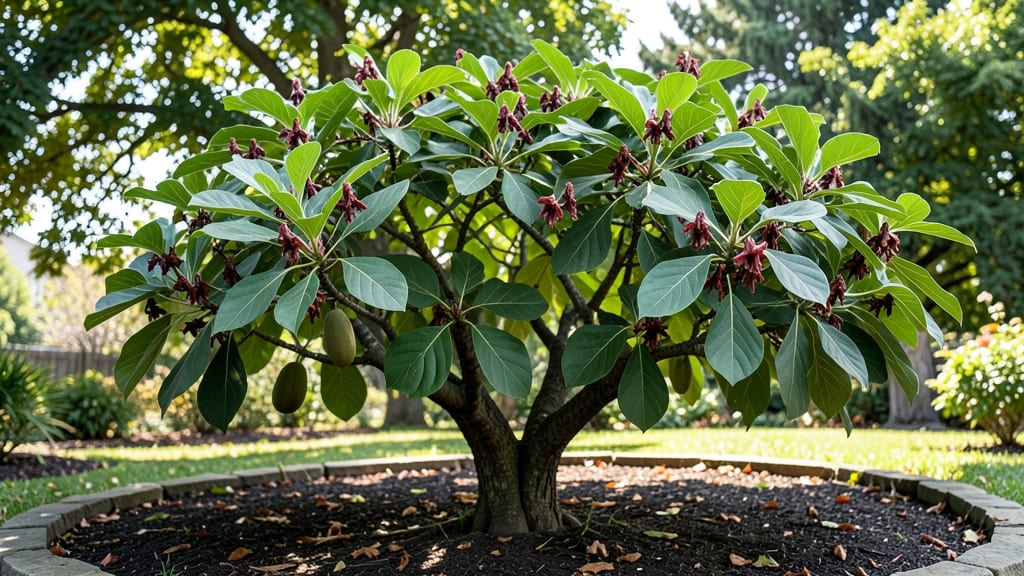
Paw paw tree care starts with understanding their finicky nature—these tropical-tempered trees need just the right balance of patience and precision to thrive. 🌱 I’ve spent years watching mine transform from scraggly saplings into fruit-bearing giants, and the key lies in how you prune, when you water, and which branches you dare to touch.
Unlike most fruit trees, paw paws demand a gentle hand; aggressive pruning backfires, but strategic cuts unlock those sweet, custard-like fruits you’ve been dreaming of.
The secret weapon? Year-round maintenance—not just a spring cleanup. Young trees need airy canopies to prevent disease, while mature ones benefit from winter thinning to boost fruit production. My first mistake was pruning too late in the season, which stressed the tree and delayed fruiting.
Now, I time cuts to early spring when the tree’s energy is already rising, and I never remove more than 25% of the canopy in a single session.
What you’ll end up with is a tree that produces pound after pound of fruit—if you get the pollination right. Paw paws rely on flies and beetles for cross-pollination, so planting two trees (or at least 15 feet apart) is non-negotiable.
The payoff? A harvest that tastes like a mix of mango and banana, straight from your backyard. Here’s how to make it happen without the trial-and-error headaches.
Works best in zones 5-9, where winters are cold enough to break dormancy but not so harsh they kill the tree.
Southern gardeners can push the limits with winter protection, but patience is key—these trees take 3-5 years to bear fruit but reward you with decades of harvests if cared for properly. Let’s get those branches in shape!
📚 In This Guide
- What you need
- Instructions
- Tips and common mistakes
- Wrapping up and next steps
What you need
- ● Pruning shears: Sharp, bypass-style shears (for cuts up to ½ inch thick). Quantity: 1 pair
- ● Loppers: Bypass loppers with 6-8 inch handles (for cuts up to 2 inches thick). Quantity: 1 pair
- ● Pruning saw: Curved-tooth saw (for larger branches over 2 inches thick). Quantity: 1
- ● Disinfectant: 70% isopropyl alcohol or a 10% bleach solution (to sterilize tools between cuts). Quantity: Small bottle or spray
- ● Gloves: Heavy-duty, cut-resistant gloves (to protect hands from thorns and sap). Quantity: 1 pair
- ● Rubbing alcohol or hand sanitizer: For cleaning hands after handling sap or thorns.
- ○ Pruning sealant (optional but recommended): Tree wound sealant (for larger cuts to prevent disease). Quantity: Small tube
- ● Marking twine or flags: For tagging branches to prune later (helpful for large trees). Quantity: As needed
- ● Extension pole: For reaching higher branches safely (10-12 feet long).
- ● Safety glasses: To protect eyes from debris.
- ● Ladder: Sturdy, stable ladder (if tree exceeds 8 feet). Safety first!
- ● Tree pruning guidebook or app: For reference on paw paw-specific techniques.
- ● Compost or mulch: To replenish soil after pruning.
How to prune a paw paw tree for maximum fruit production
Here’s the seasonal approach I’ve used to keep my paw paw trees thriving—and packed with fruit.
🌿 Step 1: Early Spring Cleanup (Late February to Early March)
Start by removing any dead, damaged, or diseased branches first. These are easy to spot—they’ll be brown, brittle, or oozing sap. Cut them back to the main trunk or a healthy lateral branch using clean, sharp pruning shears. Paw paws are sensitive to infection, so disinfect your tools with rubbing alcohol between cuts.
Next, thin out any crossing or rubbing branches. These create weak points where disease can enter. Look for branches growing directly toward each other—they’ll eventually damage one another. Aim to leave 6-8 inches of space between remaining branches to improve airflow and sunlight penetration.
Here’s the thing—paw paws respond well to open centers. If your tree has a dense canopy, remove 20-30% of the smallest branches from the interior. This encourages sunlight to reach the lower branches where fruit develops. You’ll know you’ve done it right when you can see light filtering through the canopy.
☀️ Step 2: Summer Light Pruning (June to August)
During the growing season, focus on shaping the tree while it’s actively growing. Remove any water sprouts—those fast-growing, vertical shoots that steal energy from fruit production. They’re usually bright green and stick straight up like tiny trees. Snip them off at the base with hand pruners.
Next, trim back any branches that are growing too vigorously toward the center. Paw paws produce fruit on new wood, so you want to encourage outward growth. Cut back these aggressive shoots by one-third to redirect energy outward. You’ll notice new shoots emerging from the sides within a few weeks—that’s your signal it’s working.
Don’t skip this step. If you let the center fill in, sunlight won’t reach the lower branches where most of the fruit develops. A well-pruned paw paw tree will have a rounded, open shape with branches spaced evenly around the trunk.
✂️ Step 3: Late Summer to Early Fall Fruit Zone Pruning (September to October)
This is the most critical time for fruit production. Paw paws set fruit buds in late summer, so focus on branches that will bear next year’s crop. Look for lateral branches (those growing horizontally) that are 1-2 years old—these are the prime fruit-producing branches. Thin them out to leave 6-12 inches of space between each branch.
Remove any suckers growing from the base of the tree. These compete with the main structure for nutrients. Cut them off at the ground level. Also, prune back any branches that are growing too close to the ground—they’ll produce small, poor-quality fruit. You want to keep the lower branches at least 3 feet off the ground for better air circulation.
Real talk: This is where most people go wrong. They either prune too late (after buds form) or too aggressively. If you see small, swollen buds forming on the branches, stop pruning immediately—those are next year’s fruit. Your goal is to shape the tree while preserving these buds.
⏰ Step 4: Winter Dormant Pruning (December to February)
When the tree is completely dormant, give it a final shape adjustment. Remove any dead or weak branches first, then focus on reducing the overall size if needed. Paw paws grow slowly, so you can be a little more aggressive in winter without stressing the tree. Cut back overly long branches by one-third to encourage bushier growth.
Pay special attention to the scaffold branches (the main structural branches). These should be spaced 8-12 inches apart along the trunk. If any are too close together, remove the smaller one. This prevents crowding and ensures each branch gets enough sunlight and air.
Here’s a pro tip: After pruning, apply a thin layer of organic mulch around the base (but not touching the trunk) to retain moisture and protect roots during winter. You’ll see new growth emerge in early spring—strong, upright shoots ready for next year’s fruit.
Tips & tricks for perfect paw paw tree pruning
These seasoned insights will help you avoid common pitfalls and maximize fruit production in your paw paw trees.
Timing is Everything: In Step 1, when pruning in late February to early March, avoid cutting into fresh growth that might be starting to swell. Wait until after the last frost when the tree is fully dormant but before new buds begin to open. This timing ensures you're only removing dead or damaged wood without harming potential fruit-bearing branches.
Tool Preparation: Between cuts in Step 1, don't just wipe your pruning shears with a cloth—disinfect them properly with rubbing alcohol. I've seen infections spread rapidly when tools aren't cleaned between trees. For stubborn branches, use a small saw instead of forcing the shears, which can damage the branch collar and invite disease.
Visual Pruning Cues: During Step 3's fruit zone pruning, look for these visual clues: healthy lateral branches should have a slight upward curve at the tips, while dead branches will have dry, papery ends. When thinning branches to 6-12 inches apart, imagine sunlight streaming through the canopy—this open center is what creates optimal fruit production conditions.
Winter Pruning Strategy: In Step 4, when reducing overall size by one-third, focus on removing branches that are growing inward or downward. These branches compete with the main scaffold branches for sunlight and nutrients. The goal is to create a balanced, rounded shape that allows light to penetrate to the center where most fruit develops.
Pro Tips for Paw Paw Tree Care
- These seasoned insights will help you avoid common pitfalls and maximize fruit production in your paw paw trees.
- Timing is Everything: In Step 1, when pruning in late February to early March, avoid cutting into fresh growth that might be starting to swell.
- Tool Preparation: Between cuts in Step 1, don't just wipe your pruning shears with a cloth—disinfect them properly with rubbing alcohol.
Frequently asked questions
Got questions about keeping your paw paw tree thriving? Here are some of the most common concerns—plus expert tips to keep your tree happy and productive!
When is the best time to prune a paw paw tree?
The ideal time to prune is late winter or early spring before new growth begins. This helps avoid disease spread and encourages strong fruiting branches. Avoid heavy pruning in fall, as wounds may not heal before winter. Pro tip: Light pruning to remove dead wood can happen anytime, but major shaping waits for dormancy!
How much of the paw paw tree can I trim without harming it?
Paw paw trees tolerate moderate pruning—aim to remove no more than 20-30% of the canopy in a single session. Focus on thinning out crowded branches, deadwood, and suckers at the base. Over-pruning weakens the tree, so prioritize quality over quantity to maintain its health and fruit production.
Why aren’t my paw paw trees fruiting, even after pruning?
Fruiting often lags in young trees (under 5 years old) or those with poor pollination. Ensure you have both male and female flowers (or nearby trees) for cross-pollination. Check for pests (like borers) or fungal issues, and fertilize lightly in early spring if soil is nutrient-poor. Patience is key—some trees take 3-5 years to bear fruit!
Can I grow paw paw trees in containers?
While possible, paw paw trees thrive best in deep, well-draining soil with ample space for roots. Containers limit growth and fruit production. If you must use one, opt for a large pot (20+ gallons), repot every 2-3 years, and ensure full sun. Dwarf varieties (like ‘Sunflower’) are better suited for small spaces.
How do I prevent pests like borers or aphids from damaging my tree?
Monitor for signs like sawdust-like frass (borers) or sticky residue (aphids). Prune infested branches immediately and dispose of them. Apply neem oil or insecticidal soap early in the season as a preventative. Healthy trees with good airflow resist pests better—so prune wisely!
Do paw paw trees need special care in extreme weather (drought/frost)?
Paw paws are hardy but benefit from mulch (2-3 inches) to retain moisture in droughts. Young trees may need watering during dry spells. For frost, avoid pruning too late in the season—wait until after the last frost date in your zone. Mature trees handle cold well, but protect tender new growth with burlap if needed.
Wrapping up and next steps
Caring for your paw paw tree is a rewarding journey that pays off with delicious fruit and a thriving landscape. By following this year-round pruning blueprint—from seasonal trimming to disease management—you’ll ensure a healthy, productive tree for years to come. 🌱
Now that you’re armed with the knowledge, roll up your sleeves and get pruning! Start by assessing your tree’s needs and take action this season. With patience and care, your paw paw tree will flourish, and you’ll soon be enjoying homegrown fruit straight from the branch. Happy gardening! 🍉✨