
Blooming
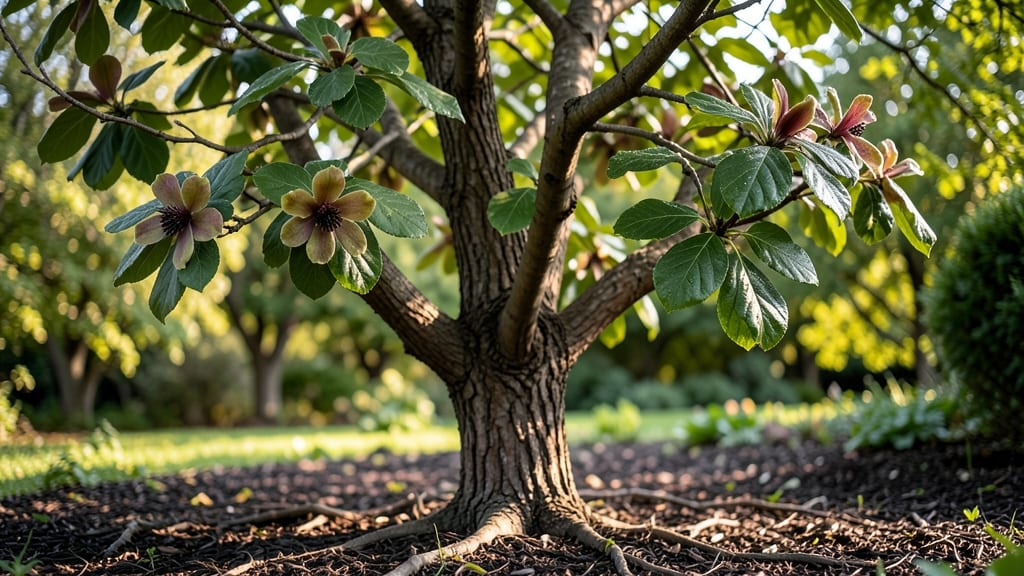
The moment paw paw tree blooms arrive, your garden transforms into a fragrant preview of summer’s sweetest harvest. 🌿 I’ll never forget the first time I walked past one in early spring—those delicate, maroon-tinged blossoms smelled like tropical fruit, and I knew the juicy pawpaws to come would be worth the wait.
These trees bloom in late April to early May, but timing shifts north to south—zone 5 gardeners see flowers a week earlier than zone 7. They thrive in full sun to partial shade, with moist, well-drained soil that mimics their native understory habitats.
Too much shade delays blooms, while drought stress can drop flowers before they set fruit.
What makes paw paw blooms special isn’t just their scent—it’s how they signal fruit potential. Each cluster of 5-10 flowers becomes a single fruit, so protecting them from late frosts (below 28°F) is key.
A healthy tree can produce 50+ pounds of fruit if conditions are right, but blooms need consistent care to reach that promise.
From pruning last year’s growth to monitoring soil moisture, small adjustments make all the difference. Whether you’re growing one tree or a grove, these tips ensure your paw paw’s perfume-filled spring leads to a bountiful summer harvest. Let’s get those blooms thriving!
📚 In This Guide
- What you need
- Instructions
- Tips and common mistakes
- Wrapping up and next steps
What you need
- ● Paw paw tree seedlings or bare-root plants – Choose disease-resistant varieties like Asimina triloba or Asimina incana. Quantity: 1–3 plants (depending on space).
- ● Well-draining soil mix – Combine 50% native soil, 30% compost, and 20% sand or perlite for optimal root health.
- ● Organic mulch – 2–3 inches of shredded bark, wood chips, or pine straw to retain moisture and suppress weeds.
- ● Slow-release fertilizer – 10-10-10 NPK ratio (e.g., 1–2 lbs per plant) to kickstart growth.
- ● Pruning shears – Bypass-style, sterilized with rubbing alcohol to prevent disease.
- ● Drip irrigation system or soaker hoses – 1–2 gallons per plant per week (adjust for climate).
- ● Garden trowel – For digging holes 2–3 times wider than the root ball.
- ● pH testing kit – Ideal soil pH: 6.0–7.0 (paw paws thrive in slightly acidic to neutral soil).
- ○ Staking supports – Optional for young trees in windy areas (use 3–4 ft bamboo stakes).
- ○ Pollinator-friendly plants – Optional companions like bee balm or butterfly bush to attract pollinators for better blooms.
- ○ Tree guard or protective mesh – Optional to shield saplings from deer or pests.
How to encourage vibrant paw paw tree blooms
Here’s how to nurture those fragrant, showy blooms that turn into summer’s sweetest fruit.
🌱 Step 1: Plant in the Right Spot with Ideal Conditions
Paw paws thrive in rich, moist, well-draining soil with full sun to partial shade—at least 6 hours of sunlight daily. I always choose a location with dappled light, especially in hotter climates, to prevent leaf scorch. The tree’s roots need 2-3 inches of mulch (like wood chips) to retain moisture and regulate soil temperature.
Real talk: If your soil drains poorly, amend it with compost or leaf mold before planting. Paw paws hate soggy roots, but they also can’t tolerate dry spells. Test the soil’s moisture by sticking your finger 2 inches deep—it should feel damp but not wet. Plant in early spring when the soil is workable but not frozen.
☀️ Step 2: Prune for Airflow and Sunlight Access
Prune in late winter or early spring before new growth starts. Remove dead, diseased, or crossing branches first—these block sunlight and airflow, which stifles blooms. Thin out crowded branches to let light reach the center of the tree. I aim for an open, vase-like shape to maximize sunlight exposure.
Watch for suckers at the base—these steal energy from the main tree. Cut them off at the ground level. Prune back any overly long branches by one-third to encourage bushier growth and more flower clusters. Avoid heavy pruning in fall, as it stresses the tree before winter dormancy.
💧 Step 3: Water Deeply and Consistently
Paw paws need 1-2 inches of water per week, especially during the first 2-3 years after planting. Water deeply once or twice a week, soaking the soil to 12 inches deep. You’ll know it’s right when water runs out the drainage holes if potted, or when the top 2 inches of soil feel moist.
Here’s the thing—paw paws are drought-sensitive, but they also hate waterlogged roots. If your area gets heavy rain, let the soil dry slightly between waterings. Mulching with 3-4 inches of organic matter (like shredded leaves) helps retain moisture and keeps roots cool. Reduce watering in late fall and winter, but don’t let the soil dry out completely.
✂️ Step 4: Fertilize for Blooms and Fruit Set
Feed your paw paw in early spring with a balanced, slow-release fertilizer (like 10-10-10). I use about ½ cup per year of growth for young trees, spreading it evenly under the canopy. Avoid high-nitrogen fertilizers—they promote leafy growth at the expense of flowers and fruit.
In late spring, switch to a phosphorus-heavy fertilizer (like 5-10-5) to encourage blooming. You’ll see the difference in 3-4 weeks—more flower buds and fewer straggly leaves. Stop fertilizing in late summer to let the tree prepare for winter. Over-fertilizing can burn roots and reduce blooms, so less is often more.
🌿 Step 5: Protect from Pests and Diseases
Paw paws are relatively pest-resistant, but Japanese beetles and tent caterpillars can defoliate young trees. I handpick beetles in the morning when they’re sluggish, and spray neem oil on young caterpillars to deter them. Watch for webbing or chewed leaves—these are your warning signs.
Fungal diseases like powdery mildew can appear in humid conditions. Improve airflow by pruning and avoid overhead watering. If you see white powder on leaves, spray with a baking soda solution (1 tablespoon per gallon of water) for a quick fix. Healthy, well-pruned trees resist most issues, so prevention is key.
Tips & tricks for vibrant paw paw tree blooms
Here's how to give your paw paw tree the best chance at showstopping blooms—because those fragrant blossoms are worth every effort.
Location is Everything: That 6 hours of sunlight daily in Step 1 is non-negotiable, but don't stop there. I've found that planting near a deciduous tree provides perfect dappled shade during the hottest afternoon hours—this mimics their natural woodland habitat. If you're in a hot climate, consider a north-facing location to reduce leaf scorch while still getting plenty of morning sun. The tree's canopy will spread wider in search of light, leading to more blooms along the branches.
Pruning Precision: When you're pruning back those overly long branches by one-third in Step 2, focus on removing branches that are growing inward or rubbing against others. These competing branches steal energy that could go toward flower production. I like to prune on a dry day when the tree isn't actively growing—this helps prevent disease entry points. And here's a pro move: make your cuts just above a leaf bud or lateral branch to encourage new growth in the right direction.
Watering Wisdom: The 1-2 inches of water per week guideline in Step 3 is perfect, but timing matters just as much. Water in the early morning so the leaves have all day to dry—this prevents fungal issues. I've seen paw paws develop root rot when people water in the evening, even with the same amount. For container-grown trees, check moisture by lifting the pot—if it feels light, it's time to water. And don't forget to water the root ball thoroughly when transplanting, as this helps establish new roots quickly.
Fertilizer Strategy: That switch to phosphorus-heavy fertilizer in late spring (Step 4) is brilliant for blooms, but there's more to it. I've had the best results by mixing the fertilizer into the top 2 inches of soil rather than just scattering it on the surface. This puts the nutrients right where the feeder roots are. For established trees, you can also try a slow-release granular fertilizer applied in a ring around the drip line—this mimics natural nutrient distribution in the wild.
Pro Tips for Paw Paw Tree Blooms
- Here's how to give your paw paw tree the best chance at showstopping blooms—because those fragrant blossoms are worth every effort.
- Location is Everything: That 6 hours of sunlight daily in Step 1 is non-negotiable, but don't stop there.
- Pruning Precision: When you're pruning back those overly long branches by one-third in Step 2, focus on removing branches that are growing inward or rubbing against others.
Frequently asked questions
Got questions about paw paw tree blooms? You’re not alone! Here are some of the most common queries—plus quick, practical answers to help you make the most of these fragrant, summer-harvest heralds.
When do paw paw trees bloom, and how long does it last?
Paw paw trees typically bloom in late spring to early summer (May–June in most regions), with fragrant, maroon-colored flowers that last 7–10 days per bloom cycle. Each tree may produce multiple bloom cycles, extending the show into early July. Timing depends on climate—warmer areas bloom earlier!
Why aren’t my paw paw tree flowers attracting pollinators?
Paw paw flowers rely on carpenter bees for pollination, which can be finicky. If you see few visitors, try:
- Planting near native bee-friendly flowers (like viburnum or serviceberry).
- Avoiding pesticides during bloom season.
- Hand-pollinating with a soft brush if needed (gently transfer pollen between flowers).
Can I eat the fruit if I don’t see blooms this year?
Paw paw fruit won’t develop without successful pollination from blooms. If your tree skipped flowering, check for:
- Young age (<3 years old trees often bloom sporadically).
- Stress (drought, poor soil, or pests like lanternflies).
- Frost damage to buds (common in late-spring freezes).
Are paw paw blooms edible, or just the fruit?
While paw paw fruit is delicious (tasting like a mix of mango and banana), the flowers and buds are not edible. They contain mild toxins and can cause stomach upset. Stick to admiring their intense, tropical scent—it’s a dead giveaway for summer’s sweet harvest ahead!
What’s a good alternative if I can’t grow paw paws?
If paw paws aren’t feasible in your zone (they thrive in USDA Zones 5–9), try these fragrant, edible-alternative blooms:
- Pawpaw’s cousin: Hop hornbeam (Ostrya virginiana)—tolerates shade and has pretty seed catkins.
- Tropical vibes: Loquat (Eriobotrya japonica)—blooms winter/spring with edible fruit.
- Low-maintenance: Serviceberry (Amelanchier)—white blooms + berries, cold-hardy.
Wrapping up and next steps
The paw paw tree’s delicate blooms aren’t just a sight to behold—they’re nature’s promise of the sumptuous harvest to come! From their intoxicating fragrance to their role in pollinating future fruit, these blossoms remind us of the beauty and bounty hidden in our backyards.
Whether you’re a gardener eager to nurture your own tree or simply a lover of seasonal wonders, take this as your cue to explore, plant, or simply admire the magic of paw paws.
🌱 Next step: Ready to dive deeper? Research local nurseries for paw paw saplings, or visit a blooming tree in person—your nose (and taste buds!) will thank you.