
Pruning
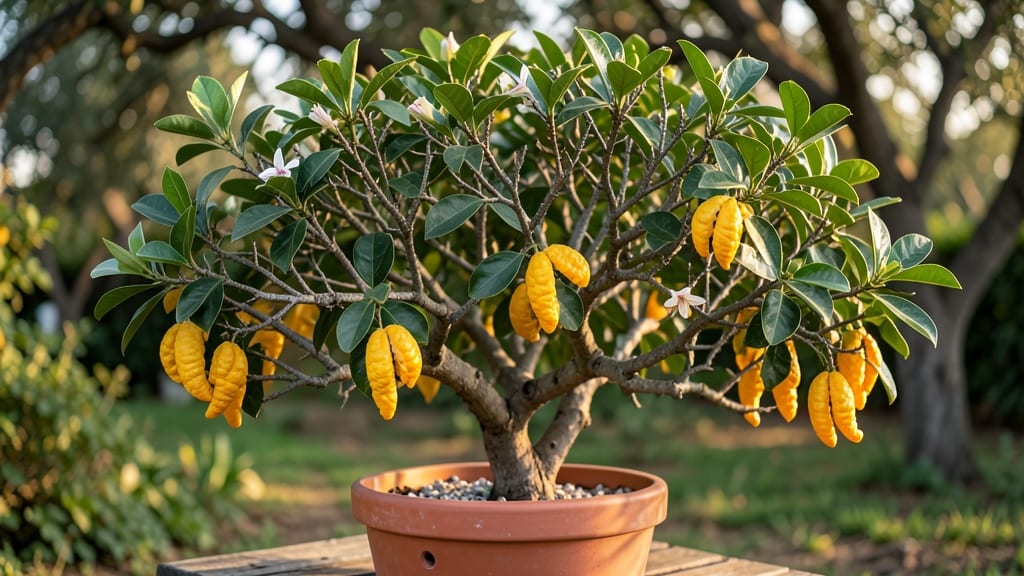
Pruning your Buddha's hand citron tree isn’t just about shaping branches—it’s about unlocking that intoxicating citrus fragrance year-round. 🌿 I’ve learned the hard way that skipping pruning means lopsided growth and fewer of those iconic hand-shaped fruits.
The secret lies in timing: light trims in spring and summer, with heavier shaping after flowering to encourage dense, fragrant foliage.
You’ll need sharp pruning shears, rubbing alcohol to sterilize cuts, and a clear day for visibility. The key is patience—this isn’t a fast-growing tree, but with the right approach, you’ll see fuller branches and stronger fragrance within just a few seasons.
Even a small tree can fill a room with scent when pruned correctly.
What you’ll end up with is a tree that smells like a Mediterranean grove, with branches heavy enough to support those signature hand-shaped fruits. The fragrance intensifies after pruning, and the shape becomes naturally balanced. Plus, you’ll avoid the common pitfall of leggy growth that weakens the tree’s structure.
This method works for both container-grown trees and in-ground plants, making it adaptable to patios or sunny garden spots. Whether you’re dealing with a young sapling or an established tree, the principles stay the same—just adjust the intensity. Ready to transform your tree into a fragrant masterpiece?
📚 In This Guide
- What you need
- Instructions
- Tips and common mistakes
- Wrapping up and next steps
What you need
- ● Pruning shears: Bypass pruners (sharp, clean, and sterilized with rubbing alcohol to prevent disease).
- ● Loppers: For thicker branches (1.5"–2" diameter), with a bypass blade for precision cuts.
- ● Hand pruners: Small, ergonomic shears for delicate trimming (great for shaping fingers!).
- ● Disposable gloves: Nitrile-coated for grip and protection (citron oils can irritate skin!).
- ● Rubbing alcohol (70% or higher): 8 oz bottle to sterilize tools between cuts.
- ○ Pruning sealant: Optional but helpful for large cuts (1 small bottle, latex-based to prevent sap oozing).
- ● Twine or plant ties: Thin, flexible twine (5–10 ft) to secure branches during shaping.
- ● Notebook & pencil: To sketch your pruning plan or track growth progress.
- ● Ladder or step stool: For reaching higher branches safely (ensure it’s stable and non-slip).
- ● Extension pole pruners: For overhead branches (10–12 ft reach).
- ● Horticultural oil: 16 oz bottle to treat tools and prevent fungal spores.
- ● Camera or phone: To document your tree’s transformation before/after pruning!
Step-by-Step guide to pruning your Buddha's Hand citron tree
Transform your tree’s shape while keeping those signature fragrant branches thriving—it’s all about timing and technique.
✂️ Step 1: Prune for Airflow and Light in Late Winter
Start your pruning cycle in late winter (February or March), just before new growth begins. This is when the tree is dormant, making it less stressful. Use clean, sharp pruning shears to make cuts at a 45-degree angle, about ¼ inch above an outward-facing bud. This encourages branches to grow outward rather than inward, which improves airflow and sunlight penetration.
Remove any dead, diseased, or crossing branches first—they’ll only compete with healthy growth. If a branch is thicker than your thumb, make the cut just outside the branch collar (the swollen area where the branch meets the trunk). This prevents unsightly stubs and promotes faster healing. Watch for clusters of small, twisted buds—these are the future fragrant branches, so avoid cutting them unless absolutely necessary.
✂️ Step 2: Shape and Thin in Early Spring
Once new growth appears in early spring, focus on shaping the tree. Step back and visualize the tree’s natural form—Buddha’s Hand Citrons thrive when pruned to mimic their wild, twisting growth habit. Remove any suckers (shoots growing from the base or trunk) immediately, as they sap energy from the main structure. These are easy to spot: they’ll be thin, upright, and growing at odd angles.
Thin out the canopy by selectively removing overcrowded branches—aim for a balanced, open center. You’ll know you’ve done it right when sunlight can reach the inner branches without obstruction. Avoid heavy pruning now; instead, focus on light shaping cuts to encourage dense, fragrant foliage. If you’re unsure, err on the side of caution: less is more with this delicate tree.
✂️ Step 3: Light Maintenance Pruning in Summer
Summer is for light maintenance, not major structural changes. Check your tree monthly and trim any branches that grow too long or block sunlight from reaching the center. Use hand pruners for smaller cuts and loppers for thicker branches (though Buddha’s Hand Citrons rarely need them). Always cut just above a leaf node or bud to encourage new growth in the right direction.
Here’s the thing—Buddha’s Hand Citrons are slow growers, so don’t over-prune. A little shaping goes a long way. If you notice yellowing leaves, it’s often a sign of over-pruning or stress. Adjust your approach: reduce cuts by half and focus on removing only the most problematic branches. Water deeply after pruning to help the tree recover, especially if you’ve made cuts during hot, dry spells.
✂️ Step 4: Final Adjustments in Early Fall
As temperatures drop in early fall, do a final light pruning to prepare the tree for winter. Remove any weak, leggy growth that developed over the summer—these branches are less likely to survive cold snaps. Again, make cuts at a 45-degree angle and just above a bud. Avoid heavy pruning now; the tree needs energy to harden off for winter.
This is also the time to clean up fallen leaves and debris around the base of the tree. While Buddha’s Hand Citrons are relatively hardy, keeping the area tidy reduces the risk of fungal diseases. If your tree is in a container, trim any roots that have circled the pot—this prevents root-bound stress and encourages healthier growth next season. A quick inspection now ensures your tree enters dormancy in the best possible shape.
Tips & tricks for perfect Buddha's Hand citron tree pruning
Mastering the art of pruning your Buddha's Hand Citron isn't just about cutting—it's about sculpting a living work of art. Here's what I've learned over years of shaping these fragrant trees.
Timing is Everything: The late winter pruning in Step 1 is non-negotiable for dormant season benefits. I've seen trees stressed beyond recovery when pruned too early—wait until those cold snaps have passed but before buds swell. For container-grown trees, you might need to adjust slightly based on your local climate's last frost date, but never prune after buds begin to open. The tree's energy needs to focus on new growth, not healing wounds.
Bud Identification Technique: Those twisted buds in Step 1 are your treasure—they're where the fragrant branches will emerge. I always use a magnifying glass to examine them closely before making cuts. If you're unsure whether a bud is viable, err on the side of caution and leave it. The tree's natural growth pattern will reveal its intentions over time. Remember, you can't uncut a branch, but you can always trim back overzealous growth later.
Equipment Upgrade: Invest in a pair of high-quality bypass pruners for clean cuts that heal faster. I've tried everything from kitchen scissors to cheap shears, but nothing compares to the precision of good pruners. For thicker branches (though rare in Buddha's Hand Citrons), loppers are your friend—but only use them when absolutely necessary. The key is making cuts just outside the branch collar, and quality tools make this much easier to execute perfectly every time.
Seasonal Adjustments: Summer maintenance in Step 3 requires a different mindset. I check my trees monthly during this season, but I've learned to be especially gentle. The heat and sunlight can stress the tree, so I limit myself to only the most necessary cuts. After pruning, I always give the tree a deep watering to help it recover from any minor stress. This is when you'll notice the tree's natural resilience—properly cared for, it will bounce back beautifully.
Pro Tips for Buddha'S Hand Citron Tree
- Mastering the art of pruning your Buddha's Hand Citron isn't just about cutting—it's about sculpting a living work of art.
- Timing is Everything: The late winter pruning in Step 1 is non-negotiable for dormant season benefits.
- Bud Identification Technique: Those twisted buds in Step 1 are your treasure—they're where the fragrant branches will emerge.
Frequently asked questions
about pruning your Buddha’s Hand citron tree—because even fragrant beauty needs a little guidance!When is the best time to prune my Buddha’s Hand?
Prune your Buddha’s Hand in late winter or early spring (just before new growth starts) for the best results. You can also do light shaping in summer, but avoid heavy pruning during fall or winter—this tree is dormant and sensitive to cold. Pro tip: If you notice leggy branches, trim them back by ⅓ to encourage bushier, fragrant growth!
How much can I prune without harming the tree?
You can safely prune up to 25-30% of the tree’s foliage in one session, but avoid over-pruning—this tree thrives on its unique structure. Focus on removing dead, crossing, or overcrowded branches first. If you’re unsure, err on the side of caution and trim less; Buddha’s Hand recovers slowly from heavy cuts.
Can I prune my Buddha’s Hand indoors?
Yes! Indoor Buddha’s Hand trees respond well to pruning, but keep a few things in mind:
- Use sterilized tools to prevent disease.
- Avoid pruning near windows in direct sunlight (it can stress the tree).
- Water lightly after pruning to help recovery.
What should I do if my Buddha’s Hand isn’t blooming after pruning?
If your tree isn’t producing those signature fragrant, hand-shaped buds, check these factors:
- Light: Ensure it gets 6+ hours of bright, indirect light daily (south or west-facing windows are ideal).
- Pruning timing: Heavy pruning in fall/winter can delay blooms—stick to late winter/early spring.
- Age: Young trees (under 3 years) may not bloom yet—be patient!
Are there alternatives to pruning for shaping my Buddha’s Hand?
While pruning is the best way to shape your tree, you can also try training branches gently with soft ties or supports for a more natural look. However, Buddha’s Hand has a rigid structure, so pruning is usually the most effective method. For bonsai-style shaping, wiring branches (very lightly!) can help guide growth—but remove wires before they cut into the bark.
Wrapping up and next steps
Pruning your Buddha’s Hand citron tree isn’t just about aesthetics—it’s your key to lush, fragrant branches and a thriving plant year-round! 🌿 Whether you’re trimming for shape, health, or blooms, consistency and care make all the difference.
Now that you’re armed with the right tools, techniques, and seasonal tips, there’s no better time to roll up your sleeves and give your tree the TLC it deserves.
Ready to transform your Buddha’s Hand into a fragrant masterpiece? Start by scheduling your next pruning session—this weekend—and watch your tree reward you with scented glory! 🌸 For even more inspiration, explore advanced pruning guides or join gardening forums to share your progress. Happy pruning!