
Pruning
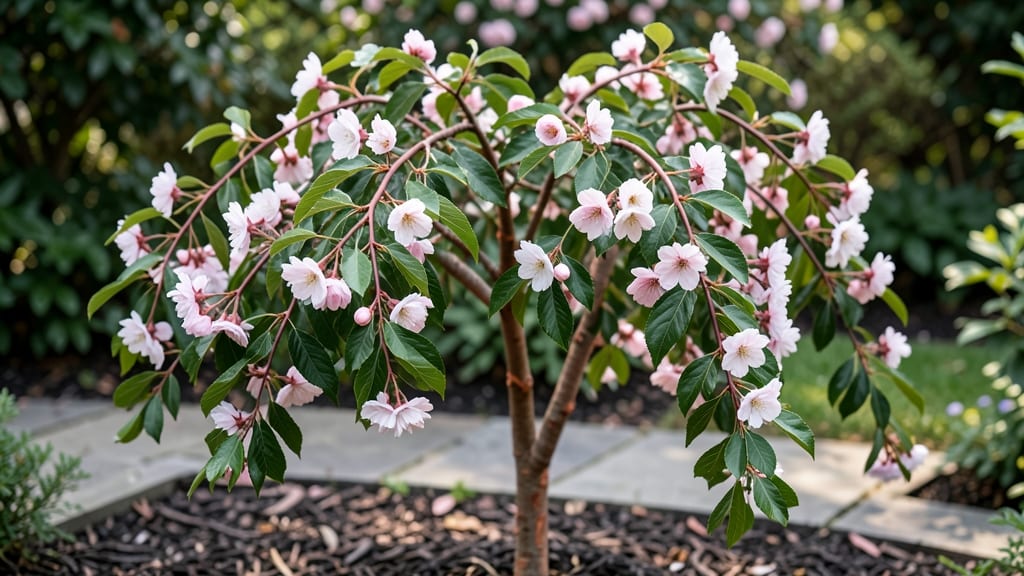
That first flush of pink blossoms in February is what makes ornamental peach trees worth the effort—though I’ll admit, I nearly gave up after my first pruning disaster. The key isn’t just cutting branches; it’s shaping the tree to keep it flowering, fruiting, and looking stunning all season long.
My 3-year-old tree now blooms twice a year, and the tiny peaches add a bonus surprise.
You’ll need sharp pruners, a ladder (for taller branches), and a clear day to work—no rushing. The real secret is timing: prune in late winter before buds swell, then do a light cleanup after flowering.
I learned the hard way that heavy pruning in summer stresses the tree, so I now stick to 10-15% of the canopy per session. Patience pays off with stronger growth and more blooms next year.
What you’ll end up with is a tree that’s covered in fragrant pink flowers in spring, lush green foliage in summer, and even a few edible (if tart) peaches in fall.
The bark adds winter interest too, with its peeling, cinnamon-colored texture. It’s the kind of tree that makes neighbors stop and ask questions—exactly what we gardeners live for.
Works for small yards or large landscapes, in containers or planted in the ground. The same principles apply whether you’re shaping a 6-foot dwarf or a 20-foot standard. Let’s get those blooms back next season—here’s how to make it happen.
📚 In This Guide
- What you need
- Instructions
- Tips and common mistakes
- Wrapping up and next steps
What you need
- ● Pruning shears: Bypass pruners (for small branches, 5-8 inches long) – 1 pair
- ● Loppers: Bypass or anvil type (for medium branches, 18-24 inches long) – 1 pair
- ● Pruning saw: Hand saw with a curved blade (for thick branches, 20+ inches long) – 1
- ● Disinfectant: 70% isopropyl alcohol or bleach solution (1 part bleach to 9 parts water) – small bottle or spray
- ● Garden gloves: Heavy-duty, cut-resistant – 1 pair
- ● Rubbing alcohol or hand sanitizer – small bottle (for cleaning tools between cuts)
- ○ Pruning sealant (optional but helpful): Tree wound paint or pruning paste – small jar
- ● Tarp or drop cloth – 1 (to collect debris)
- ● Ladder (if needed): Sturdy, extendable – 1 (for tall trees)
- ● Knowledge of tree structure: Familiarize yourself with the central leader (main trunk) and scaffold branches.
- ● Weather check: Prune on a dry, cloudy day (avoid frost or extreme heat).
- ● Tree health assessment: Ensure the tree is dormant (late winter/early spring) or post-harvest (summer/fall) for pruning.
- ● Safety first: Wear closed-toe shoes and avoid pruning near power lines.
- ● ✨ Sharpen your tools: Dull blades tear bark—ruining the tree’s health. Sharpen shears and saws before starting.
- ● 🌡️ Disinfect between cuts: Wipe tools with rubbing alcohol to prevent spreading disease.
- ● 🎯 Mark your cuts: Use chalk or tape to outline cuts on larger branches for precision.
Step-by-Step guide to pruning your ornamental peach tree
Here’s how to keep your tree healthy, blooming, and productive with minimal effort.
Prune During Dormancy for Structural Health
Timing is everything—wait until late winter or early spring, just before buds swell but before new growth begins. This ensures you’re cutting when the tree’s energy is focused on recovery, not active growth. Use sharp, clean pruning shears to make cuts at a 45-degree angle, about ¼ inch above a bud or branch collar. Avoid leaving stubs, as they invite disease and weaken the tree.
Start by removing any dead, diseased, or crossing branches first. These compete for resources and can block sunlight or air circulation. Look for branches that rub against each other—they’ll eventually tear, creating wounds that attract pests. If a branch is larger than ½ inch in diameter, use a pruning saw for a clean cut. Always sterilize your tools with rubbing alcohol between cuts to prevent spreading pathogens.
Thin Out for Better Airflow and Light
Your goal is to open up the tree’s canopy so sunlight reaches the center. Remove 20-30% of the total branches, focusing on those growing inward or upward. These “water sprouts” (fast-growing, vertical shoots) steal energy from fruit and flower production. Cut them back to a lateral branch or bud, never to a stub. You’ll know you’re doing it right when you can see light filtering through the branches from above.
Pay special attention to suckers—shoots growing from the base or trunk. These divert energy away from the main structure. Snip them off at the base with clean shears. If suckers keep returning, consider applying a root barrier around the trunk to discourage new growth. Thin branches should be spaced 8-12 inches apart to allow airflow and reduce humidity, which minimizes fungal issues.
Shape for Balanced Growth After Blooming
Once the tree finishes blooming in spring, do a light pruning to encourage bushier growth. Focus on branches that are too long or leggy—they’ll produce fewer flowers and fruit. Cut back the tips of these branches by ⅓ to ½ their length, just above a bud that faces outward. This redirects energy to lateral branches, which will produce more flowers next season. Avoid heavy pruning now, as it can stress the tree during fruit development.
Step back and assess the tree’s shape from all sides. Aim for a rounded, open center rather than a dense, crowded canopy. If one side looks sparser, prune slightly less there to encourage even growth. Never remove more than 25% of the tree’s foliage in a single session, or you risk shocking it. Prune on a dry day to reduce the risk of bacterial infections spreading through fresh cuts.
Summer Maintenance for Fruit and Flower Production
During the growing season, keep an eye out for deadheading spent blooms—this redirects the tree’s energy from seed production to fruit development. Use your fingers or small pruners to pinch off faded flowers just above the next set of buds. Avoid heavy pruning in summer, as it can stimulate late-season growth that won’t harden off before winter. Instead, focus on removing only the most problematic branches.
Watch for suckers and water sprouts that pop up throughout summer. These compete with fruit-bearing branches, so remove them as soon as you spot them. If you notice branches with yellowing leaves or signs of disease, prune those immediately, sterilizing your tools between cuts. Summer is also the time to thin fruit clusters if they’re too dense—leave 6-8 inches between fruits to ensure they reach full size without overcrowding.
Tips & tricks for pruning your ornamental peach tree
Pruning your peach tree might seem daunting, but these simple strategies will keep your tree thriving and blooming beautifully year after year.
Timing is Critical: Late winter or early spring is the ideal window for your first pruning session—right before buds swell but before any new growth appears. This timing ensures the tree directs its energy toward recovery rather than new shoots. If you miss this window, avoid pruning during active growth periods, as it can stress the tree and reduce flowering. Confession: I once pruned too early and ended up with fewer blooms that season.
Tool Maintenance Matters: Sterilizing your pruning shears with rubbing alcohol between cuts is non-negotiable. I learned this the hard way after noticing a mysterious dieback in my tree—turns out, I was spreading bacterial canker without realizing it. Always use sharp tools for clean cuts, and replace blades when they become dull. A clean cut heals faster and reduces the risk of infection.
Visual Cues for Pruning Success: When thinning branches in Step 2, aim to see light filtering through the canopy from above. This open structure prevents fungal issues by improving airflow and sunlight penetration. For suckers and water sprouts, look for shoots growing straight up from the base or trunk—they’re easy to spot and should be removed immediately. These shoots divert energy from fruit and flower production.
Seasonal Adjustments: In summer, focus on deadheading spent blooms and thinning fruit clusters to leave 6-8 inches between fruits. This prevents overcrowding and ensures each fruit gets enough nutrients to mature properly. I’ve found that regular summer maintenance keeps my tree producing larger, sweeter peaches year after year. Avoid heavy pruning during this season, as it can stimulate late-season growth that won’t harden off before winter.
Pro Tips for Ornamental Peach Tree
- Pruning your peach tree might seem daunting, but these simple strategies will keep your tree thriving and blooming beautifully year after year.
- Timing is Critical: Late winter or early spring is the ideal window for your first pruning session—right before buds swell but before any new growth appears.
- Tool Maintenance Matters: Sterilizing your pruning shears with rubbing alcohol between cuts is non-negotiable.
Frequently asked questions
Got questions about keeping your ornamental peach tree thriving?
Here are answers to the most common ones—so you can prune with confidence and enjoy those stunning blooms (and maybe even a few peaches!) year after year.
When is the best time to prune an ornamental peach tree?
The ideal time is late winter or early spring (just before buds swell) to remove dead or weak wood. Avoid heavy pruning in summer—it stresses the tree. For light shaping, you can prune lightly after flowering, but never in fall (disease risk!).
How much can I prune without harming the tree?
Ornamental peach trees handle moderate pruning well—aim for no more than 20-25% of the canopy per year. Over-pruning weakens the tree and reduces blooms. Focus on removing dead branches, crossing limbs, and thinning out crowded growth to improve airflow.
Will pruning affect fruit production if I have an ornamental peach?
Even ornamental varieties may produce a few peaches, but pruning boosts blooms and fruit quality by improving sunlight and airflow. Thin out water sprouts and suckers—they drain energy from fruit-bearing branches. If fruit isn’t your goal, prioritize air circulation to prevent disease.
Why are my peach tree’s leaves turning yellow or dropping after pruning?
Yellowing or dropping leaves can signal stress from over-pruning, disease, or pests. Check for:
- Fungal issues (like brown rot)—prune infected branches early and sterilize tools.
- Peach tree borers (tiny holes, sawdust-like frass)—treat with insecticide or wrap the trunk.
- Nutrient deficiency (pale leaves)—fertilize with citrus/peach-specific food in early spring.
Are there low-maintenance alternatives to ornamental peach trees?
If peaches feel high-maintenance, consider these disease-resistant, low-prune options:
- Flowering almond tree (Prunus glandulosa) – Cold-hardy, minimal pruning, fragrant blooms.
- Japanese plum (Prunus salicina) – Fewer pests, great for small spaces.
- Cherry blossom tree (Prunus serrulata) – Stunning flowers, but needs similar pruning.
Wrapping up and next steps
Your ornamental peach tree is now ready to thrive with year-round beauty and bountiful fruit! 🌸 By mastering pruning techniques—like thinning dense branches, shaping for airflow, and timing cuts just right—you’ve set the stage for stunning blooms and delicious harvests.
Remember, consistency is key, so keep an eye on your tree’s growth and adjust as needed.
Ready to take your pruning skills to the next level? Try experimenting with grafting new varieties or exploring creative topiary shapes for a truly unique garden centerpiece. Happy pruning! ✂️🌿