
Trees
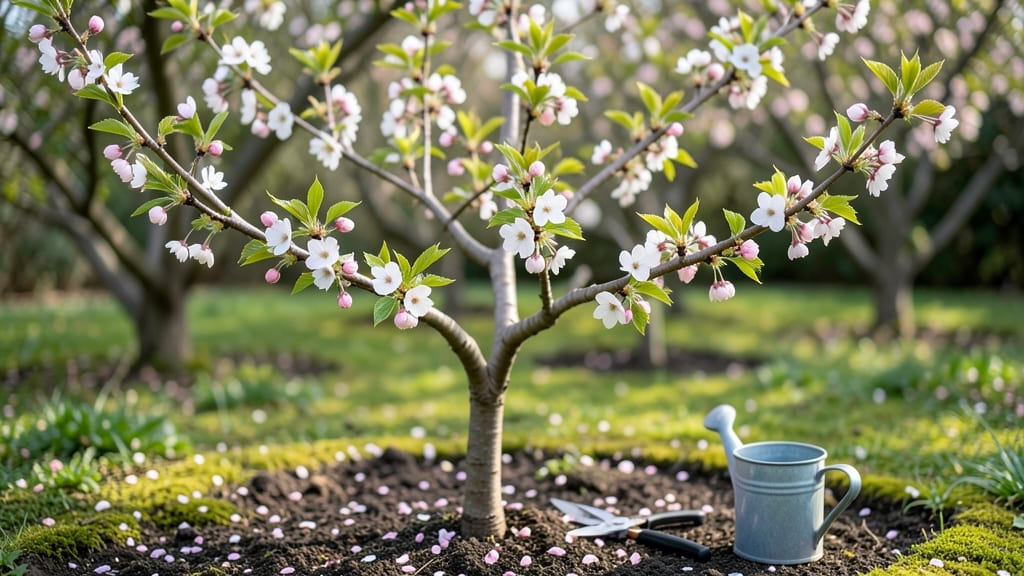
Those ornamental cherry tree leaves—vibrant, velvety, and ever-changing—are what make these trees the stars of any landscape. I’ve watched my own ‘Royal Raindrops’ burst into deep magenta each spring, then fade to soft pinks by summer, all while staying tough through Zone 5 winters.
The secret isn’t just picking the right variety; it’s understanding how to coax that color and health from year to year.
Cold-hardy varieties like ‘Kanzan’ or ‘Okame’ deliver showstopping foliage with minimal fuss, but even the toughest trees need a little help—pruning at the right time, watching for pests like lace bugs, and adjusting water when leaves first unfurl.
I’ve learned the hard way that skipping these steps turns stunning color into sad, spotted messes. The payoff? Trees that stay lush and disease-resistant through every season, with leaves that put store-bought bouquets to shame.
📚 In This Guide
- What you need
- Instructions
- Tips and common mistakes
- Wrapping up and next steps
What you need
- ● Cold-hardy ornamental cherry tree varieties: 1–3 Prunus serrulata (e.g., 'Kanzan,' 'Shirotae,' or 'Shidare Yoshino') – Choose based on your USDA hardiness zone (Zones 5–8 for most varieties).
- ● 1 Prunus × yedoensis (e.g., 'Akebono' or 'Shimane') – Ideal for Zones 4–8.
- ● Planting supplies: 1 5–15-gallon container or bare-root sapling (size depends on tree age).
- ● 2–3 bags high-quality planting soil (or a mix of native soil + compost).
- ● 1 slow-release fertilizer (10-10-10 or organic option like 5-5-5).
- ● 1 mulch (3–4 inches of wood chips or pine straw).
- ● Pruning & maintenance tools: 1 pair bypass pruners (for small branches, ¼"–½" cut capacity).
- ● 1 loppers (for branches up to 1½" in diameter).
- ● 1 pruning saw (for thicker branches, 20" blade).
- ● 1 disinfectant spray (70% isopropyl alcohol or bleach solution).
- ○ Safety gear (optional but recommended):strong> 1 pair gloves (gardening or cut-resistant).
- ● 1 safety glasses (for pruning near eyes).
- ● 1 tree stake or support (for young or top-heavy varieties like 'Shidare Yoshino').
- ● 1 soil moisture meter (to monitor watering needs, especially in winter).
- ● 1 tree wrap or frost cloth (for young trees in Zones 4–5 during harsh winters).
- ● 1 leaf rake (to clean up fallen foliage and prevent disease).
- ● 1 pH test kit (to ensure soil is slightly acidic, pH 5.5–6.5, for optimal growth).
How to select and care for cold-hardy ornamental cherry trees
Here’s how to choose and maintain these stunning trees for vibrant foliage all year.
Choose the Right Cold-Hardy Variety
Look for varieties like Prunus serrulata 'Kwanzan' or Prunus subhirtella 'Autumnalis,' which thrive in zones 3-8. These trees boast brilliant spring blooms, rich summer foliage, and fiery fall colors—often with hints of winter interest. Check your USDA hardiness zone before buying; some varieties, like Prunus serrulata 'Shirofugen,' handle colder climates better than others.
Real talk: Avoid fast-growing varieties if you want longevity. Slower-growing trees like Prunus serrulata 'Mount Fuji' develop stronger root systems and resist winter damage better. When shopping, inspect the bark for smoothness—rough or cracked bark can signal poor cold tolerance.
Plant in Well-Draining Soil with Full Sun
Ornamental cherries need full sun (6+ hours daily) and soil that drains well—waterlogged roots lead to root rot, especially in winter. Amend heavy clay with 2-3 inches of compost before planting to improve aeration. Dig a hole twice as wide as the root ball but no deeper, which encourages root expansion outward rather than downward.
Place the tree slightly higher than the surrounding soil to prevent water pooling at the trunk. Tap the backfill soil gently to remove air pockets, then water deeply to settle everything. Mulch with 2-3 inches of organic mulch (like shredded bark) around the base, keeping it 6 inches away from the trunk to avoid moisture buildup.
Water Deeply and Less Frequently
Newly planted trees need 1-2 gallons of water weekly during the first year, more in extreme heat. Water deeply until the soil 6 inches down feels moist—shallow watering encourages weak roots. After the first year, mature trees typically handle drought better, but prolonged dry spells can stress the tree and reduce leaf color intensity.
Here’s the thing—overwatering is just as harmful as underwatering. Check soil moisture by sticking your finger 2 inches deep; if it’s dry, water. If it’s still damp, wait. Yellowing leaves in summer often signal overwatering, while crispy edges mean it’s thirsty.
Prune for Structure and Winter Protection
Prune in late winter or early spring before buds swell to remove dead, crossing, or weak branches. Use clean, sharp pruners to make cuts at a 45-degree angle just above a bud. Avoid heavy pruning—never remove more than 25% of the canopy at once, as this stresses the tree and reduces flowering.
For extra winter protection in zones 3-5, wrap the trunk with tree guard (available at nurseries) to shield against rodent damage and temperature swings. Avoid wrapping the entire tree—just the trunk and lower branches. Remove the wrap in early spring before buds break to prevent overheating.
Monitor for Pests and Leaf Problems
Watch for cherry leaf spot (brown spots with yellow halos) or scale insects (sticky residue on leaves). Treat leaf spot with fungicide in early spring before new growth appears. Scale insects respond well to horticultural oil applied in late winter when the tree is dormant. Always follow label instructions for timing and application.
If leaves yellow in summer, it’s often due to iron deficiency—common in alkaline soils. Apply chelated iron in early spring to restore vibrancy. For mature trees, a slow-release fertilizer in early spring promotes healthy foliage without burning roots. Avoid high-nitrogen fertilizers, which encourage leaf growth at the expense of flowers.
Tips & tricks for perfect ornamental cherry tree care
These practical insights will help you keep your cold-hardy cherry trees thriving with vibrant leaves all seasons long.
Variety Selection Matters: When choosing between Prunus serrulata 'Kwanzan' and Prunus subhirtella 'Autumnalis,' consider your climate zone. 'Kwanzan' offers dramatic pink blooms but may need winter protection in zones 3-4, while 'Autumnalis' provides early spring flowers and better cold tolerance. For year-round interest, 'Shirofugen' delivers stunning white bark in winter that's hardy down to zone 5.
Soil Preparation Tip: Before planting, test your soil's drainage by digging a 12-inch hole and filling it with water. If it doesn't drain within 2 hours, amend with additional compost or consider planting on a slight mound. The 2-3 inches of compost mentioned in Step 2 should be well-mixed into the native soil, not just placed at the bottom of the hole. This ensures proper aeration at the root level where it matters most.
Watering Wisdom: The 6-inch soil moisture check in Step 3 is crucial, but timing matters too. Water in the morning to allow foliage to dry before evening, reducing disease risk. For newly planted trees, consider using a soaker hose to deliver the 1-2 gallons weekly directly to the root zone without wetting the leaves. This targeted approach prevents fungal issues while maintaining consistent moisture.
Pruning Precision: When making those 45-degree cuts in Step 4, aim for the outward-facing bud to encourage growth away from the center. For larger branches, use the three-cut method: first undercut, then top cut, and finally remove the branch stub. This technique prevents bark tearing and promotes faster healing. Remember, those late winter/early spring timing windows are critical for maximizing next season's blooms.
Pro Tips for Ornamental Cherry Tree Leaves
- These practical insights will help you keep your cold-hardy cherry trees thriving with vibrant leaves all seasons long.
- Variety Selection Matters: When choosing between Prunus serrulata 'Kwanzan' and Prunus subhirtella 'Autumnalis,' consider your climate zone.
- Soil Preparation Tip: Before planting, test your soil's drainage by digging a 12-inch hole and filling it with water.
Frequently asked questions
about ornamental cherry tree leaves—because every gardener deserves clarity! Whether you're curious about care, colors, or cold resilience, we’ve got answers to help you pick the perfect tree.How cold-hardy are ornamental cherry trees with colorful leaves?
Most ornamental cherry trees thrive in USDA Zones 4–8, making them ideal for snowy climates! Varieties like Prunus serrulata 'Kanzan' or Prunus subhirtella 'Autumnalis' boast stunning foliage and cold tolerance. Just ensure proper winter mulching for extra protection.
When do ornamental cherry trees get their best fall colors?
Peak fall colors usually appear in October–November, depending on your region. Cooler nights and crisp air trigger the shift from green to fiery reds, purples, or oranges. For extended color, choose varieties like Prunus serrulata 'Shirofugen', known for its prolonged display.
Can I grow ornamental cherry trees in containers?
Yes! Dwarf varieties like Prunus serrulata 'Mount Fuji' thrive in large containers (15+ gallons). Use well-draining soil and repot every 2–3 years. Place them in full sun and water consistently—just remember, container trees need winter protection in colder zones.
What pests or diseases should I watch for with ornamental cherry leaves?
Keep an eye out for cherry leaf spot (brown spots), aphids (sticky residue), and borers (holes in bark). Prune affected branches promptly and apply fungicide or insecticidal soap as needed. Healthy trees with good airflow resist most issues!
Are there ornamental cherry trees with year-round interest?
Look for varieties with exfoliating bark (like Prunus serrulata 'Kiku-shidare') or winter blooms (e.g., Prunus subhirtella 'Autumnalis'). Even after leaf drop, these trees offer texture, color, and early spring flowers—true four-season stars!
Wrapping up and next steps
Ornamental cherry trees are a showstopper for gardens, offering stunning foliage and seasonal charm—even in colder climates! Whether you’re drawn to the fiery hues of Prunus serrulata or the delicate blooms of Prunus subhirtella, these cold-hardy varieties bring year-round beauty with minimal fuss. 🌸❄️
Ready to transform your outdoor space? Start by researching the best variety for your USDA hardiness zone, then reach out to local nurseries or trusted online sellers to bring home your new tree.
With the right care, your ornamental cherry will thrive—and become the star of your landscape for decades to come!