Orchid Care
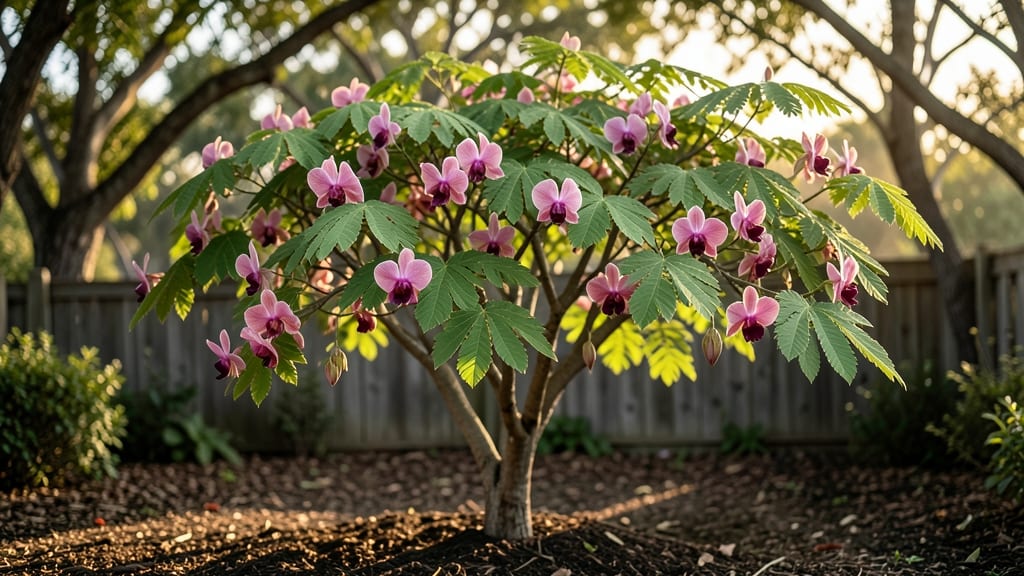
Your orchid tree flower could bloom year-round with the right pruning secrets—it’s all about timing and technique. 🌿 I learned this the hard way after my first Bauhinia sat dormant for months, waiting for the perfect moment to burst into color.
The key lies in understanding how these tropical trees respond to seasonal cues, especially in warmer climates where they thrive.
Most gardeners miss the simple truth: orchid trees bloom best when pruned just after flowering, not before. A sharp pair of shears and a sunny afternoon are all you need to encourage lush regrowth and trigger new blooms.
The trick is cutting back by a third to half, right above a leaf node—this sends a signal to the tree that it’s time to focus on flowers instead of foliage.
What you’ll end up with is a tree that rewards your efforts with vibrant, papery blooms from spring through fall. The fragrance alone makes it worth the effort, and the way the flowers unfurl in the morning light is pure magic.
Plus, pruned correctly, your orchid tree will stay compact and manageable, even in small yards or containers.
This works for both outdoor plantings and container-grown trees, as long as you mimic their natural tropical environment. Whether you’re in Zone 9 or a cooler microclimate, the same principles apply—just adjust your timing for frost-free seasons. Let’s get those blooms going!
📚 In This Guide
- What you need
- Instructions
- Tips and common mistakes
- Wrapping up and next steps
What you need
- ● Orchid tree (Bauhinia spp.): A healthy, mature plant with at least 3-5 years of growth (younger trees may not bloom reliably). Choose a variety like Bauhinia variegata or Bauhinia purpurea for vibrant flowers.
- ● Pruning shears or bypass pruners: Sharp, sterilized tools (alcohol wipe or bleach solution) to prevent disease. Avoid dull blades—they crush stems!
- ● Rubbing alcohol (70% or higher): For sterilizing tools between cuts (1-2 sprays per wipe).
- ○ Garden gloves: Optional but recommended—thorns on some orchid trees can be surprisingly sharp!
- ● Hose or water spray bottle: To clean tools and rinse sap off pruned areas (avoid soaking the plant).
- ○ Pruning sealant (optional): A fast-drying product like tree wound paint to coat larger cuts (1–2 inches in diameter). Skip if your tree is small or healthy.
- ● Notebook & pen: To track pruning dates, weather, and bloom responses (trust us, it helps!).
- ○ Sunlight meter (optional): To confirm your tree gets 6+ hours of direct sun (critical for blooming).
- ● Timing: Prune during the active growing season (spring or early summer in most climates). Avoid winter—your tree is dormant!
- ● Health check: Inspect your tree for pests (aphids, scale) or diseases (fungus, canker). Treat before pruning if needed.
- ● Watering routine: Water deeply 2–3 days before pruning (soil should be moist but not soggy).
How to prune an orchid tree for prolonged blooms
Here's how to coax your orchid tree into flowering year-round with simple pruning techniques.
✂️ Step 1: Identify the Right Time to Prune
Prune your orchid tree right after blooms fade completely—never while flowers are still open. This timing ensures you don't cut off next season's buds. Look for browned or wilting blooms as your signal to act. I wait until every last flower has dropped, usually about 2-3 weeks after the last petal falls.
If you prune too early, you risk removing flower buds that haven't yet developed. If you wait too long, the plant may focus energy on seed production instead of new growth. The key is patience—watch for the entire flower spike to turn brown and crispy before touching your shears.
✂️ Step 2: Cut Back to the Right Spot
Make your cut just above a leaf node (that little bump where leaves grow out). This is where new growth will emerge. I use clean, sharp pruners to avoid crushing the stem. For most orchid trees, this means cutting back to a point where you can see 3-5 healthy leaf nodes remaining on the stem.
Don't cut too close to the base—you'll remove potential growth points. And never cut into woody stems, as these won't regenerate. The goal is to encourage bushier growth while preserving the plant's structure. After pruning, you'll notice fresh green growth appearing within 2-4 weeks from those leaf nodes.
☀️ Step 3: Provide Post-Pruning Care
Move your orchid tree to a bright, indirect light spot for 1-2 weeks after pruning. Too much direct sun can stress newly exposed stems. I place mine near an east-facing window where it gets morning light but avoids harsh afternoon rays. You'll see new shoots emerge from the leaf nodes within 3-4 weeks if conditions are right.
Water lightly after pruning—just enough to keep the soil slightly moist but not soggy. Overwatering now can cause rot at the fresh cuts. Fertilize lightly with a balanced 10-10-10 solution every 2 weeks to encourage vigorous regrowth. The first signs of success are small, bright green leaves appearing at the cut points.
⏰ Step 4: Encourage Year-Round Blooming
To keep your orchid tree flowering continuously, prune every 3-4 months after blooms fade. This mimics its natural growth cycle and prevents the plant from becoming overgrown. I set reminders for spring, summer, and fall pruning sessions to maintain consistent blooming.
After each pruning, watch for new flower spikes to form at the leaf nodes. These will appear as small, tight buds that eventually unfurl into your beautiful orchid tree blooms. With this schedule, you'll enjoy continuous color rather than one big flush of flowers followed by bare stems.
Tips & tricks for perfect orchid tree pruning
Real talk: Pruning orchid trees feels intimidating at first, but these details make all the difference between sporadic blooms and year-round color.
The Timing Secret: That 2-3 week wait after blooms fade is critical—it gives your plant time to complete its natural cycle. I learned this the hard way after pruning too soon and losing potential buds entirely. Watch for the flower spike to turn completely brown and crispy before cutting, not just when some flowers wilt.
Cutting Precision: Always make your cut just above a leaf node where new growth emerges. Use clean pruners and angle your cut slightly downward to prevent water pooling. I mark the spot with a pencil first to avoid cutting into woody stems—this mistake can kill your plant's growth potential.
Post-Pruning Light Strategy: The 1-2 weeks of bright indirect light after pruning is non-negotiable. Too much direct sun stresses the fresh cuts, while too little light prevents new shoots from forming. I test light conditions by holding my hand near the plant—if I can't keep it there comfortably for 30 seconds, the light's too intense.
Pro Tips for Orchid Tree Flower
- Real talk: Pruning orchid trees feels intimidating at first, but these details make all the difference between sporadic blooms and year-round color.
- The Timing Secret: That 2-3 week wait after blooms fade is critical—it gives your plant time to complete its natural cycle.
- Cutting Precision: Always make your cut just above a leaf node where new growth emerges.
Frequently asked questions
Got questions about coaxing those stunning orchid tree flowers into bloom? You’re not alone! Here are the answers to the most common queries—from pruning tricks to troubleshooting—so you can keep your Bauhinia or Catalpa in peak bloom year-round.
How do I know when to prune my orchid tree for flowers?
Prune right after the blooms fade in late spring or early summer—this encourages new growth and flower buds for the next season. Avoid heavy pruning in fall/winter, as the tree needs energy to recover. Pro tip: Look for leaf nodes (bumps where leaves meet stems)—cut just above these to spur fresh shoots!
Why isn’t my orchid tree flowering, even after pruning?
Common culprits include overwatering (root rot stunts blooms), lack of sunlight (6+ hours of direct light is ideal), or nutrient deficiencies (use a balanced fertilizer in spring). Check for:
- Yellowing leaves (overwatering)
- Leggy stems (too little light)
- No buds after 6+ months (low potassium—try a bloom-boosting fertilizer).
Can I grow an orchid tree indoors, or does it need outdoor conditions?
While Bauhinia and Catalpa thrive outdoors in USDA Zones 8–11, you can grow them indoors near south-facing windows or with grow lights (12+ hours/day). Use a well-draining pot and mimic outdoor temps (60–80°F). Warning: Indoor trees may bloom less without seasonal temperature shifts.
What’s the best alternative if my orchid tree isn’t blooming?
If your Bauhinia or Catalpa struggles, try these low-maintenance flowering trees:
- Royal Poinciana (Delonix regia) – Vibrant orange blooms, drought-tolerant.
- Jacaranda – Purple cascades, loves heat.
- Crape Myrtle – Long summer blooms, adaptable.
- Fringe Tree (Chionanthus) – Fragrant white flowers, shade-tolerant.
Is it safe to prune during a heatwave or drought?
No! Pruning stresses the tree, and heat/drought weakens it further. Wait until temps stabilize (above 70°F) and the soil is lightly moist. If you must prune in extreme heat, do it early morning and water deeply before/after. Signs of distress: Drooping leaves or crispy edges = pause pruning and hydrate!
Wrapping up and next steps
The orchid tree flower (Bauhinia) rewards patience and care with stunning, year-round blooms—and you now have the pruning secrets to make it happen! 🌸 From understanding the right tools to mastering seasonal timing, every trim brings you closer to a vibrant, thriving tree.
Don’t let hesitation hold you back—your orchid tree is ready to burst into color!
💡 Next step: Grab your pruners, pick a sunny day, and give your tree the love it deserves. Watch those blooms light up your space—one strategic cut at a time!