
Trees
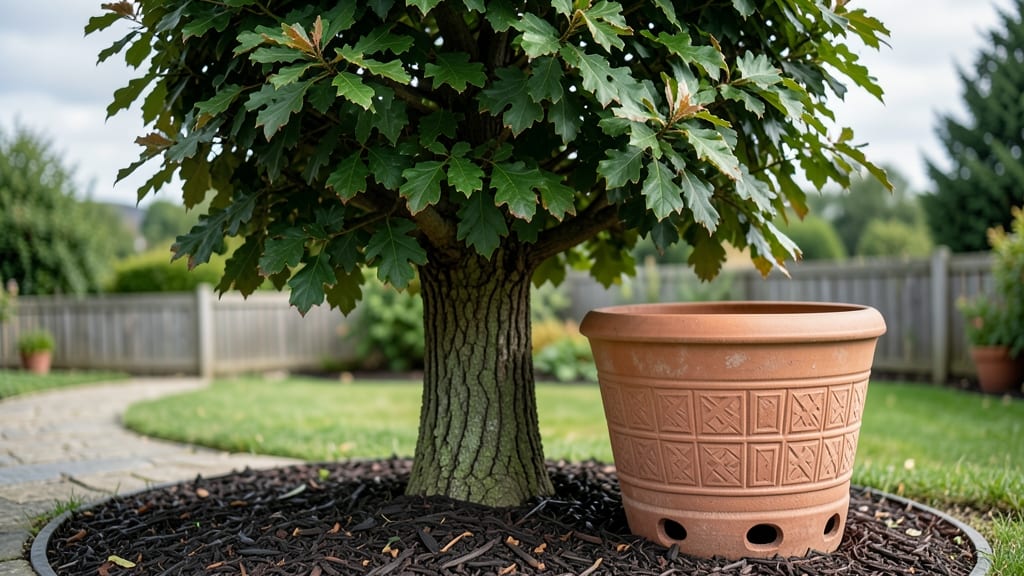
Growing an oak tree in a pot isn't just possible—it's a game-changer for small yards and urban spaces. 🌳 I've nurtured a dwarf white oak in a 15-gallon container for three years now, and it's thrived where nothing else would grow.
The key? Choosing the right variety and mimicking its natural forest habitat in a controlled space.
Not all oaks adapt to containers, but dwarf varieties like 'Little King' or 'Pine Oak' stay manageable while developing strong roots.
You'll need a minimum 10-gallon pot with drainage holes, a well-draining soil mix (think 60% potting soil, 30% perlite, 10% compost), and a sunny spot that gets at least 6 hours of direct light daily.
The first year is about establishing roots—water deeply when the top inch of soil dries out, but never let it sit soggy.
By year three, you'll have a 10-foot-tall (or smaller) oak with a sturdy trunk and lush canopy—no root-bound struggles if you repot every 2-3 years. The leaves stay vibrant, the acorns appear (though they're tiny), and the tree handles outdoor winters better than most container plants.
The trade-off? You'll need to move it indoors during extreme cold snaps, but that's a small price for a tree that outlives you.
This method works for patios, balconies, or even large decks—just avoid indoor growth beyond a bright windowsill. The secret's in the soil, sunlight, and patience. Let's get that oak growing right.
📚 In This Guide
- What you need
- Instructions
- Tips and common mistakes
- Wrapping up and next steps
What you need
- ● Dwarf oak tree sapling: Choose a Quercus variety like Quercus palustris (Pin Oak) or Quercus robur ‘Fastigiata’ (Upright Oak). Look for a 1- to 3-gallon container-grown tree (height: 2–4 ft).
- ● Large, durable pot: Minimum 18–24 inches in diameter and depth (with drainage holes!). Opt for fiberglass, ceramic, or heavy-duty plastic to prevent cracking.
- ● High-quality potting mix: A blend of 60% well-draining soil (e.g., cactus/succulent mix), 30% perlite/pumice, and 10% compost. Avoid garden soil—it compacts and suffocates roots!
- ● Drainage layer: 2–3 inches of gravel, expanded shale, or broken pottery at the pot’s base.
- ● Slow-release fertilizer: A balanced 10-10-10 or 20-20-20 formula (follow label instructions for dosage).
- ● Mulch: 1–2 inches of bark chips or pine straw to retain moisture and regulate temperature.
- ● Trowel or small shovel for planting.
- ● Gloves (to protect your hands from sharp edges or soil).
- ● Watering can or hose with a gentle spray nozzle (avoid overwatering!).
- ○ pH testing kit (optional but helpful—oak trees prefer slightly acidic to neutral soil (pH 6.0–7.0)).
- ● Stakes and soft ties (if your sapling is top-heavy or in a windy spot).
- ● Self-watering pot (for busy gardeners—keeps moisture consistent).
- ● Root stimulator (like mycorrhizal fungi) to boost early growth.
- ● Pot feet or casters (if you plan to move the tree often).
- ● Decorative pot sleeve (to hide the ugly drainage holes—because aesthetics matter!).
Step-by-Step guide to growing a dwarf oak tree in a container
Here’s how to cultivate a sturdy, long-lived oak tree in limited space—no yard required.
🪴 Step 1: Select the Right Container and Drainage System
Choose a minimum 18-inch diameter pot with four 1-inch drainage holes at the base. Oak roots need room to expand, so avoid shallow planters. I recommend fired clay pots—they breathe better than plastic and prevent root rot. Add a 2-inch layer of clean gravel at the bottom to create a reservoir for excess water.
If your pot lacks drainage, drill additional holes or place it inside a saucer with pebbles to catch runoff. The key here is preventing soggy roots, which oak seedlings despise. Test your setup by filling the pot with water—it should drain completely within 10 minutes. If it pools, adjust your drainage layer.
🌱 Step 2: Prepare the Soil Mix for Oak Seedlings
Oak trees thrive in well-draining, slightly acidic soil (pH 5.5–7.0). Mix 50% high-quality potting soil with 30% perlite and 20% compost. Avoid garden soil—it compacts and suffocates roots. I like to add 1 cup of coarse sand per 5 gallons of mix to improve aeration.
Fill the pot one-third full with your blend, then tap gently to settle. The goal is a loose, crumbly texture—press it lightly, and it should hold its shape but not feel dense. Oak seedlings hate wet feet, so this mix ensures excess moisture drains while retaining enough water for young roots.
☀️ Step 3: Plant the Seedling and Position for Light
Place your dwarf oak seedling in the center of the pot, ensuring the root flare (where roots meet the stem) sits just above the soil line. Backfill with soil, pressing lightly to eliminate air pockets. Water deeply until it runs out the drainage holes, then let it drain completely before moving.
Oak seedlings need full sun (6+ hours daily) but tolerate partial shade in hot climates. Position your pot where it gets morning sun and afternoon shade if temperatures exceed 90°F. A south-facing window works for indoor starts, but move outdoors once temperatures stabilize above 50°F. Watch for yellowing leaves—this signals either overwatering or insufficient light.
💧 Step 4: Water and Fertilize for Strong Growth
Water deeply once a week, soaking the entire root zone until water exits the drainage holes. Let the top 2 inches of soil dry out between waterings—oaks hate sitting in damp soil. In summer, you may need biweekly watering, but always check by inserting a finger 2 inches deep. If it feels dry, water; if moist, wait.
Fertilize once in spring with a balanced 10-10-10 formula (1 tablespoon per gallon of soil). Oak trees are slow growers, so avoid heavy feeding. Over-fertilizing leads to leaf burn and weak stems. Mulch the surface with 1 inch of pine bark fines to retain moisture and mimic forest conditions.
✂️ Step 5: Prune and Monitor for Long-Term Health
Prune only to remove dead or crossing branches in late winter. Oak trees hate aggressive pruning—never cut more than 25% of the foliage at once. Use sterilized pruners to prevent disease, and seal larger cuts with pruning paste to protect the tree from pests.
Watch for aphids or spider mites—common on container-grown oaks. Spray with neem oil if you spot sticky residue on leaves. Every 2–3 years, repot into a 2-inch larger container to accommodate root growth. With proper care, your dwarf oak can live decades in a pot—far longer than most annuals!
Tips & tricks for perfect container-grown oak trees
Here's what nobody tells you about keeping your dwarf oak thriving in limited space—these are the details that make all the difference.
Drainage Setup: That 10-minute drainage test in Step 1 is non-negotiable. If your water pools longer than that, you're risking root rot. I've seen oak seedlings die within weeks from soggy roots—don't let that be you. For extra insurance, add a layer of horticultural charcoal above the gravel to prevent bacterial buildup while still maintaining airflow. This creates a perfect balance between moisture retention and oxygen flow.
Soil Texture Test: After mixing your 50-30-20 blend in Step 2, do this quick check: Scoop a handful and squeeze gently. It should crumble easily when dry but still hold moisture when damp. If it feels like wet sandpaper, add more perlite. If it sticks together like clay, incorporate additional coarse sand. The right texture prevents both overwatering and dehydration—both deadly for oak roots.
Light Positioning: The 6+ hours of sun requirement in Step 3 is critical, but timing matters just as much. Place your pot where it gets morning sun first—this gradual warm-up prevents stress on the delicate leaves. In summer, when temperatures hit 90°F, move your oak to partial shade by midday. I've lost count of how many containers I've seen with crispy leaves from afternoon sunburn. A simple shade cloth can save your tree when temps climb.
Watering Wisdom: That "2 inches deep" moisture check in Step 4 is your best friend. Oak roots extend deep, so surface watering won't reach them. I recommend using a moisture meter for accuracy—these $10 tools show exactly when the root zone needs hydration. And here's a pro move: Water in the morning so excess drains before evening. Wet leaves at night invite fungal problems.
Pro Tips for Oak Tree In Pot
- Here's what nobody tells you about keeping your dwarf oak thriving in limited space—these are the details that make all the difference.
- Drainage Setup: That 10-minute drainage test in Step 1 is non-negotiable.
- Soil Texture Test: After mixing your 50-30-20 blend in Step 2, do this quick check: Scoop a handful and squeeze gently.
Frequently asked questions
Got questions about growing a stunning oak tree in a pot? You’re not alone—here are the answers to the most common queries to help you succeed!
Can I grow a full-sized oak tree in a pot?
A full-sized oak tree is not practical in a pot—they need deep roots and space to thrive. Instead, opt for dwarf varieties like Quercus palustris ‘Winter Fire’ or Quercus robur ‘Fastigiata’, which stay manageable (10–20 ft tall) and adapt better to containers. Always check the species’ mature size before buying!
How often should I water my potted oak tree?
Water your oak tree when the top 1–2 inches of soil feel dry (test with your finger!). In summer, this could mean watering 2–3 times per week, while winter may only require monthly checks. Overwatering is deadly—ensure pots have drainage holes to prevent root rot. Mulch helps retain moisture without smothering roots.
What’s the best soil mix for a potted oak?
Use a well-draining blend like 60% potting soil, 20% perlite or coarse sand, and 20% compost. Oak trees hate soggy roots, so avoid garden soil or clay-heavy mixes. For extra nutrients, add a slow-release fertilizer (like 10-10-10) in spring. Pro tip: Repot every 2–3 years with fresh mix to prevent compaction!
Why are the leaves on my potted oak turning yellow?
Yellow leaves usually signal overwatering, nutrient deficiency, or root stress. Check the soil moisture first—if it’s damp, hold off on watering. Yellowing between veins often means iron deficiency; use a chelated iron supplement. If roots are circling or pot-bound, repot immediately. Brown edges? That’s often dry air—mist leaves or use a humidity tray!
Can I keep a potted oak tree indoors year-round?
Oak trees are outdoor plants and need sunlight, fresh air, and seasonal dormancy. While you can bring a potted oak indoors briefly (e.g., during harsh winters), long-term indoor life will stunt growth and weaken health. Place it in a bright, sheltered spot (like a covered patio) and acclimate it gradually to indoor conditions if needed.
How do I prune a dwarf oak in a pot?
Prune in late winter or early spring before new growth starts. Remove dead, crossing, or overcrowded branches with clean, sharp shears. Avoid heavy pruning—oaks respond poorly to aggressive cuts. Shape lightly to encourage fullness, and never prune more than 25% of the foliage at once. Seal cuts with pruning sealant for large wounds.
Wrapping up and next steps
Growing a dwarf oak tree in a pot is a rewarding way to bring nature’s grandeur to your small space—whether it’s a cozy balcony, patio, or sunny windowsill! 🌳 With the right variety, container, and care, you’ll enjoy its majestic beauty for years while keeping maintenance manageable.
Remember, patience and consistency are key: monitor soil health, prune thoughtfully, and adapt as your tree grows.
Ready to get started? Pick your dwarf oak variety today, gather your supplies, and give your green thumb a new challenge. Watch as your tiny oak becomes a statement piece—and a conversation starter! 🌟