
Neem Oil
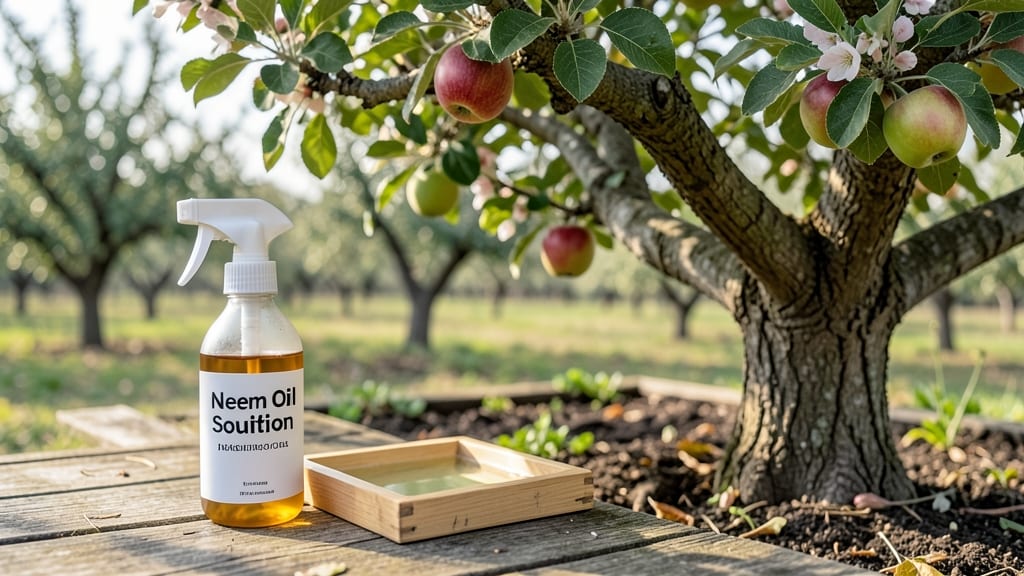
Neem oil for apple trees isn't just a spray—it's the organic game-changer that saved my orchard from aphid infestations and fungal scab last summer. 🌱 I learned the hard way that synthetic pesticides leave residues and disrupt ecosystems, but neem works with nature to protect your trees while keeping pollinators safe.
The beauty of neem oil lies in its dual action: it smothers soft-bodied pests like aphids and mites while disrupting fungal spores before they take hold.
You only need 1 teaspoon of neem oil per quart of water with a dash of mild soap as an emulsifier, mixed right before spraying. Early morning or evening applications prevent leaf burn from sunlight, and it works whether you're treating young saplings or mature trees.
What you'll end up with is shiny, pest-free foliage and fruit that stays blemish-free through harvest. The trees develop a natural resistance over time, and you'll spend less on chemical treatments. Plus, it's approved for organic certification, so your harvest stays clean for market or home use.
Works for backyard orchards, community gardens, or even container-grown apple trees. The key is consistency—apply every 7-14 days during active growing seasons, and you'll see results within a week. Here's how to do it right the first time.
📚 In This Guide
- What you need
- Instructions
- Tips and common mistakes
- Wrapping up and next steps
What you need
- ○ Neem oil (100% pure, cold-pressed): 1–2 oz (30–60 mL) per gallon of water (adjust based on tree size). Water: 1 gallon (3.8 L) per application (use rainwater or dechlorinated tap water). Horticultural oil or liquid soap (optional but recommended): 1 tsp (5 mL) per gallon to help the neem oil stick to leaves. Spray bottle or pump sprayer: 1–3 gallons capacity (e.g., 1-gallon pump sprayer). Protective gear: Nitrile gloves (1 pair) Long sleeves and pants Safety goggles (optional but wise)
Step-by-Step guide for applying neem oil to apple trees
Here’s how I apply neem oil to protect apple trees from pests and fungal diseases—safely and effectively.
🌿 Step 1: Choose the Right Neem Oil Product
Use a cold-pressed, organic neem oil with at least 1% azadirachtin for maximum efficacy. Avoid refined or processed versions—they lose their active compounds. I prefer 100% pure neem oil with no additives, as these can interfere with absorption.
Check the label for USDA Organic certification to ensure it’s free from synthetic pesticides. Cold-pressed neem oil retains the highest concentration of natural compounds that deter pests and disrupt fungal growth. If you’re unsure, a quick online search for “neem oil azadirachtin content” will confirm potency.
💧 Step 2: Mix Neem Oil with Water and Surfactant
Combine 1 tablespoon of neem oil with 1 teaspoon of a horticultural oil or liquid soap (like 70% horticultural oil) per 1 gallon of water. The surfactant helps the oil spread evenly and adhere to leaves, stems, and fruit. Without it, the oil will bead up and run off, reducing effectiveness.
Mix thoroughly in a clean spray tank or bucket until the solution is uniform. I like to shake it vigorously for 30 seconds to ensure the oil and water fully emulsify. A cloudy appearance means it’s ready—if it separates, stir again before use.
☀️ Step 3: Apply During Optimal Conditions
Spray neem oil early in the morning or late afternoon when temperatures are below 85°F. Direct sunlight or high heat can cause leaf burn, even with proper dilution. Avoid applying if rain is forecast within 24 hours, as it will wash off before it works.
Focus on the undersides of leaves, fruit clusters, and new growth—these are where pests and fungal spores hide. Use a fine-mist sprayer for even coverage. I like to spray until the point of light runoff, ensuring the solution coats the entire tree surface.
⏰ Step 4: Repeat Applications for Long-Term Protection
Apply neem oil every 7–14 days during active pest seasons (spring through early fall). For fungal issues like apple scab, start treatments before symptoms appear—ideally in early spring when buds swell. Consistency is key; a single application won’t eradicate established infestations.
Rotate with other organic sprays like baking soda solution or neem cake tea to prevent resistance. I also recommend pruning affected branches before spraying to improve airflow and reduce humidity, which fungal pathogens thrive in.
✂️ Step 5: Monitor and Adjust for Best Results
Check for pest activity or fungal signs (yellowing leaves, black spots, or sticky residue) 3–5 days after application. If issues persist, increase frequency to weekly applications or add a companion spray like kaolin clay for extra protection.
Neem oil is not a cure-all—it works best as a preventative measure. If severe damage occurs, combine with beneficial insects (like ladybugs) or organic fungicides for a layered defense. Always store leftover solution in a cool, dark place to preserve potency.
Tips & tricks for perfect neem oil application on apple trees
These pro-level strategies will help you maximize neem oil's effectiveness while avoiding common pitfalls that waste your effort.
Product Selection Matters: In Step 1, when choosing your neem oil, pay special attention to the azadirachtin percentage—this is what actually disrupts pest life cycles. I've found that oils with 1-2% azadirachtin work best for established infestations, while 1% is sufficient for prevention. Always check for "cold-pressed" on the label; heat processing destroys the active compounds that make neem oil work. For extra peace of mind, look for products tested by independent labs like the Organic Materials Review Institute (OMRI).
Mixing Technique: The 30-second vigorous shaking in Step 2 is crucial for creating a stable emulsion. I've learned this the hard way—when the oil and water separate, you're essentially spraying water with a tiny amount of oil floating on top. For even better results, consider adding 1 teaspoon of molasses to your gallon mixture (optional). This provides additional nutrients for beneficial insects while enhancing the oil's stickiness. Always use distilled water if possible—tap water minerals can interfere with the surfactant's effectiveness.
Targeted Application: When applying in Step 3, focus on the undersides of leaves first—this is where most pests hide and where fungal spores first appear. I use a simple trick: hold the sprayer about 12 inches from the tree and move in a circular motion, overlapping each pass by about 50% to ensure complete coverage. For larger trees, consider using a commercial backpack sprayer—it's worth the investment if you have multiple trees. Remember, you're not just treating symptoms; you're creating an environment where pests can't thrive.
Seasonal Timing: The 7-14 day application schedule in Step 4 works best when you start early. For apple scab prevention, begin treatments before buds swell in early spring—this is when fungal spores are most active. I've had the most success by creating a spraying calendar that accounts for both pest cycles and weather patterns. For example, after a heavy rain, increase frequency to weekly applications until the foliage dries completely, as moisture creates ideal conditions for fungal growth.
Pro Tips for Neem Oil For Apple Trees
- These pro-level strategies will help you maximize neem oil's effectiveness while avoiding common pitfalls that waste your effort.
- Product Selection Matters: In Step 1, when choosing your neem oil, pay special attention to the azadirachtin percentage—this is what actually disrupts pest life cycles.
- Mixing Technique: The 30-second vigorous shaking in Step 2 is crucial for creating a stable emulsion.
Frequently asked questions
Got questions about using neem oil on your apple trees?
You’re not alone! Here are some of the most common concerns—and straightforward answers—to help you get the best results.
How often should I apply neem oil to apple trees?
For preventive care, apply neem oil every 2–4 weeks during the growing season (spring through early fall). If treating an active infestation, spray every 7–10 days until pests or fungi clear up. Always apply in the evening or early morning to avoid harming bees and other pollinators.
Can I use neem oil on apple trees if they’re in bloom?
No—never apply neem oil when apple trees are flowering (typically spring). It can harm bee populations, which are critical for pollination. Wait until after blooms fall (usually 2–4 weeks post-bloom) before treating. For early-season pests, opt for kaolin clay or horticultural oil instead.
Will neem oil affect apple flavor or harvest quality?
Nope! Neem oil is non-toxic to humans and animals once fully absorbed by the tree (typically within 24–48 hours). It won’t alter the taste, color, or texture of apples. Just rinse fruit thoroughly if you’re concerned about residue, though organic neem oil leaves a minimal, safe film.
What’s a good alternative if neem oil doesn’t work?
If pests (like aphids or mites) persist, try these organic swaps:
- Insecticidal soap – Effective for soft-bodied insects (aphids, mites).
- Diatomaceous earth (DE) – Sprinkle on soil or foliage to dehydrate crawling pests (reapply after rain).
- Bacillus thuringiensis (Bt) – Targets caterpillars and borers without harming beneficial insects.
- Copper fungicide – For fungal issues like apple scab (use sparingly to avoid buildup).
Rotate treatments to prevent resistance.
Why did my apple tree’s leaves turn brown after using neem oil?
Brown or crispy leaves usually mean one of two things:
- Overapplication – Neem oil can burn foliage if used too concentrated (stick to 1–2 tbsp per gallon of water).
- Hot, dry weather – Apply in cool, humid conditions (avoid midday heat).
To fix it, prune damaged leaves and water deeply. Next time, dilute neem oil further (try 1 tbsp per gallon) and apply in the evening.
Wrapping up and next steps
Neem oil is a powerful, natural ally for your apple trees, offering an eco-friendly way to combat pests and fungal diseases without harsh chemicals. 🌿 With just a few simple steps—like proper dilution, timing, and safety precautions—you can protect your orchard while supporting long-term tree health.
Ready to give it a try? Start small with a test spray on one tree, monitor results, and gradually expand your approach. Your apple trees (and future harvests) will thank you!