
Pruning
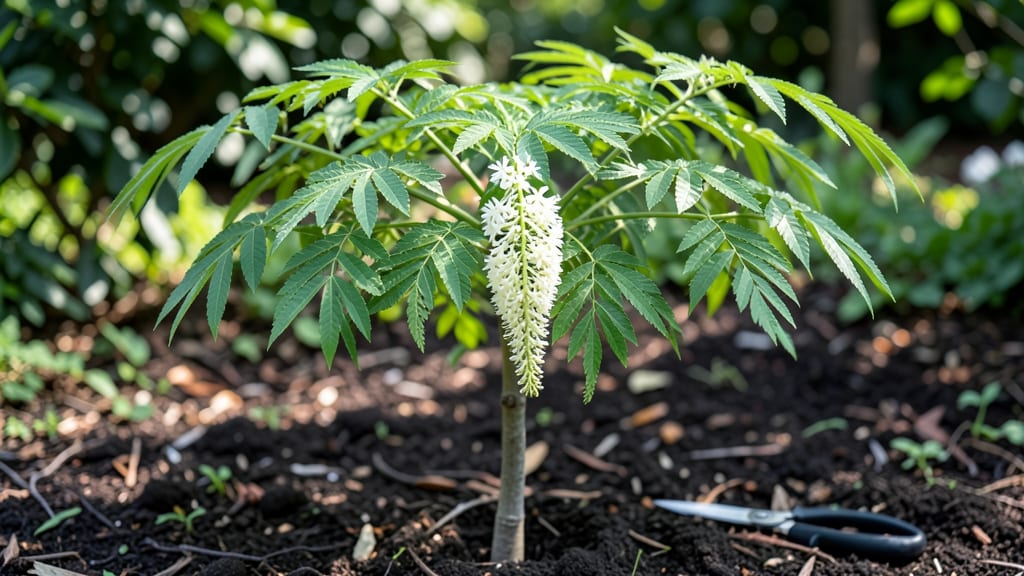
The sweet, honey-like scent of a flowering moringa tree is what first hooked me—it turns a backyard into a fragrant oasis year-round. 🌿 This isn’t just about pretty blooms; it’s about three strategic trims that keep your tree producing flowers continuously, even in cooler months.
My first attempt at pruning back in Florida’s dry season nearly killed the blooms, but once I learned the timing and technique, the flowers never stopped coming.
Here’s the secret: moringa trees thrive in hot climates with full sun, but they need light, frequent pruning to encourage new growth—and that’s where the flowers appear.
You’ll start seeing those delicate, fragrant clusters within 4-6 weeks of your first trim, and with the right care, they’ll keep blooming for months. The key is cutting back one-third of the branches every 3-4 months, right after a flush of flowers fades.
What you end up with is a tree covered in creamy-white, lace-like flowers that smell like fresh honey, attracting bees and hummingbirds. The flowers even turn into edible seed pods, so you’re not just getting beauty—you’re getting a harvest.
The best part? This method works whether you’re growing in containers or in the ground, as long as you keep the soil well-draining and rich.
Fair warning: over-pruning or skipping trims will slow down flowering, and too much shade will make the blooms sparse. But once you nail the rhythm, your moringa tree becomes the fragrant centerpiece of your garden. Let’s get those shears ready—your tree’s about to become a nonstop floral show.
📚 In This Guide
- What you need
- Instructions
- Tips and common mistakes
- Wrapping up and next steps
What you need
- ● Pruning shears: Bypass pruners (sharp, sterilized, and rated for 20+ cuts per charge—e.g., Felco F-2 or equivalent). Quantity: 1 pair.
- ● Gloves: Heavy-duty, gardening-grade gloves (nitrile-coated for grip and protection). Quantity: 1 pair.
- ● Disinfectant: 70% isopropyl alcohol or horticultural-grade rubbing alcohol (for sterilizing tools between cuts). Quantity: Small spray bottle (4 oz).
- ● Pruning saw: Curved-tooth saw (for thicker branches, if your moringa tree has woody stems). Quantity: 1.
- ● Marking twine or tape: Biodegradable twine or colored tape (to tag branches for trimming). Quantity: 1 roll.
- ● Bucket or tray: Large, wide-mouth container (to collect pruned branches for composting or propagation). Quantity: 1.
- ● Weather check: Mild, dry conditions (avoid pruning in rain or extreme heat). Ideal temp: 55–75°F (13–24°C).
- ● Sunlight access: Ensure your workspace has bright, indirect light (moringa trees love light, and you’ll need it to spot growth patterns!).
- ○ Optional: Growth regulator: Dormant oil or copper fungicide (to prevent disease if your tree is in a humid climate). Quantity: Small bottle (8 oz).
- ○ Optional: Propagation kit: Small pots, cactus/succulent soil mix, and rooting hormone (if you plan to propagate cuttings). Quantity: 3–5 pots.
- ○ Optional: Camera or notebook: To document your trimming progress and track flowering cycles! 📸
How to encourage moringa trees to bloom continuously
Year-round fragrance from your moringa tree starts with these three strategic trims—each designed to balance growth and flowering cycles.
🌿 Step 1: Prune for Airflow and Light Penetration
Moringa trees flower best when they receive unobstructed sunlight and good airflow—both of which are disrupted by dense foliage. Use sharp, sterilized pruning shears to remove any branches growing inward or crossing over others. Focus on the outer third of the canopy, where new growth emerges. This isn’t about drastic cutting; think of it as opening up the tree’s "breathing room."
Here’s the thing—moringa trees naturally grow leggy if they don’t get enough light. If you notice long, bare stems reaching toward the sky, prune them back by one-third to encourage bushier, more compact growth. The goal is to redirect energy from vertical stretching to lateral branches, where flowers form. You’ll see fresh, vibrant leaves sprout within 2-3 weeks—that’s your first sign the tree is responding.
☀️ Step 2: Time Trims to Seasonal Shifts
Moringa trees bloom most prolifically when pruned just before their natural flowering season—typically early spring in temperate climates. However, if you’re in a tropical or subtropical zone, you can trigger blooms year-round by pruning every 3 months. The key is to always trim right after a flush of new growth appears, but before the tree puts all its energy into flowering.
Real talk: I learned the hard way that pruning too late in the season can stunt blooms. If you miss the window, don’t panic—just wait for the next growth cycle. Watch for new leaf clusters (they’ll be soft and light green) as your cue. Once you see them, hold off on pruning for 4-6 weeks to let the tree stabilize before encouraging another bloom cycle.
✂️ Step 3: Shape for Floral Density
Moringa flowers form on new wood, so the secret to continuous blooming is encouraging frequent, controlled regrowth. After your initial pruning, shape the tree by trimming back overly long branches to 6-8 inches from the main stem. This forces the tree to produce multiple side shoots, each of which can develop flower clusters. Avoid cutting into old, woody stems—focus on the current season’s growth for the best results.
Here’s where it gets fun: moringa trees respond to pruning by producing more flowers on the ends of branches. If you notice a branch with heavy foliage but no blooms, trim it back by half to stimulate new growth at the tip. Within 3-4 weeks, you’ll see tiny flower buds forming—these will open into fragrant white or yellow blossoms. The more you prune strategically, the more the tree rewards you with continuous, abundant flowers.
Tips & tricks for perfect moringa tree flowering
Between us, these small adjustments make all the difference between occasional blooms and a tree that bursts with fragrance year-round.
Pruning Precision: When you're working on Step 1, focus your cuts just beyond leaf nodes—those little bumps where leaves attach. These nodes are where new growth will emerge, and cutting right above them ensures you're stimulating flower production. I always use a clean cut at a 45-degree angle to prevent water from pooling on the wound, which could invite disease. The outer third of the canopy is your target zone, but don't hesitate to thin out dense areas even deeper if needed.
Seasonal Timing Strategy: For tropical climates, that 3-month pruning schedule works wonders—but here's what nobody tells you: align your first trim with the longest daylight period of your region. In subtropical zones, this might be late spring rather than early spring. Watch for those soft, light green leaf clusters as your cue, but remember the 4-6 week waiting period after seeing them. This gives the tree time to stabilize its energy before you encourage another bloom cycle.
Branch Length Technique: When shaping in Step 3, think of your branches like a painter's brush—you want multiple strokes, not one long stroke. Cutting back overly long branches to 6-8 inches creates perfect conditions for multiple side shoots. Here's my secret: I always leave at least 2-3 leaf nodes on each remaining branch. These nodes are where the magic happens—they're the tree's natural growth points that will develop into flower clusters.
Flower Stimulation: That half-trimming of branches with heavy foliage but no blooms is your secret weapon. The shock of removing half the branch sends a signal to the tree's system: "We need flowers now!" Within those 3-4 weeks, you'll see tiny buds forming at the tips. Pro tip: If you're impatient, give the tree a light application of diluted seaweed extract after pruning—it contains natural growth hormones that can accelerate bud formation by about 10 days.
Pro Tips for Moringa Tree Flowering
- Between us, these small adjustments make all the difference between occasional blooms and a tree that bursts with fragrance year-round.
- Pruning Precision: When you're working on Step 1, focus your cuts just beyond leaf nodes—those little bumps where leaves attach.
- Seasonal Timing Strategy: For tropical climates, that 3-month pruning schedule works wonders—but here's what nobody tells you: align your first trim with the longest daylight period of your region.
Frequently asked questions
Got questions about moringa tree flowering and how to keep those fragrant blooms coming? Here are answers to the most common queries—so you can enjoy your tree’s beauty and benefits year-round!
When does a moringa tree flower?
A moringa tree typically flowers year-round in tropical climates, but peak blooming often occurs in spring and summer (or during the warmest months in cooler regions). With proper pruning—like the 3-trim method in this guide—you can encourage continuous flowering and even extend blooms into fall.
How long does it take for a moringa tree to flower after planting?
Most moringa trees start flowering within 1–2 years of planting, provided they’re healthy, well-nourished, and in ideal conditions (full sun, well-draining soil, and regular watering). Dwarf varieties may flower slightly faster (as early as 6–12 months), while larger trees could take up to 3 years. Patience pays off—those fragrant blooms are worth the wait!
What should I do if my moringa tree isn’t flowering?
If your tree is healthy but not flowering, check these fixes:
- Light: Ensure it gets 6+ hours of direct sunlight daily—moringa trees are sun-lovers!
- Pruning: Try the 3-trim method (young, mature, and seasonal trims) to stimulate new growth and blooms.
- Nutrients: A balanced fertilizer (or compost) with a touch of phosphorus can encourage flowering.
- Age/Size: Young trees (<1 year) may not flower yet—be patient!
Can I prune my moringa tree while it’s flowering?
Yes! Pruning during flowering is safe and even beneficial—just follow these tips:
- Avoid heavy pruning (cut back more than 25% of the tree) while blooms are present, as it may reduce flower production.
- Focus on light shaping or deadheading spent flowers to encourage new blooms.
- Use the seasonal trim (late summer/early fall) to prep for next year’s flowers.
Are there moringa varieties that flower more reliably?
Some moringa varieties are known for prolific flowering, especially:
- Moringa oleifera ‘Dwarf’: Compact, flowers abundantly, and great for containers.
- Moringa peregrina: More drought-tolerant and often flowers year-round in arid climates.
- Moringa stenopetala: Thrives in cooler high-altitude regions and blooms consistently.
Pro Tip:
Want to boost flowering? Try this trick: After pruning, apply a light layer of compost around the base and water deeply. The extra nutrients + stress from trimming often trigger a surge of new blooms within 4–6 weeks!
Wrapping up and next steps
The moringa tree’s delicate, fragrant flowers aren’t just a seasonal treat—they’re a year-round possibility with the right care! By mastering three precision trims, you can encourage continuous blooming while keeping your tree healthy and thriving. Whether you’re a gardening novice or a seasoned green thumb, these techniques make it simple to enjoy that sweet, citrusy aroma whenever you walk by.
Ready to transform your garden into a fragrant paradise? Start today by scheduling your first trim—your moringa tree (and your senses!) will thank you. 🌸✨