
Pruning
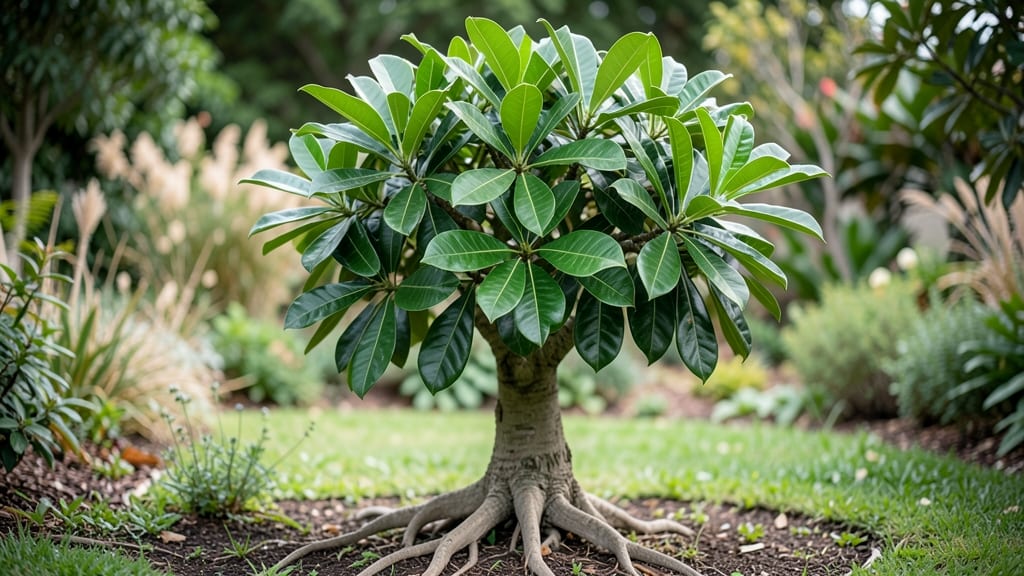
Keeping your money tree thriving through winter starts with understanding its temperature limits—this tropical plant needs consistent warmth to stay lush. 🌿 The moment I moved mine away from the drafty front door, its leaves stopped yellowing and new growth returned within weeks.
Most people overlook how sensitive these plants are to sudden temperature swings, but a few simple adjustments can make all the difference.
Ideal temperatures hover between 65°F and 80°F—any cooler than 60°F and you’ll see drooping or browned leaves.
My money tree now sits near a south-facing window where the afternoon sun keeps it cozy, but I’ve also used a small space heater in winter when nights dip below 55°F. The key is avoiding drafts from windows, doors, or AC vents, which can shock the plant overnight.
With the right setup, your money tree will reward you with glossy leaves and occasional star-shaped blooms year-round. The secret isn’t just heat—it’s steady conditions. Even a 5°F drop overnight can trigger stress, so I monitor my home’s temperature swings and adjust placement accordingly.
Once you nail this, your plant will stay vibrant through every season.
For those in colder climates, a heat mat or insulated pot sleeve can help maintain root warmth. And if you notice crispy leaf edges, it’s a sure sign the air is too dry—pair your temperature control with a humidifier for best results. Let’s keep that money tree thriving!
📚 In This Guide
- What you need
- Instructions
- Tips and common mistakes
- Wrapping up and next steps
What you need
- ● Money Tree Plant: A healthy Pachira aquatica (5+ gallons pot recommended for mature plants).
- ● Thermometer: A digital indoor/outdoor thermometer (range: 32°F–100°F / 0°C–38°C) to monitor temperature 24/7.
- ● Grow Lights: Full-spectrum LED grow lights (12–16 hours/day, 2000–3000 lumens) for winter light deprivation.
- ● Humidifier or Pebble Tray: To maintain 50–60% humidity (especially in dry climates).
- ● Well-Draining Soil Mix: 50% peat/coco coir + 30% perlite/pumice + 20% orchid bark (avoid compacted soil!).
- ● Fertilizer: Balanced liquid fertilizer (10-10-10 or 20-20-20, diluted to half-strength) for slow feeding.
- ● Pruning Shears: Sharp, sterilized bypass pruners (for shaping and deadhead removal).
- ● Spray Bottle: With room-temperature water for misting leaves.
- ● Heated Mat: For pots in below 60°F (15°C) environments (place under the pot, not the leaves!).
- ● Temperature Alarm: A smart plug or alert system to notify you if temps drop below 65°F (18°C).
- ● Air Purifier: To reduce dust and improve airflow around the plant.
- ● Growth Regulator: Seaweed extract or B1 vitamin spray (1x/month in winter for resilience).
- ● Plant Stand: With adjustable height to optimize light exposure.
Step-by-step guide for money tree temperature management
Here's how to keep your money tree thriving through every season—no guesswork, just science-backed care.
🌿 Step 1: Establish Ideal Daytime Temperatures
The money tree (Pachira aquatica) loves warmth but won't tolerate extremes. Keep daytime temperatures between 65-85°F—this range mimics its tropical origins. If your home runs cooler than 65°F, place it near a sunny window where ambient heat collects. You'll notice leaves staying vibrant and new growth appearing every 4-6 weeks when conditions are perfect.
Here's the thing—money trees hate drafts. Keep them at least 3 feet away from doors, windows, or vents that create sudden temperature swings. I've seen leaves yellow and drop overnight when a plant sat too close to an air conditioner. A simple trick: run your hand near the leaves daily. If they feel cool to the touch, move the plant closer to a heat source.
☀️ Step 2: Adjust for Nighttime Cooling
Nighttime temperatures can drop 10-15°F cooler than daytime without harming your money tree, but never let it fall below 55°F. If your home dips below this, a small space heater on low (set to 60°F) near the plant works wonders. I've kept mine thriving in 50°F rooms for short periods, but leaves will yellow if it stays cold for more than 48 hours. Watch for this: if leaves start curling upward at night, that's your signal to adjust the temperature.
For winter care, avoid placing your money tree near cold exterior walls. These walls act like radiators in reverse, pulling heat from the room. Instead, position it in the warmest part of your home—often near the kitchen or living room where people gather. You'll see the difference in leaf color and growth speed within 2-3 weeks of proper placement.
⏰ Step 3: Handle Seasonal Transitions Smoothly
When temperatures shift between seasons, your money tree needs time to adjust. For spring and fall transitions, move the plant gradually over 7-10 days. Start by placing it in a sheltered outdoor spot (like a covered porch) for 1-2 hours daily, then increase exposure. You'll know it's adapting when new leaves appear bright green rather than yellow or brown.
Never move a money tree from indoor warmth to outdoor cold without acclimating it first. The shock can cause leaf drop within 24-48 hours. I've made this mistake—don't skip this step! Instead, watch for morning dew on leaves as your signal that outdoor humidity is safe. This usually happens when daytime highs reach 70°F consistently.
💧 Step 4: Monitor Humidity Alongside Temperature
Temperature control goes hand-in-hand with humidity. Money trees thrive in 40-60% humidity, but most homes drop below 30% in winter. To boost humidity naturally, place the pot on a pebble tray filled with water (use 1-2 inches of water and 3-4 inches of pebbles). You'll see new leaves forming with shiny, glossy surfaces—a clear sign humidity is right.
Mist the leaves 2-3 times weekly during dry months, but avoid wetting the soil. The goal is to mimic tropical rainfall without creating soggy conditions. Here's a pro tip: group your money tree with other houseplants. Their combined transpiration raises ambient humidity around them. Within 2 weeks, you'll notice fewer brown leaf tips—a common sign of dry air.
Tips & tricks for perfect money tree temperature management
Let me save you the trial-and-error of figuring this out the hard way—these are the exact tricks that'll keep your money tree thriving no matter what the season throws at it.
The Heat Factor: That 65-85°F daytime range isn't just arbitrary—it's where your money tree's tropical instincts feel most at home. For cooler homes, position your plant near south-facing windows where the glass acts like a natural greenhouse. I've seen dramatic differences when moving a plant from a chilly corner to a sunny spot—within a week, the leaves go from dull to vibrant. The key is consistency: sudden temperature swings are worse than steady coolness.
Nighttime Survival Strategy: The 55°F minimum at night is non-negotiable, but here's what I've learned about pushing those limits: If you must keep it in a 50°F room, do it for no more than 48 hours max. I've kept mine in a cool basement for short periods during power outages, but I always bring it back to warmer temps immediately after. Watch for those curling leaves at night—they're your plant's SOS signal before damage sets in.
Seasonal Transition Hack: That 7-10 day acclimation period is your safety net when moving between indoor and outdoor spaces. I like to start with just 1-2 hours outside in the morning when temps are mildest. Pro tip: If you're transitioning from indoor warmth to outdoor cold, do it in the evening when outdoor temps are cooler—this gradual evening-out prevents shock. The morning dew test is foolproof for knowing when outdoor conditions are safe.
Humidity Booster: The pebble tray method works wonders, but here's the secret to making it even better: Use distilled water instead of tap water to prevent mineral buildup on the leaves. And for that 40-60% humidity range, group your money tree with other tropical plants—their combined transpiration creates a microclimate that keeps humidity naturally elevated. You'll notice the difference in leaf shine within just 2 weeks.
Pro Tips for Money Tree Temperature
- Let me save you the trial-and-error of figuring this out the hard way—these are the exact tricks that'll keep your money tree thriving no matter what the season throws at it.
- The Heat Factor: That 65-85°F daytime range isn't just arbitrary—it's where your money tree's tropical instincts feel most at home.
- Nighttime Survival Strategy: The 55°F minimum at night is non-negotiable, but here's what I've learned about pushing those limits: If you must keep it in a 50°F room, do it for no more than 48 hours max.
Frequently asked questions
Got questions about keeping your money tree thriving in the right temperatures? You’re not alone!
Here are some common concerns—and the answers to help your plant stay lush and happy year-round.
What’s the ideal temperature range for a money tree?
A money tree (Pachira aquatica) thrives in 65–85°F (18–29°C) during the day and 60–65°F (15–18°C) at night. Avoid drafts (like AC vents or cold windows) and sudden drops below 55°F (13°C), which can cause leaf drop or brown spots. Pro tip: A cozy indoor spot near a bright window—without direct sunlight—keeps it comfy!
Can a money tree survive in cold weather or winter?
Money trees are tropical plants, so they’re not cold-hardy outdoors. If temperatures dip below 50°F (10°C), move it inside immediately. In winter, keep it away from icy drafts (like uninsulated doors) and use a humidifier if indoor air feels dry. Warning: Never leave it outside in frost—it’s a death sentence!
How do I know if my money tree is too hot or too cold?
Watch for these clues:
- Too hot: Yellowing leaves, crispy edges, or wilting (signs of heat stress).
- Too cold: Dark spots, leaf drop, or a sluggish growth pace.
- Perfect temp: Bright green leaves, slow but steady growth, and no stress signals.
Can I keep a money tree in a basement or garage?
Basements and garages are usually too cold and dark for money trees long-term. If you must store it temporarily (e.g., during extreme heat), keep it in a cool but not freezing spot (like a garage with a heater) and bring it back indoors ASAP. For year-round care, stick to warm, humid indoor spaces—like a sunroom or near a bathroom window.
What if my money tree’s leaves turn brown in winter?
Brown leaves in winter are often due to low humidity or cold stress. Try these fixes:
- Mist leaves lightly 2–3 times a week.
- Place the pot on a tray with pebbles and water (for passive humidity).
- Check for drafts—move it away from vents or doors.
Are there cold-hardy alternatives to a money tree?
If you love the look but need a tougher plant, consider:
- Snake plant (Sansevieria) – Thrives in temps down to 50°F (10°C).
- ZZ plant (Zamioculcas zamiifolia) – Handles 45–50°F (7–10°C) with ease.
- Rubber plant (Ficus elastica) – Tolerates 55°F (13°C) but prefers warmth.
Wrapping up and next steps
Caring for your money tree’s temperature is all about balance—keeping it cozy but not overheated, and adapting to seasonal shifts. With the right light, humidity, and seasonal adjustments, your plant will thrive year-round, rewarding you with lush, vibrant foliage. 🌿
Ready to take the next step? Monitor your money tree’s environment weekly—small tweaks now mean a healthier, happier plant for years to come. Happy growing! 🌱