
Pruning
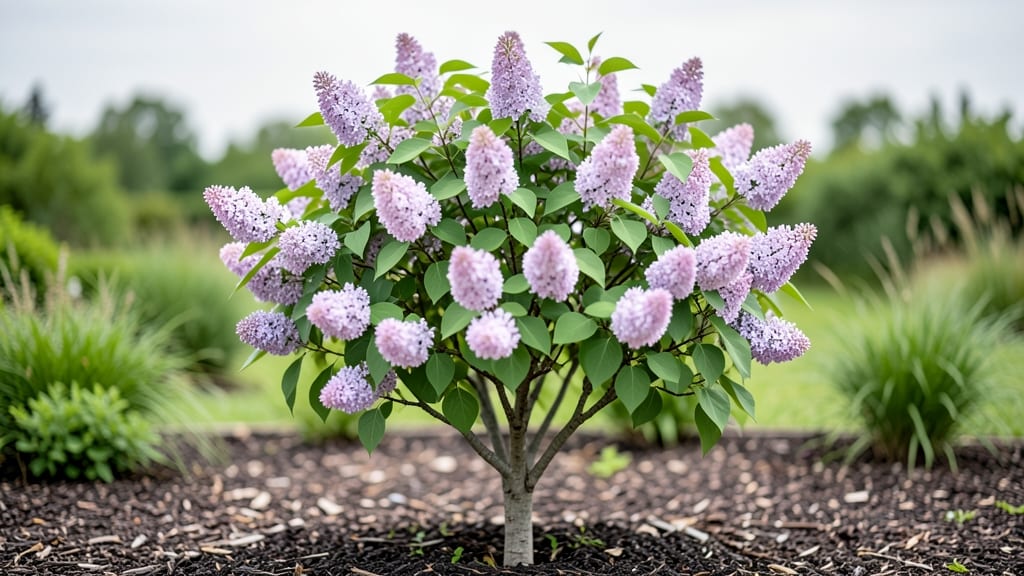
Reviving your Miss Kim Korean lilac tree’s spring blooms takes just three simple cuts—and the fragrance that follows will make your whole yard smell like a secret garden. 🌸 I’ve watched this compact beauty go from sparse blooms to a burst of lavender-pink flowers in just two pruning sessions, and it’s all about timing and technique.
The key is pruning right after the flowers fade but before new growth hardens—typically late May to early June. You’ll need sharp pruners, gloves, and a bucket for clippings, but that’s it.
This lilac thrives in full sun to partial shade and tolerates most soil types, though well-draining soil prevents the root rot that can stifle its growth.
After pruning, expect dense clusters of blooms the following spring, with that signature sweet fragrance wafting through your yard. The tree’s compact size (8–10 feet tall) makes it perfect for small spaces, and its low-maintenance nature means fewer headaches than traditional lilacs.
Works in USDA Zones 3–8, so whether you’re in the Pacific Northwest or the Midwest, this method keeps your lilac healthy and blooming year after year. Let’s get those shears ready!
📚 In This Guide
- What you need
- Instructions
- Tips and common mistakes
- Wrapping up and next steps
What you need
- ● Pruning shears: Sharp, bypass-style shears (2-4 inches long) for clean cuts. Must be sterilized with rubbing alcohol before and after use!
- ● Loppers: For thicker branches (¼–1 inch in diameter). Look for ratcheting or bypass types for precision.
- ● Gloves: Heavy-duty, cut-resistant gloves (e.g., leather or composite fabric) to protect hands from thorns and sap.
- ○ Pruning saw: Folding or curved-blade saw for branches over 1 inch thick. Optional but helpful for stubborn cuts!
- ● Disinfectant: 70% isopropyl alcohol or a pruning sealant (like Tanglefoot Pruning Seal) to prevent disease spread.
- ● Ladder or step stool: Sturdy and tall enough to reach the tree’s highest branches safely.
- ● Bucket or tarp: To collect clippings and debris. A 5-gallon bucket works perfectly!
- ● Permanent marker: For marking branches that need special attention (e.g., dead or overgrown wood).
- ● Hand pruners with a bypass blade: For delicate trimming of smaller branches.
- ● Extension pole pruners: If your tree is tall—reach those high branches without a ladder!
- ● Tree wound dressing: Controversial but some swear by it for large cuts (e.g., Ortho Fruit Tree Sealant).
- ● Safety glasses: Protect your eyes from flying debris or sap splatters.
- ● Notebook & pen: To jot down notes on cuts made (e.g., “Removed 3 dead branches on east side”).
Step-by-step instructions for reviving Miss Kim Korean lilac blooms
Here's the straightforward method I've used to coax vibrant spring blooms from even the most neglected specimens.
✂️ Step 1: Prune in Late Winter for Spring Growth
Time your cuts for mid-to-late February when the tree is still dormant but before new buds begin swelling. This timing ensures you remove dead wood while stimulating fresh growth that will support next year's blooms. I always prune on a dry, sunny day—wet branches are harder to handle and the cuts heal more slowly.
Focus on removing thick, crossing, or dead branches first. These are your priority because they're stealing energy from the rest of the tree. Use sharp bypass pruners to make clean cuts at a 45-degree angle just outside the branch collar. The goal is to open up the center of the tree so light and air can circulate freely to the inner branches.
Real talk: If you see any branches that are completely bare or have died back to the trunk, remove them entirely. These won't produce flowers and only take resources from the healthy growth. You'll know you're on the right track when you can see sunlight reaching the center of the tree after pruning.
✂️ Step 2: Thin Out Overcrowded Growth
Next, work on thinning the remaining branches to create an open, airy structure. Look for branches that are growing inward or rubbing against others—these will eventually damage each other and create weak points. I like to step back every few cuts to visualize the tree's shape from all angles.
For each branch you remove, make your cut at the outermost bud to encourage outward growth. This prevents the tree from growing too tightly in the center, which is where most diseases start. Korean lilacs naturally grow in a vase shape, so aim to maintain that natural form while opening it up.
Here's the thing—don't be afraid to make some bold cuts. Korean lilacs are remarkably resilient and will respond well to proper pruning. You'll see fresh, green growth emerging from the pruned areas within 4-6 weeks if you've timed it right. This new growth will be the foundation for next year's blooms.
✂️ Step 3: Shape and Clean Up for Optimal Bloom
Now it's time for the final shaping. Step back and look at the tree's overall form. You want to maintain a balanced, symmetrical appearance while keeping the center open. Remove any branches that are growing straight up—these take energy away from horizontal branches that produce more flowers.
For any remaining branches that need length adjustment, cut back to just above a leaf bud that's facing outward. This encourages the growth of new branches that will fill out the tree's form. I always make sure to sterilize my pruners between cuts with rubbing alcohol to prevent spreading disease through open wounds.
After pruning, give the base of the tree a 2-3 inch layer of mulch to protect new growth and retain moisture. This is the moment that matters: proper pruning now means you'll have abundant, fragrant blooms next spring. Just remember—Korean lilacs bloom on old wood, so avoid heavy pruning in years following a good bloom to preserve next year's flowers.
Tips & tricks for perfect Korean lilac pruning
Here's what I've learned after years of bringing back even the most neglected Korean lilacs—these details make all the difference.
Timing is Everything: The mid-to-late February window is critical because it catches the tree between dormancy and bud swelling. I've seen trees that bloomed beautifully after pruning in February but failed completely when pruned in January or March. If you miss this window, wait until after the blooms fade in spring—just avoid pruning immediately after flowering to preserve next year's buds.
Visual Cues for Pruning: In Step 1, when removing thick branches, look for the branch collar—the swollen area where the branch meets the trunk. Your cut should be just outside this collar at a 45-degree angle. This ensures the tree can heal properly and prevents unsightly stubs. I always test the cut by gently shaking the branch—if it moves at all, it wasn't cut cleanly enough.
Bud Direction Matters: When thinning branches in Step 2, pay attention to where the buds face. Cutting just above an outward-facing bud encourages new growth to spread outward, creating that beautiful vase shape. I've made the mistake of cutting above inward-facing buds, which led to dense, inward-growing branches that blocked sunlight and flowers.
Mulching Strategy: That 2-3 inch layer of mulch after pruning isn't just decorative—it's essential. I use shredded bark mulch because it breaks down slowly and improves soil structure over time. Apply it in a donut shape around the tree, keeping it 2-3 inches away from the trunk to prevent rot. This creates a moisture-retaining barrier that protects new growth while keeping the center open for airflow.
Pro Tips for Miss Kim Korean Lilac Tree
- Here's what I've learned after years of bringing back even the most neglected Korean lilacs—these details make all the difference.
- Timing is Everything: The mid-to-late February window is critical because it catches the tree between dormancy and bud swelling.
- Visual Cues for Pruning: In Step 1, when removing thick branches, look for the branch collar—the swollen area where the branch meets the trunk.
Frequently asked questions
When is the best time to prune my Korean Lilac for spring blooms?
The Miss Kim blooms on old wood, so prune right after flowering (late April to early May). Avoid cutting in fall or winter—this removes next year’s buds! If you miss the window, a light trim in early spring (before buds swell) is better than nothing.
How do I know if I’ve pruned too much? Signs my tree is stressed?
Watch for sparse blooms, yellowing leaves, or bare branches—these are red flags. The Miss Kim thrives with 30-50% of last year’s growth removed. If you’ve hacked it back hard, don’t panic! Water deeply, avoid fertilizing, and focus on light shaping cuts next year.
Can I use the same pruning technique for other lilacs (like common lilac) or is this unique?
Nope! Miss Kim is a repeat bloomer, so it’s pruned after flowers fade. Common lilacs bloom on old wood too, but prune them immediately after flowering (not in fall). For French or dwarf lilacs, check their blooming habit—some need a delayed prune to encourage new growth.
My Miss Kim isn’t blooming as much as last year. Did I mess up?
Not necessarily! Over-fertilizing (especially with high nitrogen) can boost leaves but kill blooms. Try this: Reduce fertilizer, prune only dead/diseased wood this year, and water deeply but infrequently (1-2 inches per week). If blooms are sparse but leaves are healthy, your tree might just need a year of recovery.
What if I prune at the wrong time? Can I still save my tree?
Yes! If you pruned in fall/winter, don’t stress—just skip heavy cuts next year and focus on light maintenance. For late pruning (June+), you’ll likely lose some blooms, but your tree will rebound by next spring. Pro tip: Mark your calendar for post-bloom pruning to avoid repeats!
| Quick Fixes for Common Mistakes |
|---|
| Too many cuts? Trim only 1/3 of last year’s growth next time. |
| No blooms? Use a low-phosphorus fertilizer (like 5-10-5) in early spring. |
| Leggy growth? Prune selectively to encourage denser branching. |
Wrapping up and next steps
The Miss Kim Korean Lilac Tree is a stunning springtime star, and with just three simple cuts, you can revive its beauty year after year! By mastering the art of pruning—timing, technique, and tool selection—you’ll encourage lush blooms, stronger growth, and a healthier tree. 🌸
Now that you’re armed with the knowledge, grab your pruners and give your lilac tree the care it deserves. Watch as it transforms your garden into a fragrant, blossoming paradise! Ready to take the next step? Share your progress or explore more pruning tips for other spring favorites.