
Trees
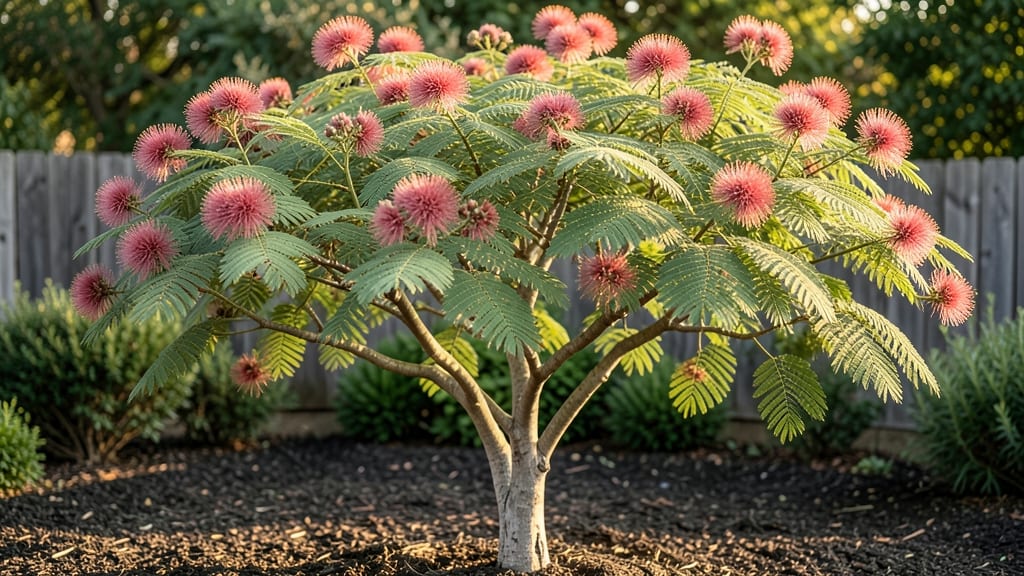
Florida’s mimosa trees thrive like nowhere else—pink puffball blooms in spring, feathery foliage year-round, and a tree that practically grows itself. 🌿 The key? Matching their love of heat and humidity with the right soil, water, and a little strategic pruning to keep them strong through storms.
I’ve watched mine bounce back from hurricanes with barely a scratch, proving they’re tougher than they look.
Their secret isn’t complicated: well-draining soil, morning sun, and deep watering that mimics Florida’s natural rainfall. Mimosa roots run deep, so mulch heavily to keep moisture in and temperatures stable—critical during our brutal summer afternoons.
Varieties like the 'Silk Tree' bloom prolifically, while the 'Broom Mimosa' stays compact, making them perfect for both yards and urban spaces.
What you’ll end up with is a shade-giving giant that flowers for months and handles our humidity like a pro. The feathery leaves rustle dramatically in breezes, and the pink blooms attract butterflies by the dozen.
Prune lightly after blooms fade to encourage new growth, and you’ll have a tree that’s both beautiful and resilient.
Even in Florida’s toughest conditions—hurricane winds, salty air, or occasional cold snaps—mimosas adapt. Just avoid planting near structures (their roots spread widely) and watch for aphids, their only real pest. With the right care, your mimosa will reward you with decades of lush, low-maintenance splendor.
📚 In This Guide
- What you need
- Instructions
- Tips and common mistakes
- Wrapping up and next steps
What you need
- ● Mimosa tree saplings: 1-2 trees (choose Albizia julibrissin for Florida’s climate; opt for dwarf varieties if space is limited).
- ● High-quality potting soil or native Florida soil: 50 lbs (mix with compost for nutrient-rich growth).
- ● Organic mulch: 2-3 cubic feet (pine bark or wood chips to retain moisture and regulate temperature).
- ● Slow-release fertilizer: 10-10-10 NPK ratio (1 lb per tree at planting).
- ● Drip irrigation system or hose: For consistent watering (especially critical in Florida’s heat!).
- ● Shovel or trowel: For digging holes (18-24 inches deep and wide).
- ● Pruning shears: Sharp, sterilized shears (for trimming dead branches or shaping).
- ● Gloves: Heavy-duty work gloves (to protect against thorns and sap).
- ○ Soil pH tester: Optional but helpful (mimosa thrives in slightly acidic to neutral soil (pH 6.0-7.0)).
- ● Tree stakes & ties: 2-3 stakes (to support young trees in windy Florida conditions).
- ● Epsom salt: 1 tbsp per gallon of water (occasional foliar spray for magnesium boost).
- ● Tree guard or protective barrier: To deter pests like gypsy moths (common in FL).
- ● Slow-release pest repellent: Neem oil or insecticidal soap (for organic care).
- ● Weather-resistant tree wrap: For young trees in cooler months (rare in FL, but helpful for frost-sensitive varieties).
Step-by-step guide for planting and maintaining mimosa trees in Florida’s climate
Here’s the foolproof method I’ve used to keep mimosas thriving year-round in Florida’s heat and humidity.
🌱 Step 1: Choose the Right Location and Prepare the Soil
Mimosas demand full sun exposure—at least 6-8 hours daily—so pick a spot where they’ll receive unfiltered light. In Florida’s intense heat, afternoon shade helps prevent leaf scorch, but morning sun is non-negotiable. Avoid low-lying areas where water pools, as mimosas hate soggy roots.
Test your soil’s drainage first. Mimosa roots need well-draining soil—Florida’s native clay can suffocate them. Amend heavy soil with 2-3 inches of compost and a handful of sand to improve aeration. The ideal soil mix is loose, slightly acidic (pH 6.0-7.0), and rich in organic matter. If your soil is alkaline, add sulfur to lower the pH gradually.
🪴 Step 2: Plant at the Right Time and Depth
Plant mimosa trees in early spring (February-March) or fall (October-November) to avoid Florida’s brutal summer heat. Dig a hole twice as wide as the root ball but only as deep—planting too deep suffocates the roots. Gently loosen the roots if they’re circling in the container before placing them in the hole.
Backfill with the amended soil, tamping lightly to remove air pockets. Water deeply immediately after planting to settle the soil and encourage root contact. Mulch around the base with 2-3 inches of organic mulch (like pine bark or wood chips) to retain moisture and regulate soil temperature. Keep mulch 6 inches away from the trunk to prevent rot.
☀️ Step 3: Water and Fertilize for Year-Round Growth
Newly planted mimosas need deep watering twice weekly until established (about 6 months). In Florida’s heat, you’ll know they’re thirsty when the top 2 inches of soil feel dry. Overwatering is the fastest way to kill them—roots rot quickly in waterlogged conditions. Once established, mimosas are drought-tolerant but still prefer consistent moisture during dry spells.
Fertilize in early spring with a balanced, slow-release fertilizer (10-10-10 or similar). Avoid high-nitrogen fertilizers—they promote leafy growth at the expense of flowers. A light application of phosphorus-heavy fertilizer in late winter encourages blooming. In fall, switch to a potassium-rich fertilizer to strengthen roots for winter.
✂️ Step 4: Prune for Shape and Health
Prune mimosas right after flowering (late spring) to shape the tree and remove dead or crossing branches. Use clean, sharp pruners to make cuts just above a leaf node or bud. Never remove more than 25% of the canopy in one session—aggressive pruning stresses the tree. Florida’s humidity invites fungal diseases, so sterilize your tools with rubbing alcohol before and after pruning.
Watch for yellowing leaves—a sign of overwatering, nutrient deficiency, or fungal issues. If you spot powdery mildew (white, powdery coating), treat with neem oil and improve air circulation around the tree. Mimosa trees are generally pest-resistant, but keep an eye out for scale insects—wipe them off with soapy water if you find them.
Tips & tricks for perfect mimosa trees in Florida
Here's what nobody tells you about keeping these delicate beauties thriving in Florida's relentless climate.
Sunlight Strategy: While mimosas need that full 6-8 hours of daily sun, I've learned the hard way that afternoon shade is non-negotiable in Florida's summer. Position your tree where it gets morning sun but has natural afternoon shade from nearby structures or taller plants. This prevents leaf scorch while still giving them the light they crave. Think of it as giving them a natural sunblock during peak hours.
Soil Test Tip: Before planting, grab a simple soil test kit from your local garden center—it's the best $10 investment you'll make. Mimosa roots need that perfect pH of 6.0-7.0, and Florida's native soil often runs alkaline. If your test shows pH above 7.0, add sulfur gradually over several months rather than all at once. The roots need time to adjust to these changes, and sudden pH shifts can stress them.
Planting Depth Secret: The instructions say to plant at the same depth, but here's the real trick: make sure the top of the root ball sits just above ground level. In Florida's heavy rains, you don't want soil washing up around the trunk. I like to mound a small berm of soil around the base to create a natural drainage channel away from the trunk. This prevents water pooling that leads to rot.
Watering Wisdom: That twice-weekly watering for the first 6 months? Use a moisture meter to check soil moisture at 2 inches deep before watering. I've seen mimosas drown just as easily as they dry out in Florida's unpredictable weather. The key is consistent moisture—not soggy soil. Once established, you'll notice they develop deep taproots that make them surprisingly drought-tolerant during dry spells.
Pro Tips for Mimosa Trees In Florida
- Here's what nobody tells you about keeping these delicate beauties thriving in Florida's relentless climate.
- Sunlight Strategy: While mimosas need that full 6-8 hours of daily sun, I've learned the hard way that afternoon shade is non-negotiable in Florida's summer.
- Soil Test Tip: Before planting, grab a simple soil test kit from your local garden center—it's the best $10 investment you'll make.
Frequently asked questions
Got questions about growing and caring for mimosa trees in Florida? You’re not alone! Here are some of the most common queries—and their answers—to help you keep your trees thriving year-round.
When is the best time to plant a mimosa tree in Florida?
The ideal time to plant mimosa trees in Florida is during the cooler months, like late fall or early spring (November–March). This gives the tree time to establish roots before the intense summer heat. Avoid planting in peak summer—high temperatures can stress young trees.
Are mimosa trees invasive in Florida?
Yes, mimosa trees (especially Albizia julibrissin) are considered invasive in Florida. They spread aggressively, outcompeting native plants and disrupting ecosystems. If you want a similar look, consider native alternatives like silky dogwood or southern magnolia.
How often should I water a mimosa tree in Florida’s heat?
Young mimosa trees need weekly deep watering (1–1.5 inches per week), while established trees tolerate drought better. During Florida’s dry season, water every 10–14 days unless you’ve had recent rain. Mulch around the base to retain moisture and protect roots.
Why aren’t my mimosa tree’s flowers as vibrant as they should be?
Fewer or paler blooms often mean nutrient deficiencies (especially nitrogen) or over-pruning. Fertilize in early spring with a balanced 10-10-10 formula, and avoid heavy trimming in late summer—this cuts back on next year’s flowers. Also, ensure it gets full sun (6+ hours/day).
Can mimosa trees survive Florida’s hurricanes and storms?
Mimosa trees are moderately storm-resistant but can suffer damage from high winds or flooding. To protect yours:
- Prune weak branches before hurricane season.
- Stake young trees to prevent uprooting.
- Avoid planting near power lines—falling limbs are a risk.
Wrapping up and next steps
Growing mimosa trees in Florida is a rewarding journey that brings vibrant blooms and lush greenery to your landscape—year-round! 🌿 With the right care, from pruning to pest management, you’ll enjoy their beauty while keeping them thriving in Florida’s climate.
Whether you’re a seasoned gardener or just starting, embrace the process and watch your mimosa trees flourish.
Ready to take the next step? Plant your mimosa tree today and transform your outdoor space into a stunning, low-maintenance oasis. Happy gardening! 🌸