
Pruning
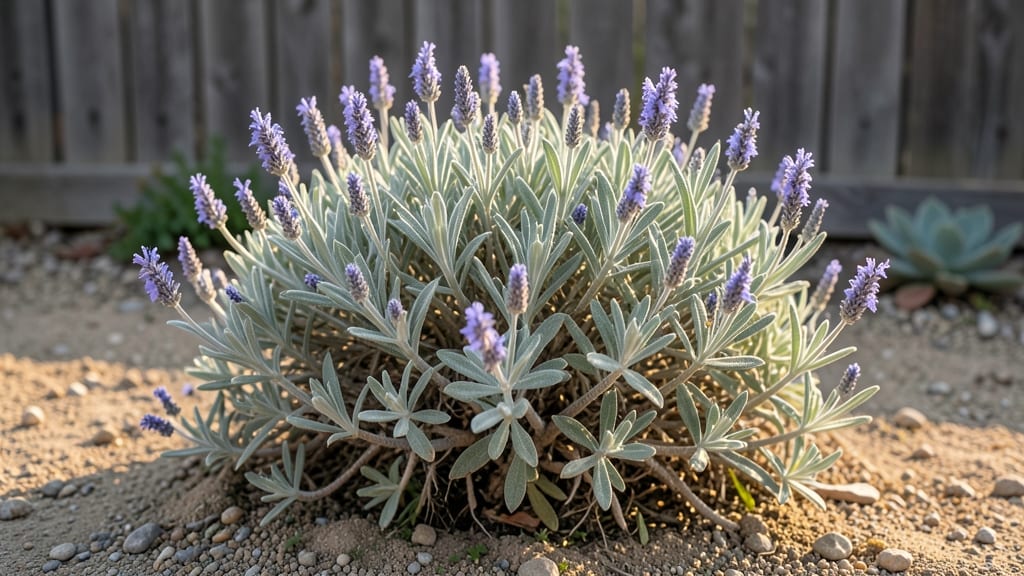
Pruning your Mexican sage tree (Salvia leucantha) during dormancy isn’t just about shaping—it’s about setting up a fruit-focused explosion of velvety blooms next season.
I’ve watched this drought-loving beauty transform from a scraggly shrub into a six-foot-tall cloud of purple spikes, all by following a few key cuts in late winter.
The secret lies in timing: prune too early, and you risk stunting new growth; too late, and you lose the chance to strengthen branches before spring’s rush.
You’ll need just three tools: sharp pruning shears, rubbing alcohol (to sterilize cuts), and a bucket for trimmings. The process takes 20-30 minutes for a mature plant, and the results—denser foliage, longer stems, and more blooms—are worth every snip.
Start by removing dead or crossing branches first; these are the easiest cuts and prevent disease. Then, shape the plant by cutting back one-third of the oldest stems to encourage new, vigorous growth from the base.
What you’ll end up with is a tree that looks like it belongs in a desert oasis, not your backyard. The velvety purple blooms appear in summer, lasting for months, while the fragrant foliage deters pests naturally.
Even better, this pruning method works for both outdoor landscapes and large container gardens, making it versatile for any space. The key is patience—wait until after the first hard frost but before new shoots appear in spring.
Pro tip: Save those trimmings! Dry the stems and use them in winter arrangements—they hold their color for weeks. And if you’re growing Salvia elegans (the pineapple sage variety), the same pruning rules apply, though you’ll get edible flowers as a bonus.
Ready to turn your sage tree into a showstopper? Let’s get those shears out.
📚 In This Guide
- What you need
- Instructions
- Tips and common mistakes
- Wrapping up and next steps
What you need
- ● Pruning shears: Bypass pruners (sharp, clean, and sterilized with rubbing alcohol to prevent disease). Specs: 6-8" blades, ergonomic grip.
- ● Loppers: For thicker branches (½"–1½" diameter). Specs: 18-24" long, bypass or anvil type (bypass preferred).
- ● Hand pruners: Anvil-style for small twigs (Specs: Lightweight, easy to maneuver.
- ● Garden gloves: Cut-resistant (e.g., mechanix or workrite) to protect hands from thorns and sap.
- ● Disinfectant: 70% isopropyl alcohol or a 10% bleach solution (1 part bleach to 9 parts water) to sterilize tools between cuts.
- ● Heavy-duty trash bags: 2–3 large bags (13-gallon minimum) for debris cleanup.
- ○ Pruning saw: Optional but helpful for branches >1½" thick. Specs: Curved blade for clean cuts.
- ● Tree ladder or step stool: For taller trees (6+ feet). Ensure it’s stable and non-slip.
- ● Pole pruner: Extendable tool (10–15 ft) for high branches without climbing.
- ● Marking spray: Non-toxic paint to mark branches for removal (e.g., white or pink for visibility).
- ● Compost bin: For repurposing pruned branches as mulch or compost.
- ● Safety goggles: Protect eyes from debris, especially when using a saw.
- ● Timing: Prune during late winter or early spring (before new growth starts, ideally in USDA Zones 8–10).
- ● Weather: Choose a dry, calm day (no rain forecasted for 24 hours).
- ● Research: Sketch your tree’s structure beforehand to identify dead, crossing, or overcrowded branches.
- ● Safety: Wear closed-toe shoes and avoid pruning near power lines.
Step-by-step guide to pruning Mexican sage trees in dormancy
Here's how to sculpt your Mexican sage tree for maximum fruit production and structural health.
Choose the Right Time and Tools
Prune your Mexican sage tree (Salvia leucantha) during late winter or early spring, just as new growth begins but before buds swell. This timing ensures you remove dead wood while leaving dormant buds intact for spring regrowth. I always use sharp, sterilized pruning shears—dull blades crush stems and invite disease. Wipe blades with rubbing alcohol between cuts to prevent bacterial spread.
Select a dry, calm day for pruning. Humidity slows healing, and rain can wash away protective sap. If your tree has berried branches from last season, prioritize those first—they signal mature wood ready for shaping. Avoid cutting into old, thick stems unless absolutely necessary; these take longer to heal.
Remove Dead, Diseased, or Weak Wood
Start by eliminating dead branches—these are brittle, gray, and snap easily when bent. Cut back to the nearest healthy bud or branch collar, making the cut at a 45-degree angle just above the bud. This angle prevents water from pooling on the wound, which can rot the stem. If a branch is diseased (look for black spots or oozing sap), bag it immediately and dispose of it in the trash, not compost.
Next, identify weak or crossing branches. Weak wood is thin, pale, and often grows inward. Crossing branches rub against each other, creating wounds. Remove these entirely at their base. You’ll notice the tree’s natural shape emerge as you work—let it guide you. Never remove more than one-third of the tree’s foliage in a single session, or you’ll stress the plant.
Thin Out Overcrowded Areas
Focus on the tree’s interior canopy, where branches often grow tightly together. Thin by selecting the strongest, most upright branches and removing competing ones at their point of origin. This improves airflow and sunlight penetration, which is critical for fruit development. Aim to create an open, vase-like shape—Mexican sage trees thrive when light reaches the center.
Watch for water sprouts (thin, vertical shoots growing straight up). These steal energy from fruit production. Snip them off at the base. If you’re unsure whether a branch is dead or dormant, make a small scratch on the bark. Green underneath means it’s alive; brown means it’s dead and should go. This simple test saves time and prevents unnecessary cuts.
Shape for Fruit Production
Mexican sage trees produce fruit on new wood, so encourage growth by pruning just above outward-facing buds. These buds will grow into branches that angle away from the center, creating a balanced silhouette. Avoid "heading back" (cutting back to a stub)—this promotes bushiness but reduces fruit yield. Instead, make clean cuts that leave at least ½ inch of healthy stem above the bud.
Pay special attention to the outermost branches. These receive the most sunlight and are prime candidates for fruit development. If a branch is too long, shorten it by one-third to stimulate bushier growth. Step back frequently to assess the tree’s balance. A well-pruned Mexican sage tree should look like an inverted cone, with the widest part at the top and narrower base.
Clean Up and Protect the Tree
After pruning, rake up all debris and dispose of it. Leaving clippings on the ground can harbor pests or fungi. Apply a layer of mulch (2-3 inches) around the base of the tree, keeping it 6 inches away from the trunk to prevent rot. Mulch retains moisture and regulates soil temperature, which helps the tree recover faster. Water deeply but thoroughly after pruning to help the tree seal wounds.
Finally, avoid fertilizing immediately after pruning. The tree is already stressed from the process, and excess nutrients can encourage leafy growth at the expense of fruit. Wait until new growth appears (usually in 4-6 weeks) before applying a balanced fertilizer. This timing ensures the tree directs energy toward rebuilding its structure, not just foliage.
Tips & tricks for pruning Mexican sage trees in dormancy
Transforming your Mexican sage tree into a fruit-bearing powerhouse starts with these precision pruning insights that go beyond the basics.
Timing is Everything: The late winter to early spring window—just as new growth begins but before buds swell—is your golden opportunity. This timing ensures you're removing only dead wood while preserving the dormant buds that will fuel next season's fruit production. I've seen trees stressed beyond recovery when pruned too early or too late, so mark your calendar for that precise window. The goal is to catch the tree in its dormant yet active state, where it’s ready to rebound.
Branch Angle Matters: When making cuts to remove dead or crossing branches, that 45-degree angle above the bud isn't just a suggestion—it's a lifesaver. This angle prevents water from pooling on the wound, which could lead to rot. I learned this the hard way after losing a branch to fungal infection years ago. Always make clean cuts that leave at least ½ inch of healthy stem above the bud, and use sharp, sterilized shears to avoid crushing the stem tissue.
Visual Cues for Healthy Growth: The scratch test on questionable branches is your secret weapon. A simple scratch reveals whether a branch is alive (green underneath) or dead (brown). This quick check prevents unnecessary cuts that could weaken your tree. For water sprouts, which are those thin, vertical shoots stealing energy from fruit production, snip them off at the base immediately. These aggressive growers can completely derail your tree's energy allocation if left unchecked.
Post-Pruning Care: After shaping your tree, the 2-3 inch layer of mulch around the base (keeping it 6 inches away from the trunk) is crucial for moisture retention and temperature regulation. I've found that trees mulched properly recover faster and show new growth within 4-6 weeks. The key is to avoid fertilizing immediately—wait until you see those first signs of new growth to give your tree the energy it needs for rebuilding, not just leafy foliage.
Pro Tips for Mexican Sage Tree
- Transforming your Mexican sage tree into a fruit-bearing powerhouse starts with these precision pruning insights that go beyond the basics.
- Timing is Everything: The late winter to early spring window—just as new growth begins but before buds swell—is your golden opportunity.
- Branch Angle Matters: When making cuts to remove dead or crossing branches, that 45-degree angle above the bud isn't just a suggestion—it's a lifesaver.
Frequently asked questions
Got questions about pruning your Mexican sage tree (Salvia leucantha)? You’re in the right place! Here are answers to the most common concerns—from timing to troubleshooting—to keep your tree thriving and fruitful.
When is the best time to prune a Mexican sage tree?
The ideal window is late winter to early spring (just before new growth starts). This aligns with its dormant season and encourages vibrant blooms. Avoid pruning in fall—it can stimulate tender new growth that won’t survive winter frosts. Pro tip: If you miss the dormant season, a light trim in summer (after flowering) works, but prioritize winter for best results.
How much can I cut back without harming the tree?
You can safely prune up to ⅓ of the tree’s height in one session, but avoid overdoing it. Focus on removing dead, crossing, or weak branches first. For shaping, trim back to just above a leaf node (where new growth will sprout). Warning: Never cut into old wood—new growth only emerges from the current year’s stems!
What if I prune at the wrong time? Can I still save my tree?
If you prune in late summer or fall, don’t panic! The tree may look sad temporarily, but it’ll bounce back. Just avoid heavy cuts—stick to light shaping. For spring pruning mishaps (like cutting too late), focus on removing only dead wood and wait until next winter for major adjustments. Bonus: Over-pruned trees often recover faster than under-pruned ones!
Can I use Mexican sage tree leaves for cooking like culinary sage?
While not a direct substitute for garden sage (Salvia officinalis), Mexican sage leaves have a milder, slightly peppery flavor. Use sparingly in stews, teas, or as a garnish—but avoid overusing them. The flowers are edible too! They add a delicate floral note to salads or infusions. Caution: Always harvest from pesticide-free plants.
Why are my leaves turning yellow/brown after pruning?
Yellowing/browning can stem from over-pruning, fungal stress, or underwatering. If it’s post-pruning, the tree is likely adjusting—keep soil moist but not soggy. For brown edges, check for aphids or spider mites (wipe leaves with soapy water if needed). Fix it: Trim affected areas, improve drainage, and fertilize lightly with a balanced 10-10-10 mix.
Are there alternatives to Mexican sage for pruning beginners?
If you’re new to pruning, try easier-to-handle plants like:
- Rosemary – Drought-tolerant and forgiving.
- Lavender – Prune lightly after flowering.
- Russian sage (Perovskia) – Similar care but more resilient.
Wrapping up and next steps
The Mexican sage tree (Salvia leucantha) thrives when you embrace the dormant season as your pruning ally—shaping its growth, boosting fruit production, and ensuring a lush, healthy plant.
By following this blueprint, you’re not just trimming branches; you’re investing in a stronger, more vibrant tree that will reward you with stunning blooms and bountiful harvests for years to come.
Now that you’re armed with the know-how, roll up your sleeves and schedule your pruning session! Grab your tools, step outside, and give your Mexican sage tree the care it deserves—your future self (and your garden) will thank you. 🌿✨