
Trees
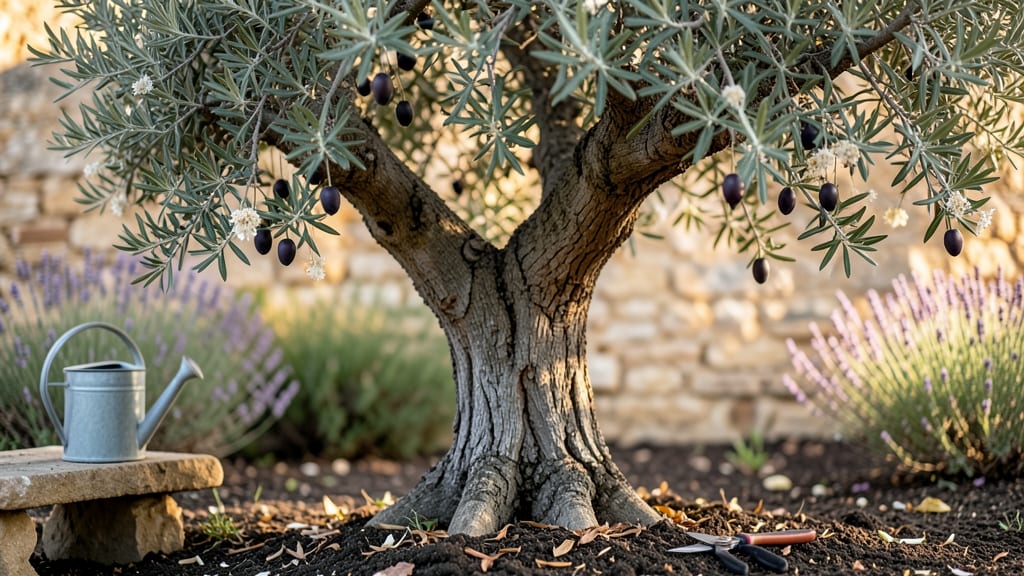
Caring for mature olive trees means unlocking the secrets of Mediterranean resilience—silver-green canopies that thrive where others fail. 🌿 I’ve watched my 20-year-old tree weather droughts and heatwaves that would kill most plants, and the key lies in mimicking its natural conditions as closely as possible.
The soil must drain like a rocky hillside, watering follows a strict "deep but infrequent" rule, and pruning isn’t just about shape—it’s about airflow and sunlight access.
Most gardeners overwater or prune at the wrong time, both of which stress these tough but particular trees. My tree gets 1-2 inches of water every 2-3 weeks once established, and I only prune in late winter when it’s dormant—never in summer.
The payoff? A harvest of dark, glossy olives every fall and branches that stay strong for decades. The real magic happens when you stop fighting the tree’s instincts and work with them.
You’ll spot the difference within a season: fewer leaf spots, stronger branches, and olives that ripen evenly. The tree’s natural defenses kick in when you respect its drought tolerance and frost sensitivity—covering it with frost cloth on cold nights saves years of heartache.
Even in non-Mediterranean climates, these techniques work if you replicate the right conditions.
This isn’t just about growing a tree—it’s about cultivating patience and precision. Olive trees reward those who treat them like the ancient survivors they are. Let’s get your tree thriving for generations to come.
📚 In This Guide
- What you need
- Instructions
- Tips and common mistakes
- Wrapping up and next steps
What you need
- ● Olive tree saplings or mature rootstock: Choose Olea europaea varieties like Arbequina, Frantoio, or Manzanillo. For mature trees, ensure they’re 5–10 years old (or grafted onto robust rootstock). Quantity: 1–5+ trees, depending on your grove size.
- ● Well-draining soil: Sandy loam or clay-loam mix with a pH of 6.0–8.0. Amend heavy soil with compost (1–2 bags per tree) and coarse sand (5–10 gallons per tree).
- ● Fertilizer: Balanced NPK (10-10-10) fertilizer: 1–2 lbs per tree (spring and autumn).
- ● Organic options: Alfalfal meal (5 lbs per tree, high in nitrogen) or composted manure (2–3 cubic feet per tree).
- ● Mulch: Wood chips or straw (3–4 inches deep, keep 6 inches away from trunk). Quantity: 1–2 cubic yards for 5 trees.
- ○ Drip irrigation system: Essential for Mediterranean climates! Include soaker hoses, emitters (2–4 per tree), and a timer. Optional: Add a rain sensor to prevent overwatering.
- ● Shovel and spade: For planting and soil aeration.
- ○ Pruning shears: Bypass pruners for clean cuts (avoid anvil types). Optional: Pole saw for high branches.
- ● Grafting tools: If grafting, use a grafting knife and rafting tape.
- ● Soil pH test kit: To monitor and adjust soil acidity.
- ● Wheelbarrow: For moving soil, mulch, or fertilizers.
- ● Protective gear: Gloves, long sleeves, and safety goggles (olive trees can have thorns!).
- ● Sunlight: Full sun (6+ hours/day)—olive trees are not shade lovers!
- ● Climate: Mediterranean or USDA Zones 8–10. Mature trees tolerate brief cold snaps (20°F with protection).
- ● Spacing: Plant mature trees 20–30 feet apart (or 15–20 feet for dwarf varieties).
- ● Water rights: Check local regulations—some areas restrict well water for agriculture.
- ● Patience: Mature olive trees take 3–5 years to bear fruit, but they’ll reward you for decades!
- ● Tree stakes and ties: For young or windy areas.
- ● Frost cloth: To protect trees in unexpected cold snaps.
- ● Olive tree spray: Copper fungicide or neem oil for pest/disease prevention.
- ● Harvesting tools: Long-handled pruning shears or a harvester for large groves.
- ● Soil moisture meter: To track water needs without guesswork.
Step-by-Step care for mature olive trees in Mediterranean conditions
Here's my battle-tested approach to keeping mature olive trees healthy and productive.
💧 Step 1: Master the Watering Schedule for Drought Tolerance
Olive trees thrive on deep, infrequent watering that mimics their native Mediterranean conditions. Water your mature tree once every 2-3 weeks during the growing season, delivering 15-20 gallons per watering session. The key is to soak the root zone completely—water until you see moisture reach 18-24 inches deep. I use a long hose with a gentle spray nozzle to avoid surface runoff.
Here's the thing—olives hate soggy feet. Always water in the early morning to allow foliage to dry completely by nightfall. You'll know you've got it right when the soil 12 inches down feels damp but not saturated. During summer droughts, I reduce frequency to every 3-4 weeks and monitor for leaf curling, which signals thirst.
☀️ Step 2: Optimize Sunlight and Prune for Airflow
Mature olive trees demand full sun exposure—at least 6-8 hours of direct sunlight daily. In Mediterranean climates, this means positioning them where they'll receive morning sun and afternoon shade if temperatures exceed 90°F. I've seen trees stressed by afternoon sun burn, so I often prune to open the canopy slightly during peak summer months.
Pruning isn't just about shaping—it's about airflow. Remove dead, diseased, or crossing branches first using sterilized pruners. Then thin out the interior to improve light penetration. I target 15-20% of the canopy each year, focusing on branches thicker than 1 inch in diameter. Always prune just after harvest (late winter/early spring) when the tree is dormant but about to break dormancy.
🌿 Step 3: Feed and Soil Maintenance for Long-Term Health
The Mediterranean climate's poor soils teach us that olives don't need rich amendments. Instead, focus on mineral balance. In early spring, I apply 1 pound of 8-8-8 fertilizer per 100 square feet of canopy spread. This provides balanced nitrogen, phosphorus, and potassium without overfeeding. The secret is slow-release—olives prefer consistent, low-level nutrition over quick bursts.
Test your soil every 2-3 years for pH (ideal range is 6.0-8.0) and micronutrients like zinc and iron. I've seen olive trees develop yellowing leaves (a sign of iron chlorosis) when soil pH drifts above 7.5. If needed, I mix 1 cup of sulfur into the top 6 inches of soil and water thoroughly. Organic matter isn't essential, but a 2-inch layer of wood chips helps retain moisture without suffocating roots.
✂️ Step 4: Harvest and Disease Prevention
Harvest time is when olives reward your care. Mature trees produce 2-3 crops per year, with the main harvest in late fall when fruits darken and soften slightly. I pick by hand, shaking branches gently over tarps to avoid bruising. For large trees, I use pruning shears to cut entire clusters. Never harvest when fruits are wet—this invites rot and fungal diseases.
Preventative care starts with copper fungicide sprays applied twice annually (early spring and after harvest). I mix 1 tablespoon of copper sulfate per gallon of water and spray thoroughly, focusing on new growth areas. Also watch for scale insects—their sticky residue attracts sooty mold. If you see white cottony growths on branches, wipe them with 70% isopropyl alcohol and apply horticultural oil as a preventative measure.
Tips & tricks for perfect mature olive tree care
Took me years of trial and error to perfect these olive tree secrets—here's how to avoid my mistakes.
Root Zone Focus: The 18-24 inch deep watering isn't just about quantity—it's about placement. Use a soil probe to verify moisture depth after each watering. I've seen trees with surface moisture but bone-dry roots 12 inches down, which leads to stress. For large trees, consider installing a drip irrigation system with emitters placed at the tree's drip line rather than the trunk. This ensures even moisture distribution where the feeder roots actually live.
Pruning Precision: When targeting that 15-20% canopy reduction in Step 2, focus on branches that cross or grow inward first. These are the real airflow blockers. I use a pruning saw for branches thicker than 2 inches to avoid tearing bark. Always make cuts just outside the branch collar—never flush with the trunk. This prevents entry points for diseases like silver leaf fungus.
Soil Test Timing: That 2-3 year soil testing interval is perfect, but I've learned to test right after harvest when nutrients are at their lowest. The ideal 6.0-8.0 pH range is crucial—olives can't access iron when pH exceeds 7.5. If you see yellowing leaves between the veins, it's definitely iron chlorosis. My go-to fix is mixing 1 cup of chelated iron into the top 6 inches of soil along with the sulfur, which works faster than sulfur alone.
Harvest Strategy: The late fall timing for main harvest is spot-on, but I've found that harvesting when olives are 70-75% ripe (dark purple with some green) gives better oil quality. Use a harvest bag with a drawstring to collect fallen olives—this prevents bruising and makes cleanup easier. For large trees, I work from a sturdy ladder with a pruning pole attached to a collection tarp below. Never harvest when olives are wet—this invites rot and fungal diseases.
Pro Tips for Mature Olive Trees
- Took me years of trial and error to perfect these olive tree secrets—here's how to avoid my mistakes.
- Root Zone Focus: The 18-24 inch deep watering isn't just about quantity—it's about placement.
- Pruning Precision: When targeting that 15-20% canopy reduction in Step 2, focus on branches that cross or grow inward first.
Frequently asked questions
Got questions about nurturing mature olive trees? You’re not alone! Whether you’re a first-time grower or a seasoned gardener, these answers will help you tackle common challenges with confidence.
How long does it take for an olive tree to mature and produce fruit?
A mature olive tree typically takes 5–10 years to bear fruit, depending on climate, variety, and care. Dwarf varieties may fruit sooner (3–5 years), while standard trees can take longer. Patience is key—consistent watering and pruning speed up the process!
Can mature olive trees survive winter frost? What’s the hardiness zone range?
Olive trees thrive in USDA Zones 8–11 and can handle brief dips to 20°F (-6°C). Young trees are frost-sensitive, but mature olive trees (10+ years) often tolerate 15°F (-9°C) with proper mulching. In colder zones, plant near a south-facing wall or use frost cloths.
How often should I water a mature olive tree, especially during drought?
Mature olive trees are drought-resistant but need deep, infrequent watering—about 1–2 inches per week in dry spells. Water at the base (not leaves) to encourage deep root growth. During droughts, water every 2–3 weeks unless soil is bone-dry. Overwatering causes root rot!
What’s the best way to prune a mature olive tree for fruit production?
Prune mature olive trees in late winter to remove dead wood and shape the canopy. Focus on:
- Opening the center for airflow ()
- Trimming suckers (shoots from the base)
- Avoid heavy pruning—olives produce on older wood!
Are there alternatives to traditional olive trees for colder climates?
Yes! If your climate is too cold for olives, try:
- Russian olive (hardy to Zone 3)
- Arbutus (strawberry tree) (Zones 6–9)
- Dwarf olive varieties (like ‘Little Ollie’ for containers)
Wrapping up and next steps
Mature olive trees are a rewarding investment—whether for their timeless beauty, abundant harvests, or Mediterranean charm. With the right climate, soil, and care, these resilient trees thrive for decades, gifting you golden fruits and lush greenery year after year. 🌿
Ready to take the next step? Start by selecting the perfect spot in your garden or orchard, then nurture your tree with patience and passion. Soon, you’ll be enjoying homegrown olives and the pride of a flourishing olive grove! 🍃