
Pruning
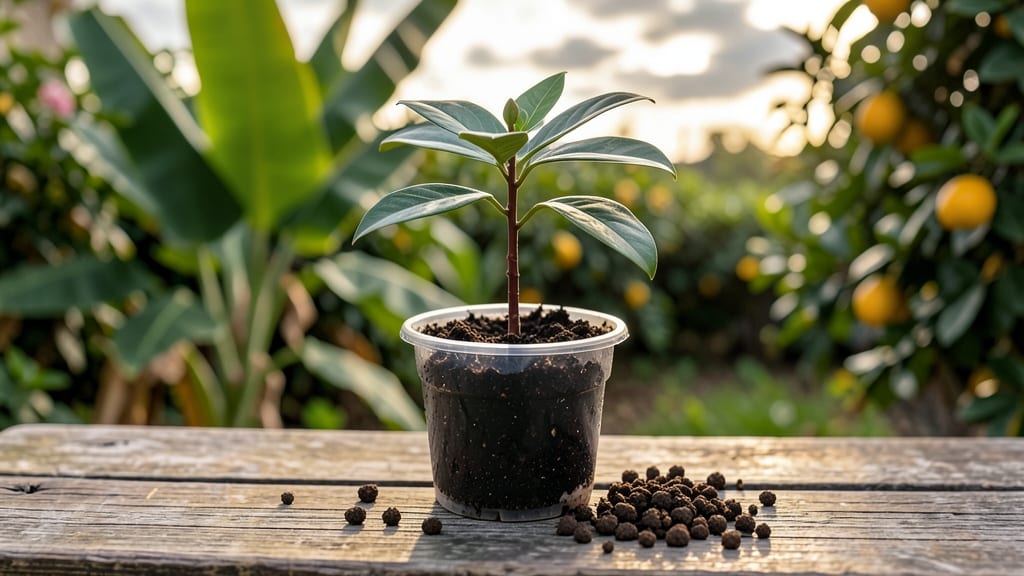
Growing a mango tree from a single sprout is one of the most rewarding gardening adventures you can take—especially when you see those first glossy leaves unfurl in just 30 days. 🌱 I’ve turned kitchen scraps into thriving saplings this way, and the secret isn’t complicated: it’s about warmth, patience, and a little extra care during those critical first weeks.
The key is creating the perfect microclimate for your sprout, whether you’re starting indoors or in a protected outdoor spot.
You’ll need just a few simple supplies: a small pot with drainage, well-draining potting mix (think 50% coconut coir, 30% perlite, 20% compost), and a heat mat or sunny windowsill to keep temperatures above 75°F.
Water lightly when the top inch of soil feels dry, but avoid soggy roots—mango sprouts hate being waterlogged. The magic happens when you balance moisture, warmth, and bright, indirect light, which encourages strong stems and vibrant foliage before transplanting.
By day 30, your sprout should be 6-12 inches tall with a sturdy stem and several sets of leaves—proof you’ve given it the right conditions. The real payoff? Transplanting it outdoors (if in a warm climate) or keeping it in a greenhouse for another month.
With consistent care, you’ll nurture a plant that could one day bear fruit. Here’s how to keep it thriving through every stage.
This method works for both indoor starters and outdoor tropical zones (like USDA zones 10-11), though cooler climates will need to overwinter young plants. The beauty of mango sprouts is their resilience—once established, they’ll grow faster than you expect.
Let’s get that little green shoot off to the best possible start.
📚 In This Guide
- What you need
- Instructions
- Tips and common mistakes
- Wrapping up and next steps
What you need
- ● Mango seed: 1 fresh, plump seed from a ripe mango (avoid hybrid varieties—stick to Alphonso, Tommy Atkins, or Keitt for best results).
- ● Potting soil: 1 bag (5–10 lbs) of well-draining, sterilized potting mix (look for "cactus/succulent blend" or add perlite/vermiculite for aeration).
- ● Small pots: 2–3 biodegradable pots (3–4 inches in diameter) or plastic nursery pots with drainage holes.
- ● Watering can or spray bottle: With a fine mist nozzle for gentle hydration.
- ○ Clear plastic wrap or humidity dome: To create a mini greenhouse effect (optional but helpful for sprouting).
- ● Pruning shears: Small, sharp scissors for trimming (sterilize with rubbing alcohol).
- ● Spray bottle with water: For misting (keep soil moist but not soggy!).
- ● Grow lights or sunny windowsill: 6+ hours of indirect light daily (south-facing window or LED grow lights work best).
- ○ Fertilizer (optional): 1 tbsp diluted seaweed extract or balanced liquid fertilizer (5-5-5 NPK ratio) after 4–6 weeks.
- ● Tray or saucer: To catch excess water and prevent root rot.
- ● 💡 Patience: Sprouting takes 2–4 weeks; root growth and first leaves may take another 2–3 weeks.
- ● 🌡️ Warmth: Ideal temperature: 70–85°F (21–29°C). Avoid drafts or cold windowsills.
- ● 🚫 No direct sun (yet): Young sprouts are sensitive—wait until 2+ true leaves appear before introducing sunlight.
Step-by-step instructions for growing a mango tree sprout
Turn that pit into a thriving sapling with these precise, proven steps.
🌱 Step 1: Prepare the Seed and Container
Start by cleaning the mango pit thoroughly under running water to remove any remaining fruit flesh. Scrub gently with a soft brush to avoid damaging the seed coat. Let it dry completely for 24 hours—this prevents mold and rot during germination.
Place the dried pit between two layers of damp paper towels or a clean cloth. Fold the towels so the pit is snug but not crushed, then seal in a plastic bag. Store in a warm spot (75-85°F) like on top of the fridge. Check daily—keep the towels moist but never soggy. You’ll see a tiny sprout in 2-4 weeks.
💧 Step 2: Plant the Germinated Seed
Once the sprout reaches 1-2 inches long, it’s ready for soil. Fill a 4-inch diameter pot with sterile potting mix (avoid garden soil—it’s too dense). Make a small hole (½ inch deep) in the center and place the seed with the sprout facing upward. Gently press soil around it but don’t compact.
Water lightly until moisture reaches the bottom of the pot. Place the pot in a bright, indirect light spot—direct sun now will scorch the delicate seedling. Cover the pot with a clear plastic bag to retain humidity, but remove it daily for 10 minutes to prevent fungal growth.
☀️ Step 3: Transition to Grow Light and Fertilizer
After 2-3 weeks, when the first true leaves (not the initial seed leaves) appear, transition the sapling to a grow light (12-14 hours/day). Position the light 6-8 inches above the plant—too close will burn the leaves. Use a balanced liquid fertilizer (diluted to ¼ strength) every 4 weeks to encourage strong root development.
Rotate the pot quarter-turn daily so the sapling grows straight, not leaning toward the light. By 30 days, it should have 3-4 true leaves and a sturdy stem. This is your signal to gradually introduce outdoor conditions—start with 1 hour of shade on warm days.
⏰ Step 4: Harden Off and Prepare for Outdoor Life
Over 7-10 days, increase outdoor exposure by 1 hour daily, moving to partial shade. Avoid full sun until the sapling shows no signs of stress (yellowing or wilting). Once it tolerates 4-6 hours of indirect sunlight, it’s ready for a 6-inch pot with fresh potting mix.
Real talk: Mango saplings grow slowly. Don’t rush—patience here means a stronger tree later. Keep soil consistently moist but never waterlogged. By 30 days, you’ll have a 4-inch sapling ready for its next growth phase.
Tips & tricks for perfect mango tree sprout growth
Here's what nobody tells you about transforming that mango pit into a thriving sapling.
Germination Environment: The 75-85°F temperature range is non-negotiable for germination—any cooler and you risk stalled growth. I've seen sprouts emerge in just 10 days when kept near a warm appliance, but never below 70°F. Place a small thermometer near your germination setup to monitor—consistent warmth is the secret to beating the 2-4 week wait.
Soil Selection Tip: Sterile potting mix isn't just about avoiding pathogens—it creates the perfect air-to-moisture ratio for delicate roots. I've had the best success with mixes containing perlite or vermiculite (20-30% of the blend). This prevents that dreaded "soggy bottom" syndrome while still holding moisture for young roots. The ½-inch deep planting hole might seem shallow, but remember: mango seeds need oxygen as much as water.
Light Transition Strategy: When moving your 1-2 inch sprout to soil, place the pot on a rotating tray (like a lazy Susan). This lets you rotate the pot daily without disturbing the seedling. The 12-14 hours/day grow light schedule should start immediately after true leaves appear—don't wait for the seedling to look "ready." I've seen seedlings develop leaf burn from delayed light exposure, and once those spots appear, they never fully recover.
Fertilizer Timing: That ¼ strength fertilizer rule is crucial—full strength will burn tender roots. I recommend mixing your fertilizer with water first, then applying only when the top inch of soil feels dry. The 4-week interval gives roots time to establish before feeding again. Think of it like baby food: small, frequent meals work better than heavy doses.
Pro Tips for Mango Tree Sprout
- Here's what nobody tells you about transforming that mango pit into a thriving sapling.
- Germination Environment: The 75-85°F temperature range is non-negotiable for germination—any cooler and you risk stalled growth.
- Soil Selection Tip: Sterile potting mix isn't just about avoiding pathogens—it creates the perfect air-to-moisture ratio for delicate roots.
Frequently asked questions
Got questions about growing a mango tree sprout from seed?
You’re not alone! Here are some of the most common concerns—plus quick, actionable answers to keep your little sapling thriving.
How long does it take for a mango seed to sprout?
A mango seed typically sprouts within 14–30 days if kept in warm, moist conditions (70–85°F). Patience is key—some seeds take longer, especially if stored or dried. Pro tip: Soak the seed overnight before planting to speed up germination!
What’s the best temperature for a mango sprout?
Mango sprouts thrive in warmth (65–90°F). Avoid cold drafts or temps below 50°F, which can stunt growth. Use a heat mat if your home runs chilly, or place the pot near a sunny window. Troubleshoot: Yellowing leaves? It might be too cold or overwatered.
Can I plant a mango seed directly in the ground?
Nope! Start indoors first (in a pot with well-draining soil) to protect the delicate sprout from pests, frost, or harsh outdoor conditions. Once it’s 6–12 inches tall and spring arrives, transplant it outside—gradually acclimate it to sunlight over 1–2 weeks to avoid shock.
What if my mango sprout’s leaves turn yellow?
Yellow leaves usually mean overwatering, poor drainage, or nutrient deficiency. Let the soil dry slightly between waterings, and use a pot with drainage holes. Add a balanced fertilizer (like 10-10-10) every 4–6 weeks once leaves appear. Quick fix: Trim yellowed leaves to redirect energy to healthy growth.
Will my mango tree sprout bear fruit?
Most mango trees grown from seed are not true to type—meaning they may not produce fruit identical to the parent tree (or at all!). For reliable fruit, graft a known variety onto your sapling later. Even if it’s ornamental, enjoy its tropical vibes! Fun fact: Some sprouts take 5–10 years to bear fruit.
Bonus Tip:
Label your sprout’s pot with the mango variety and planting date! Tracking progress helps you celebrate milestones (like first leaves or first transplant) and troubleshoot faster. Happy growing!
Wrapping up and next steps
Growing a mango tree sprout from seed in just 30 days is a rewarding journey that blends patience with quick, tangible progress! 🌱 By following the right steps—from selecting the perfect seed to nurturing your sapling with care—you’re not just cultivating a plant; you’re fostering a future full of sweet, tropical rewards.
Whether you’re a beginner or a seasoned gardener, this process is all about celebrating small victories along the way.
Now that you’re armed with knowledge, take the next step! Plant your seed today, and in a month, you’ll be holding a thriving sprout. Share your progress with fellow plant lovers—your green thumb might inspire someone else to start their own mango adventure! 🌟