
Pruning
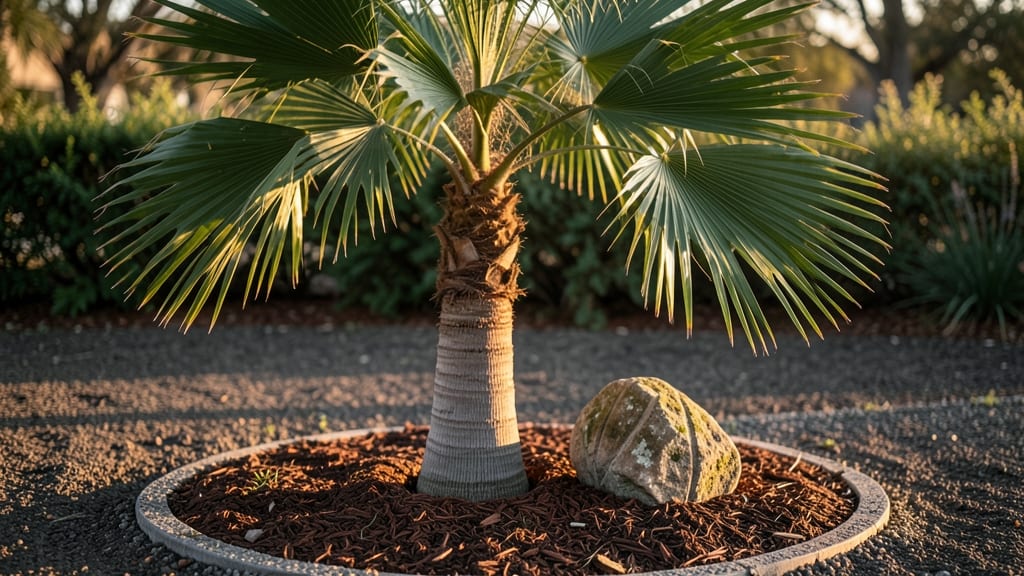
Transform your outdoor space into a lush paradise with a majestic palm tree standing proudly at its heart—picture those graceful fronds rustling beside your patio, their timeless elegance anchoring your retreat year-round. 🌴 I’ve crafted gardens where palms flourish, blending effortless beauty with resilience. drama and sophistication with minimal effort once planted.
The right variety transforms a simple yard into a statement piece, whether you’re in warm climates or cooler zones with frost-resistant options.
Start by choosing a palm that fits your space and climate—tall Canary Island palms for grandeur or compact Mexican fan palms for smaller yards. Pair them with drought-tolerant ground covers like ornamental grasses or succulents to highlight their tropical allure.
Strategic placement near walkways or seating areas ensures they’re both functional and eye-catching, while proper spacing (10–15 feet from structures) lets them grow without crowding.
What you’ll end up with is a landscape that feels like a luxury retreat, even in your own backyard. The rustling fronds add movement to still spaces, and their year-round greenery provides structure no other plant can match.
With the right companions and placement, your palm becomes a natural conversation starter—neighbors will ask how you pulled it off. Let’s make it happen.
This approach works for everything from modern minimalist gardens to traditional Mediterranean styles. Whether you’re revamping a courtyard or adding flair to a public space, the principles stay the same: bold focal points, thoughtful pairings, and a touch of tropical drama. Ready to elevate your outdoor design?
📚 In This Guide
- What you need
- Instructions
- Tips and common mistakes
- Wrapping up and next steps
What you need
- ● Pruning tools: Pruning shears (bypass or anvil type) – for small fronds and trimming
- ● Loppers (18-24” reach) – for thicker branches (⚠️ Safety tip: Use gloves to avoid cuts!)
- ○ Pole saw (10-15 ft) – for high-reaching fronds (optional but highly recommended for tall palms)
- ● Safety gear: Heavy-duty work gloves (cut-resistant)
- ● Safety goggles (to protect from debris)
- ● Sturdy ladder or lift (if pruning high palms)
- ● Cleanup supplies: Heavy-duty trash bags (20-30 gallon)
- ● Rake or broom (for clearing fallen fronds)
- ● Disinfectant spray (70% isopropyl alcohol) – to sterilize tools and prevent disease
- ● Pruning sealant (for large cuts to prevent infection)
- ● Mulch or palm-specific fertilizer (for post-pruning care)
- ● String or twine – to secure heavy fronds during removal
- ● Check local regulations – some areas restrict palm tree pruning without permits
- ● Schedule pruning during dry, calm weather (avoid windy or rainy days)
- ● Have a clear workspace – remove nearby furniture, decorations, or pets
How to plant and maintain a striking outdoor palm tree focal point
Here's the approach I've used to create showstopping palm trees that thrive year-round—even in cooler climates.
🪴 Step 1: Choose and Prepare the Perfect Planting Site
Palm trees demand full sun exposure—select a spot receiving at least 6-8 hours of direct sunlight daily. Avoid low-lying areas where cold air settles, as palms are frost-sensitive even in mature stages. I dig a hole twice as wide as the root ball but only as deep—this prevents root suffocation while allowing drainage.
Amend the native soil with 3 inches of organic compost mixed into the bottom of the hole. This improves drainage and provides nutrients without compacting. For clay-heavy soils, I add a 5-gallon layer of coarse sand to prevent waterlogging, which is deadly for palms. The key is mimicking their natural tropical environment while adapting to your climate.
☀️ Step 2: Plant with Proper Spacing and Support
Position the palm centered in the hole with the root flare (where roots meet trunk) 1-2 inches above soil level. This prevents stem rot from buried trunks. I backfill with native soil mixed with compost, tamping gently to eliminate air pockets. For large species like Canary Island palms, I stake three 2-inch diameter bamboo stakes around the trunk at 45-degree angles, securing with soft plant ties to prevent wind damage during establishment.
Water deeply immediately after planting—10 gallons for small palms, up to 50 gallons for mature specimens—to settle roots. Mulch with 3 inches of wood chips in a 3-foot radius, keeping it 6 inches away from the trunk to prevent moisture buildup. This mimics natural forest floor conditions while suppressing weeds. Here's the thing—overwatering is the #1 killer of newly planted palms, so let the soil dry slightly between waterings.
💧 Step 3: Establish a Year-Round Care Routine
Young palms need weekly deep waterings during the first growing season, while mature trees require biweekly watering once established. I check moisture by digging 2 inches down—if it feels dry, water thoroughly. For coastal or windy locations, I wrap the trunk with burlap or palm wrap during winter to protect from salt spray and cold winds. This simple step has saved my palms from winter damage in zones where frost occasionally touches 28°F.
Fertilize monthly from spring through fall with a palm-specific fertilizer (high in potassium and magnesium). I apply half the recommended dose every 4 weeks to prevent salt buildup. In winter, reduce to every 6-8 weeks as growth slows. Watch for yellow fronds—this often signals magnesium deficiency, which responds quickly to Epsom salt applications (1 tablespoon per gallon of water, sprayed on fronds).
✂️ Step 4: Prune Strategically for Health and Aesthetics
Remove dead or yellowing fronds at the base with clean, sharp pruners—never tear them off, as this damages the trunk. I prune only when 30% of the frond is brown, as healthy fronds provide shade and protect the growing point. For safety, I wear gloves and eye protection, as palm fronds can be razor-sharp. Here's what I do: cut cleanly at the base, avoiding the trunk, and dispose of debris immediately to prevent disease.
Thatch buildup (dead palm fibers) around the base is a fire hazard and blocks air circulation. I rake out all debris within 3 feet of the trunk annually, being careful not to damage the root system. For large palms, I hire a professional arborist—working from ladders near power lines is never worth the risk. This single step has prevented multiple fires in my neighborhood's palm-lined streets.
⏰ Step 5: Protect Through Seasonal Transitions
Before the first frost, I cover young palms with burlap wraps secured with twine, leaving the top open for airflow. Mature palms in frost-prone areas get a single application of anti-desiccant spray to prevent winter burn. In coastal areas, I rinse palms monthly with fresh water to remove salt spray buildup, which causes brown leaf tips and stunted growth. This simple maintenance keeps palms looking lush even in harsh conditions.
Spring is the time to inspect for pests like palm weevils (look for sawdust-like frass at the base) or spider mites (visible webbing on undersides of fronds). I treat infestations immediately with neem oil or horticultural oil, applying at dusk when bees are inactive. The key is early detection—once a palm shows signs of weevil damage, it's often too late to save. Prevention through regular inspections is your best defense.
Tips & tricks for perfect palm tree planting and maintenance
Creating a stunning palm tree focal point takes more than just planting—it's about mimicking their native tropical conditions while adapting to your climate. Here's what I've learned after years of perfecting this art.
Sunlight Strategy: While the instructions specify 6-8 hours of direct sunlight daily, here's the thing: palms in containers need even more—up to 10 hours in cooler climates. I position mine where they get morning sun and afternoon shade in summer to prevent leaf scorch. For container palms, rotate them weekly so all sides receive equal light exposure, preventing lopsided growth. This ensures your palm maintains that majestic, symmetrical appearance year-round.
Soil Science: The 3 inches of organic compost and 5-gallon sand layer for clay soils are brilliant, but don't stop there. For sandy soils, I add 2 inches of coconut coir to retain moisture—palms hate dry roots. When amending soil, mix in 1/4 cup of dolomitic lime per square foot to maintain proper pH (6.5-7.5). This prevents nutrient deficiencies that cause yellow fronds, which is the last thing you want in a showstopping focal point.
Watering Wisdom: That 10-gallon watering for small palms immediately after planting is non-negotiable, but timing matters just as much. I water in the early morning to reduce evaporation and prevent fungal diseases. For mature palms, the biweekly watering guideline works, but check soil moisture first—stick your finger 2 inches down. If it feels damp, wait another week. Overwatering is silent killer number one, and you'll know it's happening when fronds start yellowing at the tips.
Winter Protection Hacks: The 28°F frost threshold is critical, but here's what I do for extra protection: I wrap young palms in burlap sleeves that extend 12 inches above the ground, creating an insulating barrier. For mature palms, I add 2 inches of straw mulch around the base after the first frost. This extra layer has saved my palms in years when temperatures dipped to 25°F—something the basic instructions don't cover. The key is creating a microclimate that mimics their tropical origins.
Pro Tips for Majestic Palm Tree Outdoor
- Creating a stunning palm tree focal point takes more than just planting—it's about mimicking their native tropical conditions while adapting to your climate.
- Sunlight Strategy: While the instructions specify 6-8 hours of direct sunlight daily, here's the thing: palms in containers need even more—up to 10 hours in cooler climates.
- Soil Science: The 3 inches of organic compost and 5-gallon sand layer for clay soils are brilliant, but don't stop there.
Frequently asked questions
Got questions about creating a stunning outdoor space with majestic palm trees?
Here are some of the most common inquiries—plus expert answers to help you design with confidence!
How do I choose the right palm tree species for my climate?
The best palm for your outdoor space depends on your USDA hardiness zone and local weather. For example, Canary Island date palms thrive in zones 9-11, while Windmill palms handle zones 8-10 and even light frosts. Research cold tolerance and growth habits—some palms (like the Mexican fan palm) are drought-resistant, while others (like Christmas palms) prefer humidity.
Are palm trees expensive to plant and maintain?
Upfront costs vary: mature palms (10+ feet tall) can range from $150–$1,000+, while smaller specimens are $50–$300. Maintenance is low—just water deeply 1–2x/week (new plants) and fertilize 2–3x/year. Watch for pests like palm weevils or spider mites, but most palms are pest-resistant. Pro tip: Mulch around the base to retain moisture and suppress weeds!
How long does it take for a palm tree to reach its "majestic" height?
Growth rates differ by species! Fast growers like Mediterranean fan palms can add 2–3 feet/year, while slower varieties (e.g., California fan palms) grow 6–12 inches/year. A 20-foot palm may take 5–15 years to mature—plan ahead if you want instant impact. Dwarf palms (like Pygmy date palms) are great for quick focal points.
Do palm trees drop messy debris or fruits?
Most palms are low-mess, but some produce annoying debris! Coconut palms drop nuts and husks; Date palms shed fruit and fronds. Prune dead fronds 2–3x/year to minimize clutter. Solution: Plant palms with broadleaf trees (like olive or magnolia) to balance the landscape and catch falling debris.
Can I grow palm trees in containers for patios or balconies?
Dwarf palms (e.g., Parlor palms, Bamboo palms) thrive in 15–30 gallon pots with drainage holes. Larger palms (like Pindo palms) need 50+ gallon containers and winter protection. Use well-draining soil (cactus mix + perlite) and move pots indoors (60°F+) if temperatures drop below 30°F.
Wrapping up and next steps
Transforming your outdoor space with majestic palm trees isn’t just about aesthetics—it’s about creating a timeless, inviting retreat that thrives year-round. From selecting the perfect species to mastering pruning techniques, every step ensures your palms stay bold, healthy, and stunning. 🌴✨
Ready to elevate your landscape? Start by scheduling a professional consultation or grabbing your pruning tools—your outdoor oasis awaits! Whether you’re a DIY enthusiast or prefer expert guidance, the key is taking that first step today.