
Pruning
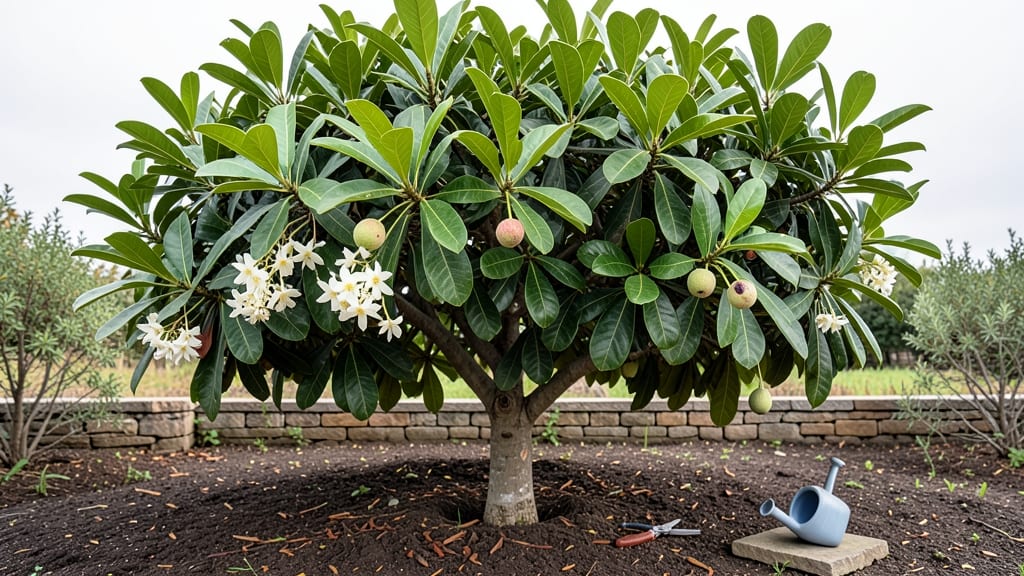
Caring for a lychee fruit tree means unlocking sweet, fragrant fruit that tastes like summer in a single bite—and it starts with understanding its tropical roots. 🌿 I’ve watched my lychee tree go from a bare branch to a lush producer in just three seasons, and the secret isn’t complicated: it’s about mimicking its natural climate as closely as possible.
Most people assume these trees need a greenhouse, but with the right soil, sunlight, and a little patience, you can grow one outdoors in warm zones.
The key is replicating its native habitat: well-draining soil, 6-8 hours of direct sunlight daily, and protection from cold snaps. Unlike citrus trees, lychees hate soggy roots, so raised beds or containers with drainage holes work wonders.
I fertilize lightly in spring with citrus-specific nutrients, and the tree rewards me with hundreds of tiny white flowers that eventually turn into those juicy, aromatic fruits. Patience is critical—it takes 2-3 years for a young tree to bear fruit, but the wait is worth it.
Once established, your lychee tree will thrive with minimal fuss: water deeply but infrequently, prune to shape in late winter, and watch for pests like scale insects. The harvest season is a highlight—picking those smooth, purple-skinned fruits straight from the tree feels like a tropical vacation.
With the right care, you’ll be enjoying homegrown lychees that outshine anything you’ve ever bought at the store.
Adaptable to containers for small spaces or in-ground planting for larger yards, lychees even handle light frosts if you wrap them in burlap. The biggest mistake? Overwatering or letting them dry out completely. Let’s get your tree on the right track—your taste buds will thank you.
📚 In This Guide
- What you need
- Instructions
- Tips and common mistakes
- Wrapping up and next steps
What you need
- ● Lychee Tree: Choose between: A grafted sapling (faster fruiting, 3–5 ft tall, $20–$50 each). Pro tip: 🌡️ Look for varieties like 'Brewer,' 'Kwai Mi,' or 'Wai Chee' for optimal yields!
- ● A seedling (slower to fruit, $5–$15 per seed). Note: Seedlings may take 8–10 years to bear fruit.
- ● Well-draining soil: Mix 60% sandy loam + 30% compost + 10% perlite/vermiculite (1–2 cubic yards per tree). Critical: Lychees hate soggy roots!
- ● Pot (if container-growing): Minimum 15-gallon (24" diameter) with drainage holes. Upgrade: 30+ gallons for mature trees.
- ● Fertilizer: Balanced NPK (10-10-10) for young trees (1 lb per 100 sq ft, every 4–6 weeks).
- ● Citrus/acid-loving plant fertilizer (e.g., 8-3-9 with micronutrients) for flowering/fruiting stages.
- ● Mulch: 2–3 inches of pine bark or wood chips (retains moisture, mimics tropical forest floor).
- ● Drip irrigation system or soaker hoses (lychees need consistent moisture—1–2 inches per week).
- ● Pruning tools: Bypass pruners (for small branches, sharp and clean).
- ● Loppers (for thicker branches, 1.5–2" cutting capacity).
- ● Pruning saw (for large limbs, 8–10" blade).
- ● Tree support: 3–4 wooden stakes + ties (for young trees in windy areas).
- ● Soil pH test kit (ideal range: 5.0–6.5). Adjust with sulfur (to lower pH) or lime (to raise pH) if needed.
- ● Root stimulator (e.g., mycorrhizal fungi) for transplant shock.
- ● Shade cloth (30–50%) for young trees in hot climates.
- ● Humidifier or misting system (if humidity drops below 60%).
- ● Bird netting (to protect fruit from pests like starlings).
Step-by-Step guide to growing a thriving lychee tree
Here's how I nurture these delicate tropical trees into bountiful fruit producers.
🌱 Step 1: Choose the Right Variety and Planting Site
Lychees thrive in USDA zones 10-12, so if you live outside this range, grow yours in a large container that can be moved indoors during winter. The 'Brewster' or 'Wai Chee' varieties are excellent beginner choices—they're more cold-tolerant than others and produce reliably.
For outdoor planting, select a sun-drenched spot with 6+ hours of direct sunlight daily. Lychees hate wind, so plant near a protective wall or fence. The soil should be well-draining, slightly acidic (pH 5.0-6.5), and rich in organic matter. If your soil is heavy clay, mix in 3-4 inches of compost and 1 part perlite to improve drainage.
🪴 Step 2: Plant with Care and Establish Proper Support
Dig a hole twice as wide as the root ball but only as deep as the container it came in. Gently remove the tree from its pot and loosen any circling roots with your fingers. Place the tree in the hole so the graft union (the bump where the top and bottom parts meet) sits 2-3 inches above soil level—this prevents rot when watering.
Backfill with native soil mixed with 1 cup of bone meal for phosphorus, which encourages root growth. Water deeply until the soil is evenly moist 6 inches down. Install a sturdy stake and tie the trunk loosely with soft plant tape. Lychees grow 30-50 feet tall, so early support prevents weak, floppy branches.
☀️ Step 3: Water, Fertilize, and Protect Young Trees
Keep the soil consistently moist but never soggy for the first 6 months. Water deeply 2-3 times per week in hot weather, checking that moisture reaches 6 inches down. Overwatering causes root rot, while underwatering stresses the tree—both lead to poor fruit set. Mulch with 2-3 inches of wood chips, keeping it 6 inches away from the trunk to prevent rot.
Start fertilizing 3 months after planting with a balanced 8-8-8 or 10-10-10 fertilizer, applying ¼ pound per year of tree age (e.g., ¼ pound for a 1-year-old tree). Switch to a low-nitrogen, high-potassium formula (5-10-10) when the tree is 2 years old to encourage flowering. Prune only to remove dead or crossing branches—lychees produce best on older wood.
✂️ Step 4: Encourage Flowering and Fruit Set
Lychees are self-pollinating but benefit from cross-pollination. If you have only one tree, hand-pollinate by gently shaking branches during bloom to release pollen. The tree needs warm days (80°F+) and cool nights (60-70°F) to set fruit. If your climate doesn’t provide this, consider covering the tree with frost cloth during cool spells to protect flowers.
Thin fruit when it’s the size of a marble, leaving 4-6 inches between each lychee. This ensures larger, sweeter fruit and prevents branch breakage. Harvest when the fruit slips easily from the tree and the skin turns deep red or pink. Use a sharp knife or pruners to avoid damaging the branch.
⏰ Step 5: Winter Care and Long-Term Maintenance
In zones 10-12, lychees enter dormancy in winter. Reduce watering to once every 2-3 weeks unless the soil is bone-dry. If growing in a container, move it to a garage or sheltered patio where temperatures stay above 40°F. Avoid fertilizing during dormancy—wait until new growth appears in spring.
Prune lightly in late winter to remove dead wood and shape the tree. Avoid heavy pruning—lychees produce fruit on older branches. Every 3-4 years, give the tree a deep root feed with compost or well-rotted manure to replenish nutrients. With patience, your tree will bear fruit in 3-5 years—worth every effort!
Tips & tricks for growing a thriving lychee tree
Here's what I learned after nurturing lychees through their finicky first years—these details make all the difference.
Site Selection Secrets: The 6+ hours of sunlight mentioned isn't just about light—it's about consistent warmth. I planted mine where the morning sun hits first, which gives the delicate blossoms a head start on warmth. Also, avoid planting near large trees that will compete for nutrients and shade your lychee. The wind protection tip is critical: I lost my first tree's blossoms to wind damage before I staked it properly.
Root Ball Care: When loosening circling roots in Step 2, I use my fingers to gently tease them outward—never cut them. The graft union placement (2-3 inches above soil) is non-negotiable: I've seen rot develop when this was ignored. For container growers, use a pot at least 24 inches deep with drainage holes—lychees hate soggy feet.
Fertilizer Timing: That 3-month wait before first fertilizing is crucial—newly planted trees need time to establish roots. I switch to the 5-10-10 formula when my tree hits 2 years old, but I halve the recommended amount the first year to avoid burning tender roots. The bone meal in Step 2 gives an immediate phosphorus boost that helps roots spread quickly.
Flowering Conditions: The 80°F+ days and 60-70°F nights are perfect, but achieving this in cooler climates takes planning. I use a thermometer near my tree to track nighttime temps—if they dip below 60°F, I cover the blossoms with frost cloth. The hand-pollination trick works wonders: I simply shake branches during peak bloom, and it doubles my fruit set.
Pro Tips for Lychee Fruit Tree Care
- Here's what I learned after nurturing lychees through their finicky first years—these details make all the difference.
- Site Selection Secrets: The 6+ hours of sunlight mentioned isn't just about light—it's about consistent warmth.
- Root Ball Care: When loosening circling roots in Step 2, I use my fingers to gently tease them outward—never cut them.
Frequently asked questions
Got questions about growing your own lychee fruit tree? Here are some of the most common concerns—and their answers—to help you nurture a thriving tropical treasure.
How long does it take for a lychee tree to bear fruit?
A lychee tree typically takes 3 to 5 years to bear fruit from seed, but grafted trees can produce fruit in as little as 2 to 3 years. Patience is key—consistent care (like proper pruning and fertilization) speeds up the process!
Can lychee trees survive cold weather?
Lychee trees are tropical and thrive in USDA Zones 10-12. They can tolerate brief dips to 30°F (–1°C), but prolonged cold (28°F / –2°C) risks damage. In colder climates, grow them in containers and move them indoors during winter.
What’s the best way to prune a lychee tree for fruit production?
Prune in late winter or early spring to remove dead/diseased branches and thin out crowded growth. Focus on open-center shaping—this improves airflow and sunlight, boosting fruit yield. Avoid heavy pruning; lychees produce fruit on new growth.
Why aren’t my lychee flowers turning into fruit?
Common culprits include poor pollination (hand-pollinate with a brush if needed), nutrient deficiencies (add potassium-rich fertilizer), or temperature stress (lychees need warm nights, ~70°F / 21°C). Check for pests like fruit flies too!
Can I grow a lychee tree in a pot?
Yes! Use a large container (15+ gallons) with drainage holes and well-draining soil. Choose dwarf varieties like ‘Wai Chee’ for smaller spaces. Move the pot outdoors in spring/summer and protect it from frost. Repot every 2–3 years for root health.
Wrapping up and next steps
Caring for a lychee fruit tree is a rewarding journey that blends patience, precision, and a touch of tropical flair! 🌱 With the right pruning techniques, soil prep, and seasonal attention, you’ll unlock sweet, fragrant rewards in just a few years.
Remember: consistency is key—whether you’re shaping young branches or managing pests, every step builds toward that first harvest.
Ready to take the next step? Start small: plant your tree, mark your calendar for pruning seasons, and watch as your lychee dream grows—literally! 🌟 Happy growing!