
Trees
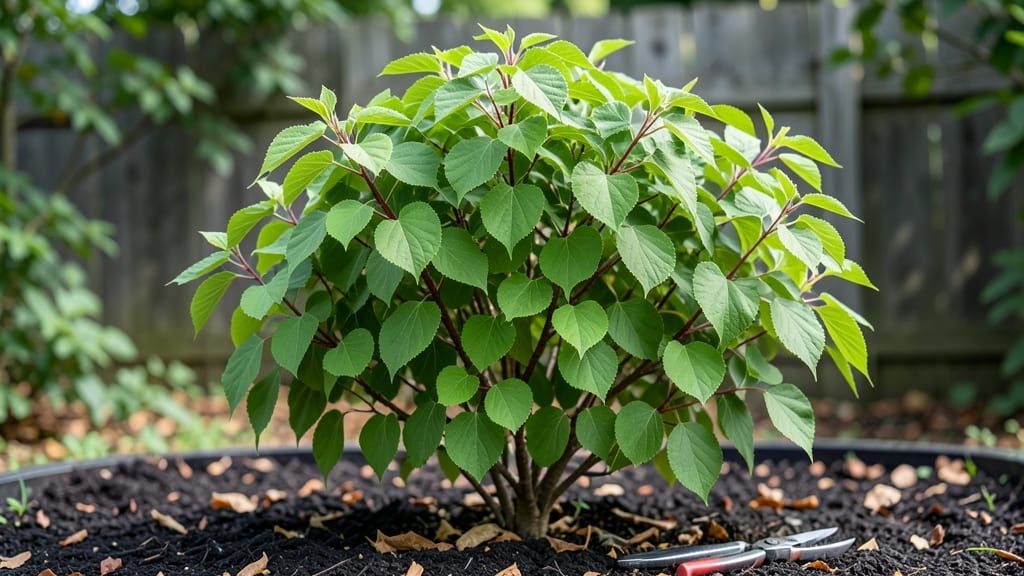
Lilac tree leaves carry that intoxicating springtime scent we all crave—but harvesting and preserving it right makes all the difference. 🌿 I used to toss those fragrant branches after pruning, until I discovered how to dry and store them to keep that signature aroma all year.
The secret isn't complicated: timing matters most, and a few simple tools turn what would be waste into a fragrant treasure.
You'll need just three things: sharp pruning shears, a well-ventilated drying space, and airtight containers. Harvest leaves in early summer when the fragrance peaks, then bundle stems and hang upside down.
Within two weeks, you'll have brittle, scent-packed foliage perfect for potpourri, sachets, or even homemade perfumes. The best part? No special equipment—just patience and a sunny windowsill.
📚 In This Guide
- What you need
- Instructions
- Tips and common mistakes
- Wrapping up and next steps
What you need
- ● Fresh lilac leaves: Harvest only from pesticide-free trees (aim for 2–3 cups, loosely packed).
- ● Pruning shears or sharp scissors: For clean cuts (avoid tearing leaves).
- ● Brown paper bags (unbleached) or mesh bags: 2–3 bags (paper bags work best for airflow).
- ● Drying rack or screen: A sturdy tray or elevated surface (like a cooling rack).
- ● Small airtight containers (glass jars or tins): 1–2 containers with lids (4–8 oz size).
- ○ Optional: Silica gel packets (for faster drying) or a food dehydrator (if available).
- ● Essential oil diffuser or carrier oil (like coconut oil): For infused oils or sprays.
- ● Dried lavender buds or rose petals: To mix with lilac leaves for layered fragrance.
- ● Labeling tags and markers: To track harvest dates (lilac leaves last ~6 months when stored properly!).
Step-by-step guide to harvesting and preserving lilac tree leaves
Here’s how to capture that signature fragrance at its peak—without harming your tree.
🌿 Step 1: Identify the Right Leaves at Peak Fragrance
The best time to harvest is mid-morning after dew has dried but before the heat of the day dulls the oils. Look for young, fully opened leaves—they’re richest in volatile compounds. Older leaves still have fragrance, but the scent is milder and less complex. Avoid leaves near the base or those showing signs of disease (yellowing, spots, or curling).
Gently pinch off leaves with your thumb and forefinger, or use clean, sharp scissors to snip stems just above a leaf node. Never pull leaves—this damages the branch and stresses the tree. I like to harvest from multiple branches to distribute the workload, ensuring the tree remains healthy. A good rule: never take more than 10% of the foliage from any single branch in one session.
💧 Step 2: Process Leaves Immediately for Maximum Freshness
Spread the harvested leaves on a clean, dry towel in a single layer. This prevents moisture buildup, which can accelerate spoilage. If you’re working outdoors, choose a shaded area—direct sunlight will cause the essential oils to degrade faster. The goal is to let leaves air-dry naturally, preserving their fragrance rather than cooking it off.
Place the towel in a well-ventilated spot with indirect airflow (like a mesh screen or open window). Avoid using a fan directly on the leaves—it can scatter them and cause uneven drying. Check after 2-3 hours: the leaves should feel crisp but not brittle. If they still feel damp, return them to the towel for another hour.
☀️ Step 3: Dry Leaves for Long-Term Preservation
Once leaves are fully dry to the touch, transfer them to brown paper bags (not plastic—plastic traps moisture and encourages mold). Store the bags in a cool, dark place (like a pantry or closet) where they’ll stay dry and protected from light. Properly dried lilac leaves retain their fragrance for up to 6 months, though the scent will gradually fade over time.
For longer preservation, consider freezing the dried leaves in small airtight containers. Freezing halts oil degradation, allowing you to use them for sachets or potpourri up to a year later. Just let them thaw to room temperature before use—this prevents condensation from ruining the scent.
✂️ Step 4: Use Preserved Leaves for Fragrance Applications
Crush dried leaves between your palms to release their fragrance before adding them to potpourri mixes, sachets, or homemade perfumes. For sachets, place 1-2 tablespoons of leaves in a small fabric pouch and tuck it into drawers or closets. The scent will linger for weeks, especially in enclosed spaces.
For a natural room spray, steep 1/4 cup dried leaves in 1 cup boiling water for 10 minutes, then strain and mix with 1/4 cup vodka or witch hazel (as a preservative). Store in a spray bottle and use sparingly—the lilac fragrance is potent! Real talk: lilac leaves make a surprisingly effective natural air freshener for linens and upholstery.
Tips & tricks for perfect lilac leaf preservation
Here's what nobody tells you about maximizing fragrance from your harvest—these tricks make all the difference.
Timing Secret: The mid-morning window is critical because that's when essential oils peak after dew evaporation but before heat degradation. I've found that harvesting between 9:00 and 11:00 AM consistently yields the richest scent. If you miss this window, the next best time is late afternoon when temperatures begin to drop, but the fragrance intensity will be noticeably milder.
Harvest Technique: When pinching leaves, use a gentle twisting motion rather than a sharp pull—this preserves more of the delicate oil sacs along the leaf veins. For larger batches, I recommend using clean, sharp pruning shears instead of scissors to minimize tearing. Remember the 10% rule: never harvest more than that from any single branch to maintain tree health, especially if you plan to harvest again next year.
Drying Strategy: The 2-3 hour drying check is your best friend—leaves should feel completely dry to the touch but not brittle. If you're working in humid conditions, extend this to 4 hours and use a small fan on low speed positioned at least 12 inches away to maintain gentle airflow. Never use direct sunlight or high heat, as this will cook off the essential oils you worked so hard to preserve.
Storage Wisdom: Brown paper bags are ideal because they allow for minimal airflow while still preventing moisture buildup, but if you prefer plastic, use resealable bags with a small hole punched in the top to mimic the breathability. For long-term freezing, divide leaves into 1-tablespoon portions before freezing—this makes them easier to use later without thawing the entire batch. Always let frozen leaves come to room temperature before crushing to prevent condensation from ruining the scent.
Pro Tips for Lilac Tree Leaves
- Here's what nobody tells you about maximizing fragrance from your harvest—these tricks make all the difference.
- Timing Secret: The mid-morning window is critical because that's when essential oils peak after dew evaporation but before heat degradation.
- Harvest Technique: When pinching leaves, use a gentle twisting motion rather than a sharp pull—this preserves more of the delicate oil sacs along the leaf veins.
Frequently asked questions
Got questions about harvesting and preserving lilac tree leaves? You’re not alone! Here are some of the most common queries—and their answers—to help you make the most of your fragrant foliage.
When is the best time to harvest lilac leaves for fragrance?
The ideal time is just before the lilacs bloom in early spring, when the leaves are lush and their scent is strongest. Avoid harvesting after flowering, as the fragrance fades and the leaves may become tougher. Morning harvests (when oils are most concentrated) are best!
Can I use lilac leaves fresh, or do I need to dry them?
Fresh lilac leaves can be used in small amounts for teas or potpourri, but drying preserves their fragrance longer. For culinary use (like floral-infused syrups), fresh leaves work best—just use sparingly. Drying is key for sachets, wreaths, or long-term storage.
How do I dry lilac leaves to keep their scent?
Bundle small stems with rubber bands and hang them upside down in a dark, well-ventilated area for 1–2 weeks. Avoid direct sunlight (it fades color and scent). Alternatively, spread leaves on a screen in a single layer. Once brittle, store in airtight containers away from light.
Why are my lilac leaves losing fragrance after drying?
Overheating, moisture, or light exposure can dull the scent. Use low heat (if using a dehydrator, set to 95°F/35°C max) and store dried leaves in opaque containers with silica gel packets. If leaves smell weak, they may have been harvested too late in the season.
What can I do with lilac leaves if I don’t want to dry them?
Fresh lilac leaves shine in DIY projects like floral waters, infused oils (mix with carrier oil for body care), or as a garnish in light salads (use sparingly—they’re potent!). Freeze them in ice cubes for a fragrant twist in cocktails or teas. Just avoid overuse—they’re strong!
Are lilac leaves safe for pets if I use them in homemade products?
While lilac leaves aren’t toxic, their essential oils can irritate pets (especially cats and dogs). Avoid using them in diffusers, sprays, or edible products for pets. When in doubt, opt for pet-safe alternatives like lavender or chamomile for homemade remedies.
Wrapping up and next steps
From harvesting fragrant lilac leaves to preserving their beauty through drying, infusions, or crafts, you’ve now got the tools to make the most of nature’s floral treasures! 🌿✨ Whether you’re a DIY enthusiast, a gardener, or simply someone who loves the scent of spring, these techniques will help you enjoy lilac leaves year-round.
Ready to dive in? Start small—try drying a few branches today and experiment with your favorite preservation method!