
Pruning
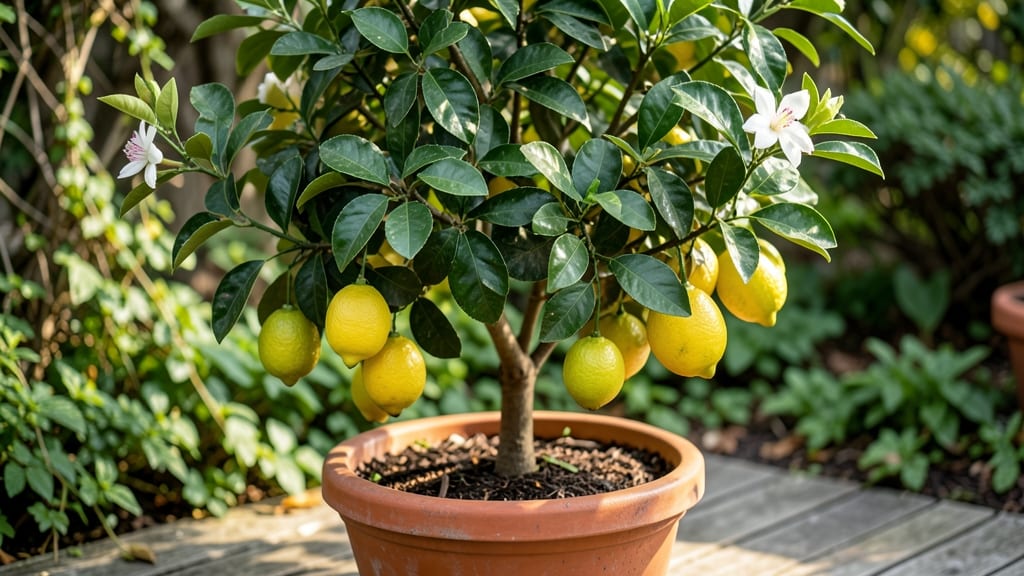
A lemon tree in a pot isn’t just possible—it’s the secret to year-round fruit loads even in small spaces. 🌱 I’ve watched my Meyer lemon tree produce fruit indoors during winter and again outdoors in summer, all from the same container.
The trick isn’t fancy equipment but mastering three pruning cuts that keep the tree compact, productive, and healthy.
You’ll need a 15- to 20-gallon container with drainage, well-draining citrus soil, and a sunny spot (indoors or out). Water when the top inch feels dry, and fertilize monthly with citrus-specific food during growing seasons.
The pruning? It’s simpler than it looks—just three strategic cuts to shape the tree, remove dead growth, and encourage fruit-bearing branches.
By the end of the season, you’ll have a tree laden with fragrant blossoms and sweet, juicy lemons—no greenhouse required. The best part? You can move it between seasons to protect it from frost or heatwaves. Ready to turn that sunny corner into a citrus grove?
Whether you’re growing on a balcony or a patio, this method works for Meyer, Eureka, or Lisbon varieties. Let’s get those branches trimmed and those lemons loaded!
📚 In This Guide
- What you need
- Instructions
- Tips and common mistakes
- Wrapping up and next steps
What you need
- ● Pot: A 5-gallon or larger container with drainage holes (minimum 18–24 inches in diameter for mature trees). Terracotta or fabric pots work best.
- ● Well-draining potting mix: A blend of 60% cactus/succulent mix, 30% perlite or pumice, and 10% compost (avoid heavy garden soil!).
- ● Pruning shears: Bypass pruners (sharp, clean, and sterilized with rubbing alcohol between cuts).
- ● Gloves: Heavy-duty gardening gloves to protect against thorns and sap.
- ● Lemon tree sapling: A dwarf variety (like ‘Meyer’ or ‘Improved Meyer’) for pot-friendly growth (3–6 feet at maturity).
- ○ Support stake or trellis: (Optional but helpful for young trees to prevent toppling as they grow.)
- ○ Pruning sealant (optional): Wound dressing (like tree sealant) to coat large cuts and prevent disease.
- ● Slow-release fertilizer: Citrus-specific granules (e.g., 14-14-14 NPK ratio) for nutrient boosts.
- ● Mulch: Organic mulch (like pine bark) to retain moisture and regulate soil temp.
- ● Humidity tray: A pebble tray with water to combat dry air (great for indoor lemon trees!).
- ● Grow lights: Full-spectrum LED lights (12–14 hours/day) if growing indoors.
- ● Spray bottle: For misting leaves and maintaining humidity.
Step-by-step guide for year-round potted lemon tree care
Here's how I keep my dwarf lemon trees thriving in containers—with heavy fruit loads every season.
🌱 Step 1: Choose the Right Container and Soil Mix
Select a pot with drainage holes that's at least 12 inches deep and wide—lemons need room for roots to spread. I use unglazed terra cotta because it breathes and prevents root rot. The soil mix must be well-draining yet moisture-retentive: blend 60% premium potting mix, 30% coarse sand or perlite, and 10% compost. This prevents soggy roots while keeping nutrients available.
Fill the pot 2/3 full with your mix, then add a 2-inch layer of gravel at the bottom for extra drainage. Tap the pot gently to settle the soil—you want it firm but not compacted. The first year, I repot every spring into a container just 2 inches larger to encourage root growth without overwhelming the plant.
☀️ Step 2: Position for Maximum Sun and Temperature Control
Lemons demand full sun (6-8 hours daily)—place your pot where it gets morning sun and afternoon light, even in winter. A south-facing window or patio works, but if temps drop below 45°F, move it indoors near a sunny spot. I use a grow light on a timer for winter months to maintain 14-16 hours of light—this prevents leaf drop and keeps the tree productive.
Watch for leaf curling or yellowing—this signals either too much direct afternoon sun (burn) or drafty conditions (shock). In summer, if temps hit 90°F+, provide light shade during peak heat to prevent stress. A thermometer near the plant helps track ideal 60-85°F range.
💧 Step 3: Water Deeply and Strategically
Water when the top 2 inches of soil feel dry—stick your finger in to check. In summer, this might be every 2-3 days; in winter, once a week. I water deeply until it drains from the bottom, then empty the saucer to prevent root rot. Overwatering is the #1 killer—yellow leaves or mushy stems mean you're drowning the roots.
Mist the leaves daily in summer to mimic humidity, but avoid wetting the soil surface. Fertilize monthly in spring/summer with a balanced citrus fertilizer (10-10-10 or 6-6-6). In fall/winter, cut back to every 6-8 weeks—the tree rests, and too much food causes weak growth. Always water before fertilizing to avoid root burn.
✂️ Step 4: Prune for Shape and Fruit Loads
Prune 3 times a year to shape the tree and encourage fruit:
- Spring (March): Remove dead/diseased branches and crossing limbs—cut just above a leaf node at a 45° angle. This opens the canopy for airflow.
- Summer (July): Trim new growth to half its length to redirect energy into fruit. Look for suckers (shoots at the base) and remove them immediately.
- Fall (October): Lightly prune to shape the tree and remove overly dense branches. This prevents winter damage.
Here's the thing—never prune in winter. The tree needs all its energy to survive cold snaps. After pruning, wipe cuts with rubbing alcohol to prevent fungal infections. You'll see new buds form within 2 weeks—that's your sign the tree is responding well.
Tips & tricks for perfect year-round potted lemon trees
Here's what nobody tells you about keeping your container-grown lemon tree productive all year long.
The Container Factor: If you're using a plastic pot, add an extra 2 inches to the depth requirement since plastic retains more moisture. Terra cotta is ideal because it wicks away excess water, but if you choose plastic, increase the gravel layer to 3 inches at the bottom. The 60-30-10 soil mix from Step 1 works perfectly—just make sure to refresh it every 2-3 years to prevent nutrient depletion. I've seen trees in old, compacted soil produce half as many lemons because the roots can't access nutrients properly.
Sunlight Strategy: The 6-8 hours of daily sun is non-negotiable, but timing matters just as much. Position your tree to get morning sun first—this prevents afternoon burn. In winter, if you're supplementing with grow lights, place them 12-18 inches above the tree and run them for 14-16 hours to maintain productivity. I've found that LED grow lights with a full spectrum (red and blue wavelengths) work best for citrus. Watch for leaf curling—this is your first warning sign of stress from either too much sun or drafts.
Pruning Precision: When you're trimming in summer to redirect energy to fruit, focus on the newest growth—these are the branches that would compete with your lemons. Use sharp, clean pruners and always cut at a 45° angle just above a leaf node. This technique prevents water from pooling on the cut, which can lead to fungal infections. After pruning, I spray the cuts with a 1% hydrogen peroxide solution (mix 1 part 3% hydrogen peroxide with 2 parts water) as an extra precaution. You'll notice new buds forming in 2 weeks—this is your confirmation that the tree is responding well.
Fertilizer Timing: The monthly spring/summer feeding schedule is perfect, but there's a trick to maximize absorption. Before applying fertilizer, water the tree deeply until it drains from the bottom. This prevents root burn from concentrated fertilizer salts. I also recommend using a slow-release citrus fertilizer in early spring—this provides a steady nutrient supply without the risk of over-fertilizing. In fall, when you reduce to every 6-8 weeks, switch to a low-nitrogen formula to encourage dormancy preparation.
Pro Tips for Lemon Tree With Pot
- Here's what nobody tells you about keeping your container-grown lemon tree productive all year long.
- The Container Factor: If you're using a plastic pot, add an extra 2 inches to the depth requirement since plastic retains more moisture.
- Sunlight Strategy: The 6-8 hours of daily sun is non-negotiable, but timing matters just as much.
Frequently asked questions
Got questions about growing a lemon tree in a pot? You’re not alone—many gardeners wonder about care, pruning, and troubleshooting. Here are answers to the most common queries to help you keep your citrus thriving!
What’s the best pot size for a lemon tree?
A 5-gallon pot is ideal for young trees, while mature lemon trees need 15–20 gallons (or larger). Ensure pots have drainage holes to prevent root rot. Upgrade sizes gradually—too much space too soon can stress the tree.
When should I prune my potted lemon tree?
Prune twice a year: late winter/early spring (before new growth) to shape the tree, and summer (after fruiting) to remove dead wood. Avoid heavy pruning in fall—it can stunt growth before winter dormancy. 3 key prunes (structural, fruiting, and cleanup) keep it productive!
Why isn’t my lemon tree bearing fruit?
Lack of fruit often stems from poor pollination, insufficient light, or over-pruning. Hand-pollinate with a brush, move the pot to 6+ hours of sunlight daily, and avoid cutting back more than 1/3 of the tree at once. Dwarf varieties may take 2–3 years to fruit.
How do I keep a potted lemon tree alive in winter?
Move the pot indoors near a sunny window (or use grow lights) when temps drop below 40°F (4°C). Reduce watering—overwatering in cold drafts causes root rot. Mist leaves occasionally to combat dry indoor air. A light winter prune (removing dead branches) helps too!
Can I grow a lemon tree in a pot year-round outdoors?
Yes, but only in USDA Zones 9–11 or with winter protection (like a greenhouse). In colder climates, pot lemon trees thrive indoors year-round with proper light and humidity. If outdoors, use a wheelbarrow pot for easy moving during frost.
Wrapping up and next steps
Growing a lemon tree in a pot is a rewarding journey that fills your home with fragrant blooms and zesty fruit—with just a little care and the right pruning techniques! 🌱 By mastering the three key prunes (structural, maintenance, and harvest pruning), you’ll ensure a thriving, productive tree year after year.
Remember, patience and consistency are your best friends in this process.
Ready to take the next step? Start small:
- 📅 Monitor your tree’s growth and adjust pruning as needed.
- 🌿 Experiment with container sizes to see what works best for your space.
- 🍋 Share your harvest! Fresh lemons make amazing gifts or homemade treats.