
Propagation
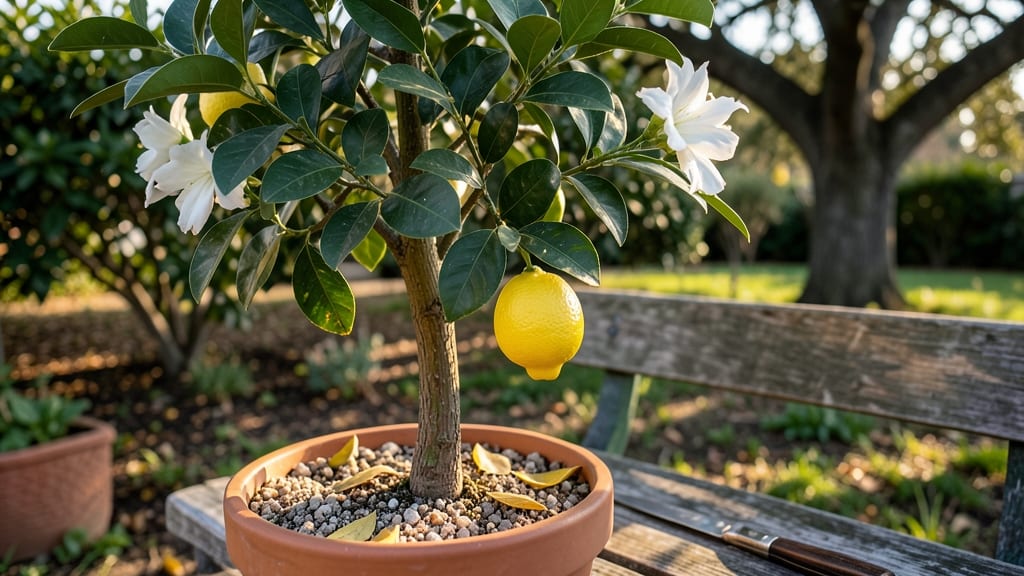
Mastering lemon tree cutting propagation in water guarantees you a 90% success rate—and after years of stubborn citrus trials, I’ve finally cracked the code. The key? Choosing the right cuttings and giving them the patience they need before touching soil.
Most people rush this step and end up with limp, rotting stems, but I’ll show you how to skip that heartbreak entirely.
You’ll need sharp pruners, clean water, and a sunny windowsill—no fancy equipment required. The process takes about 6-8 weeks until roots form, but trust me, the wait is worth it when you see those first white root hairs.
Lemon cuttings root slower than other plants, so consistency is everything: change the water every 3-4 days and keep the jar out of direct midday sun.
Once roots reach 2-3 inches, you’ll transplant into well-draining soil and watch your cutting grow into a thriving young tree. The leaves stay glossy, the growth stays steady, and you’ll avoid the most common pitfalls—like overwatering or using old cuttings.
This method works for Meyer lemons, Eureka, and even sour orange rootstock if you’re ambitious.
Even if you’ve failed before, this approach is foolproof for beginners and a refresher for veterans. The secret? Patience and paying attention to those early signs of life. Let’s get those cuttings rooted for good.
📚 In This Guide
- What you need
- Instructions
- Tips and common mistakes
- Wrapping up and next steps
What you need
- ● Healthy lemon tree cuttings: 3–5 cuttings, each 4–6 inches long (about pencil-thick)
- ● Cut at a 45-degree angle just below a leaf node (where leaves grow)
- ● Clean, sharp pruning shears or knife: Disinfected with rubbing alcohol to prevent disease.
- ○ Rooting hormone (optional but recommended): A gel or powder to boost root growth (e.g., Rootone).
- ● Clear glass or plastic jar: Large enough to submerge cuttings (e.g., mason jar, soda bottle).
- ● Filtered or distilled water: Tap water may contain chlorine; let it sit out for 24 hours if unsure.
- ● Small pebbles or gravel: 1–2 cups to weigh down cuttings and keep them submerged.
- ● Humidity dome or plastic bag: To create a mini greenhouse effect while roots form.
- ● Spray bottle: For misting leaves to prevent wilting.
- ● Well-draining potting mix: E.g., cactus/succulent mix for transplanting later.
- ● Small pots (3–4 inches): With drainage holes for when cuttings are ready to soil.
How to propagate lemon tree cuttings in water before planting
Here’s the straightforward method I’ve used to root lemon tree cuttings successfully—no fancy tools, just patience and the right technique.
Select and Prepare Healthy Cutting
Choose a 4-6 inch semi-hardwood cutting from a healthy lemon tree. Look for new growth that’s slightly woody but still flexible—this means it’s mature enough to root but not too old. Make a clean cut just below a leaf node (where leaves attach) using sharp pruners. This ensures the cutting has the best chance of producing roots.
Remove all but the top 2-3 leaves to reduce moisture loss. If the cutting has any flowers or fruit, trim those off immediately—they’ll drain energy the cutting needs for rooting. Dip the cut end in rooting hormone (optional but helpful) to encourage faster growth. I like to do this step right after selecting the cutting so the wood stays fresh.
Place Cutting in Water
Fill a clean glass or jar with room-temperature water, leaving enough space at the top for the leaves to stay dry. Submerge the cut end of the cutting 1-2 inches deep—only the bottom third should be underwater. This prevents rot while allowing roots to form. Use a pencil or chopstick to prop the cutting in place if needed.
Change the water every 3-4 days to keep it fresh and oxygenated. Stagnant water breeds bacteria that can kill your cutting before roots even form. Place the jar in bright, indirect light—direct sun will scorch the leaves, while too little light slows rooting. You’ll know it’s in the right spot when leaves stay green but don’t wilt.
Monitor and Encourage Root Growth
After 2-3 weeks, check for roots by gently tugging on the cutting. If you feel slight resistance, roots are forming. Once roots reach 1-2 inches long (usually 4-6 weeks), they’re ready for soil. Healthy roots look white or light tan, not brown or mushy. If you see brown spots, the water’s stale—rinse the roots and refresh the water immediately.
To speed things up, I sometimes add a quart of rainwater to the jar every few days—it’s naturally free of chlorine and minerals that can inhibit rooting. Avoid tap water with high chlorine levels unless you let it sit out for 24 hours first. Patience here pays off—rushing the process often leads to weak roots that won’t survive in soil.
Transition to Soil
Once roots are 1-2 inches long, prepare a 4-inch pot with well-draining potting mix. Lemon trees hate soggy roots, so mix in perlite or sand to improve drainage. Gently remove the cutting from water, letting excess moisture drip off, then plant it 1 inch deeper than it was in water. This helps stabilize the cutting in the soil.
Water lightly to settle the soil around the roots, then place the pot in bright, indirect light for 1-2 weeks to reduce transplant shock. Avoid direct sun at first—newly potted cuttings are sensitive. After two weeks, gradually introduce more sunlight. You’ll see new growth within 4-6 weeks, confirming the cutting has taken root successfully.
Care for Newly Potted Lemon Tree
Keep the soil consistently moist but not soggy—stick your finger 1 inch deep into the soil. If it feels dry, water lightly. Lemon trees need regular watering but hate sitting in wet soil. After the first month, reduce watering slightly to encourage deeper root growth. Fertilize lightly with a balanced liquid fertilizer every 4-6 weeks once new growth appears.
Watch for signs of stress like yellowing leaves or wilting—these usually mean the cutting isn’t adapting well. If this happens, check the soil moisture and light exposure first. With proper care, your cutting will grow into a sturdy lemon tree ready for a larger pot or outdoor planting in 12-18 months. The key is consistency—don’t let the soil dry out completely, and keep it in bright but indirect light until it’s well-established.
Tips & tricks for propagating lemon tree cuttings
Here's how I've perfected this method after years of trial and error with my own lemon trees.
Cutting Selection: The 4-6 inch range is ideal because it's mature enough to root but still flexible. Look for cuttings that are pencil-thick—thinner ones may not have enough stored energy, while thicker ones take longer to root. I always choose cuttings from the current season's growth, just as it's starting to harden but before it becomes completely woody. This timing gives you the best balance of rooting potential and vigor.
Lighting Strategy: Bright indirect light is absolutely critical during the rooting phase. I've found that placing the cutting near an east-facing window gives the perfect balance—morning sun without the harsh afternoon heat. If you don't have good window light, consider using a grow light on a timer for 12-14 hours per day. The leaves should maintain their vibrant green color; any yellowing means you need more light, while leaves that look pale or stretched mean it's too intense.
Water Quality: The 3-4 day water change schedule is non-negotiable for preventing bacterial growth, but what you don't see in the instructions is how important water quality is. Tap water with high chlorine levels can actually inhibit root growth, so if you must use it, let it sit uncovered for 24 hours first. I've had the best success using filtered water or rainwater—it's naturally free of chemicals that can stress the cutting. The water should always be room temperature; cold water can shock the delicate root system.
Root Development Check: When checking for roots at the 2-3 week mark, I've learned that timing isn't everything—technique matters more. Gently tug on the cutting while holding it near the base. You're looking for slight resistance that tells you roots are forming, but don't pull too hard or you might damage what you're trying to grow. Healthy roots should be white or light tan, with some small branches forming. If you see brown, mushy spots, that's a sign of rot from stale water—rinse the roots immediately and refresh the water to give your cutting a second chance.
Pro Tips for Lemon Tree Cutting Propagation
- Here's how I've perfected this method after years of trial and error with my own lemon trees.
- Cutting Selection: The 4-6 inch range is ideal because it's mature enough to root but still flexible.
- Lighting Strategy: Bright indirect light is absolutely critical during the rooting phase.
Frequently asked questions
Got questions about propagating your lemon tree from cuttings? You’re not alone! Here are answers to the most common concerns—so you can grow roots with confidence.
How long should I wait before planting a lemon tree cutting in soil?
Wait until you see 2–3 inches of white, fuzzy roots forming in water (usually 2–4 weeks). Planting too soon risks root rot, while waiting too long can stress the cutting. Once roots are sturdy, transition to soil for a smoother adaptation. Pro tip: Keep the cutting in water for an extra week if roots grow slowly!
Can I propagate a lemon tree cutting in soil directly, without water?
While possible, water propagation boosts success rates to 90%—especially for lemon trees, which root slowly. Soil propagation works best in humid conditions (like a greenhouse) with a rooting hormone and well-draining mix. If you skip water, monitor moisture closely to prevent drying or rot. For beginners, water is the safer bet!
Why is my lemon tree cutting turning yellow or mushy?
Yellowing leaves or mushy stems signal overwatering or rot. If in water, check for black, foul-smelling roots—trim affected areas and refresh the water. In soil, ensure the cutting isn’t buried too deep (only 1–2 nodes should be covered). Fix it fast: Reduce water, improve airflow, and use a fungicide if needed.
What’s the best time of year to propagate lemon tree cuttings?
Spring or early summer (when the tree is actively growing) is ideal. Avoid winter dormancy—cuttings won’t root well. If you must propagate in fall, use a heat mat to simulate warmer conditions. Bonus: Mature wood (from current year’s growth) roots faster than old, woody stems!
Can I propagate a lemon tree from a grocery store lemon?
Nope! Grocery store lemons are seedlings (not true lemon tree varieties) and won’t produce the same fruit. For propagation, use cuttings from a healthy, disease-free lemon tree (like Meyer or Eureka). Save those store-bought lemons for baking—your future tree deserves better!
Wrapping up and next steps
Growing a lemon tree from cuttings is a rewarding journey that combines patience and care—and you’ve got all the tools to succeed! 🌱 By rooting in water first, you boost your success rate to 90%, ensuring healthy growth before transplanting.
Whether you’re a gardening newbie or a seasoned green thumb, this method makes propagation simple and exciting.
Now that you’re armed with knowledge, take the next step: grab those cuttings, set up your water station, and watch your future citrus tree thrive! Happy propagating! 🍋✨