
Propagation
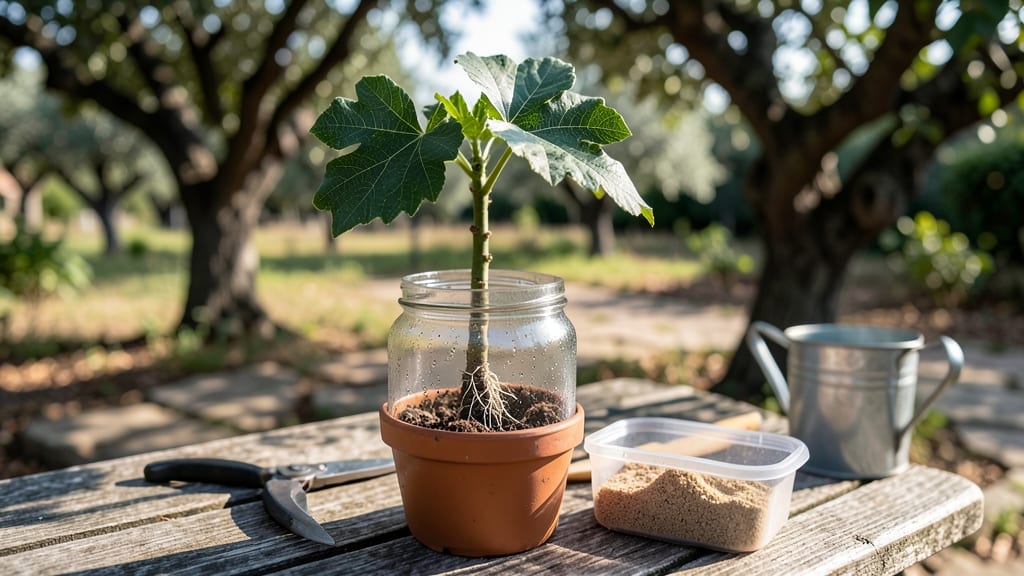
Propagating fig trees from cuttings is the fastest way to grow a new tree without buying a sapling. I’ve rooted dozens this way—some took just 2 weeks, others needed a little more patience—but the method is foolproof if you follow the right steps.
The key is timing: late winter or early spring when the tree’s energy is revving up for growth, not dormancy. You’ll end up with a sturdy young tree ready to plant out by summer, and the best part? No nursery price tag.
The magic happens in a simple setup: a clean glass jar, sharp pruners, and a healthy branch with at least 3-4 nodes. I always choose semi-hardwood cuttings—thick enough to snap but still green underneath—because they strike roots faster than woody stems.
Start with 4-6 cuttings to account for the occasional flop, and keep them in bright, indirect light while they root. The first signs of success? Tiny white bumps along the stem—those are your future roots forming.
Once roots reach 1-2 inches, transplant into pots with well-draining soil and keep them moist but not soggy. My cuttings always thrive when I move them to larger containers every 3-4 months, giving them room to bulk up before planting outdoors.
By next season, you’ll have a 6-foot-tall fig tree that produces fruit faster than store-bought saplings—because you started with a head start. The secret? Patience and a little water magic.
Works in zones 7-11, though container growing extends this to cooler climates. Avoid overwatering—root rot is the silent killer of cuttings—and never let them dry out completely. If your cuttings yellow or drop leaves, it’s usually a sign of stress from too much light or inconsistent moisture.
With this method, you’ll have a homegrown fig tree in no time—ready to feed your family for years.
📚 In This Guide
- What you need
- Instructions
- Tips and common mistakes
- Wrapping up and next steps
What you need
- ● Healthy fig tree cuttings: 4–6 inches long, with at least 2–3 nodes (buds) per cutting. Use semi-hardwood or mature wood (from late spring to early summer).
- ● Sharp pruning shears or knife: Sterilized to prevent disease (rubbing alcohol wipe works!).
- ○ Rooting hormone (optional but recommended): A powder or gel like Rootone or Clonex to boost root growth.
- ● Clean glass or jar: At least 8–12 inches tall (e.g., a mason jar or clean drinking glass) for water propagation.
- ● Filtered or room-temperature water: 1–2 cups per jar (avoid tap water if it’s chlorinated—let it sit out for 24 hours first!).
- ● Small pebbles or gravel: A handful to weigh down cuttings and keep them submerged.
- ○ Plastic wrap or humidity dome: A clear bag or cover to maintain moisture (optional but helpful for humidity-loving figs).
- ● Bright, indirect light: A sunny windowsill (east or west-facing) or a grow light for 6–8 hours daily.
- ● Warmth: Ideal rooting temp: 70–75°F (21–24°C). Avoid drafts or cold windowsills!
- ● Patience: Roots typically take 4–8 weeks to form—stay consistent!
- ● Backup plan: A small pot (4–6 inches) with well-draining soil (like cactus/succulent mix) for transplanting once roots are 1–2 inches long.
Step-by-Step instructions for propagating fig trees from cuttings
Here's how to grow new fig trees quickly using simple cuttings and water propagation.
🌱 Step 1: Select and Prepare Healthy Cuttings
Choose semi-hardwood cuttings from your fig tree in late summer or early fall. Look for 4-6 inch long branches that are about pencil-thick, with at least two nodes (those little bumps where leaves grow). The wood should be firm but not brittle.
Use clean, sharp pruning shears to make a clean cut just below a node. Remove all but the top 2-3 leaves—this reduces moisture loss while the cutting roots. I always dip the cut end in rooting hormone (optional but speeds things up) before placing it in water.
💧 Step 2: Root in Water for Fast Growth
Fill a clean glass or jar with room-temperature water—tap water works fine, but avoid distilled water, which lacks minerals. Place the cutting in the water so only the bottom 1-2 inches are submerged, keeping the leaves above water to prevent rot.
Change the water every 3-4 days to prevent bacterial growth. Set the jar in bright, indirect light—a sunny windowsill works well. You'll see roots forming in 2-4 weeks, but some vigorous cuttings may root in as little as 10 days.
☀️ Step 3: Transition to Soil When Roots Develop
Once roots reach 1-2 inches long, it's time to plant. Fill a 6-inch pot with well-draining potting mix—figs hate soggy roots. Make a hole deep enough so the cutting sits at the same level it did in water. Gently remove the cutting, shake off excess water, and plant it.
Water lightly and place the pot in bright light (at least 6 hours of sun daily). Keep the soil evenly moist but not soggy for the first 2 weeks. You'll know it's thriving when new leaves appear—usually within 3-4 weeks after transplanting.
🌿 Step 4: Care for New Plants Through Establishment
After 4-6 weeks, your cutting should be well-established. Gradually introduce it to outdoor conditions by placing it outside for a few hours daily, increasing time over 1-2 weeks. Figs love warmth, so wait until nighttime temperatures stay above 50°F before leaving it out permanently.
Fertilize lightly with a balanced fertilizer (10-10-10) once a month during the growing season. Figs are drought-tolerant once established, but young plants need consistent moisture. You'll know it's ready for the garden when it's 6-12 inches tall with multiple leaves.
Tips & tricks for perfect fig tree propagation
Took me years of trial and error to figure out these key details that make all the difference with fig cuttings.
Cutting Selection: In Step 1, focus on branches that are pencil-thick and have at least two nodes. I've found that slightly younger semi-hardwood cuttings—those that bend but don't snap—root faster than older, woody branches. Look for branches that are still flexible but have started to harden, which usually happens in late summer. Confession: I skipped this detail early on and wasted cuttings that were either too soft or too woody.
Water Quality Matters: Step 2 mentions room-temperature water, but here's what nobody tells you—if your tap water has high chlorine content, let it sit uncovered in the jar for 24 hours before using it. The chlorine will dissipate, and your cuttings will thank you with faster root growth. I learned this the hard way after my first batch took twice as long to root in heavily chlorinated water.
Light Positioning: While bright indirect light is ideal for Step 2, I've found that rotating the jar a quarter turn every few days ensures even growth. Figs naturally grow toward the light, so one side can become leggy if left stationary. Place the jar near a south-facing window for maximum light exposure during the day, then move it to a slightly cooler spot at night to mimic natural conditions.
Pro Tips for Propagate Fig Tree From Cuttings
- Took me years of trial and error to figure out these key details that make all the difference with fig cuttings.
- Cutting Selection: In Step 1, focus on branches that are pencil-thick and have at least two nodes.
- Water Quality Matters: Step 2 mentions room-temperature water, but here's what nobody tells you—if your tap water has high chlorine content, let it sit uncovered in the jar for 24 hours before using it.
Frequently asked questions
Got questions about propagating your fig tree from cuttings? You’re not alone! Here are some of the most common concerns—and their answers—to help you succeed like a pro.
When is the best time to take fig tree cuttings?
The ideal time is late winter to early spring (just before new growth starts) or summer (after the tree finishes fruiting). Avoid cutting during dormancy (fall/winter) or extreme heat, as these times stress the plant. If you’re in a warm climate, summer propagation works well too!
How do I know if my cutting will root successfully?
Look for healthy, semi-hardwood cuttings (about pencil-thick, 4–6 inches long) with 2–3 nodes. Avoid woody or overly soft stems—they root poorly. A good cutting should have green leaves (trim some to reduce water loss) and a smooth, clean cut just below a node.
Why isn’t my fig cutting rooting in water?
Fig cuttings can be finicky! Common issues include old water (change it every 2–3 days), low light (place near bright, indirect sunlight), or impatience—rooting can take 4–8 weeks. If leaves yellow or rot, your cutting may be overwatered. Try hormone rooting gel or switch to soil propagation if water fails.
Can I propagate fig trees from cuttings in soil instead of water?
Soil propagation (like the layering method) often works better for figs. Bury a node 2–3 inches deep in moist, well-draining soil, keeping it humid with a plastic bag. Roots form faster in soil for some varieties, and you avoid the risk of rot. Just keep the soil consistently moist—not soggy!
How long until my propagated fig tree bears fruit?
Patience is key! A fig tree grown from cuttings may take 2–5 years to bear fruit, depending on the variety and growing conditions. Dwarf or cold-hardy types (like ‘Chicago Hardy’) fruit faster than tropical varieties. Focus on healthy growth first—strong roots and branches = future figs!
Wrapping up and next steps
Propagating a fig tree from cuttings is a rewarding way to expand your garden or share this beautiful plant with others!
With the right tools, patience, and care, you can successfully root your cuttings in water and watch them grow into thriving trees. Now that you’re armed with the know-how, it’s time to take action—pick a healthy cutting, follow the steps, and nurture your new plant with confidence! 🌱
Ready to see your fig tree flourish? Start today and enjoy the satisfaction of growing your own!