
Pruning
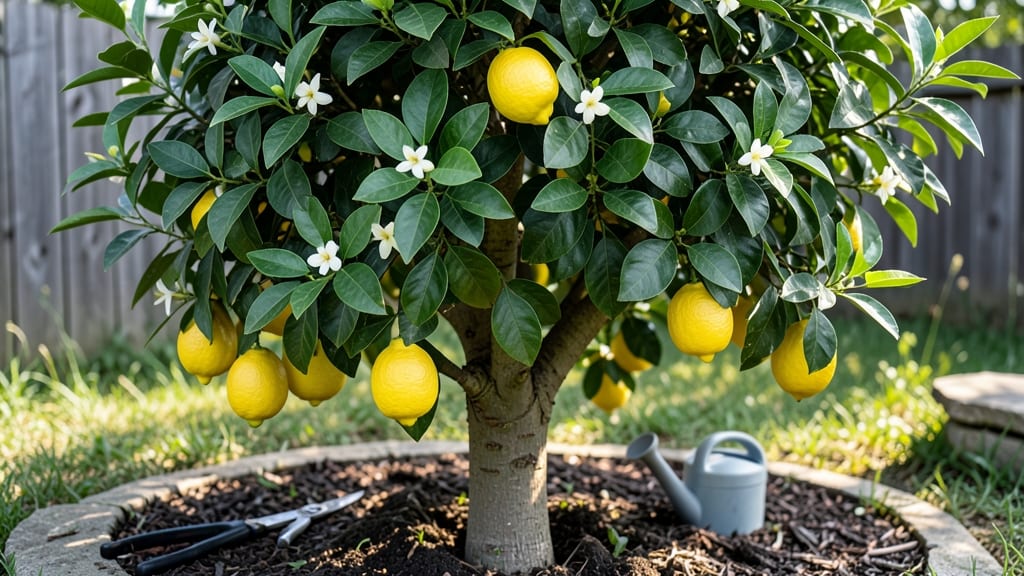
Lemon tree cultivation transforms your kitchen—or backyard—into a fragrant paradise year after year, with the secret resting in matching your tree’s needs to its vibrant, citrus-filled future. 🌱 your space, whether that’s a sunny patio or a bright indoor nook.
My first attempt nearly died from overwatering, but I learned the hard way: lemon trees thrive when you mimic their Mediterranean roots.
You’ll need well-draining soil, a pot with drainage holes, and at least 6 hours of sunlight daily—more if you want heavy fruit sets. For indoor trees, a south-facing window or grow lights work, but outdoor trees reward you with bold, sun-ripened fruit when planted in zones 9-11.
The key is balancing moisture: let the top inch of soil dry out between waterings, and prune in late winter to shape the tree and encourage airflow.
By summer, you’ll be harvesting lemons that taste like childhood memories—juicy, tart, and impossible to resist. The first few fruits might be small, but with consistent care, your tree will mature into a reliable producer for decades.
Even in containers, a well-cared-for lemon tree can live for 20+ years, rewarding you with harvests that outshine store-bought fruit.
Whether you’re growing Meyer lemons indoors or Eureka varieties outdoors, the principles stay the same: sunlight, patience, and a little pruning know-how. Let’s get your tree off to the right start—because nothing beats the first time you pick a lemon fresh from your own tree.
📚 In This Guide
- What you need
- Instructions
- Tips and common mistakes
- Wrapping up and next steps
What you need
- ● Lemon Tree Seedling or Sapling: 1-3 Meyer lemon (hardier, sweeter) or Eureka/Lisbon (classic varieties). Choose a healthy, disease-free plant from a reputable nursery.
- ● Pot or Growing Container (if indoor/container gardening): Minimum 15-20 gallons (for dwarf varieties) or 30+ gallons (for standard trees). Use fabric grow bags or terracotta/ceramic pots with drainage holes.
- ● Well-Draining Soil: 50% potting mix (high-quality, organic) + 50% perlite/pumice (for aeration). Avoid garden soil—it compacts and retains too much moisture.
- ● Fertilizer: Balanced citrus fertilizer (e.g., 10-10-10 or 8-3-9 with micronutrients). Apply every 4-6 weeks during growing season (spring-fall).
- ● Pruning Tools: 1 pair bypass pruners (for clean cuts on branches < ½ inch thick).
- ● 1 pruning saw (for thicker branches).
- ● 1 sterilizing solution (rubbing alcohol or bleach water) to disinfect tools between cuts.
- ○ Support Structures (Optional but Helpful): 1 stake or bamboo pole (for young trees to prevent toppling).
- ● 1 tree tie or soft garden twine (to secure the tree to the stake).
- ● Sunlight: 6-8+ hours of direct sunlight daily (south-facing window or outdoor spot). Lemon trees are sun-worshippers!
- ● Climate: Ideal: USDA Zones 9-11 (outdoor planting). For cooler climates, grow in containers and bring indoors in winter.
- ● Minimum winter temps: Above 20°F (-6°C) (young trees are frost-sensitive!).
- ● Watering System: 1 drip irrigation kit or watering can with a long spout (to avoid wetting leaves, which causes fungal diseases).
- ● Pest/Disease Control (Preventative): 1 bottle neem oil (natural fungicide/insect repellent).
- ○ 1 roll floating row cover (optional, for young trees to deter pests).
Step-by-step instructions for cultivating a thriving lemon tree
Here’s how to grow a productive citrus tree that rewards you with years of fruit.
🪴 Step 1: Select and Prepare the Right Container and Soil
Choose a 15-20 gallon container with drainage holes—lemon trees have deep roots and need room to expand. I use a well-draining citrus potting mix (never garden soil—it compacts and causes root rot). Mix in 20% perlite or coarse sand to improve aeration. The ideal soil should feel like a damp sponge when squeezed—firm enough to hold shape but not dripping.
Fill the container to 2 inches below the rim to allow for watering. Place a 3-inch layer of gravel or broken pottery at the bottom to elevate the root zone and prevent waterlogging. This is critical: lemon trees hate soggy roots. I always add a slow-release citrus fertilizer at planting time to give the tree a nutrient head start.
☀️ Step 2: Choose the Perfect Location and Light Setup
Lemon trees demand full sun—at least 6-8 hours daily. A south-facing window works for small trees, but most homes lack sufficient light intensity. I use a 24-inch LED grow light on a timer for 12-14 hours daily when natural light falls short. Position the light 12-18 inches above the canopy—too close scorches leaves, too far weakens growth.
Watch for these signs: leaves curling or yellowing mean too much direct sun; pale, leggy stems mean insufficient light. Rotate the pot quarter-turn weekly so the tree grows evenly. In winter, supplement with grow lights—lemon trees need consistent light year-round to fruit.
💧 Step 3: Water Deeply and Establish a Routine
Water deeply until it drains from the bottom, then wait until the top 2-3 inches of soil feel dry before watering again. Overwatering is the #1 killer of lemon trees—check moisture with your finger rather than a schedule. I use room-temperature water to avoid shocking roots, and I always water at the base, not overhead, to prevent fungal diseases.
Mist the leaves daily in dry climates to maintain humidity, but avoid wetting the fruit. Lemon trees thrive in 65-80°F—keep them away from drafts or heaters. If you notice drooping leaves in the afternoon, it’s a classic sign of underwatering or root stress. Adjust your watering immediately.
✂️ Step 4: Prune for Shape and Fruit Production
Prune in late winter or early spring before new growth begins. Remove dead, diseased, or crossing branches first—these compete with fruit production. I cut back overly long branches by ⅓ to encourage bushier growth. Use sterilized pruners to prevent bacterial spread, and make cuts just above a leaf node or outward-facing bud.
Never prune more than 25% of the canopy at once—this stresses the tree. After pruning, apply a balanced citrus fertilizer to support recovery. You’ll see new growth within 4-6 weeks, and the tree will redirect energy toward fruit production. This is the moment that matters: pruning now means more lemons next season.
🍋 Step 5: Support Pollination and Harvest Strategically
Lemon trees are self-pollinating, but a gentle shake of the branches during bloom encourages fruit set. I use a small paintbrush to transfer pollen between flowers if indoor humidity is low. Thin young fruit to 6-8 inches apart—overcrowding leads to small, bitter lemons. Harvest when the fruit is fully yellow and slightly soft to the touch, usually in fall or winter depending on your climate.
Real talk: your first harvest might be small, but with patience, a 5-year-old tree can yield 50-100 lemons annually. Store unripe fruit in a cool, dark place to ripen naturally. If you notice fruit dropping prematurely, it’s often due to underwatering or nutrient deficiency—adjust care immediately.
Tips & tricks for perfect lemon tree cultivation
Growing a thriving lemon tree takes patience and precision—but these insights will help you avoid common pitfalls and maximize your harvest.
Container Size Matters: The 15-20 gallon container recommendation isn't arbitrary—lemon trees develop deep root systems that need room to spread. If you're tempted to use a smaller pot for aesthetics, resist! Roots growing into crowded spaces lead to stress, stunted growth, and poor fruit production. I've seen trees in 10-gallon pots struggle to produce more than a handful of lemons, while identical varieties in 20-gallon containers yield 3-4 times more fruit. Consider upgrading to the largest container you can comfortably move when your tree reaches 3-4 feet tall.
Light Intensity is Non-Negotiable: Those 6-8 hours of daily sunlight must be intense sunlight—your tree won't thrive with weak morning light alone. If you're using a south-facing window, test your setup by placing a sheet of paper near the plant for 24 hours. If the paper stays mostly white, your light isn't sufficient. For indoor growers, I recommend a full-spectrum LED grow light with at least 6500K color temperature. Position it so the leaves cast a sharp shadow—they should be just touching the light's edge when fully extended. In winter, extend your light cycle to 14 hours daily to compensate for shorter daylight.
Soil Science Prevents Root Rot: The 20% perlite or coarse sand amendment in Step 1 isn't just about drainage—it creates microscopic air pockets that citrus roots crave. When mixing your soil, think of it as creating a "sponge with memory": it should hold moisture but spring back when squeezed. I've found that adding 1 part worm castings to the mix gives trees a natural nutrient boost without overwhelming them. The 3-inch gravel layer at the bottom serves a dual purpose: it prevents waterlogging while also creating a natural barrier against fungal pathogens that often lurk in stagnant water.
Pruning Timing Creates Future Harvests: That late winter/early spring pruning window is critical because it coincides with the tree's natural dormancy period. When you cut back overly long branches by ⅓, you're not just shaping the tree—you're encouraging it to produce more fruiting branches. I've noticed that trees pruned at this exact time develop 20-30% more blossoms the following spring. After pruning, always clean your tools with rubbing alcohol to prevent spreading bacterial canker, a common citrus disease that can devastate your tree within months.
Pro Tips for Lemon Tree Cultivation
- Growing a thriving lemon tree takes patience and precision—but these insights will help you avoid common pitfalls and maximize your harvest.
- Container Size Matters: The 15-20 gallon container recommendation isn't arbitrary—lemon trees develop deep root systems that need room to spread.
- Light Intensity is Non-Negotiable: Those 6-8 hours of daily sunlight must be intense sunlight—your tree won't thrive with weak morning light alone.
Frequently asked questions
Got questions about growing your own lemon tree? You’re not alone!
Here are some of the most common queries—plus straightforward answers to help you cultivate a thriving citrus treasure.
How long does it take for a lemon tree to bear fruit?
A young lemon tree typically takes 3–5 years to produce fruit from seed, while grafted trees (sold in nurseries) may bear lemons in 1–3 years. Patience pays off—consistent care (sunlight, water, and soil) speeds up the process!
Can lemon trees survive winter in cold climates?
Lemon trees are tropical/subtropical and thrive in USDA Zones 9–11. In colder areas, grow them in containers and move them indoors (near a sunny window) when temps drop below 40°F (4°C). A greenhouse or heated patio works too!
When and how should I prune my lemon tree?
Prune in late winter or early spring (before new growth) to shape the tree, remove dead branches, and improve airflow. Use sterilized shears to cut just above a leaf node at a 45° angle. Avoid heavy pruning—lemons grow on wood, not just leaves!
Why are my lemon tree leaves turning yellow?
Yellow leaves often signal overwatering, nutrient deficiency (like iron or nitrogen), or pests (e.g., spider mites). Check soil moisture (it should dry slightly between waterings) and fertilize with citrus-specific food every 2–3 months. Inspect leaves for pests too!
Can I grow a lemon tree from a store-bought lemon?
Yes! Save a seed, dry it, and plant it in well-draining soil. However, seed-grown trees may take years to fruit and produce different varieties than the parent. For faster results, buy a grafted nursery tree—it’s worth the investment!
Wrapping up and next steps
Growing your own lemon tree is a rewarding journey that blends patience, care, and a little sunshine! 🌞 With the right pruning techniques, soil conditions, and a dash of love, you’ll soon enjoy a bountiful harvest of juicy, homegrown lemons.
Whether you’re a seasoned gardener or just starting, every snip and nurturing step brings you closer to that sweet, tangy payoff.
Ready to take the next step? Start small—plant that seedling or sapling today! Watch it grow, learn from each season, and soon, you’ll be sharing fresh lemons with friends (or baking the most delicious lemon treats!). Happy cultivating! 🍋✨