
Pruning
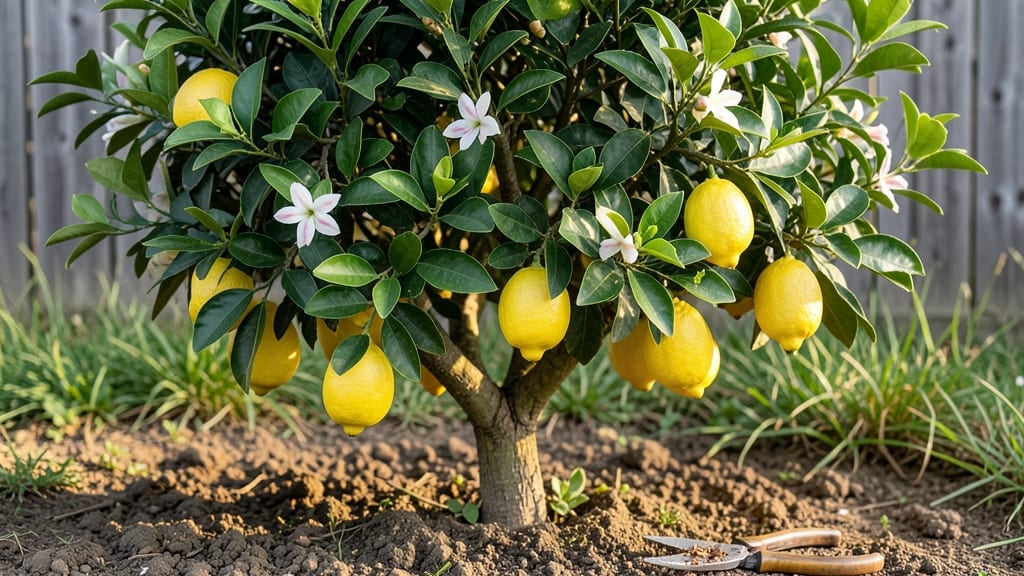
The lemon cyprus tree brings a zesty aroma to your yard that lasts all year—if you prune it right. I’ve learned the hard way that skipping winter trims means losing that fresh citrus scent by spring, but with the right cuts, you’ll have fragrant foliage from January through December.
The secret isn’t just timing; it’s shaping the tree to keep its signature lemony fragrance alive even in cold snaps.
This evergreen thrives in full sun and well-draining soil, but its real magic happens when you prune twice a year: a light shape-up in late winter and a heavier trim after summer growth.
Use sharp shears to snip just above leaf clusters, never cutting into old wood—this keeps the tree bushy and fragrant. Overgrown branches lose their scent, so don’t wait until it’s half-bare to act.
By spring, you’ll notice new growth bursting with that bright lemony aroma, and the tree’s natural shape will make it a standout in your landscape. The best part?
It’s cold-hardy down to 10°F, so you won’t lose it to winter freezes. Just avoid heavy pruning in fall, or you’ll stunt next year’s fragrance.
Whether you’re growing it as a hedge, specimen plant, or fragrant border, the key is consistency. A little effort now means year-round lemon-scented air that neighbors will envy. Ready to transform your yard into a citrusy paradise?
📚 In This Guide
- What you need
- Instructions
- Tips and common mistakes
- Wrapping up and next steps
What you need
- ● Pruning shears: Bypass pruners (sharp, clean, and sterilized with rubbing alcohol to prevent disease). 1 pair (or 2 if trimming large branches).
- ○ Loppers: For thicker branches (½"–1.5" diameter). 1 pair (optional but helpful for mature trees).
- ● Hand pruners: For small twigs and precision cuts. 1 pair (if not using bypass shears).
- ● Gloves: Thick, cut-resistant garden gloves (to protect from thorns and sap). 1 pair.
- ● Disinfectant: 70% isopropyl alcohol or bleach solution (1 part bleach to 9 parts water). Small spray bottle or cloth.
- ○ Pruning sealant: Optional but recommended for large cuts (>0.5" diameter). 1 small tube (e.g., Tanglefoot Tree Wound Pruning Sealer).
- ● Bucket or bag: For collecting pruned branches. 1 medium-sized.
- ● Ladder or step stool: If your tree is taller than 6 feet. 1 sturdy unit (ensure it’s rated for your weight).
- ○ Notebook & pen: To sketch your tree’s shape or mark cuts. 1 small notebook (optional but handy!).
- ● Extension pole saw: For high branches without a ladder. 1 unit (e.g., Fiskars X27).
- ● Sharpie or paint: To mark cuts before pruning. 1 permanent marker.
- ● Compost bin: For recycling pruned branches into mulch. 1 bin (if you don’t already have one).
- ● Safety glasses: To protect eyes from debris. 1 pair.
- ○ Tree growth regulator: For post-pruning care (e.g., seaweed extract). 1 bottle (optional for slow-release nutrients).
How to prune a lemon cypress tree for healthy growth
Here's the straightforward approach I've used to keep my lemon cypress thriving—it's all about timing and technique.
Choose the Right Time for Pruning
Spring is your best window, right after the last frost but before new growth starts in earnest. I prune my lemon cypress in early April when temperatures consistently stay above 40°F. This timing lets the tree recover before summer heat stress. Avoid pruning in fall or winter—cold snaps can damage tender new growth.
Look for fresh, green growth at the tips of branches as your cue. If you see new leaves emerging, it's time to prune. Wait too long, and you'll encourage soft, weak growth that won't survive winter. A sharp pair of pruning shears is essential—dull tools crush stems and invite disease.
Remove Dead or Damaged Branches First
Start by scanning the tree for any dead, diseased, or crossing branches. Dead branches are dry and brown, while diseased ones may have black spots or oozing sap. Snip these out completely at their base—don't leave stubs. I always remove at least 10-15% of the tree's volume this way, which improves airflow and reduces pest risks.
Crossing branches compete for sunlight and nutrients, so remove the weaker of the two. Look for branches growing inward toward the center—they'll never get enough light and will eventually die. Cut just above a healthy bud or leaf node, angled slightly away from the bud to prevent water from pooling.
Shape the Tree for Airflow and Light
Lemon cypress trees grow best with an open, airy shape. I focus on thinning out the interior to let light reach the center. Start at the bottom and work upward, removing about one-third of the oldest growth each year. This encourages new, vigorous growth from the base while maintaining the tree's natural form.
Use your hand as a guide—if you can't see light through the branches when standing 3 feet away, it's time to thin. Avoid cutting back more than one-third of the tree's height in a single pruning session. Over-pruning stresses the tree and can lead to weak regrowth that won't survive winter.
Refine the Outline and Encourage Fullness
Now it's time to refine the tree's silhouette. Lemon cypress trees have a natural columnar shape, so I lightly trim the top to maintain a slightly tapered look. Never cut more than one-quarter of the top growth in a season—this prevents sunburn and shock. Use hand pruners for smaller branches and loppers for thicker stems.
To encourage fullness, look for areas where the tree looks sparse. Pinch back the tips of new growth to promote branching. You'll see new shoots forming within 4-6 weeks—this is your signal that the tree is responding well. Avoid heavy pruning in late summer, as new growth won't have time to harden off before winter.
Clean Up and Monitor for Recovery
After pruning, rake up all debris and dispose of it in the trash—never compost diseased branches. This prevents pests and diseases from overwintering in your garden. Water the tree deeply right after pruning to help it recover, especially if you've removed a significant amount of foliage.
Watch the tree closely over the next 2-3 weeks for signs of stress, like yellowing leaves or wilting. If you see these signs, reduce watering slightly and avoid fertilizing until new growth appears. A lightly fertilized lemon cypress in early spring is all it needs to bounce back strong for the growing season.
Tips & tricks for perfect lemon cypress trimming
These practical insights will help you maintain your lemon cypress's health and fragrance through every season.
Timing is Everything: The early April window when temperatures consistently stay above 40°F is critical for successful pruning. This timing allows the tree to recover before summer heat stress while avoiding cold snaps that can damage tender new growth. I've found that pruning too early can leave the tree vulnerable to late frosts, while waiting too long encourages weak growth that won't survive winter. Use a reliable weather forecast to pinpoint the exact moment when nighttime lows stay above 40°F consistently.
Pruning Technique Matters: When removing branches in Step 2, always make clean cuts just above a healthy bud or leaf node, angled slightly away from the bud. This prevents water from pooling and creates a natural growth point. I've learned the hard way that leaving stubs invites disease—always cut completely at the base. For thicker branches, use loppers to make smooth cuts without tearing the bark, which can stress the tree and create entry points for pests.
Shape with Purpose: The one-third thinning guideline in Step 3 isn't arbitrary—it's based on how much foliage your lemon cypress can handle while still maintaining its natural form. Start at the bottom and work upward to encourage new growth from the base. Remember that lemon cypress trees naturally grow in a columnar shape, so avoid cutting more than one-quarter of the top growth in any single season. This prevents sunburn and shock that can weaken the tree for the upcoming winter.
Recovery Monitoring: After pruning, watch your tree closely for the next 2-3 weeks for signs of stress like yellowing leaves or wilting. This is your tree's way of communicating—if you see these signs, reduce watering slightly and avoid fertilizing until new growth appears. A lightly fertilized lemon cypress in early spring is all it needs to bounce back strong. I've found that the first flush of new growth after pruning is the most critical indicator of whether your tree is recovering properly.
Pro Tips for Lemon Cyprus Tree
- These practical insights will help you maintain your lemon cypress's health and fragrance through every season.
- Timing is Everything: The early April window when temperatures consistently stay above 40°F is critical for successful pruning.
- Pruning Technique Matters: When removing branches in Step 2, always make clean cuts just above a healthy bud or leaf node, angled slightly away from the bud.
Frequently asked questions
Got questions about keeping your Lemon Cyprus tree thriving with cold-hardy trimming? You’re in the right place! Here are answers to the most common concerns—from timing to troubleshooting—so you can enjoy that year-round citrusy fragrance without stress.
When is the best time to trim a Lemon Cyprus tree?
The ideal time to trim is late winter or early spring (just before new growth starts). Avoid heavy pruning in fall—it can stimulate tender shoots that won’t survive winter. Light maintenance to shape or remove dead branches can happen year-round, but skip heavy cuts during extreme cold or heat.
Can Lemon Cyprus trees survive cold winters?
Yes! These trees are cold-hardy down to 15°F (-9°C) with proper care. Mulch the base with 2–3 inches of organic material (like wood chips) in fall, and wrap young trees in burlap if temps drop below 20°F (-7°C). Prune to open the canopy for better airflow, which reduces frost damage.
How do I prune for maximum fragrance?
Focus on selective trimming—cut back overcrowded branches and shape to encourage airflow. Remove dead or crossing branches first, then trim to 1/3 of the tree’s height if needed. Prune just above a leaf node (bud) to promote new, fragrant growth. Avoid "topping" (cutting flat across)—it weakens the tree.
What if my Lemon Cyprus tree isn’t blooming?
Lack of blooms often stems from over-pruning or poor sunlight. Ensure it gets 6+ hours of sun daily and fertilize in early spring with a citrus-specific formula. If the tree is young (<3 years), be patient—it may take time to establish. Lightly prune only to remove dead wood; avoid aggressive cuts.
Are there alternatives to Lemon Cyprus for cold climates?
If you love fragrance but need even hardier options, consider:
- Mexican Orange Blossom (Choisya ternata) – Hardy to 10°F (-12°C), fragrant white flowers.
- Dwarf Meyer Lemon (Citrus × meyeri) – Hardy to 20°F (-7°C) with container care.
- Sweetbox (Sarcococca) – Thrives in shade, blooms in winter, and tolerates 0°F (-18°C).
Wrapping up and next steps
Growing a lemon cyprus tree is a rewarding way to enjoy year-round fragrance and beauty—even in colder climates! With the right pruning techniques, you’ll keep your tree healthy, encourage lush growth, and savor its sweet citrus scent for seasons to come. 🌿✨
Now that you’re equipped with the knowledge, roll up your sleeves and get pruning! Start with a fresh cup of tea, gather your tools, and give your lemon cyprus tree the care it deserves. Happy gardening—your fragrant oasis awaits! 🌟